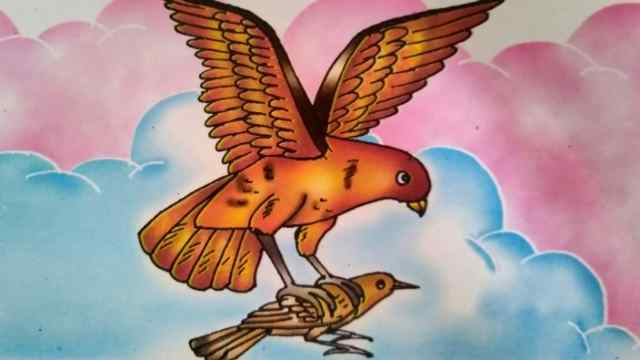
ख्यालों की चिड़िया कहाँ कहाँ जाती थी उड़ के,
अकेले घूमने में कभी न लगता था डर;
कभी घबरा के उसने पीछे नहीं देखा मुड़ के,
चांद सितारों को छू लेने वाले थे उसके पर।
बैठती थी कभी इस डाल और कभी उस डाल,
कभी सोचा नहीं कहीं बना ले आशियाना।
वक़्त था कि बुनता रहा था अपना जाल,
चिड़िया को नहीं पता वही बन जाएगी निशाना।
क्या उड़ान थी उसकी, क्या तेज थी रफ्तार,
एक पल में पार जाती थी इस जहान से दूर।
तसव्वुर की पहुंच पर उसे था ऐतबार,
मुकद्दर के हाथों वह न हुयी थी मजबूर।
फिर पैदा हुआ बाज़ जिस का नाम था शक़,
चिड़िया की ताकत और पहुंच को उसने ललकारा।
मैं नहीं उड़ने दूँगा तुम्हें जहान के उस पार तक,
आज से यह पिंजरा ही जहान है तुम्हारा।
रफ्ता रफ्ता पिंजरा और बाज़ बन गए लाज़वाल,
तसव्वुर की चिड़िया भूल गई अपनी उड़ान;
हर बार शक़ पैदा हुआ जहां पैदा हुआ खयाल,
अपनी हद की चिड़िया को हो गई पहचान।
पिंजरे की चिड़िया दुनिया को आयी पसंद,
उसकी भी सोच सब की तरह हो गई;
जब वह पिंजरे में भी ना थी बंद,
एक अनदेखी जंजीर में उसकी उड़ान खो गई।
मन की चिड़िया को हरदम रखिए आज़ाद,
उसकी उड़ान को न बनने दें शक़ का गुलाम।
दोनों जहान तब तक रहेंगे आबाद,
जब तक मन के बाज़ की पकड़ में रही लगाम।
I started this series on my Facebook group Yaad Kiya Dil Ne on 18 Oct 20. Since then, many other members have put up these songs. Here, I shall be giving you one of my own, per day.
Song #22 Beqraar karke hamen youn na jayiye Theme-word: Last stanza: Zindagi ke raste ajeeb hain
Shakeel Badayuni
No matter who and where you are; you do deserve a song by Shakeel Badayuni, every now and then. And this is from the 1962 Biren Nag Film Bees Saal Baad for whose song Kahin deep jale kahin dil Shakeel received his third (of the only hat-trick in Hindi movies) Filmfare Award for Best Lyricist and Lata Mangeshkar received Best Playback Singer (Female) Award.
The popularity of the song Beqraar karke hamen youn na jayiye continues to be there nearly sixty years after Shakeel wrote it. At the outset, lets admire the beauty of the lyrics:
(बेक़रार करके हमें यूँ न जाइये
आपको हमारी कसम लौट आइये  ) - २

देखिये वो काली काली बदलियाँ
ज़ुल्फ़ की घटा चुरा न ले कहीं
चोरी चोरी आके शोख बिजलियाँ
आपकी अदा चुरा न ले कहीं
यूँ क़दम अकेले न आगे बढ़ाइये
आपको हमारी...

(देखिये गुलाब की वो डालियाँ
बढ़के चूम ले न आप के क़दम ) - २
खोए खोए भँवरे भी हैं बाग़ में
कोई आपको बना न ले सनम
बहकी बहकी नज़रों से खुद को बचाइये
आपको हमारी...

ज़िन्दगी के रास्ते अजीब हैं
इनमें इस तरह चला न कीजिये
खैर है इसी में आपकी हुज़ूर
अपना कोई साथी ढूँढ लीजिये
सुनके दिल की बात ना मुस्कुराइये
आपको हमारी...
Hemant Kumar on Hemant Kumar
Hemant Kumar was one singer who would at the fastest transport you to the world of the lyrics of the song. So, if he sang Sahir’s Pedon ki shaakhon pe soyi soyi chandini, or Kaifi’s Raat haseen ye chand haseen tu sabse haseen mere dilwar, your imagination donned wings and you didn’t hear him from far; you were already there at the scene of the song (even if you had never seen the video!)
This flight of your imagination by Hemant’s voice was the best if he’d sing on his own composition.
Take any of Hemant Kumar songs on Shakeel’s lyrics and you’d know; eg, Chandan ka palna. However, if Hemant is singing on his own composition of Shakeel’s songs, then it is sheer magic; eg, Zindagi kitani khubsurat hai and Jab jaag uthe armaan to kaise neend aaye.
This movie also happens to be Hemant Kumar’s production, like Khamoshi.
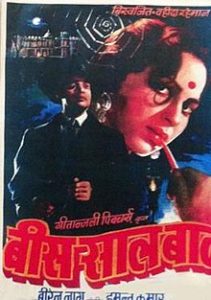
Bees Saal Baad
The movie was based on Arthur Conan Doyle’s Sherlock Holmes story The Hound of Baskervilles. It starred Biswajeet and Waheeda Rehman in the lead roles. It was the most super hit movie of 1962 thanks, to a great extent to Shakeel – Hemant Kumar songs.
The Song
Ladies and gentlemen, please enjoy: Beqraar karke hamen youn na jayiye…
I hope you enjoyed my choice for Song #21 in the series.
I started this series on my Facebook group Yaad Kiya Dil Ne on 23 Aug 20. Since then, many other members have put up these songs. Here, I shall be giving you one of my own, per day.
Remembering Dev Anand on His Birth Anniversary and Hemant Kumar on His Death Anniversary 26 Sep
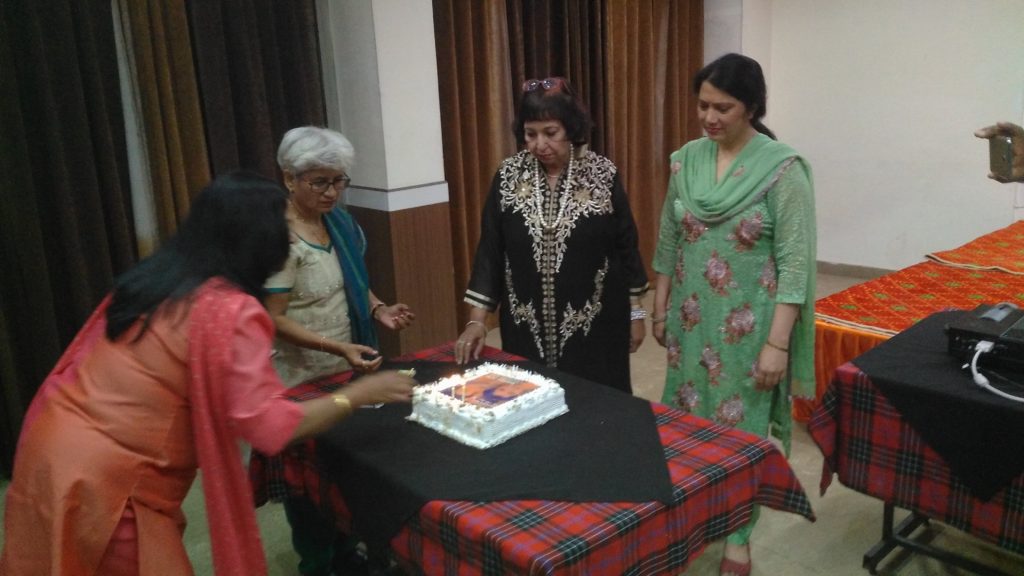
These are difficult times because of COVID. Else, we would have met in Kandaghat for our usual annual meet of the YKDN group and would have sung this anthem of ours together whilst the YKDN cake would have been cut by the youngest lady.
We also missed paying tribute to both Dev Anand and Hemant Kumar yesterday because of the sudden, tragic and totally unexpected demise of the great singer SP Balasubramanyam.
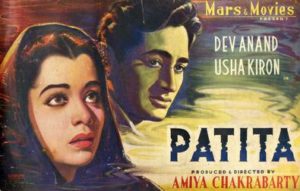
Patita – 1953 Movie
However, here we are with the title song of the group from the 1953 Amiya Chakrabarty movie Patita starring Dev Anand and Usha Kiran, both of whom feature in this truly iconic song that we shall never be able to get out of our system. Hemant Kumar sang for Dev Anand and Lata ji sang for Usha Kiran.
The Song
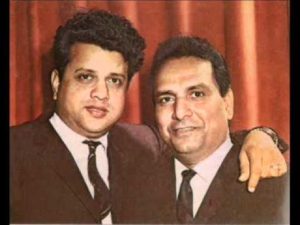
The song was penned by my behna Kishwar Jaipuri’s dad Hasrat Jaipuri and composed by the duo who were the best in the world. Even after so many years, Hasrat ji and Shankar Jaikishan ji never fail to wow us. This song, of course, is very special to this group and not just a beautiful duet. Each word is imprinted on our hearts; each word fills us with precious memories; each note touches the chords of our hearts:
याद किया दिल ने कहाँ हो तुम
झूमती बहार है कहाँ हो तुम
प्यार से पुकार लो जहाँ हो तुम  - २

(ओ, खो गये हो आज किस खयाल में
ओ, दिल फ़ंसा है बेबसी के जाल में )    - २
मतलबी जहाँ मेहरबां हो तुम
याद किया दिल ने कहाँ हो तुम
प्यार से पुकार लो जहाँ हो तुम  - २

(ओ, रात ढल चुकी है सुबह हो गयी
ओ, मै तुम्हारी याद लेके खो गयी     )    - २
अब तो मेरी दास्ताँ हो तुम
याद किया दिल ने कहाँ हो तुम
प्यार से पुकार लो जहाँ हो तुम  - २

(ओ, तुम हमारी  ज़िंदगी के बाग़ हो
ओ, तुम हमारी राह के चिराग़ हो  )  - २
मेरे लिये आसमाँ हो तुम
याद किया दिल ने कहाँ हो तुम
प्यार से पुकार लो जहाँ हो तुम  - २
Ladies and gentlemen, so what this year we didn’t meet to sing this anthem together but enjoy, whilst humming this beautiful duet: Yaad kiya dil ne kahan ho tum…
I started this series on my Facebook group Yaad Kiya Dil Ne on 18 Aug 20. Since then, many other members have put up these songs. Here, I shall be giving you one of my own, per day.
Just like the Beautiful Duet #45 that I gave you today from the 1945 movie Bambai Ka Babu: Deewana mastana hua dil, the story of this song also starts with murder! What a coincidence.
In this movie, Manohar Lal, a jeweler, is convicted of a murder he didn’t commit. His wife, in order to keep their son away from the disgrace of a convicted father, gives away the son to another woman. He grows up to become a police inspector who is after Manohar Lal, the convict who has run away. His mother knows that the son is chasing the father but both the father and son don’t know this.
The Cast
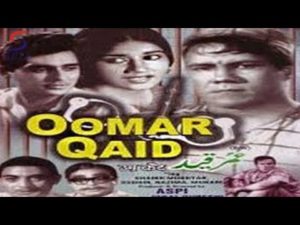
This movie Oomar Qaid, a movie of 1961, has Aspi Irani directing it and Mohan Choti, Helen, Sheikh Mukhtar, Mukri, Nazima and Sudhir in the lead roles.
The song in particular is sung by Sudhir for Nazima.
Sudhir had Mohammad Rafi singing Main ye chhod kar uske dar se utha tha in 1963 movie Haqeeqat. He has Mukesh singing this for him:
The Song
The song with very beautiful and expressive lyrics was penned by Kishwar Jaipuri’s father Hasrat Jaipuri and composed most beautifully by Iqbal Qureshi. It is simply the best and most memorable song of the movie.
The use of theme-words Raat Din is to convey All the Time. Sudhir doesn’t want Nazima to drop him from grace.
Have a look at the lyrics:
मुझे रात दिन ये ख्याल है
मुझे रात दिन ये ख्याल है
वो नज़र से मुझको गिरा न दे
मेरी ज़िन्दगी का दिया कही
मेरी ज़िन्दगी का दिया कही
ये गमो की ाँधी बुझा न दे
मुझे रात दिन ये ख्याल है
मेरे दिल के दाग़ न जल उठे
मेरे दिल के दाग़
मेरे दिल के दाग़ न जल उठे
कही मेरे सीने की आग से
कही मेरे सीने की आग से
ये घुटी घुटी मेरी आह भी
ये घुटी घुटी मेरी आह भी
कही होश मेरे गँवा न दे
मुझे रात दिन ये ख्याल है
किसे अपना हाल सुनाऊं मैं
किसे अपना हाल
किसे अपना हाल सुनाऊं मैं
मेरा दिल भी गैर का हो चूका
मेरा दिल भी गैर का हो चूका
बड़ी उलझनों में घिरा हूँ मैं
बड़ी उलझनों में घिरा हूँ मैं
के फ़साना कोई बना न दे
मुझे रात दिन ये ख्याल है
मैं दिया हूँ ऐसा जहां में
मैं दिया हूँ ऐसा
मैं दिया हूँ ऐसा जहां में
के जला तो हूँ नहीं रौशनी
के जला तो हूँ नहीं रौशनी
जो जिगर में है वो खलिश कही
जो जिगर में है वो खलिश कही
मेरी हसरतों को मिटा न दे
मुझे रात दिन ये ख्याल है
मुझे रात दिन ये ख्याल है
वो नज़र से मुझको गिरा न दे
मुझे रात दिन ये ख्याल है.
RRR Songs (Songs of Regret, Repentance and Ruefulness)
I started this new series on 17 Jan 21 on my Facebook Group Yaad Kiya Dil Ne. My efforts failed to involve people in writing their own stuff about songs and music rather than copying and pasting from here and there or worse, just sharing url of songs from YouTube. Hence, I had decided to give the group a burial that it deserved rather than making it like thousands of groups on Facebook about songs with nothing unique about them at all.
Song #1 Mujhe dard-e-dil ka pata na tha, mujhe aap kis liye mil gaye
Exactly Fifty Days to Go
Finally, the kind of inevitability that I entertained more than an year ago, is shared by all pillars of YKDN. Time has come to say goodbye.
By the time we bury this group on 08 Mar this year, we would have completed:
A total of 195 Beautiful Duets.
A total of 193 Raat or Din Songs.
A total of 133 Zindagi or Jeevan Songs.
I shall be adding five songs to Beautiful Duets and seven to Raat or Din Songs to make these 200 each. Similarly, we may add 17 songs to Zindagi or Jeevan songs to make these 150. Thus, we the 50 RRR songs, we shall have 600 of some of the finest songs in this group on themes that are never far from our minds.
This Song
Hindi movies have songs on every emotion and some of us shall continue using songs to expressing our own emotions long after the group is buried.
After making my more than a dozen groups and pages, I have spent more time on YKDN than on any other group or page. Hence, I can be excused saying it with Majrooh Sultanpuri:
        मुझे दर्द-ए-दिल का पता न था
	मुझे आप किस लिये मिल गये?
	मैं अकेले यूँ भी मज़े में था
	मुझे आप किस लिये मिल गये?

	यूँ ही अपने अपने सफ़र में गुम
	कहीं दूर मैं कहीं दूर तुम
	कहीं दूर तुम
	चले जा रहे थे जुदा जुदा
	मुझे आप किस लिये मिल गये?
	मैं अकेले यूँ भी मज़े में था
	मुझे आप किस लिये मिल गये?

	न मैं चांद हूँ किसी शाम का
	न चिराग़ हूँ किसी बाम का
	किसी बाम का
	मैं तो रास्ते का हूँ एक दिया
	मुझे आप किस लिये मिल गये?
	मैं अकेले यूँ भी मज़े में था
	मुझे आप किस लिये मिल गये?

	मुझे दर्द-ए-दिल का पता न था
	मुझे आप किस लिये मिल गये?
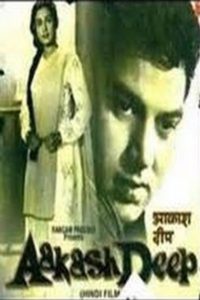
Akashdeep – 1965 Movie
This movie was directed by Phani Majumdar for the primary reason that sometime or the other I shall be able to use this as an RRR Song. Thank you Phani, thank you Majrooh, thank you Chitragupt and thank you Mohammad Rafi. If you guys hadn’t given me this song, I won’t have known how to start my RRR Series.
My Own Poetry
My sister Manik Lakhkar Chava behna has objected to more than once that my posts lose their luster if I don’t put up my poems with them. So, here is one:
KAHAN HAIN HAMDARD?
आदत सी पड़ गई है हमें,
रखते हैं बन्द ज़ुबान।
वह बात बात पे लेते हैं,
हमारा ही इम्तिहान।
सब तो परिंदे हैं यहां,
दो घड़ी के हैं महमान।
पर उन्हें क्यूं यह लगता है,
उन्हीं का तो है जहान।
मेरा घर भी कुछ अजीब है,
जैसे हो कोई शमशान।
यहां लाश पड़ी है सपनों की,
वहां पड़े हैं मेरे अरमान।
अब तक तो खड़ा था,
ग़म ओ बेबसी के दरमियान।
अब तो वह भी मुझे देख के,
दिखते हैं बहुत हैरान।
जीने की सलाह देते हैं सब,
पर जीना नहीं है आसान।
शहर ए ज़िन्दगी बड़ा तो है,
पर गलियां हैं सुनसान।
आधी ज़िन्दगी बनाते रहे,
हम अपनी ही एक पहचान।
बाकी की ज़िन्दगी में अब,
मन करता है बनें अनजान।
इतनी बड़ी दुनिया में, रवि,
कोई एक तो होगा इन्सान।
दूसरों के दुख देख कर,
खुद को समझे पशेमान।
Ladies and gentlemen, please enjoy: Mujhe dard-e-dil ka pata na tha…
I started this series on my Facebook group Yaad Kiya Dil Ne on 18 Oct 20. Since then, many other members have put up these songs. Here, I shall be giving you one of my own, per day.
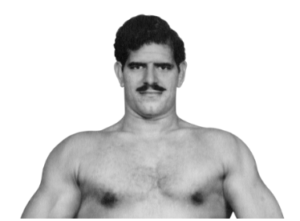
Remembering Dara Singh on His Birth Anniversary 19 Nov
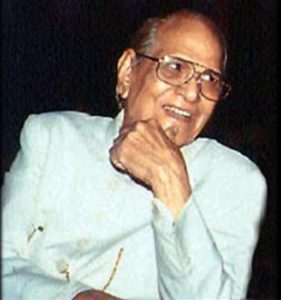
(Pic courtesy: prowrestling.fandom.com)
He was born on this day in 1928, a Punjabi Jat Sikh. Like many Punjabis before and after him, he was the epitome of gentlemanliness. He became a professional wrestler in Singapore and in the year 1954 became Rustam-e-Hind.
Two years before it, in the year 1952, he started his career as an actor in the movie Sangdil (Dilip Kumar and Madhubala with the immortal song Ye hawa ye raat ye chandini.
He emerged as a stunt actor and finally as a hero. His earthy style and Punjabi rustic way of delivering dialogues won him millions of fans. He also tried his hand at Direction and some of his movies include Nanak Dukhiya Sub Sansaar and Rustom (both of which I saw and liked).
As an actor, his unforgettable role as and in the movie Jagga made me cry. I also saw his King Kong, Rustam-e-Baghdad, Faulad, Samson and Lootera.
Aaya Toofan – 1964 Movie
(Pic courtesy: cinestaan.com)
I have taken this Zindagi song from the 1964 Kidar Kapoor movie Aaya Toofan starring him and Helen in the lead. Farooq Qaiser wrote the lyrics and Laxmikant Pyarelal composed them:
ज़िन्दगी में आया तूफान
ज़िन्दगी में आया तूफान
हुए आज सब पराये
दिन ये कैसे आये
दो घडी में आया तूफान
ज़िन्दगी में आया तूफान
फैली गमो की स्याही
मई हु मेरा हमराही
फैली गमो की स्याही
मई हु मेरा हमराही
ो माँगी न थी तुझसे दुनिआ
मैंने मोहब्बत चाही|
प्यार बनके आया तूफान
ज़िन्दगी में आया तूफान
हुए आज सब पराये
दिन ये कैसे आये
दो घडी में आया तूफान
ज़िन्दगी में आया तूफान
यद् करेगा जमाना
किस्मत का ये तडपना
यद् करेगा जमाना
किस्मत का ये तडपना
हो हीरो को ठुकराने वाले
चुनते है दाना दाना
हाय कैसा आया तूफान
ज़िन्दगी में आया तूफान
हुए आज सब पराये
दिन ये कैसे आये
दो घडी में आया तूफान
ज़िन्दगी में आया तूफान
As expected, the song has been sung very beautifully by Mohammad Rafi.
My Own Poetry
Toofan Se Hoon Anjaan
बात कहने से बात निकल आती है,
न कहूं तो बात बन जाती है।
बाहर तूफ़ान आने को है लेकिन,
अंदर धड़कन खामोश हुई जाती है।
इश्क़ की हवाएं तेज़ हुआ करती थीं,
लहरें उमड़ कर उनका ही दम भरती थीं।
दिल की रगें मेरी तो थीं लेकिन,
लगता था वह उनसे कुछ डरती थीं।
और फ़िर वह मुकाम भी आया,
ज़िन्दगी ने इस कदर हमें आजमाया।
जैसे दोनों के बीच आ गया हो,
भूले हुए ज़ख्मों का कोई साया।
क्या खबर उनको हो गया हूं दूर तूफ़ान से,
जैसे साहिल पे पत्थर पड़े हों बेजान से।
इन्सान तो इन्सान है लेकिन,
मैं तो बेरुख हुआ हूं भगवान से।
रहने दो यादों के शोलों को राख में,
पड़ा रहने दो मुझे वक़्त की ख़ाक में।
नहीं लगते हैं वह फूल कभी दोबारा,
एक बार टूट जो गए उस हरी शाख से।
The Song
Ladies and gentlemen, please enjoy: Zindagi mein aaya toofan…
I hope you enjoyed my choice for Song #20 in the series.
I started this series on my Facebook group Yaad Kiya Dil Ne on 18 Aug 20. Since then, many other members have put up these songs. Here, I shall be giving you one of my own, per day.
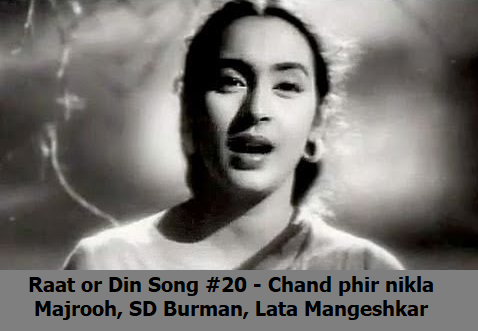
Song #20 Chand phir nikla magar tum naa aaye Theme-word: Ye raat kehti hai…
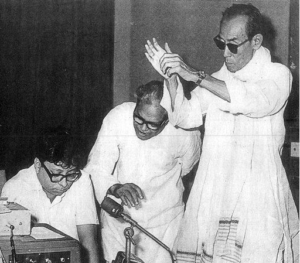
Remembering Majrooh Sultanpuri and SD Burman on Their Birth Anniversaries 01 Oct
RD Burman, Majrooh and SD Burman
The first song that was made by them together was also a Raat Song; sung by Geeta Roy (Not yet Dutt) for the 1950 movie Pyar: Woh sapne waali raat.
However, as I have already mentioned, it took the breakup between SD Burman and Sahir Ludhianvi for them to be together after the last movie of Sahir and SD Burman: the 1957 movie Pyaasa.
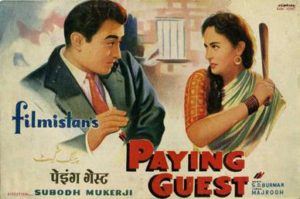
Paying Guest – 1957 Movie
(poster courtesy: en.wikipedia.org)
Paying Guest, the 1957 movie directed by Subhodh Mukherjee was their first movie after Pyar of 1950. It was a Filmistan movie: the production company started by Sashadhar Mukherjee after separating from Himanshu Rai and Devika Rani’s production company Bombay Talkies.
Paying Guest was one of the four movies that paired Dev Anand and Nutan. Indeed it was the first. The others are Barish (1957), Manzil (1960) and Tere Ghar Ke Saamne (1963). The last two were partly shot in my home-place Shimla.
Dev Anand is a Paying Guest (in the guise of an old man) in the house of a landlord whose daughter Nutan eventually falls in love with him and he too with her.
However, Shubha Khote as Chanchal has designs on him and he starts neglecting Nutan and she sings this song.
Chand phir nikala has been commented upon me in my blog. During those days, the passage of time used to be measured by the phases of the moon!
Lyrics
चांद फिर निकला, मगर तुम न आये
जला फिर मेरा दिल, करुँ क्या मैं हाय
चांद फिर निकला …
(ये रात कहती है वो दिन गये तेरे
ये जानता है दिल के तुम नहीं मेरे ) – २
खड़ी मैं हूँ फिर भी निगाहें बिछाये
मैं क्या करूँ हाय के तुम याद आये
चांद फिर निकला …
(सुलगते सीने से धुंआ सा उठता है
लो अब चले आओ के दम घुटता हैं ) – २
जला गये तन को बहारों के साये
मैं क्या करुँ हाय के तुम याद आये
चांद फिर निकला …
My Own Poetry
TU NAHIN TO CHANDNI RAAT KYA KARE?
चांदनी रात है पर तूं मेरे साथ नहीं,
बात तो कुछ है लेकिन वह बात नहीं।
भीगी फिजायें छू लेती हैं आके रुखसार,
उनसे क्या हो जब दिल में बरसात नहीं।
एक ज़माना था शाम ओ सेहर मिलते थे हम,
अब कभी मिलें ऐसे तो हालात नहीं।
लहरे उठती हैं उठ के चली जाती हैं,
दिल की धड़कन को बढ़ा दें इनकी औकात नहीं।
पेड़ों की छाओं में बैठे भी तो क्यूं हो जादू,
ठहरे कैसे ये समां जब हाथ में तेरा हाथ नहीं।
नज़रें रह रह के ढूंढती हैं तेरी नज़रें,
कहाँ है तू इतनी तो अंधेरी रात नहीं।
कैसे अब प्यार हमारा मुकाम तक पहुंचे,
ना तो तुम से न मुझ से जब शुरुआत नहीं।
हम नहीं मिलते यह ज़माने की है पाबंदी,
क्यूं कहती हो, रवि, तेरे दिल में जज़्बात नहीं।
Lata Mangeshkar
It has become fashionable with some people to look for songs from Asha and Geeta Dutt as relief from Lata ji. However, she continues being my favourite female singer and it is a joy to listen to her especially in such songs.
Ladies and Gentlemen, please enjoy: Chand phir nikla…
I hope you liked my choice of Song #20 in Raat or Din series.
I started this series on my Facebook group Yaad Kiya Dil Ne on 23 Aug 20. Since then, many other members have put up these songs. Here, I shall be giving you one of my own, per day.
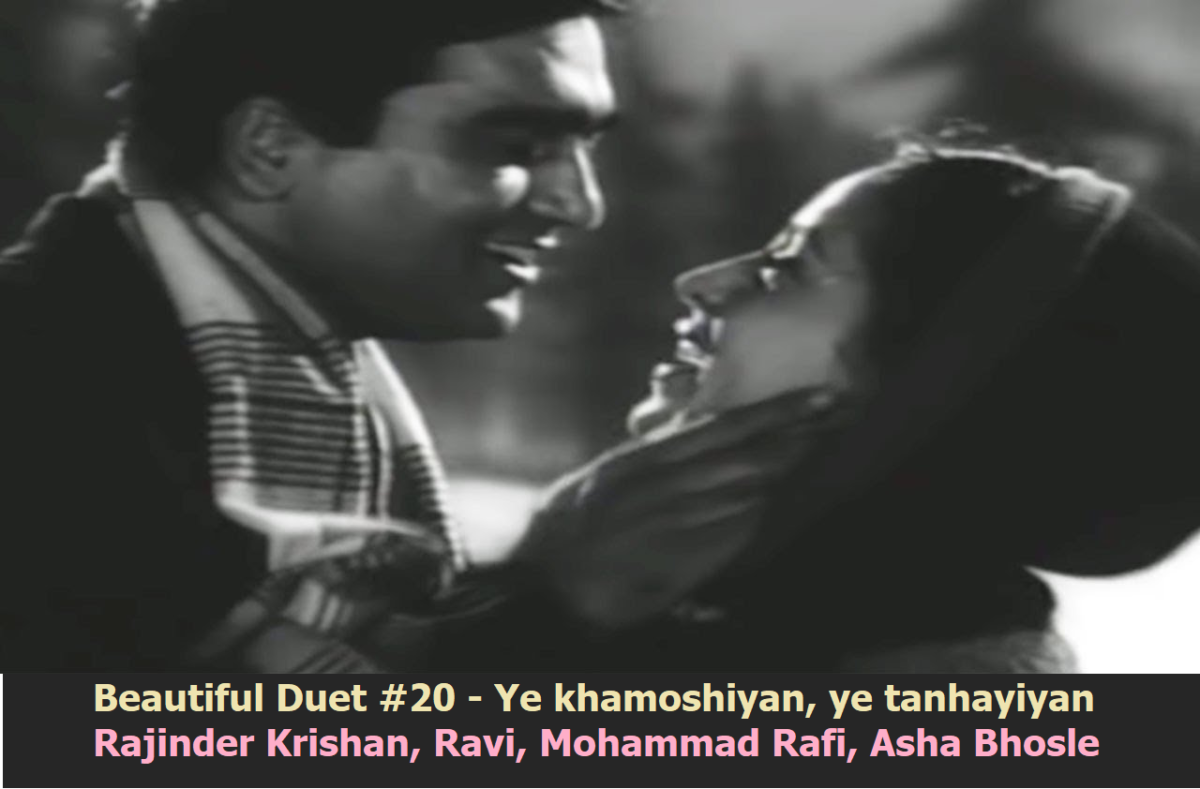
Song #20 Ye khamoshiyan ye tanhayiyan, Mohabbat ki duniya hai kitani jawan
A Naval Love Story
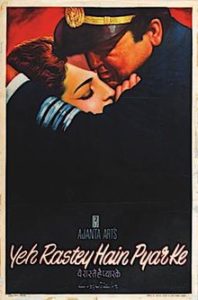
RK Nayyar’s 1963 movie Yeh Raaste Hain Pyar Ke was based on the case of navy Commander KM Nanavati who returned from sailing and shot dead the lover of his wife.
Indian Navy is the fifth largest navy in the world and has proved itself in various combat situations. However, as seen by Hindi films industry (some people have bastardised the name of the industry as Bollywood to convey that it is only a copy of Hollywood and doesn’t have any independent standing), the only thing about the Navy that interests them is this love story or triangle. So much is the appeal that it was remade into 1973 movie Achanak and 2016 movie Rustom.
RK Nayyar was, of course, three years away from marrying the actress Sadhana.
The movie starred Sunil Dutt, Leela Naidu and Rehman who was killed by Sunil Dutt and Ashok Kumar acted as the advocate Byomkesh Mukherjee. Byomkesh, for Bengalis, is a popular fictional detective and there has been recently (2015) movie made by Dipakar Banerjee: Detective Byomkesh Bakshy with Sushant Rajput playing the title role.
Rajinder Krishan and Ravi
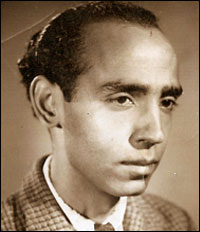
Rajinder Krishan
Two days ago, we had the Death Anniversary of Rajinder Krishan. His son, Rajesh Duggal presented a three hours programme of his songs sung by Dr Rahul Joshi, Dhanashree, Meenakshi, Satish Sawant and Pankaj Chaturvedi. The others were, of course, just alright singers; but, Rahul and Dhanashree were excellent and in some songs even outstanding. One of the songs sung by the lead singers was this, which was originally sung by Mohammad Rafi and Asha Bhosle.
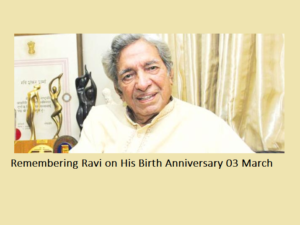
One can call it an unforgettable song both for its lyrics that silently touch your heart in many ways and its sensitive handling by Ravi. Here are the lyrics for you to appreciate:
ये खामोशियाँ, ये तन्हाईयाँ
मोहब्बत की दुनिया है कितनी जवाँ
ये खामोशियाँ, ये तन्हाईयाँ…
ये सर्दी का मौसम बदन काँपे थर-थर
ये है बर्फ का ढेर या संगमरमर
बना लें ना क्यों अपनी जन्नत यहाँ
ये खामोशियाँ, ये तन्हाईयाँ…
ये ऊँचे पहाड़ों के मगरूर साये
ये कहते हैं उनको नज़र तो मिलाए
फ़रिश्ते भी हैं इस जगह, बेज़ुबां
ये खामोशियाँ, ये तन्हाईयाँ…
न पर्दा है कोई, न है कोई चिलमन
जहाँ पाँव रख दें, है फिसलन ही फिसलन
कदम छोड़ते जा रहे हैं निशाँ
ये खामोशियाँ, ये तन्हाईयाँ…
These are the kind of lyrics that you often find in the songs of someone who loved Khamoshi, Sannata, Chup i lagi hai: Hemant Kumar.
My Own Poetry
Silence, Khamoshi, Chup are some of the things that are closest to my heart in my own poetry (I have been giving you my own poems with almost all songs).
Here is one on: Sound of Silence
शोर ओ गुल में रूह की आवाज़ को भी सुन,
नूर ओ रंग में इस दबे राज़ को भी सुन।
बहुत दिलकश हैं ज़िन्दगी के हसीन नग़मे,
पर दूर कहीं बज रही है यह हल्की सी धुन।
फरेब-ऐ-नज़र है, सराब है, महज़ ग़ुबार है दुनिया,
जागते सोते चंद रोज़ के खवाइश-ऐ-ख्वाब न बुन।
रिश्ते, मुहबतें, याराने सब दिल ओ दिमाग की हैं बातें,
शहनाई की मुबारक धुन, घुंघरू की यह रूण झुन।
हमसफर रहे हैं अभी तक लालच, अना और खुद गर्ज़ी,
दौरान-ए-हयात में अब रहमत ओ रूहानियत भी चुन।
हंगामा-ए-जंगल में आवाज़ें बहुत रही हैं बुलंद,
गौर से, रवि, अब इस नन्हे परिंदे की भी सुन।
I started this series on my Facebook group Yaad Kiya Dil Ne on 18 Oct 20. Since then, many other members have put up these songs. Here, I shall be giving you one of my own, per day.
I hope you liked my choice for Song #18 – Aaj purani raahon se in Zindagi or Jeevan Songs series. Let’s start with Song #19.
Song 19 Tujhe kya sunayun main dilruba Theme-word: Teri ik nigaah ki baat hai, Meri Zindagi ka sawaal hai
Excellence of Lyrics
Majrooh was from that part of Uttar Pradesh that produced some of the greatest lyricists in Hindi movies: Kaifi from Azamgarh, Shakeel from Badayuni and he himself from Sultanpur. Many many years later, politically, it was said that the winners in UP normally made the government at the centre. That was the effect of people in that part of the world both poetically and politically.
By writing the theme-word line, Mahrooh simply made us understand why he was awarded the Dadasaheb Phalke Award, the highest in cinematic excellence, given by the government of India.
So, why just the theme-word line, with the superb use of Zindagi being compared to her one look, lets, at the outset, go through the lyrics:
तुझे क्या सुनाऊँ मैं दिलरुबा
तेरे सामने मेरा हाल है
तेरी इक निगाह की बात है
मेरी ज़िंदगी का सवाल है
मेरी हर ख़ुशी तेरे दम से है
मेरी ज़िंदगी तेरे ग़म से है
तेरे दर्द से रहे बेख़बर
मेरे दिल की कब ये मज़ाल है
तेरे हुस्न पर है मेरी नज़र
मुझे सुबह शाम की क्या ख़बर
मेरी शाम है तेरी जुस्तजू
मेरी सुबह तेरा ख़याल है
मेरे दिल जिगर में समा भी जा
रहे क्यों नज़र का भी फ़ासला
के तेरे बग़ैर ओ जान-ए-जां
मुझे ज़िंदगी भी मुहाल है
You would know that twice more Majrooh (Injured or Wounded) repeated Zindagi. What do you get out of this? He is thinking of Zindagi as something that is dependent on her, her gaze, her sorrow. You can’t be so aloof as to miss the excellence of lyrics.
Madan Mohan and Mohammad Rafi
With such beautiful lyrics, who is there to compose them? Well, the maestro: Madan Mohan himself. Recall what he did to Kaifi’s Main ye soch kar uske dar se utha tha? He transformed already great lyrics into something totally sublime. He did the same here.
And who is there to sing these? A man who could take ordinary lyrics and average compositions into great songs: Mohammad Rafi. And, if the lyrics are already great and composition already sublime, what does he do? According to me, he takes the song to a height that all other singers (without exception) cannot even imagine reaching.
Aakhri Dao – 1958 Movie
And now for the other relatively insignificant details. The song is from the 1958 Mahesh Kaul movie Aakhri Dao starring Nutan and Shekhar. He has been asked to sing in a picnic party and he sings, not to everyone, but only to her. She is uncomfortable with the revelation of his love for her in such intense words in front of everyone. You should see the way she looks and the way others, especially Shammi, looks at her.
My Own Poetry
Meri Zindagi Aapki Aankhon Tale
आपकी आँखों में मुझे वह झलक मिल जाती है,
ज़िन्दगी दफ़अतन और हसीन हो जाती है I
लोग देखते हैं प्यार दिलरुबा की आँखों में,
मुझे तो सारी कायनात नज़र आ जाती है I
ये आँखें नहीं हैं मेरी ज़िन्दगी की रहनुमा हैं,
ज़िन्दगी के मायने यकीनी मुझे समझाती हैं I
कई बार सोचता हूँ कह दूँ इनसे मैं दिल की बात,
क्या कहूं हया मेरी आंखों में छलक जाती है I
सबेरे का सूरज इनकी पलकें खुलने का इशारा है,
रात का अँधेरा पलक झुकने पे ले आती हैं I
ज़िन्दगी में लाखों ग़म इधर उधर बिखरे हों तो क्या,
ज़िन्दगी के सारे ग़म इनकी लौ भुलाती हैं I
मुझे अब इनके सिवा कुछ और न चाहिए, रवि,
जन्नत – ऐ – खुदा खुद बा खुद मिल जाती है I
The Song
Ladies and gentlemen, please enjoy: Tujhe kya sunayun main dilruba…
I hope you enjoyed my choice for Song #19 in the series.
I started this series on my Facebook group Yaad Kiya Dil Ne on 18 Aug 20. Since then, many other members have put up these songs. Here, I shall be giving you one of my own, per day.
Song #19
Main rickshaw wala, main rickshaw wala
Theme-word: Raat din har ghadi ek sawaal
Mehmood and Shubha Khote
They made a very good pair together; comedy with a message. You already know about their Saanjh Aur Savera song Ajhun na aaye baalma sawan beeta jaaye in which Mehmood as her music teacher, so as to progress their love, teaches her this song in Raag Madhuwanti and – hold your breath – holds the sitar like a guitar!
Indeed, a number of movies come to mind about their pairing: Beti Bete, Love in Tokyo, Bharosa, Dil Ek Mandir, Hamrahi, Ziddi, Sasural, Tumse Achha Kaun Hai, and Pocket Maar.
Chhoti Behan – 1959 Movie
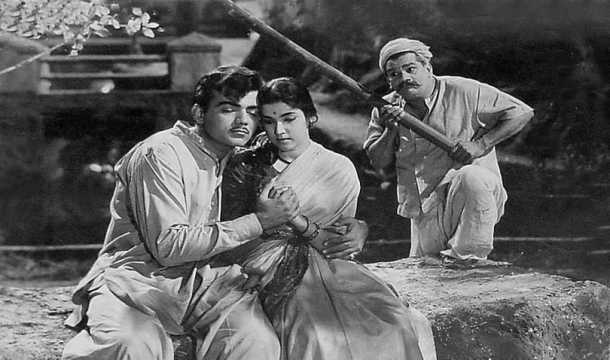
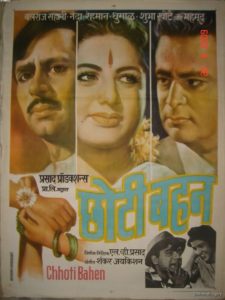
This movie was directed by Prasad and starred Nanda in the title role, supported by Balraj Sahni, Rehman, Mehmood and Shobha Khote. I already talked about their duet: Main rangeela pyar ka rahi.
This movie’s songs, as was the case with Saanjh Aur Savera, were composed by Shankar Jaikishan and written by Shailendra and Hasrat Jaipuri. This song was penned by Shailendra.
As you look at the lyrics, you will realise that I have chosen a song for you, supposedly by a comedian, but, a song with a message:
मैं रिक्शावाला मै रिक्शाला
हैं चार के बराबर ये दो टाँग वाला
कहाँ चलोगे बाबू कहाँ चलोगे लाला
मैं रिक्शावाला ...

दूर दूर दूर कोई मुझको बुलाए मुझको बुलाए
क्या करूँ दिल उसे भूल न पाए भूल न पाए
मैं रिशतें जोरूँ दिल के मुझे ही मंज़िल पे
कोई न पहुँचाए कोई न पहुँचाए
मैं रिक्शावाला ...

थी कभी चाँद तक अपनी ऊड़ान अपनी ऊड़ान
अब ये धूल ये सड़क अपना जहाँ अपना जहाँ
जो कोई देखे चौँकें उपरवाला भी सोचे
ये कैसा इनसान ये कैसा इनसान
मैं रिक्शावाला ...

रात दिन हर घड़ी एक सवाल एक सवाल
रोटीयां कम हैं क्योँ
क्योँ है आकाल क्योँ है आकाल
क्योँ दुनिया मे कमी हैं ये चोरी किसने की है
कहाँ है सारा माल कहाँ है सारा माल
मैं रिक्शावाला ...
I must also admit to you that I saw the movie when I was only a boy and two of the songs that I recall are this and Bhaiya more rakhi ke bandhan ko nibhana.
My Own Poetry
Shailendra chose to send the message through a rickshaw-wala, I chose to send it through a barber:
Corruption Ki Baat Mat Karo Bhai
Corruption की बात मत करो भाई
मैं तो ठहरा सिर्फ तुम्हारा नाइ
आपके बाल काट के चला जायूँगा
और फिर अगले महीने ही आयूंगा
यह नेता पांच साल में एक बार आता है
आपकी जेब काट के चला जाता है
रिश्वत लेने के लिए नए तरीके सोचता है
अपने साथ साथ अपने वोट भी बेचता है
मैं तो उस्तरे से करता हूँ तुम्हारी shave
ये बगैर उस्तरे के बनता है तुम्हें slave
मैं आपके बड़े हुए नाखून हूँ काटता
ये आपकी रगों से खून है चाटता
मैं बाल काटने के बाद आइना हूँ तुम्हें दिखता
ये भरी रौशनी में तारे तुम्हें गिनाता
मैं तुमसे पैसे लेके तुम्हें हूँ कुर्सी पे बिठाता
ये तुम्हारे पैसे से खुद कुर्सी पे चढ़ जाता
आप कहते हो मेरी कैंची तेज़ चलती है
इतनी तो नहीं जितनी इसकी जुबां उलगती है
आलिशान बंगले में इसकी लम्बी कार है
और कहता है के , “जनता ही की सरकार है”
मैं करता हूँ तेल लगा के तुम्हारी मालिश
ये करता है देश की दौलत को polish
मैं तुम्हारे सफ़ेद बाल करता हूँ काले
इसने करोरों रुपये swiss bank में लगा डाले
मेरे पास जो कुछ है मेरी अपनी कमाई है
इसने देश की दौलत अपने नाम करवाई है
सो मुझ से corruption की बात मत करो भाई
मैं तो ठहरा सिर्फ तुम्हारा नाइ
Ladies and gentlemen, please enjoy Mohammad Rafi singing for Mehmood: Main rickshaw-wala, main rickshaw-wala…
I hope you liked my choice of Song #19 in Raat or Din series.
I started this series on my Facebook group Yaad Kiya Dil Ne on 23 Aug 20. Since then, many other members have put up these songs. Here, I shall be giving you one of my own, per day.
Remembering Rajinder Krishan on His Death Anniversary 23 Sep
I have already given you a Raat song penned by this great lyricist. This one is a Raat, Chanda song as well as a beautiful duet. Please appreciate the lyrics penned by him:
ओ रात के मुसाफ़िर चन्दा ज़रा बता दे
मेरा क़ुसूर क्या है, तू फ़ैसला सुना दे

है भूल कोई दिल की आँखों की या ख़ता है
कुछ भी नहीं तो फिर क्यों मुझसे कोई खफ़ा है
मंज़ूर है वो मुझको जो कुछ भी तू सज़ा दे
मेरा क़ुसूर क्या है   ...

दिल पे किसी को अपने क़ाबू नहीं रहा है
ये राज़ मेरे दिल से आँखों ने ही कहा है
आँखों ने जो है देखा दिल किस तरह भुला दे
मेरा क़ुसूर क्या है   ...

ओ चाँद आसमां के, दम भर ज़मीं पे आजा
भूला हुआ है राही, तू रास्ता दिखा जा
भटकी हुई है नैया साहिल इसे दिखा दे
मेरा क़ुसूर क्या है   ...
This is the third beautiful Raat and Chand song as a Beautiful Duet, put up by me after Dum bhar jo udhar moonh phere from Awaara and Aaja sanam madhur chandni mein hum tum from 1956 movie Chori Chori.
One can safely conclude that Raat and Chand feature quite frequently in beautiful duets sung by lovers; sooner or later we shall also have Ye raatein ye mausam nadi ka kinara ye chanchal hawa.
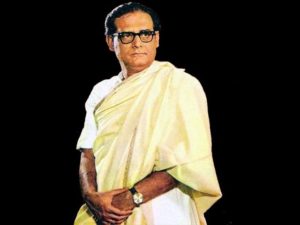
Rajinder Krishan and Hemant Kumar
They made a very popular pair of Lyricist and Music Director. Their 1954 movie Nagin is their most talked about association; each song is still talked about as if it was yesterday.
In 1957 LV Prasad movie and AVM Production: Miss Mary, they made some really memorable songs, eg,
Brindavan ka Krishna Kanhaiya.
Ye mard bade dilsard.
Sakhi ri sun bole papiha us paar.
Incidentally, their song from another 1957 movie together: Champakali: Chhup gaya koi re door se pukaar ke is a favourite of mine. It was picturised on Suchitra Sen.
This one is picturised on Gemini Ganesan and Meena Kumari. They have a working relationship since the family who wants to hire their services as teachers prefer a married couple and they accept the situation since they were out of job anyway. Little did they know that they would finally be in love too as you can see from this song. Meena Kumari, known as tragedy queen, was in a rare comic role in this movie.
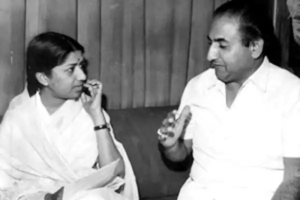
Mohammad Rafi and Lata Mangeshkar Again
As I have said any number of times, some of the finest duets in the Hindi movies were sung by them. This duet has the standard format: He sings one stanza, she sings the next one and then they sing one together. Dil ki nazar se is in this format but sung by Mukesh and Lata Mangeshkar.
Please enjoy: O raat ke mussafir chanda zara bata de…
I started this series on my Facebook group Yaad Kiya Dil Ne on 18 Oct 20. Since then, many other members have put up these songs. Here, I shall be giving you one of my own, per day.
It happened in this song and the movie Aadmi. Yesterday, on Chitragupta’s Birth Anniversary, I gave you a song in Beautiful Duet Series: Chand jaane kahan kho gaya. It was, I mentioned, for the 1962 A Bhimsingh movie Main Chup Rahungi. I had given you a list of movies directed by A Bhimsingh and mentioned that Aadmi of the year 1968 was one of them.
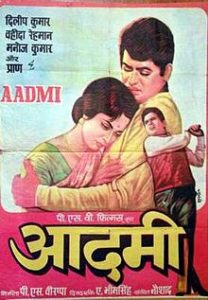
Aadmi – 1968 Movie
If 1962 movie Main Chup Rahungi was an AVM Production, ie, AV Meiyappan, this one was a PSV production, ie, PS Veerappa.
It starred Dilip Kumar, Waheeda Rehman, Pran (all of them had been in Dil Diya Dard Liya) and Bozo and Simi Grewal.
Just like Main Chup Rahungi, this too was a remake of a Tamil movie Aalayamani with Sivaji Ganesan doing the role that Dilip Kumar got.
Dilip Kumar is about to marry Waheeda Rehman and is paralysed (his acting on a wheelchair won him accolades). That’s the time he discovers that Waheeda is having an affair with Bozo. When he was small, Dilip Kumar had killed a boy who touched the doll of the girl he loved. Now, what was to happen!
This story enabled Shakeel and Naushad to give us the following songs:
“Aaj Purani Raahon Se Koi Mujhe Awaaz Na De” Mohammed Rafi
“Na Aadmi Ka Koi Bharosa” Mohammed Rafi
“Main Tooti Huyi Ek Naiya Hoon” Mohammed Rafi
“Kaisi Haseen Aaj Baharon Ki Raat Hai” Mohammed Rafi, Mahendra Kapoor
“Kal Ke Sapne Aaj Bhi Aana” Lata Mangeshkar
“Kaari Badariya Maare Nazariya” Lata Mangeshkar
Lyrics
Extraordinarily beautiful lyrics:
आज पुरानी राहों से, कोई मुझे आवाज़ न दे
दर्द में डूबे गीत न दे, गम का सिसकता साज़ न दे

बीते दिनों की याद थी जिनमें, मैं वो तराने भूल चुका
आज नई मंज़िल है मेरी, कल के ठिकाने भूल चुका
न वो दिल न सनम, न वो दीन-धरम
अब दूर हूँ सारे गुनाहों से

जीवन बदला दुनिया बदली, मन को अनोखा ज्ञान मिला
आज मुझे अपने ही दिल में, एक नया इनसान मिला
पहुँचा हूँ वहाँ, नहीं दूर जहाँ, भगवान की नेक निगाहों से

टूट चुके सब प्यार के बंधन, आज कोई ज़ंजीर नहीं
शीशा-ए-दिल में अरमानों की, आज कोई तस्वीर नहीं
अब शाद हूँ मैं, आज़ाद हूँ मैं, कुछ काम नहीं है आहों से
The Song
Ladies and gentlemen, please enjoy: Aaj purani raahon se…
I hope you enjoyed my choice for Song #18 in the series.
I started this series on my Facebook group Yaad Kiya Dil Ne on 18 Aug 20. Since then, many other members have put up these songs. Here, I shall be giving you one of my own, per day.
Song #18 Husn chala hai ishq se milne Theme-word: In the next line: Chand chhupa aur taare doobe Raat ghazab ki aayi
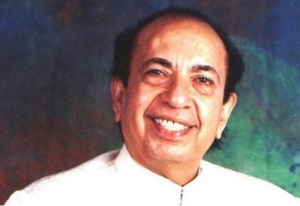
Remembering Mahendra Kapoor on His Death Anniversary 27 Sep
So fond he was of his guru Mohammad Rafi that one day, as related by Annu Kapoor on Mastii channel in a late night show, he was being felicitated on stage for his singing skills. He noticed the son of Mohammad Rafi, his guru, sitting in the audience. He called him on stage, touched his feet, garlanded him and said, “How can I be felicitated in a function that has the presence of the son of my guru?”
Yesterday, some people shared on WhatsApp late SP Balasubramanyam’s video of his washing the feet of his guru Yesudas and a question was asked whether such humility was ever found elsewhere. Okay, I have given an example.
And what about Mohammad Rafi himself? He stood outside the studio of Naushad the whole night once so that the latter would give him the bus fare to go home. Naushad was overwhelmed and said, “You could have just come inside any time rather than waiting the whole night outside.” Shocked, Rafi responded, “How could I disturb you in your work?”
Mahendra Kapoor, of course, has quite a few anecdotes of his humility. He also has quite a few of his songs that are now iconic. Chalo ek baar phir se readily comes to mind. There are many others. This song is his best as far as singing skills are concerned.
Sohni Mehiwal
Everyone knows the legend of Sohni Mehiwal, a tragic romance of Punjab and I am not going to repeat it. On this night when Mahendra Kapoor sang this iconic song, she was to take the journey across the river on her clay pitcher that she used every night to meet Mehiwal, her lover. Sohni’s sister-in-law had already discovered the place where Sohni kept the pitcher and replaced it with a kuchcha one so that the love affair would be over once and for all. Sohni undertook the journey and drowned. Mehiwal saw her drowning and jumped into the river himself to save her. The river was in spate and he drowned too and united with her in death.
This particular incident is so popular in folk-lore that Shobha Singh of Andretta made his famous painting Sohni Mehiwal (now in Chandigarh Art Museuam). I have a copy of it in Whispering Winds, Kandaghat.
This 1958 film (from where I have taken up this song) was directed by Raja Nawathe and starred Bharat Bhushan and Nimmi as Mehiwal and Sohni.
The Song
Shakeel Badayuni wrote about Love only (others were all part of Progressive Writers Movement and had Communist leanings) and he seems to have put in his best in this. His mentor Naushad has composed it so well. It was to be high pitch throughout and Naushad must have felt that Mahendra Kapoor’s voice was better suited for it. And indeed it was. Here are the lyrics:
चाँद छुपा और तारे डूबे रात ग़ज़ब की आई
हुस्न चला है इश्क़ से मिलने ज़ुल्म की बदली छाई

टूट पड़ी है आँधी ग़म की, आज पवन है पागल
काँप रही है धरती सारी, चीख रहे हैं बादल
दुनिया के तूफ़ान हज़ारों, हुस्न की इक तनहाई

मौत की नागन आज खड़ी है राह में फन फैलाये
जँगल-जँगल नाच रहे हैं शैतानों के साए
आज ख़ुदा खामोश है जैसे भूल गया हो ख़ुदाई

घोर अँधेरा मुश्किल राहें, कदम-कदम पे धोखे
आज मोहब्बत रुक न सकेगी, चाहे ख़ुदा भी रोके
राह-ए-वफ़ा में पीछे हटना, प्यार की है रुस्वाई

पार नदी के यार का डेरा, आज मिलन है तेरा
ओढ़ ले तू लेहरों की चुनरी बाँध ले मौज का सेहरा
डोले में मँझधार के होगी आज तेरी विदाई

डूब के इन ऊँची लेहरों में नैय्या पार लगा ले
उल्फ़त के तूफ़ान में ज़िन्दा रहते हैं मरने वाले
जीते-जी संसार में किसने प्यार की मंज़िल पायी

तेरे दिल के खून से होगा लाल चेनाब का पानी
दुनिया की तारीख में लिखी जायेगी येह क़ुर्बानी
सोहनी और महिवाल ने अपनी इश्क़ में जान गँवायी

coda : Lata, Rafi
हमारे प्यार के किस्से सुनाये जायेन्गे
येह गीत सारे ज़माने में गाये जायेन्गे
हम न होंगे फ़सान होगा (२)
आने वाले को आना होगा, जाने वाले को जाना होगा
Please enjoy: Husn chala hai ishq se milne…
I hope you liked my choice of Song #18 in Raat or Din series.
I started this series on my Facebook group Yaad Kiya Dil Ne on 23 Aug 20. Since then, many other members have put up these songs. Here, I shall be giving you one of my own, per day.
Some of the Hindi movies’ best duets and other songs were composed by him. His songs always ensured the success of movies such as Kashmir Ki Kali and Phir Wohi Dil Laaya Hoon and Phagun.
He made the kind of songs that were on everyone’s lips whether Ek pardesi mera dil le gaya or Aao huzoor tumako sitaron mein le chalun or Aayiye meharbaan baithiye jaan-e-jaan.
Of course he delved in Raaga based songs too and these too are among the best in Hindi movies. His favourite was Raag Peelu; eg, Jayiye aap kahan jayenge from Mere Sanam.
When it came to Comedy and Farce, he excelled there too.
This song, a duet between Asha Bhosle (Op Nayyar’s favourite singer) and Shamshad Begum (another favourite with OPN) is downright comical. Biswajeet and Babita are running away from the goons and there is, luckily for them, a nautanki going on. He become the female part of the duet and Babita as the male part. The name of the movie was Kismet; a Manmohan Desai movie before Desai laughed all the way to the bank by making movies on lost brothers: if it is two, it is Dharam Veer, if it is three it is Amar Akbar Antony.
Asha Bhosle sang for Babita and Shamshad Begum sang for Biswajeet.
SH Bihari’s lyrics are just too good.
My Own Poetry
Here is another comical poem:
Haay Yeh Hai Kaisi Majboori?
अब तो पाबंदी लग गई है छूने पे और मिलने पे,
पर तुम तो पहले भी रहती थी मुझसे ऐसे ही दूर।
करोना को क्यूं दें हम इल्ज़ाम ए मुहब्बत,
उस से पहले भी हम रहे हैं ऐसे ही मजबूर।
यही लॉकडाउन यही अकेलापन यही तन्हाई थी,
तुम वहां अपने आप में, मैं यहां अपने ही संग।
तुमने कहां कभी वह चिलमन गिराई थी?
कभी देखा ना था मुलाकात का कोई रंग।
हम तो मरने के लिए भी बैठे थे तैयार,
एक बार मिलने की हसरत गर हो जाती पूरी।
सांस फूल जाती, चड़ जाता तुम्हारा ही बुखार,
वेंटिलेटर पे हमें रख लेना हो जाता ज़रूरी।
चलो किस्मत वाले हैं वह जिनके हो तुम करीब,
हमसे तो रखती हो गजब का सोशल डिस्टेंस।
हम भी उन लोगों की तरह हैं गरीब,
खुशी का जिनकी ज़िन्दगी में नहीं कोई इंस्टेंस।
Please enjoy: Kajra mohabbat Wala…
कजरा मुहब्बत वाला
अँखियों में ऐसा डाला
कजरे ने ले ली मेरी जान
हाय रे मैं तेरे क़ुरबान
दुनिया है मेरे पीछे,
लेकिन मैं तेरे पीछे
अपना बना ले मेरी जान
हाय रे मैं तेरे क़ुरबान
कजरा मुहब्बत वाला
अँखियों में ऐसा डाला
कजरे ने ले ली मेरी जान
हाय रे मैं तेरे क़ुरबान
आई हो कहाँ से गोरी
आँखों में प्यार ले के
आई हो कहाँ से गोरी
आँखों में प्यार ले के
चढ़ती जवानी की ये
पहली बहार ले के
दिल्ली शहर का सारा
मीना बाज़ार ले के
दिल्ली शहर का सारा
मीना बाज़ार ले के
झुमका बरेली वाला,
कानों में ऐसा डाला
झुमके ने ले ली मेरी जान,
हाय रे मैं तेरे
दुनिया है मेरे पीछे,
लेकिन मैं तेरे पीछे
अपना बना ले मेरी जान
हाय रे मैं तेरे क़ुरबान
मोटर न बंगला माँगूँ,
झुमका न हार माँगूँ
मोटर न बंगला माँगूँ,
झुमका न हार माँगूँ
दिल को जलाने वाले,
दिल का क़रार माँगूँ
सैय्याँ बेदर्दी मेरे,
थोड़ा सा प्यार माँगूँ
सैय्याँ बेदर्दी मेरे,
थोड़ा सा प्यार माँगूँ
किस्मत बना दे मेरी,
दुनिया बसा दे मेरी
कर ले सगाई मेरी जान,
हाय रे मैं तेरे
कजरा मुहब्बत वाला
अँखियों में ऐसा डाला
कजरे ने ले ली मेरी जान
हाय रे मैं तेरे क़ुरबान
जब से है देखा तुझको,
हो गए गुलाम तेरे
जब से है देखा तुझको,
हो गए गुलाम तेरे
अपना बना ले गोरी,
आएंगे काम तेरे
अपना ये जीवन सारा
लिख देंगे नाम तेरे
अपना ये जीवन सारा
लिख देंगे नाम तेरे
कुर्ता ये जाली वाला,
उसपर मोतियन की माला
कुर्ते ने ले ली मेरी जान,
हाय रे मैं तेरे
I started this series on my Facebook group Yaad Kiya Dil Ne on 18 Oct 20. Since then, many other members have put up these songs. Here, I shall be giving you one of my own, per day.
I hope you liked my choice for Song #16 – Insaaf ki dagar pe in Zindagi or Jeevan Songs series. Let’s start with Song #17.
Song #17 Zindagi mein to sabhi pyar kiya karte hain
Monument for the Love of a Woman
Qateel Shefai
One is, of course, the physical one, the Taj Mahal, one of the Seven Wonders of the World and the other is this ghazal penned by Pakistani poet Qateel Shefai and made famous by Mehdi Hassan.
The fact of the matter is that, historically, in Islam, the treatment of women has been anything but single minded devotion by men, thanks to an interpretation that men are allowed to have more than one wife (for the simple reason that Prophet Mohammad during the seventh century wars, seeing the plight of women whose husbands had died in the war, asked men to take such women in their shelter by marrying them even if they were already married. This was certainly not meant as a conjugal relationship (take, for example, Mohammad having married Fatima who was just a child) but, as an insurance to provide for these destitute women.
So, lets take the case of Shahjehan who erected Taj Mahal for Mumtaz. In 1607 he was engaged to Anjuman Banu Begum who was later to become Mumtaz Mahal (Chosen one of the Palace). They were only 14 years old when they got engaged and waited five years to get married. So, during this wait Shahjehan married Khandari Begum and got his first daughter through her. Before Mumtaz died, Shajehan married another eight women. So, it was nowhere near single minded devotion depicted poetically.
It is, therefore, most unlikely, that Qateel Shefai, in his poetry claimed that he would stay true to his beloved even after death. It is just a ghazal that is not proven by any of their actions.
In India, when a daughter is born blind, she is named Sunaina. A poor guy is named Daulat or Ameer Khan. Hence, I think, the ghazal is to be taken in that spirit.
Single-Minded Devotion
Single minded devotion, is, however, traditional in Indian and more specifically Hindu culture.
Hence, it is no surprise that this Qateel Shefai ghazal sung by Mehdi Hassan is popular in India. Have a look at the lyrics:
ज़िंदगी में तो सभी प्यार किया करते हैं
मैं तो मर कर भी मेरी जान तुझे चाहूँगा
तू मिला है तो यह अहसास हुआ है मुझको
यह मेरी उम्र मोहब्बत के लिये थोड़ी है
इक ज़रा सा ग़म-ए-दौरां का भी हक़ है जिस पर
मैंने वोह साँस भी तेरे लिये रख छोड़ी है
तुझ पे हो जाऊँगा क़ुर्बान तुझे चाहूँगा
मैं तो मर कर भी मेरी जान तुझे चाहूँगा
अपने जज़बात में नग़मात रचाने के लिये
मैंने धड़कन की तरह दिल में बसाया है तुझे
मैं तसव्वुर भी जुदाई का भला कैसे करूँ
मैंने क़िस्मत की लकीरों से चुराया है तुझे
प्यार का बनके निगहबान तुझे चाहूँगा
मैं तो मर कर भी मेरी जान तुझे चाहूँगा
तेरी हर चाप से जलते हैं ख़यालों में चराग़
जब भी तू आये जगाता हुआ जादू आये
तुझको छू लूँ तो फिर ऐ जान-ए-तमन्ना मुझको
देर तक अपने बदन से तेरी ख़ुशबू आये
तू बहारों का है उनवान तुझे चाहूँगा
मैं तो मर कर भी मेरी जान तुझे चाहूँगा
ज़िंअगी में तो सभी प्यार किया करते हैं
मैं तो मर कर भी मेरी जान तुझे चाहूँगा
Excellent poetry this, as far removed from reality as possible.
My Own Poetry
Meri Zindagi Aapki Aankhon Tale
आपकी आँखों में मुझे वह झलक मिल जाती है,
ज़िन्दगी दफ़अतन और हसीन हो जाती है I
लोग देखते हैं प्यार दिलरुबा की आँखों में,
मुझे तो सारी कायनात नज़र आ जाती है I
ये आँखें नहीं हैं मेरी ज़िन्दगी की रहनुमा हैं,
ज़िन्दगी के मायने यकीनी मुझे समझाती हैं I
कई बार सोचता हूँ कह दूँ इनसे मैं दिल की बात,
क्या कहूं हया मेरी आंखों में छलक जाती है I
सबेरे का सूरज इनकी पलकें खुलने का इशारा है,
रात का अँधेरा पलक झुकने पे ले आती हैं I
ज़िन्दगी में लाखों ग़म इधर उधर बिखरे हों तो क्या,
ज़िन्दगी के सारे ग़म इनकी लौ भुलाती हैं I
मुझे अब इनके सिवा कुछ और न चाहिए, रवि,
जन्नत – ऐ – खुदा खुद बा खुद मिल जाती है I
The Ghazal
Ladies and gentlemen, please enjoy: Zindagi mein to sabhi pyar kiya karte hain…
I hope you enjoyed my choice for Song #17 in the series.
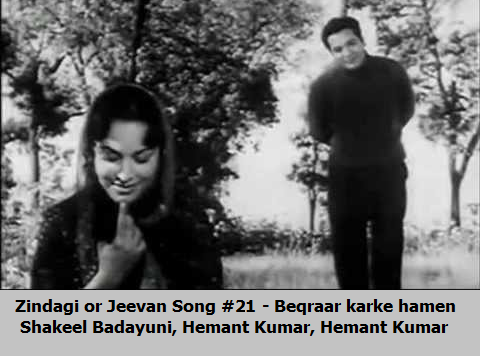
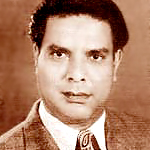 No matter who and where you are; you do deserve a song by Shakeel Badayuni, every now and then. And this is from the 1962 Biren Nag Film Bees Saal Baad for whose song Kahin deep jale kahin dil Shakeel received his third (of the only hat-trick in Hindi movies) Filmfare Award for Best Lyricist and Lata Mangeshkar received Best Playback Singer (Female) Award.
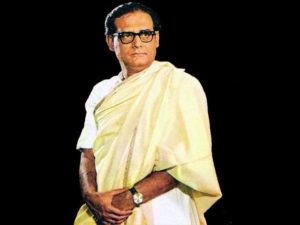 Hemant Kumar was one singer who would at the fastest transport you to the world of the lyrics of the song. So, if he sang Sahir’s Pedon ki shaakhon pe soyi soyi chandini, or Kaifi’s Raat haseen ye chand haseen tu sabse haseen mere dilwar, your imagination donned wings and you didn’t hear him from far; you were already there at the scene of the song (even if you had never seen the video!)
 The movie was based on Arthur Conan Doyle’s Sherlock Holmes story The Hound of Baskervilles. It starred Biswajeet and Waheeda Rehman in the lead roles. It was the most super hit movie of 1962 thanks, to a great extent to Shakeel – Hemant Kumar songs.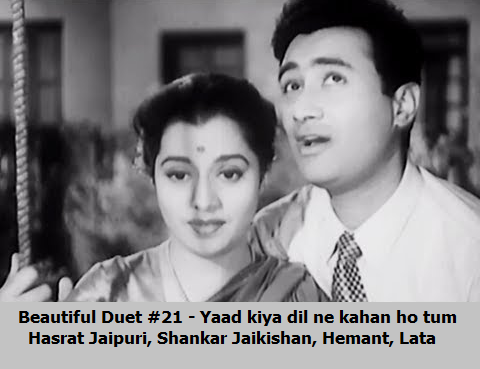
 However, here we are with the title song of the group from the 1953 Amiya Chakrabarty movie Patita starring Dev Anand and Usha Kiran, both of whom feature in this truly iconic song that we shall never be able to get out of our system. Hemant Kumar sang for Dev Anand and Lata ji sang for Usha Kiran.
 The song was penned by my behna Kishwar Jaipuri’s dad Hasrat Jaipuri and composed by the duo who were the best in the world. Even after so many years, Hasrat ji and Shankar Jaikishan ji never fail to wow us. This song, of course, is very special to this group and not just a beautiful duet. Each word is imprinted on our hearts; each word fills us with precious memories; each note touches the chords of our hearts: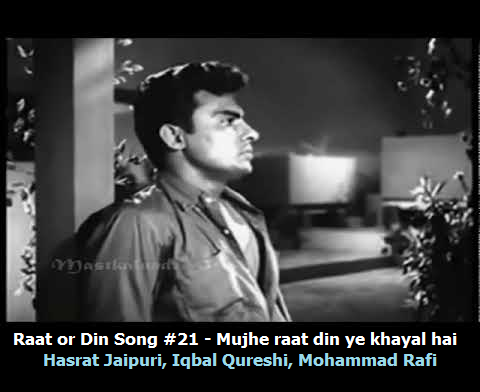
 This movie Oomar Qaid, a movie of 1961, has Aspi Irani directing it and Mohan Choti, Helen, Sheikh Mukhtar, Mukri, Nazima and Sudhir in the lead roles.
 The song with very beautiful and expressive lyrics was penned by Kishwar Jaipuri’s father Hasrat Jaipuri and composed most beautifully by Iqbal Qureshi. It is simply the best and most memorable song of the movie.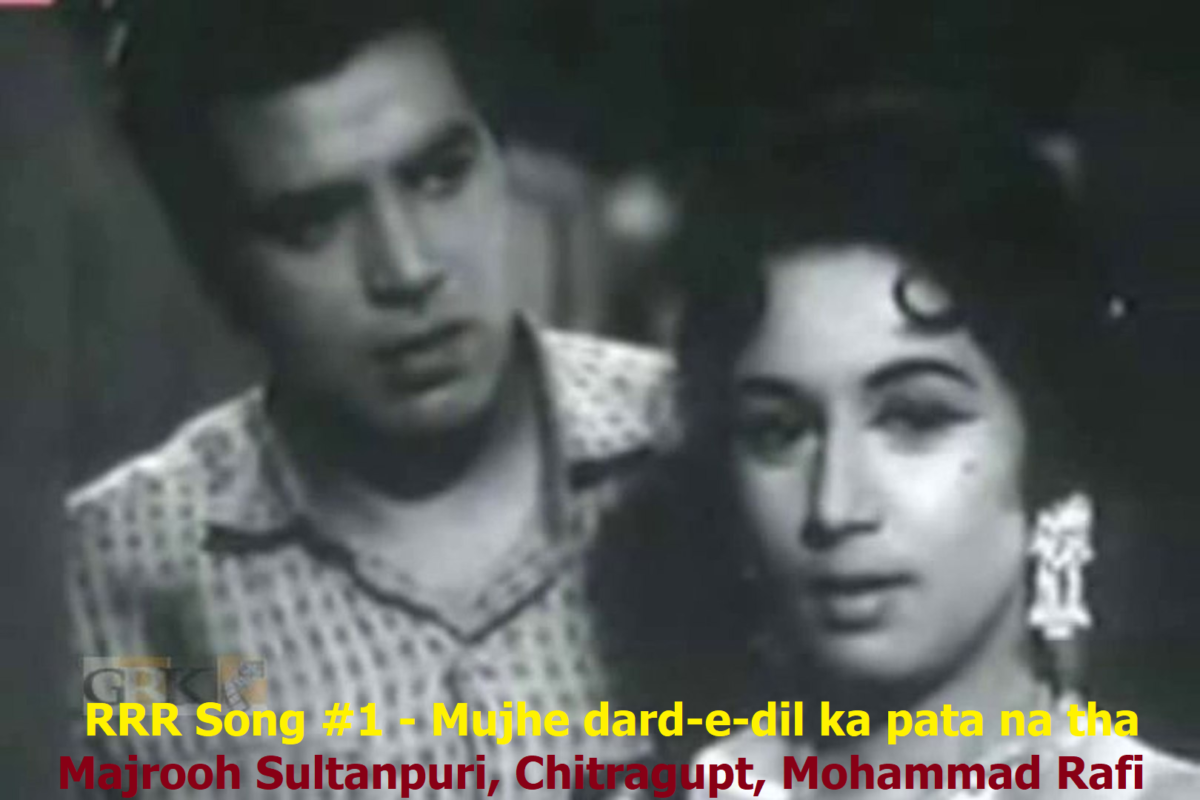
 After making my more than a dozen groups and pages, I have spent more time on YKDN than on any other group or page. Hence, I can be excused saying it with Majrooh Sultanpuri:
 This movie was directed by Phani Majumdar for the primary reason that sometime or the other I shall be able to use this as an RRR Song. Thank you Phani, thank you Majrooh, thank you Chitragupt and thank you Mohammad Rafi. If you guys hadn’t given me this song, I won’t have known how to start my RRR Series.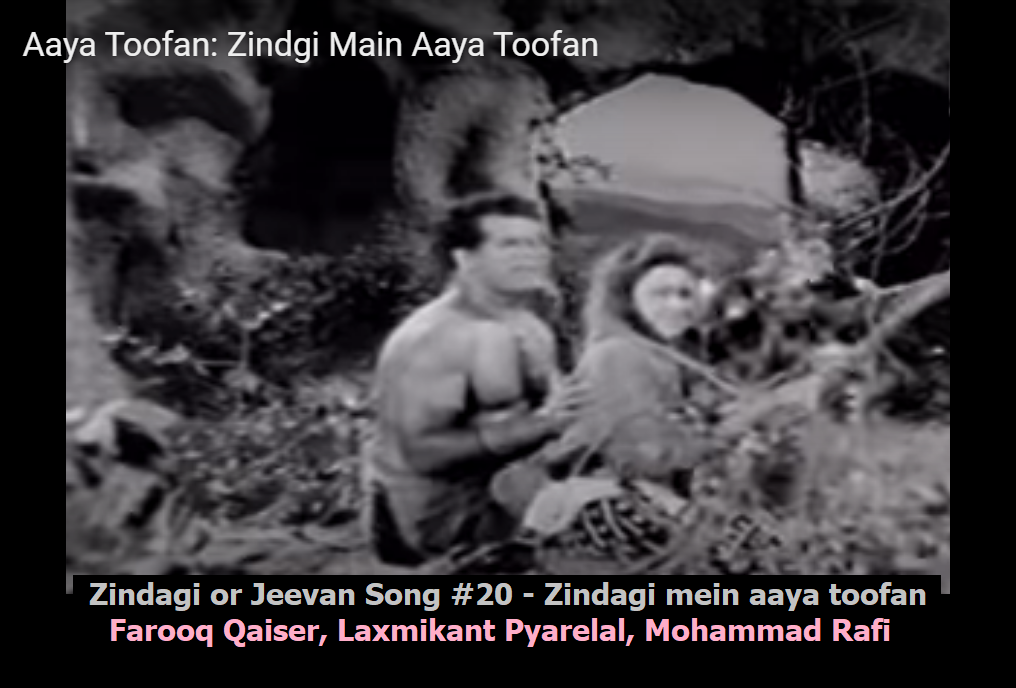

 RK Nayyar’s 1963 movie Yeh Raaste Hain Pyar Ke was based on the case of navy Commander KM Nanavati who returned from sailing and shot dead the lover of his wife.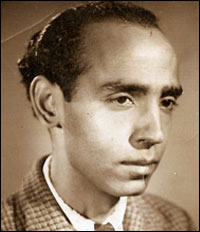
 One can call it an unforgettable song both for its lyrics that silently touch your heart in many ways and its sensitive handling by Ravi. Here are the lyrics for you to appreciate: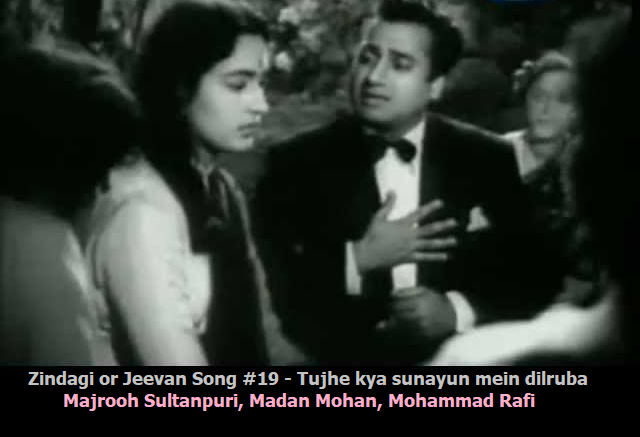
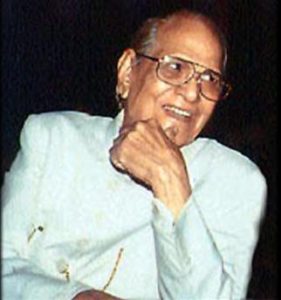 Majrooh was from that part of Uttar Pradesh that produced some of the greatest lyricists in Hindi movies: Kaifi from Azamgarh, Shakeel from Badayuni and he himself from Sultanpur. Many many years later, politically, it was said that the winners in UP normally made the government at the centre. That was the effect of people in that part of the world both poetically and politically.
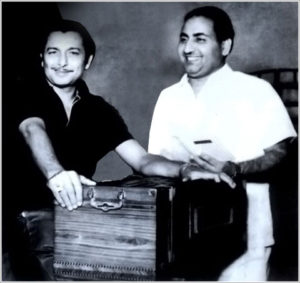 With such beautiful lyrics, who is there to compose them? Well, the maestro: Madan Mohan himself. Recall what he did to Kaifi’s Main ye soch kar uske dar se utha tha? He transformed already great lyrics into something totally sublime. He did the same here.
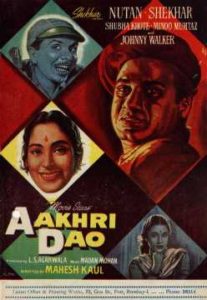 And now for the other relatively insignificant details. The song is from the 1958 Mahesh Kaul movie Aakhri Dao starring Nutan and Shekhar. He has been asked to sing in a picnic party and he sings, not to everyone, but only to her. She is uncomfortable with the revelation of his love for her in such intense words in front of everyone. You should see the way she looks and the way others, especially Shammi, looks at her.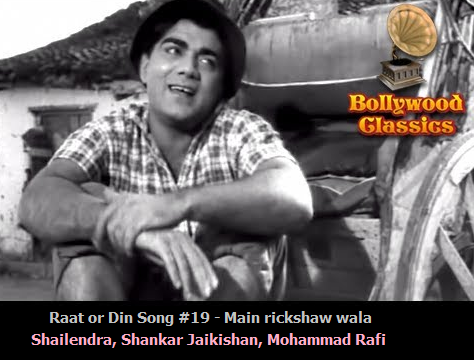
 This movie was directed by Prasad and starred Nanda in the title role, supported by Balraj Sahni, Rehman, Mehmood and Shobha Khote. I already talked about their duet: Main rangeela pyar ka rahi.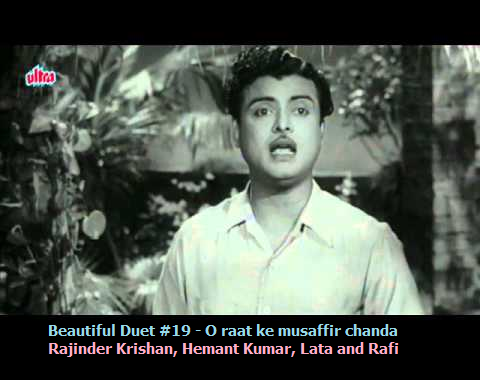
 I have already given you a Raat song penned by this great lyricist. This one is a Raat, Chanda song as well as a beautiful duet. Please appreciate the lyrics penned by him:
 They made a very popular pair of Lyricist and Music Director. Their 1954 movie Nagin is their most talked about association; each song is still talked about as if it was yesterday.
 As I have said any number of times, some of the finest duets in the Hindi movies were sung by them. This duet has the standard format: He sings one stanza, she sings the next one and then they sing one together. Dil ki nazar se is in this format but sung by Mukesh and Lata Mangeshkar.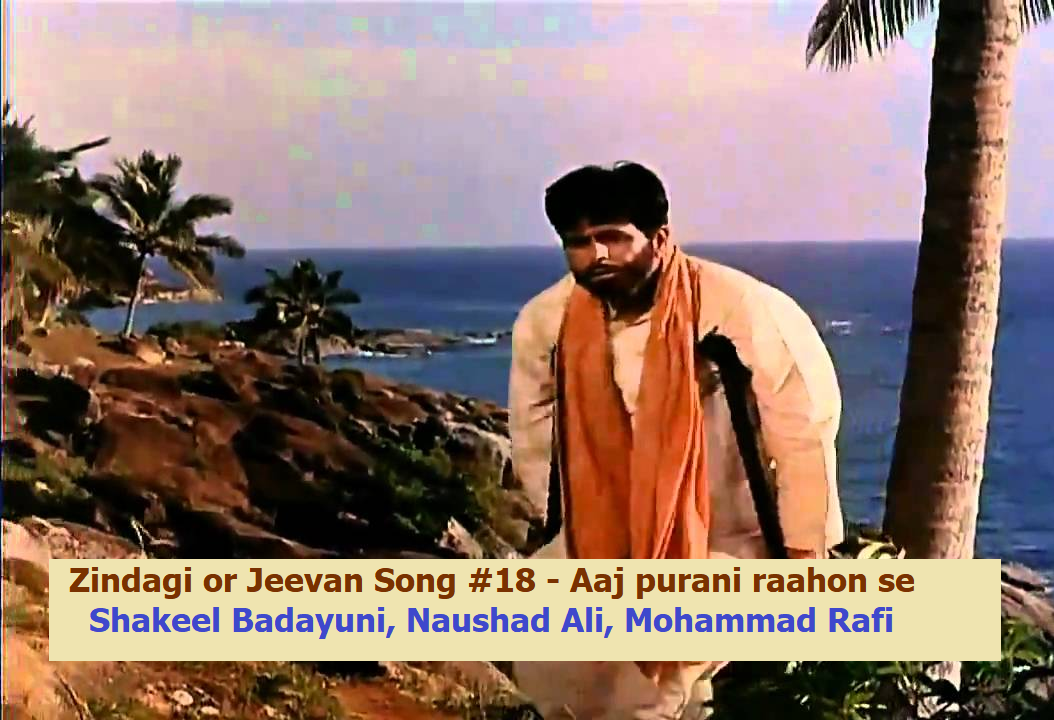
 It happened in this song and the movie Aadmi. Yesterday, on Chitragupta’s Birth Anniversary, I gave you a song in Beautiful Duet Series: Chand jaane kahan kho gaya. It was, I mentioned, for the 1962 A Bhimsingh movie Main Chup Rahungi. I had given you a list of movies directed by A Bhimsingh and mentioned that Aadmi of the year 1968 was one of them.
 So fond he was of his guru Mohammad Rafi that one day, as related by Annu Kapoor on Mastii channel in a late night show, he was being felicitated on stage for his singing skills. He noticed the son of Mohammad Rafi, his guru, sitting in the audience. He called him on stage, touched his feet, garlanded him and said, “How can I be felicitated in a function that has the presence of the son of my guru?”
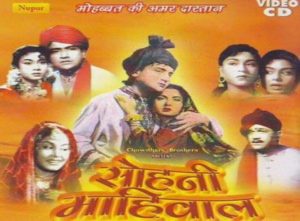 Everyone knows the legend of Sohni Mehiwal, a tragic romance of Punjab and I am not going to repeat it. On this night when Mahendra Kapoor sang this iconic song, she was to take the journey across the river on her clay pitcher that she used every night to meet Mehiwal, her lover. Sohni’s sister-in-law had already discovered the place where Sohni kept the pitcher and replaced it with a kuchcha one so that the love affair would be over once and for all. Sohni undertook the journey and drowned. Mehiwal saw her drowning and jumped into the river himself to save her. The river was in spate and he drowned too and united with her in death.
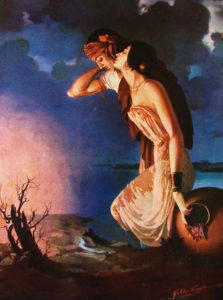 This particular incident is so popular in folk-lore that Shobha Singh of Andretta made his famous painting Sohni Mehiwal (now in Chandigarh Art Museuam). I have a copy of it in Whispering Winds, Kandaghat.
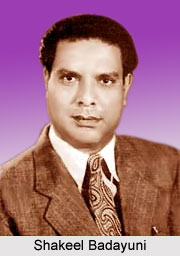 Shakeel Badayuni wrote about Love only (others were all part of Progressive Writers Movement and had Communist leanings) and he seems to have put in his best in this. His mentor Naushad has composed it so well. It was to be high pitch throughout and Naushad must have felt that Mahendra Kapoor’s voice was better suited for it. And indeed it was. Here are the lyrics: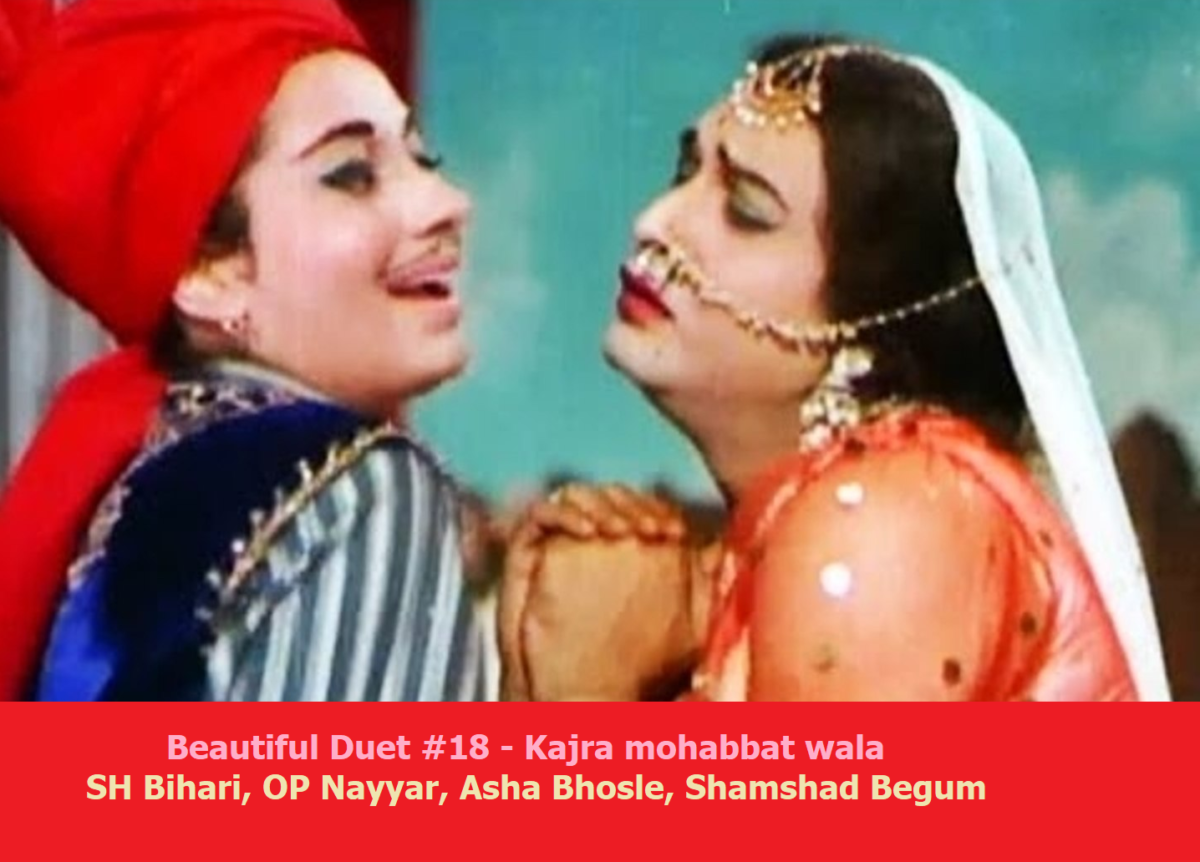
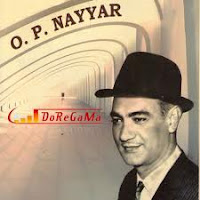 Some of the Hindi movies’ best duets and other songs were composed by him. His songs always ensured the success of movies such as Kashmir Ki Kali and Phir Wohi Dil Laaya Hoon and Phagun.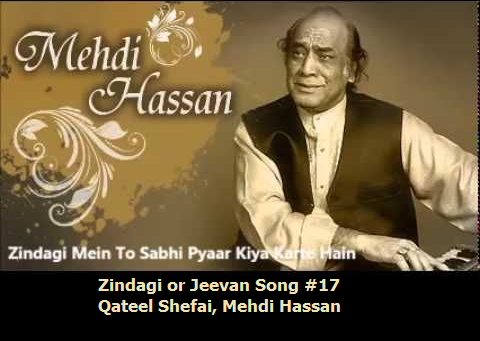
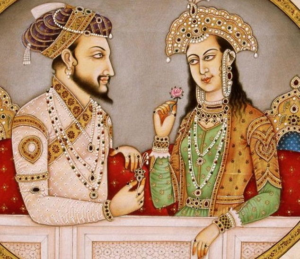 So, lets take the case of Shahjehan who erected Taj Mahal for Mumtaz. In 1607 he was engaged to Anjuman Banu Begum who was later to become Mumtaz Mahal (Chosen one of the Palace). They were only 14 years old when they got engaged and waited five years to get married. So, during this wait Shahjehan married Khandari Begum and got his first daughter through her. Before Mumtaz died, Shajehan married another eight women. So, it was nowhere near single minded devotion depicted poetically.