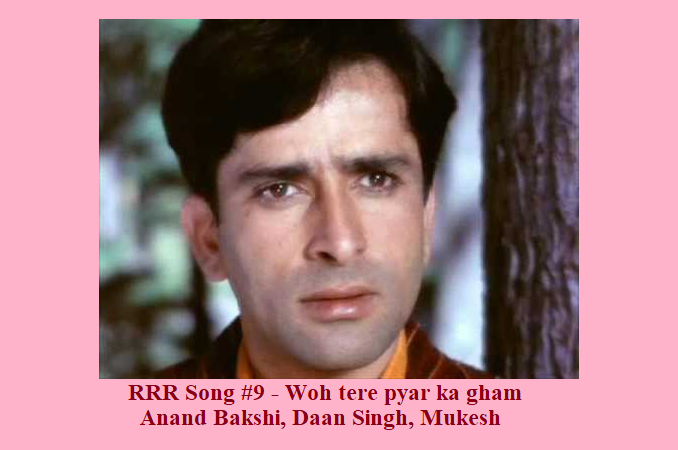
RRR Songs (Songs of Regret, Repentance and Ruefulness)
I started this new series on 17 Jan 21 on my Facebook Group Yaad Kiya Dil Ne. My efforts failed to involve people in writing their own stuff about songs and music rather than copying and pasting from here and there or worse, just sharing url of songs from YouTube. Hence, I had decided to give the group a burial that it deserved rather than making it like thousands of groups on Facebook about songs with nothing unique about them at all.
Hence this series shifted to my page Lyrical.
I hope you liked RRR Song #8: Jaane kahan gaye woh din. Here is the next song:
Song #9
Woh tere pyar ka gham
An Acceptance of One’s Kismet or Destiny
My favourite book Sri Guru Granth Sahib calls it Keerat or something that has been pre-ordained for you. There are people who opposed this concept by the Concept of Free Will that tends to say that everyone is a master of one’s destiny. However, even sages like Swami Vivekanand accepted that the Concept of Free Will is intrinsically flawed and that one has to travel outside the universe to be able to exercise Free Will.
Either way, we accept the diktats of Destiny in varying degrees. We accept that Destiny plays a significant role in the Life of a Man.
Anand Bakshi
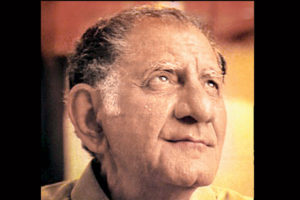 Until Sameer (Anjaan’s son) came on the scene as a Lyricist, Anand Bakshi had been the most versatile lyricist in Hindi movies. With Laxmikant Pyarelal alone, he wrote songs for 302 movies, with another hundred or so with RD Burman.
In this song, he brings out this concept of Destiny, albeit in a defeatist manner, the favourite genre of singing for Mukesh. The ruefulness in this song is palpable.
Have a look at the lyrics:
वो तेरे प्यार का ग़म, एक बहाना था सनम
अपनी क़िस्मत ही कुछ ऐसी थी
के दिल टूट गया
ये ना होता तो कोई दूसरा ग़म होना था
मैं तो वो हूँ जिसे हर हाल में बस रोना था
मुस्कुराता भी अगर, तो छलक जाती नज़र
अपनी क़िस्मत ही कुछ ऐसी थी
के दिल टूट गया…
वरना क्या बात है तू कोई सितमगर तो नहीं
तेरे सीने में भी दिल है कोई पत्थर तो नहीं
तूने ढाया है सितम, तो यही समझेंगे हम
अपनी क़िस्मत ही कुछ ऐसी थी
के दिल टूट गया…
वो तेरे प्यार का ग़म, एक बहाना था सनम
अपनी क़िस्मत ही कुछ ऐसी थी
के दिल टूट गया…
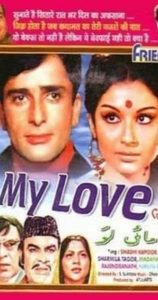 Here, Anand Bakshi, writing for Shashi Kapoor in the 1970 S Sukhdev movie My Love (with Sharmila Tagore) blames his broken heart in Love to his Destiny. Indeed, he adds that if it hadn’t been this sorrow, it would have been some other but he was destined to face sorrows!
Daan Singh – The Composer
 At first, a few words about its composer Daan Singh (1927-2011). He was one of the most neglected music directors of Hindi films, yet he composed many everlasting melodies, especially the ones with Mukesh.
Daan Singh received musical training from the composer Khemchand Prakash. It’s said that he was taught only Raag Bhairavi for the first 18 months! His professional career started with AIR Jaipur before he shifted to Bombay and started working as Prakash’s assistant. He did get work as a music director for a number of 1960’s movies incl. Bhool Na Jaana, Bahadur Shah Zafar and Matlabi; but none of these see the light of day! However, many songs of Bhool Na Jaana (with Lyrics by Gulzar), became very popular, including three Mukesh solos Pukaro Mujhe Naam Lekar Pukaro, Gham-e-Dil Kisse Kahoon, and Gora Tera Mukhda. He then had a few movies that finally made it to the public before “My Love”. But, despite his huge talent, he couldn’t get much money or name in the Bombay atmosphere, went back to Jaipur and retired there as the Station Music Director.
The 1970 movie “My Love”, directed by S. Sukhdev, didn’t do particularly well at the box office despite its cast that included Shashi-Sharmila duo, Laxmi Chhaya (for multiple dances), Azra, Rajendra Nath, Madan Puri, Nirupa Roy, Jayant and Raj Mehra. Both of the lead actors showed excellent acting and emoting. There was so much else to attract the public including its beautiful scenes of Kenya, the wild life and the world-famous East African Safari. And, it’s soundtrack of seven songs, with many of these becoming very popular.
Daan Singh’s special talent with Mukesh received special acclaim with two iconic songs of this movie. In addition to this soulful heart-wrenching Mukesh song/ghazal (full of pathos and deep anguish that Mukesh had a unique knack of bringing out), the movie had another memorable one: “Zikar hota hai jab qayamat ka, tere jalwon ki baat hoti hai”. During a function in memory of Mukesh, he had said “Mukesh ji understood the Lyrics very well. Anyone, be it a singer, composer, movie director or sound recordist, can excel in his field if he has such deep knowledge of lyrics.”
Mukesh, the legend, will always stay with us through his magical songs. And, we can only plead with him “O Jaanae Wale Ho Sake To Laut Ke Aana”!
My Own Poetry
Powers of Mind Vs Destiny
Today I want to talk about Mind again,
Even if it appears I’ve said it before.
Each one has been given a most powerful brain,
All that we need to do is its powers to explore.
The entire universe exists because of it,
A man without it is a total misfit.
It has been given powers to remember and record.
An equally great power is to forget.
Generations of data it has in it stored,
Both the powers can be liability or asset.
Mind can travel much faster than Light,
It can see far beyond the eyesight.
Mind is far ahead of the computers it designs,
It’s powers appear to be unlimited.
It breaks the shackles of all confines,
It can be slave to the wise and master to the dim-witted.
It can be trained to give what you demand,
Or it can enslave you under its command.
Those who know how to conquer their Mind,
Have in their control the whole universe.
They’re not to their destiny resigned.
Imagination for them is never a curse.
Mind helps its owner to find its Creator,
Mind knows there is no one who’s greater.
The Song
Please enjoy: Woh tere pyar ka gham….
I hope you liked Song #9 in this series.
Please await Song #10: Aakhri geet mohabbat ka suna loon.
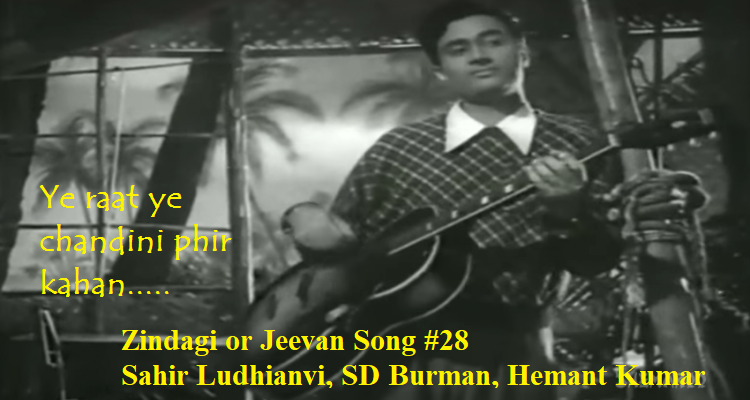
 This was a negative role by Dev Anand (not a good guy but a con-man Tony) and the only movie in which the director Guru Dutt used religion (Catholic faith of Goan fisherwoman Maria played by Geeta Bali (superbly portrayed by her) to resist the seduction of Dev Anand as the deceitful man Tony Fernandez.
 Hemant Kumar sang only 17 songs (duets included) that were picturised on Dev Anand. And yet, each one is unforgettable. Chup hai dharti, chup hai chand sitaare, Teri duniya mein jeene se to behtar hai ke mar jaayen, and Hai apna dil to awaara are some that easily come to mind in addition to the two that I have mentioned.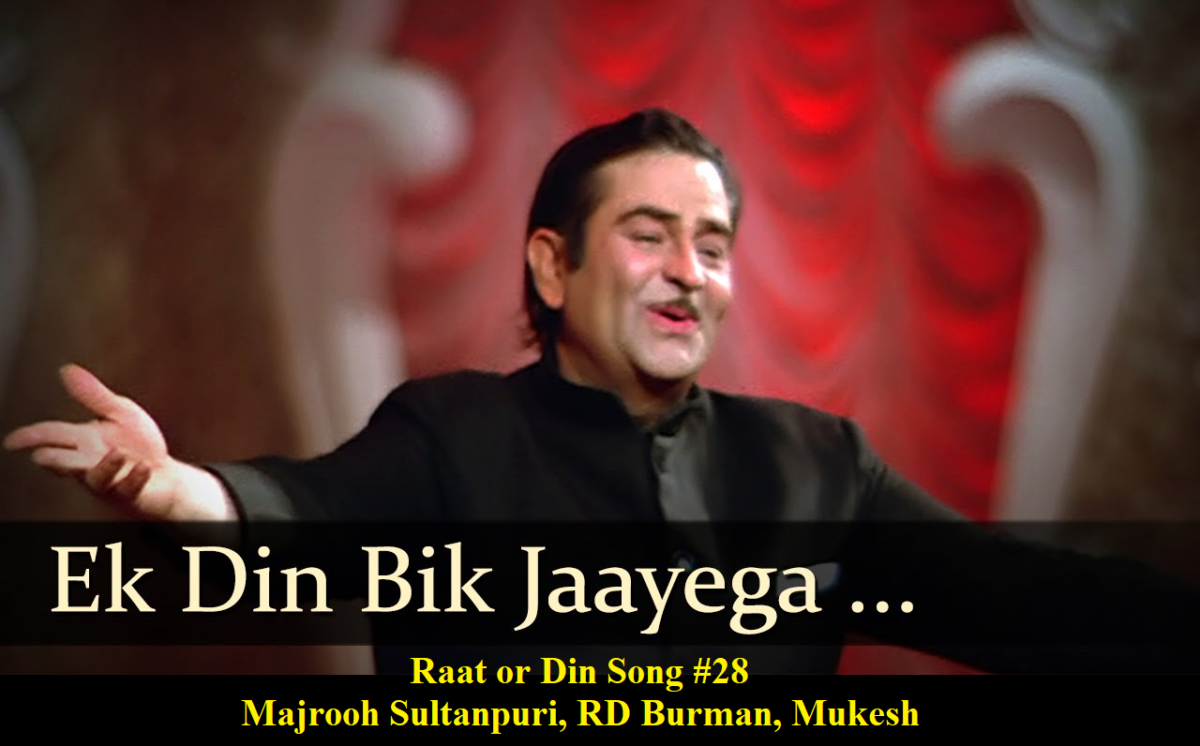
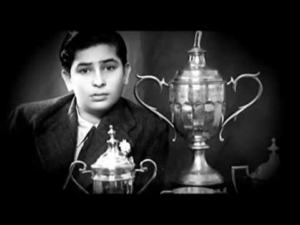 Prithviraj Kapoor introduced Raj Kapoor in the 1935 Debaki Bose movie Inquilab, at the age of only ten years. The movie had Kidar Sharma as a set painter and bit role, also procured through Prithviraj Kapoor. He was so grateful to Prithviraj Kapoor that when he directed his first movie Neel Kamal in 1947 (the longest run by Madhubala in this movie whilst singing a song!), he took Raj Kapoor as the hero in his debut role as hero.
 Twenty eight years later, at the age of nearly 51 years, Raj Kapoor was still going strong after having spent 41 years of acting in Hindi movies. The name of the movie was Dharam Karam, a movie produced by Raj Kapoor and directed by his song Randhir Kapoor.
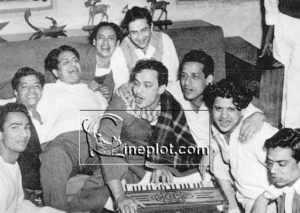 Prithviraj Kapoor initially and then Raj Kapoor set up a team in Hindi movies that made the best movies and songs: Shankar Jaikishan as Music Director, Hasrat Jaipuri and Shailendra as Lyricists, KA Abbas as story teller, Radhu Karmakar as cinematographer and so on.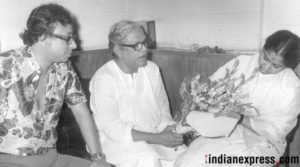
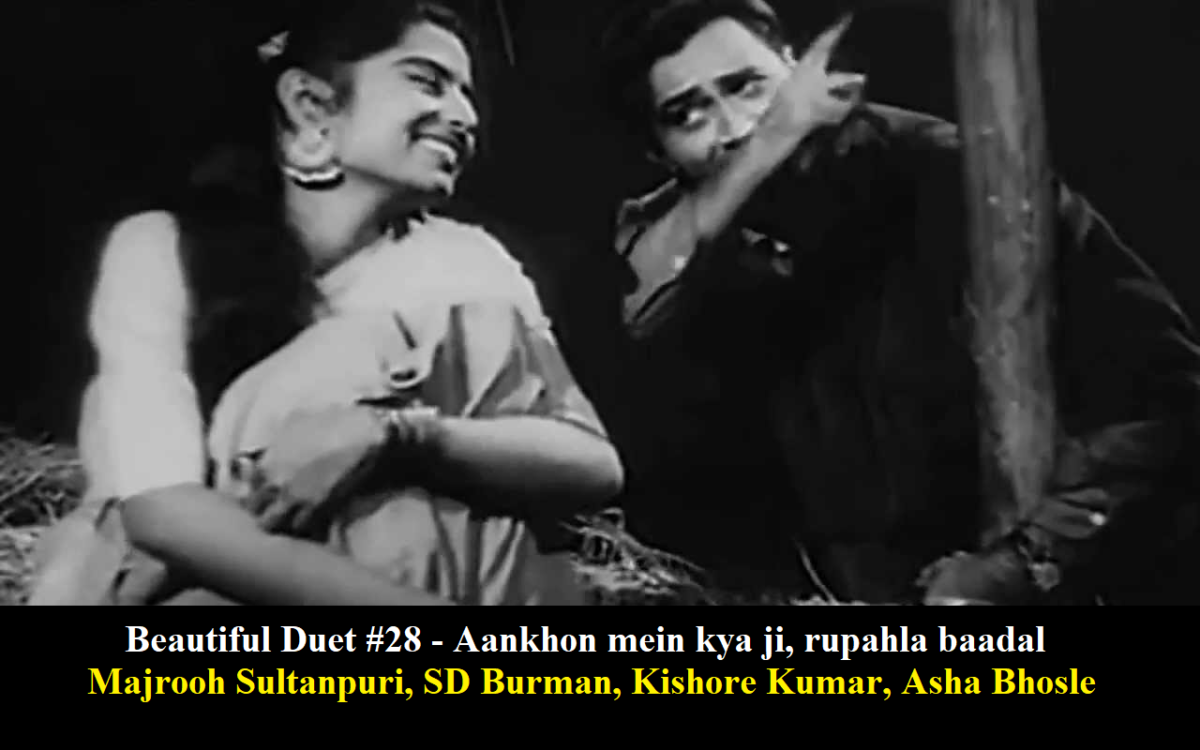
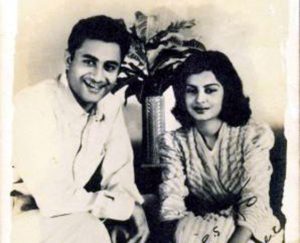 If that song displays the chemistry between Dev Anand and Kalpana Kartik (nee’ Mona Singha) (she did her college time in Shimla’s St Bede’s College whilst Dev Anand was a student of Government College, Dharamshala. Surely, the hills lent them their charm and spontaneity).
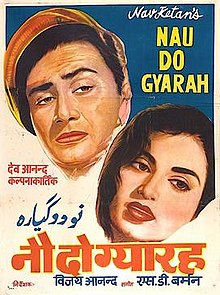 It was an important movie in Hindi films. This was the debut directorial attempt by Dev Anand’s brother Vijjay Anand who proved to be as good a director as Dev Anand was as an actor or brother Chetan Anand was as Director.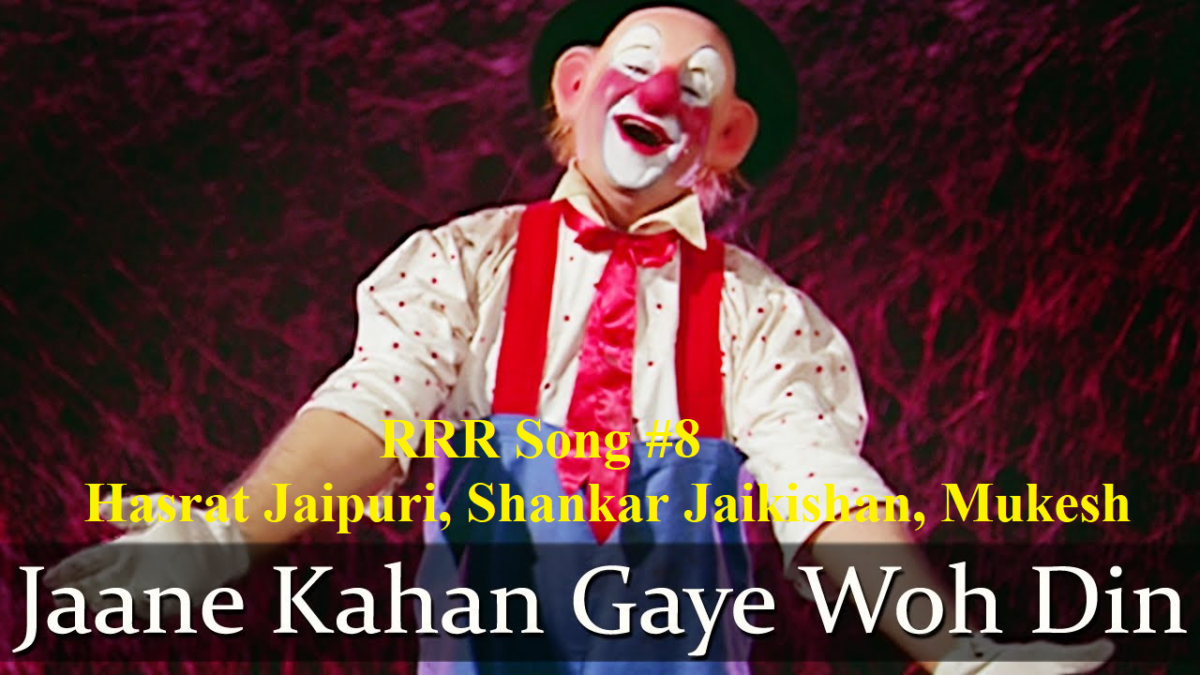
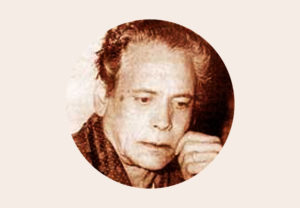 These are exactly the emotions portrayed by Hasrat Jaipuri in this 1970 movie Mera Naam Joker that was produced and directed by Raj Kapoor on a story by KA Abbas. The song instantly became a super hit as were the other songs of the movie. The movie didn’t do commercially very well. However, later, it is recognised as one of the most iconic movies of Raj Kapoor.
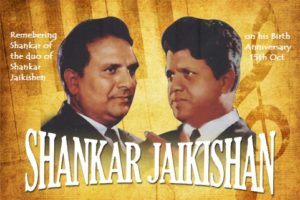 Shankar Jaikishan were very well versed with raagas and went beyond some of the raagas to compose their songs. Of course, the raag that was their (Jaikishan’s) favourite was Bhairavi. There are movies in which they have composed as many as four songs in this pious raag.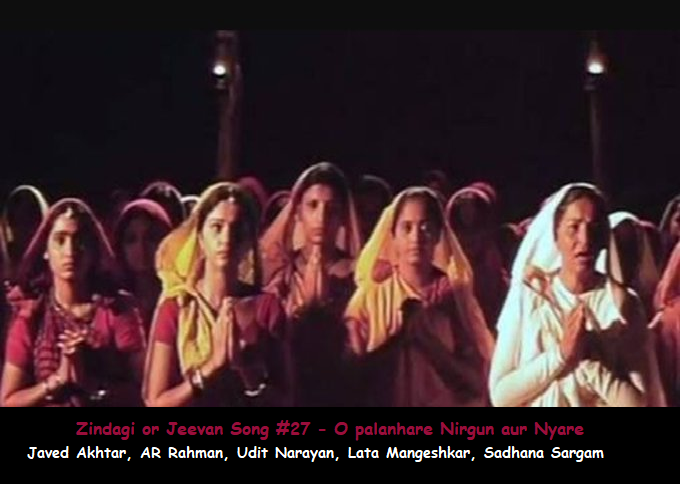
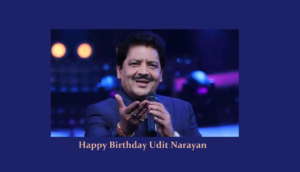 He was born on this day in 1955, The 1980 movie Unees Bees was a milestone for him since he got to sing with Mohammad Rafi. Later, he also got a chance to sing with Kishore Kumar.
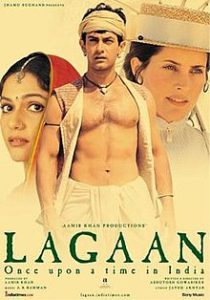 Coincidentally, even this song is from an Aamir Khan production Lagaan and picturised on Aamir Khan and Gracy Singh. He got to sing with Lata Mangeshkar and Sadhana Sargam.
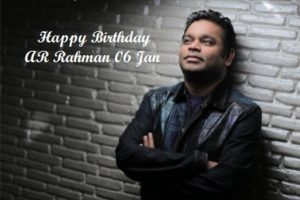 Since the time AR Rahman came on the scene as Music Director and Composer, he has not only won more awards than any other MD in history but also his compositions have transcended all boundaries of music; both classical (raaga based) and others.
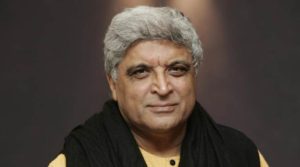 In this one, on the lyrics of Javed Akhtar, he has come up with a tune that portrays not only the emotions of the villagers as supplicants (the only right way to petition God) but a quiet faith that God would listen to them. Whilst the hymn is being sung, the mood shifts from desperation and despondency to silent confidence. All credit to AR Rahman for a composition that would convey this.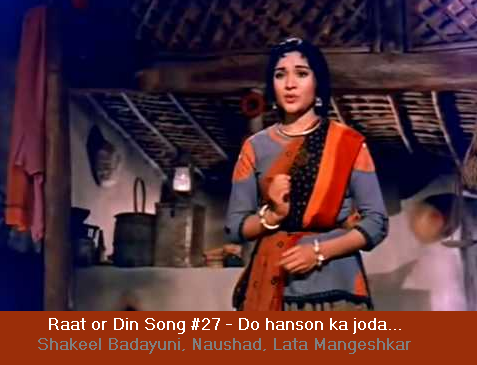
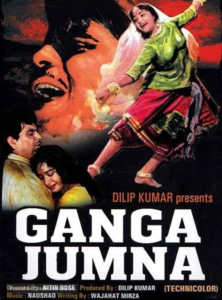 All in all, the 1961 movie Ganga Jumna became an iconic movie indeed. I saw it in a matinee show in Vasco when I had already joined the Navy and observed that people sang every song together with the actors and spoke most dialogues too.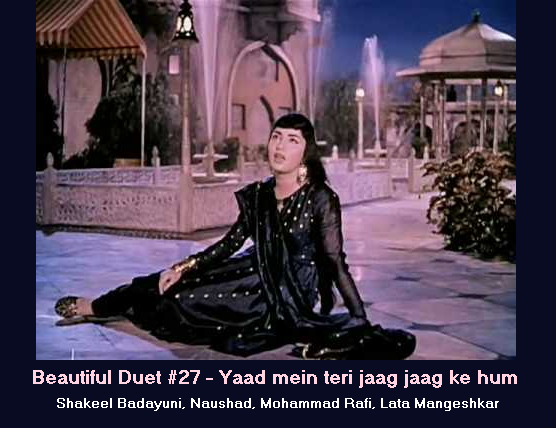
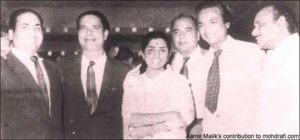 The 1963 Harnam Singh Rawail movie Mere Mehboob has what I feel is the best ever written not just by Shakeel Badayuni but the best song ever: Mere mehboob tujhe meri mohabbat ki kasam. It was sung separately (not as a duet) by both Rafi for Rajendra Kumar and Lata Mangeshkar for Sadhana. That was in Raag Jhinjhoti and an outstanding Raat Or Din Song. However, I can never put it up.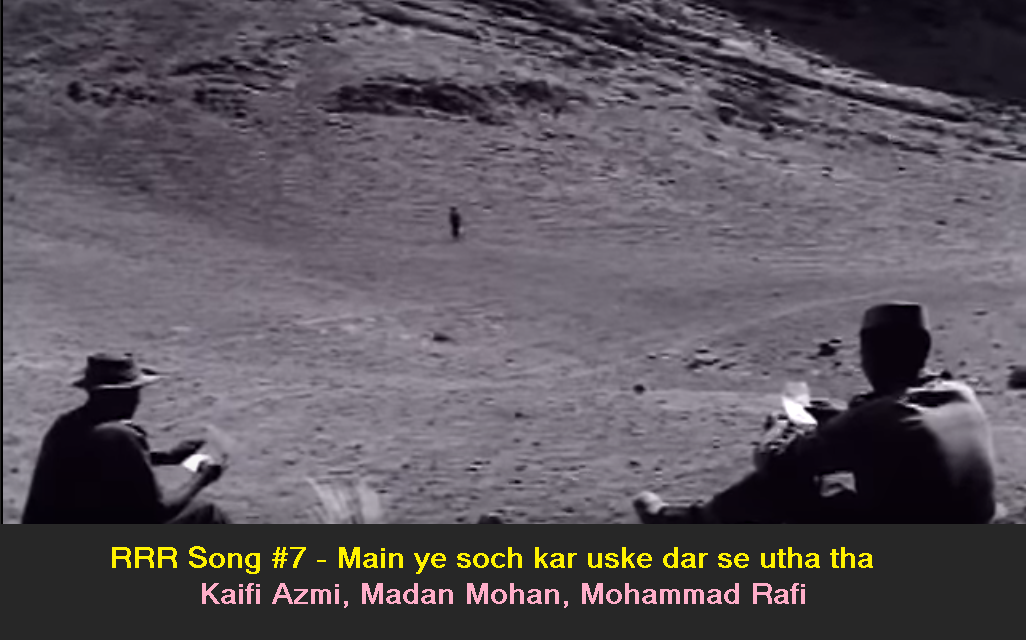
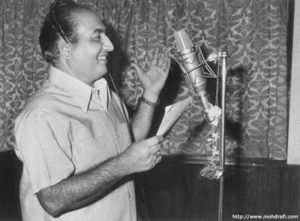 When you actually listen to Mohammad Rafi you are bound to say, for the nth time, that there was no one like him and no one is going to be. He was the god of songs. All of us have our favourites such as Hemant and Mukesh and yet we know, there is no comparison with Rafi. The other day I mentioned that Lata ji (my favourite female singer) was the delight of the composers, especially Shankar Jaikishan. She delivered exactly what was expected of her. Mohammad Rafi was several steps ahead of her in that he showed the composers how much more they could expect from him, every time. When he died, in Bombay, at the age of just 55 years, all composers admitted that they had still not exploited Rafi’s complete capabilities. Achha hai kuchh le jaane se dekar hi kuchh jaana.
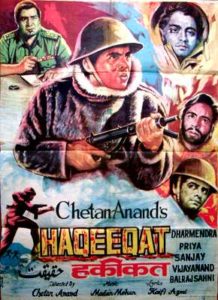 Take this song from Chetan Anand’s 1964 movie Haqeeqat explaining the debacle of 1962 Sino Indian War. Madan Mohan, the best composer ever for songs with pathos and agony, was trying in this song a new concept in that the song was like a free flowing poem, without traditional and recurrent mukhada and antaras. He actually asked Kishore Kumar and Manna De to sing it and then, disappointed, he turned, once again, to Mohammad Rafi.
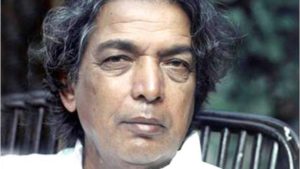 Of all the lyricists that I know of, Kaifi Azmi mastered the art of giving vent to the most intense and most powerful emotions through simplest words. One author who did that is my favourite: Ernest Hemingway. Likewise, taste this from Kaifi in Hanste Zakhm: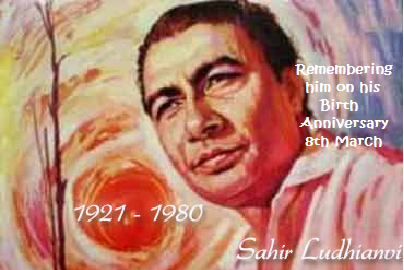
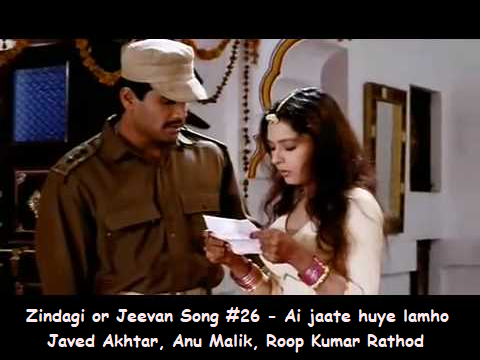
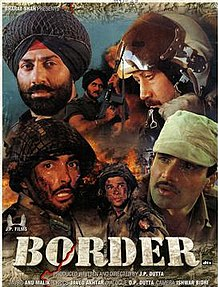 Films regarding patriotism and valour of the armed forces makes the makers laugh all the way to the bank. Being a member of the armed forces, seeing some of them, I too get carried away that perhaps they really feel for the brave jawans. Far from it.
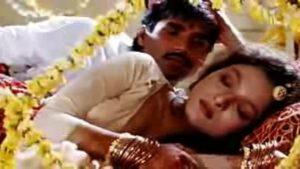 One of the clichés for war time movies is that on the honeymoon night (the focus of Hindi movies is always love) a telegram is received calling him to border. Somehow, wherever the loving couple is, the men from his unit find him to deliver the telegram (thank God that the Indian Postal authorities have now done away with the telegram and Hindi film makers will have to find some other way of appearing the poor guy consummating his wedding).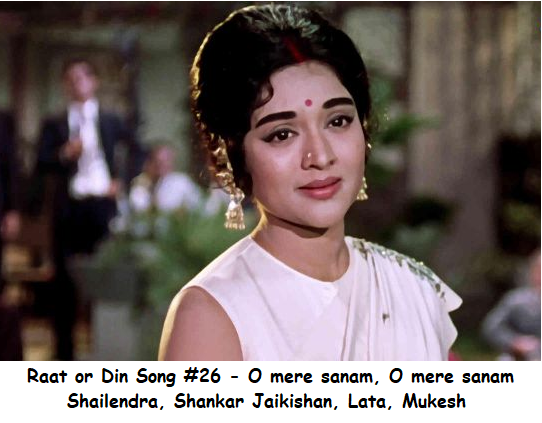
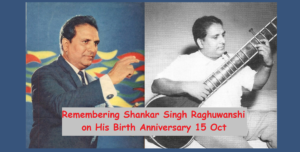 So strong was the bonding between Shankar Singh Raghuwanshi and Jaikishan Dayabhai Panchal that they were never addressed singly; they were always known as Shankar Jaikishan. Jaikishan was seven years younger to Shankar and died 16 years earlier and yet the Music Director’s name continued being Shankar Jaikishan.
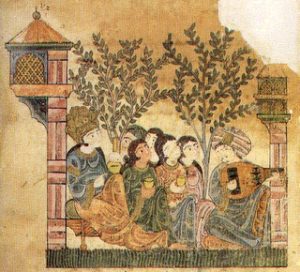 Raag Shivaranjani is a Raag that belongs to Kafi Thaat. The mood of the raag is Karuna Rasa (pathos) that suited both Shakeel and Ravi very well. However, the MDs who had this as their favourite (both of them as opposed to Bhairavi that was favourite of Jaikishan only) were Shankar Jaikishan. Some of their popular numbers in this Raag are: Awaaz deke hamen tum bulao, Baharon phool barsao, Dil ke jharokhe mein tujhako bithakar, Jaane kahan gaye woh din, and O mere sanam.
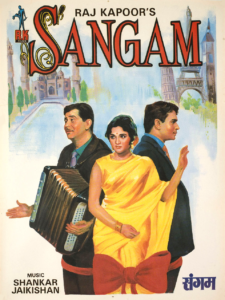 The main thing is Karuna ras. It is, as seen by me, the best song of the 1964 Raj Kapoor movie Sangam that portrayed a Love Traingle between Rajendra Kumar, Vyjaynthimala and Raj Kapoor. She used to love Rajendra Kumar and vice versa. However, Raj Kapoor swept her off her feet and so compulsive and obsessive was his love (Bol Radha bol sangam hoga ke nahin? and O mehbooba) that she married him.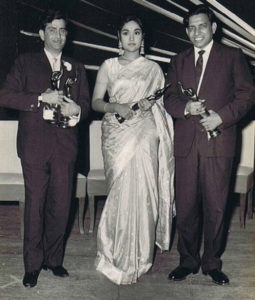
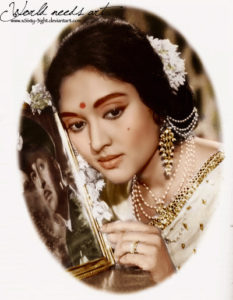 Hats off to Raj Kapoor for having made a movie wherein, like Bimal Roy’s Madhumati, Vyjayanthimala is the main protagonist of the movie. Here, in the end, she rues being tossed about between the two bosom pals: Rajendra Kumar and Raj Kapoor.
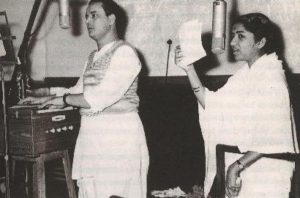 I could have given this song also in the Beautiful Duets series but that’s not my style. Lata sang for Vyjanthimala and Mukesh has always been the singing voice of Raj Kapoor in his movies.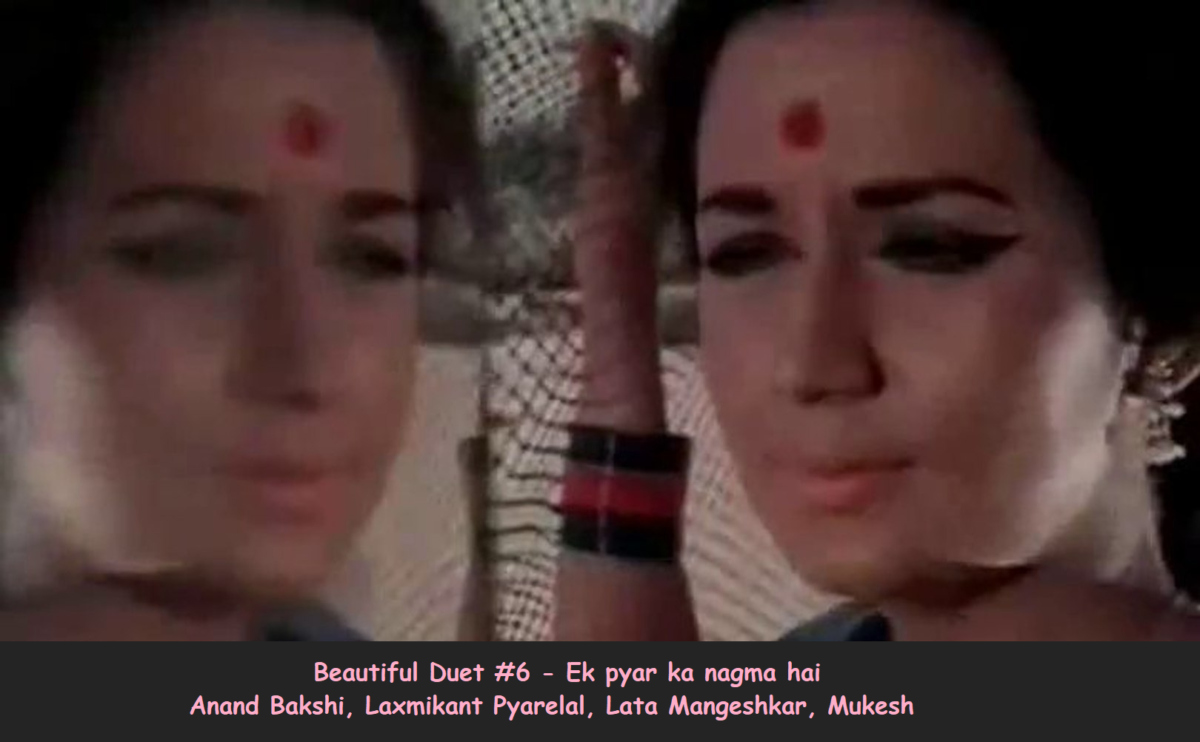
 Santosh Anand started his career as Lyricist with Purab Aur Paschim in the year 1970. That movie was, of course, produced and directed by Manoj Kumar. This song of the 1972 movie Shor, also produced and directed by Manoj Kumar, has been his most popular song. It was composed by Laxmikant Pyarelal and made full use of violin, the first instrument that Pyarelal learnt from his Goan guru Antony Gonsalves (Pyarelal paid him tribute by having a song on him in Amar Akbar Antony). Santosh Anand received two Filmfare Awards since then: the 1974 one for Roti Kapada Aur Makaan song Main na bhoolunga and 1982 one for Prem Rog song Mohabbat hai kya cheez.
 Both the songs for which he received Filmfare Awards were composed by Laxmikant Pyarelal.
 Door Ka Rahi that he made seven years later, in 1971, was also written, produced and directed by him, starred him and his son Amit (besides his elder brother Ashok Kumar and his daughter in the movie Tanuja). He was also the music director of the movie and composed and sang most of the songs: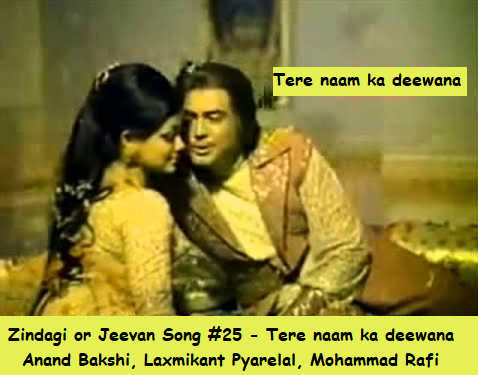
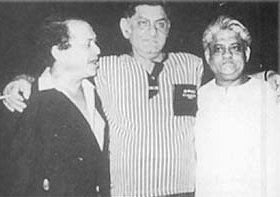 They paired together in a record 302 movies. One would thing that quantity was at the expense of quality. Amazingly, they continued having quality and popularity of their songs. They came together for the 1964 movie Mr X In Bombay with that great Kishore Kumar song: Mere mehboob qayamat hogi. Their last movie together was the 1992 movie Aashiq Awara. In these 29 years, Anand Bakshi wrote 1680 songs for them. That makes it nearly 58 songs per year and nearly 5 songs per month!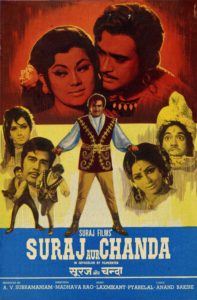
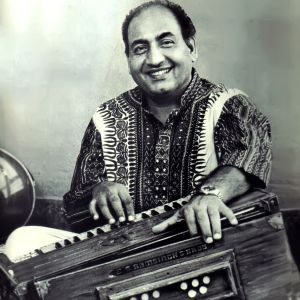 Mohammad Rafi sang some really beautiful songs for Laxmikant Pyarelal starting with their first movie together: Parasmani (Woh jab yaad aaye bahut yaad aaye) and followed by Dosti (Chahunga main tujhe saanjh savere.