RRR Songs (Songs of Regret, Repentance and Ruefulness)
I started this new series on 17 Jan 21 on my Facebook Group Yaad Kiya Dil Ne. My efforts failed to involve people in writing their own stuff about songs and music rather than copying and pasting from here and there or worse, just sharing url of songs from YouTube. Hence, I had decided to give the group a burial that it deserved rather than making it like thousands of groups on Facebook about songs with nothing unique about them at all.
I hope you liked RRR Song #1: Mujhe dard-e-dil ka pata na tha. Here is the next song:
Song #2
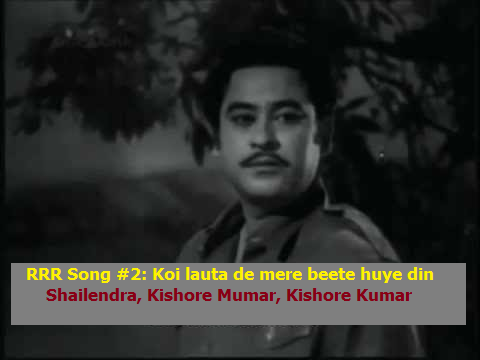
Koi lauta de mere beete huye din
Where are My Family Members of YKDN Now?
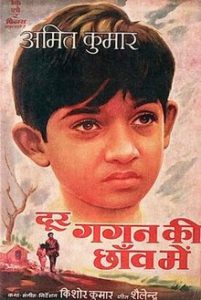 I take the help of this song penned by Shailendra and composed and sung by Kishore Kumar in the 1964 movie Door Gagan Ki Chhaon Mein that was written, produced and directed by Kishore Kumar:
अल्बेले दिन प्यारे, मेरे बिछड़े साथी सारे
हाय! कहाँ गये, हाय! कहाँ गये
कोई लौटा दे मेरे, बीते हुए दिन – (२)
बीते हुए दिन वो हाय, प्यारे पल छिन
कोई लौटा दे …
मैं अकेला तो ना था, थे मेरे साथी कई
एक आँधी सी उठी, जो भी था लेके गई
आज मैं ढूँढूं कहाँ, खो गये जाने किधर – २
बीते हुए दिन वो हाय, प्यारे पल छिन
कोई लौटा दे …
मेरे ख्वाबों के नगर, मेरे सपनों के शहर
पी लिया जिनके लिये, मैंने जीवन का ज़हर
ऐसे भी दिन थे कभी, मेरी दुनिया थी मेरी – २
बीते हुए दिन वो हाय, प्यारे पल छिन
कोई लौटा दे …
Kishore Kumar – Versatility Personified
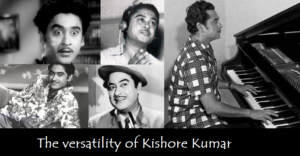 He could truly be called an One Man Army or One Man Industry. Take the movies that he made: this and Door Ka Rahi. Instead of trying to make them as commercial successes, he preferred to make them as reflection of his inner self, his quest for an eternal world.
Door Gagan Ki Chhaon Mein was adapted from American movie The Proud Rebel, the story of a retired soldier and his travails to bring up his mute son in a society full of corruption, biases and violence. His own son Amit acted his son in the movie and no one can ever forget this song and Aa chal ke tujhe main le ke chalun ek aise gagan ke tale.
One reason for Kishore Kumar’s versatility is something that I myself experienced: When you have lofty ideas full of ideals, you stand by yourself. However, if you follow the beaten track, you have quite a bandwagon.
My Own Poetry
SULAGTE AANSU
वो लौटा रहें हैं मेरा सामान,
और जला रहे हैं सब कुछ,
मेरी आरज़ू है सितमगर
मेरे अश्क भी जला दें
ताके दिल के समुन्दर में
वो तूफ़ान फिर ना उभरे;
जो मरहले खड़े थे
उन्हें ठोकर से मिटा दें
काश हम ना होते वो ना होते,
और ये आरज़ू ना होती
तेरी आँखों में जो सरूर था
वो सरूर भी हटा दें
मैं भूल गया हूँ सब कुछ,
तेरे प्यार की नज़र में
मेरी कौन सी है मंजिल
मुझे कुछ तो अब पता दें
अब दिल न हो, प्यार ना हो,
और ना रहे उनकी यादें,
कोई उनसे जाके कह दे,
मेरी हस्ती ही मिटा दें
The Song
Ladies and gentlemen, please enjoy: Koi lauta de mere beete huye din…
I hope you liked Song #2 in this series.
Please await Song #3: Hamsafar saath apna chhod chale.
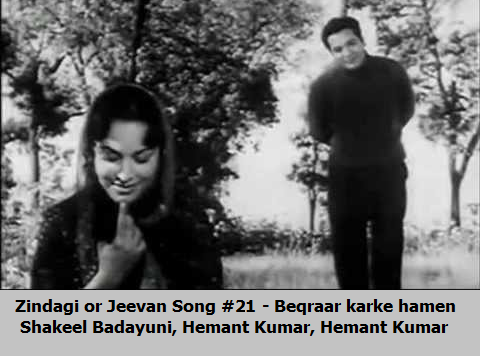
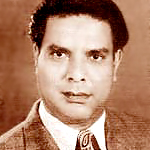 No matter who and where you are; you do deserve a song by Shakeel Badayuni, every now and then. And this is from the 1962 Biren Nag Film Bees Saal Baad for whose song Kahin deep jale kahin dil Shakeel received his third (of the only hat-trick in Hindi movies) Filmfare Award for Best Lyricist and Lata Mangeshkar received Best Playback Singer (Female) Award.
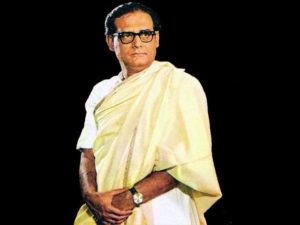 Hemant Kumar was one singer who would at the fastest transport you to the world of the lyrics of the song. So, if he sang Sahir’s Pedon ki shaakhon pe soyi soyi chandini, or Kaifi’s Raat haseen ye chand haseen tu sabse haseen mere dilwar, your imagination donned wings and you didn’t hear him from far; you were already there at the scene of the song (even if you had never seen the video!)
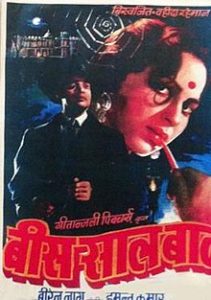 The movie was based on Arthur Conan Doyle’s Sherlock Holmes story The Hound of Baskervilles. It starred Biswajeet and Waheeda Rehman in the lead roles. It was the most super hit movie of 1962 thanks, to a great extent to Shakeel – Hemant Kumar songs.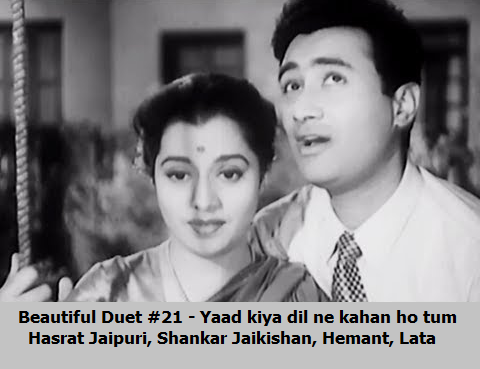
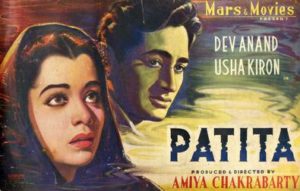 However, here we are with the title song of the group from the 1953 Amiya Chakrabarty movie Patita starring Dev Anand and Usha Kiran, both of whom feature in this truly iconic song that we shall never be able to get out of our system. Hemant Kumar sang for Dev Anand and Lata ji sang for Usha Kiran.
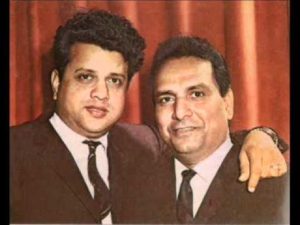 The song was penned by my behna Kishwar Jaipuri’s dad Hasrat Jaipuri and composed by the duo who were the best in the world. Even after so many years, Hasrat ji and Shankar Jaikishan ji never fail to wow us. This song, of course, is very special to this group and not just a beautiful duet. Each word is imprinted on our hearts; each word fills us with precious memories; each note touches the chords of our hearts: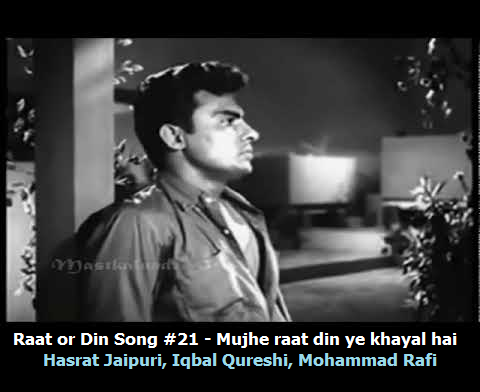
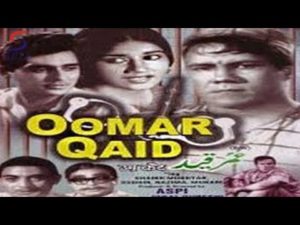 This movie Oomar Qaid, a movie of 1961, has Aspi Irani directing it and Mohan Choti, Helen, Sheikh Mukhtar, Mukri, Nazima and Sudhir in the lead roles.
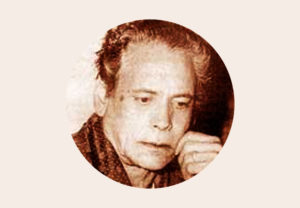 The song with very beautiful and expressive lyrics was penned by Kishwar Jaipuri’s father Hasrat Jaipuri and composed most beautifully by Iqbal Qureshi. It is simply the best and most memorable song of the movie.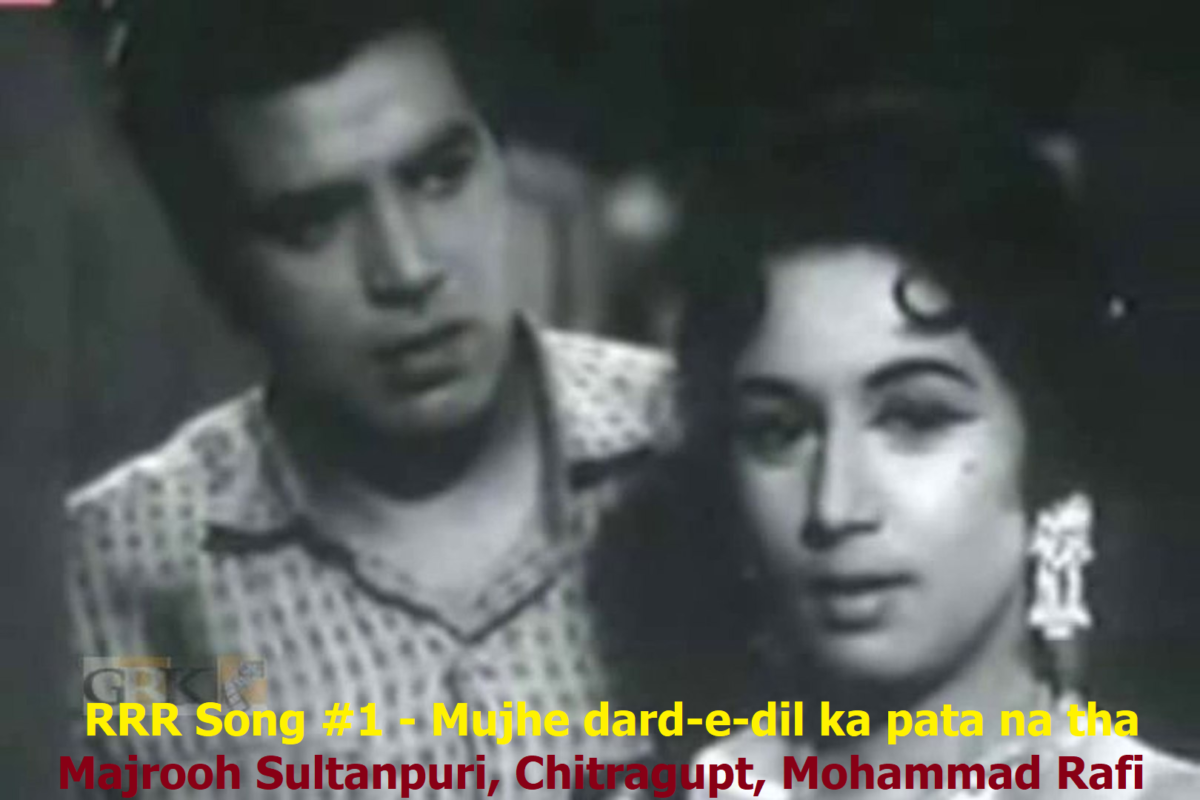
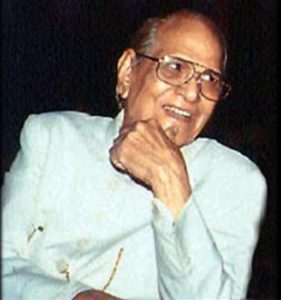 After making my more than a dozen groups and pages, I have spent more time on YKDN than on any other group or page. Hence, I can be excused saying it with Majrooh Sultanpuri:
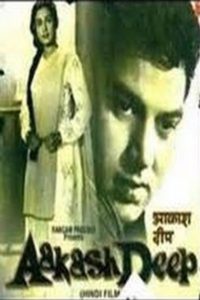 This movie was directed by Phani Majumdar for the primary reason that sometime or the other I shall be able to use this as an RRR Song. Thank you Phani, thank you Majrooh, thank you Chitragupt and thank you Mohammad Rafi. If you guys hadn’t given me this song, I won’t have known how to start my RRR Series.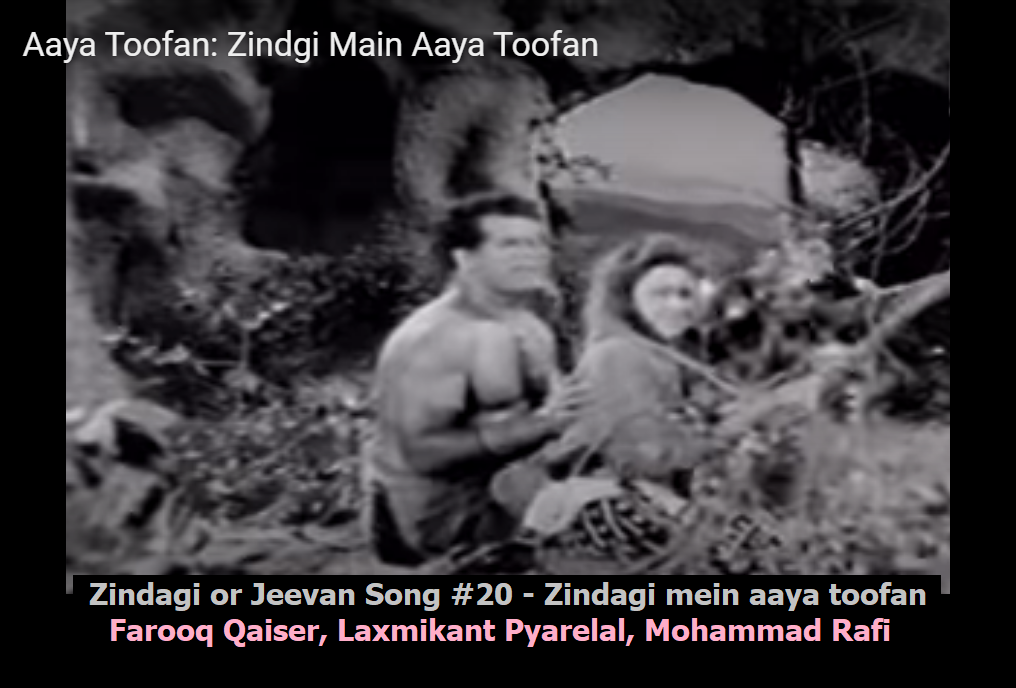

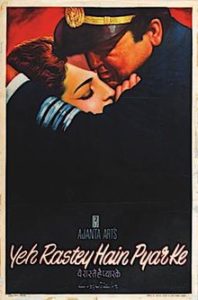 RK Nayyar’s 1963 movie Yeh Raaste Hain Pyar Ke was based on the case of navy Commander KM Nanavati who returned from sailing and shot dead the lover of his wife.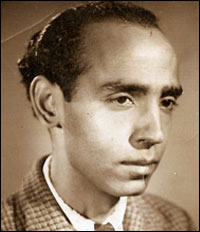
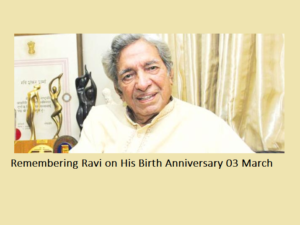 One can call it an unforgettable song both for its lyrics that silently touch your heart in many ways and its sensitive handling by Ravi. Here are the lyrics for you to appreciate: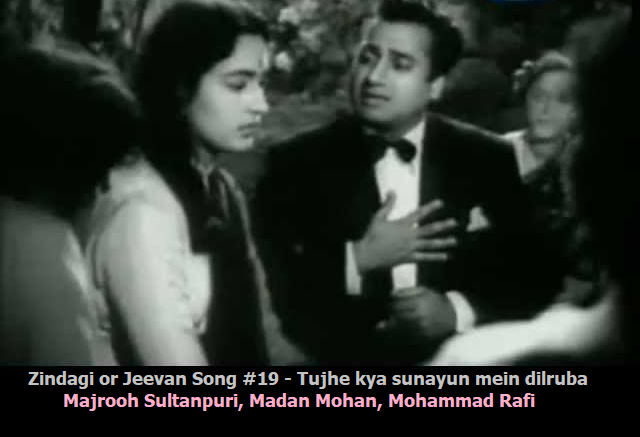
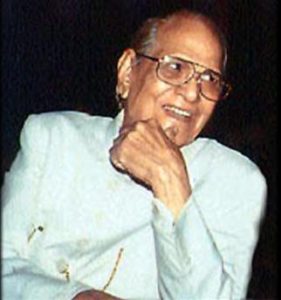 Majrooh was from that part of Uttar Pradesh that produced some of the greatest lyricists in Hindi movies: Kaifi from Azamgarh, Shakeel from Badayuni and he himself from Sultanpur. Many many years later, politically, it was said that the winners in UP normally made the government at the centre. That was the effect of people in that part of the world both poetically and politically.
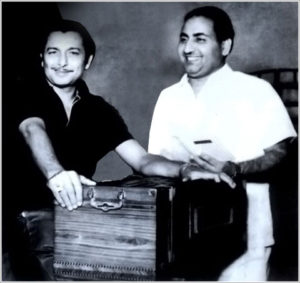 With such beautiful lyrics, who is there to compose them? Well, the maestro: Madan Mohan himself. Recall what he did to Kaifi’s Main ye soch kar uske dar se utha tha? He transformed already great lyrics into something totally sublime. He did the same here.
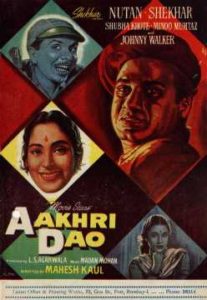 And now for the other relatively insignificant details. The song is from the 1958 Mahesh Kaul movie Aakhri Dao starring Nutan and Shekhar. He has been asked to sing in a picnic party and he sings, not to everyone, but only to her. She is uncomfortable with the revelation of his love for her in such intense words in front of everyone. You should see the way she looks and the way others, especially Shammi, looks at her.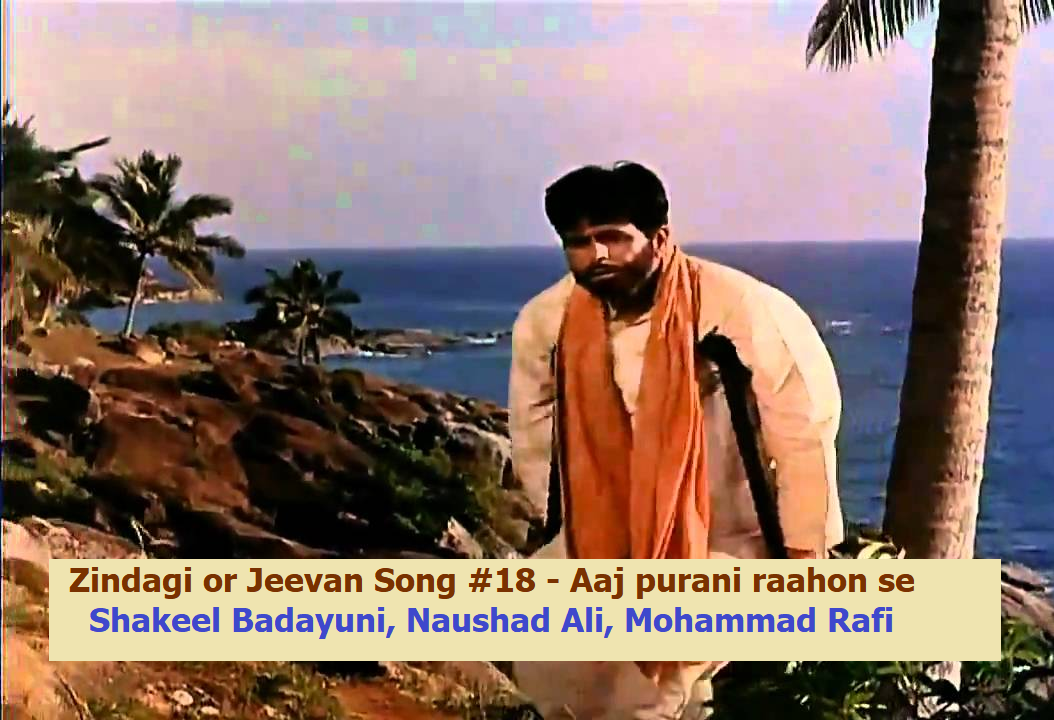
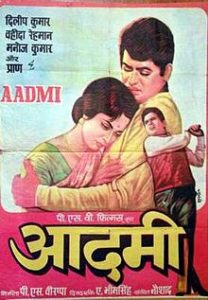 It happened in this song and the movie Aadmi. Yesterday, on Chitragupta’s Birth Anniversary, I gave you a song in Beautiful Duet Series: Chand jaane kahan kho gaya. It was, I mentioned, for the 1962 A Bhimsingh movie Main Chup Rahungi. I had given you a list of movies directed by A Bhimsingh and mentioned that Aadmi of the year 1968 was one of them.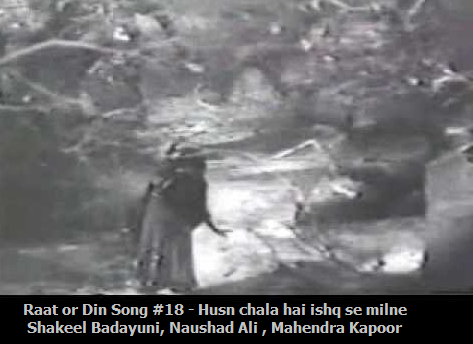
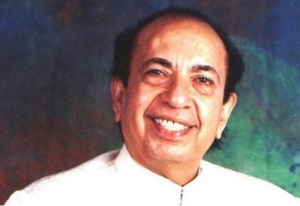 So fond he was of his guru Mohammad Rafi that one day, as related by Annu Kapoor on Mastii channel in a late night show, he was being felicitated on stage for his singing skills. He noticed the son of Mohammad Rafi, his guru, sitting in the audience. He called him on stage, touched his feet, garlanded him and said, “How can I be felicitated in a function that has the presence of the son of my guru?”
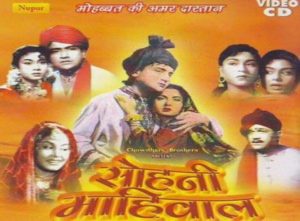 Everyone knows the legend of Sohni Mehiwal, a tragic romance of Punjab and I am not going to repeat it. On this night when Mahendra Kapoor sang this iconic song, she was to take the journey across the river on her clay pitcher that she used every night to meet Mehiwal, her lover. Sohni’s sister-in-law had already discovered the place where Sohni kept the pitcher and replaced it with a kuchcha one so that the love affair would be over once and for all. Sohni undertook the journey and drowned. Mehiwal saw her drowning and jumped into the river himself to save her. The river was in spate and he drowned too and united with her in death.
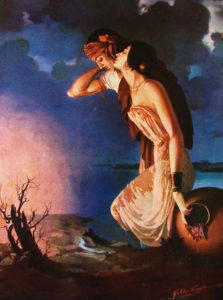 This particular incident is so popular in folk-lore that Shobha Singh of Andretta made his famous painting Sohni Mehiwal (now in Chandigarh Art Museuam). I have a copy of it in Whispering Winds, Kandaghat.
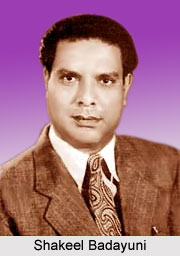 Shakeel Badayuni wrote about Love only (others were all part of Progressive Writers Movement and had Communist leanings) and he seems to have put in his best in this. His mentor Naushad has composed it so well. It was to be high pitch throughout and Naushad must have felt that Mahendra Kapoor’s voice was better suited for it. And indeed it was. Here are the lyrics:
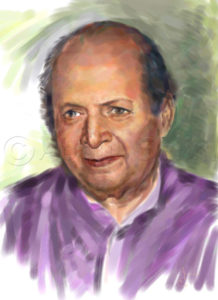
 Some of the Hindi movies’ best duets and other songs were composed by him. His songs always ensured the success of movies such as Kashmir Ki Kali and Phir Wohi Dil Laaya Hoon and Phagun.
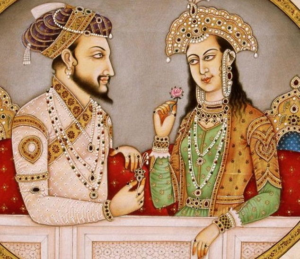 So, lets take the case of Shahjehan who erected Taj Mahal for Mumtaz. In 1607 he was engaged to Anjuman Banu Begum who was later to become Mumtaz Mahal (Chosen one of the Palace). They were only 14 years old when they got engaged and waited five years to get married. So, during this wait Shahjehan married Khandari Begum and got his first daughter through her. Before Mumtaz died, Shajehan married another eight women. So, it was nowhere near single minded devotion depicted poetically.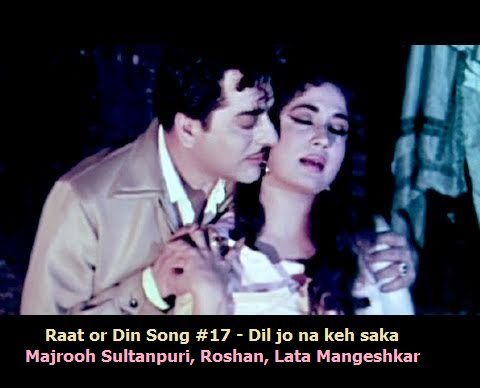
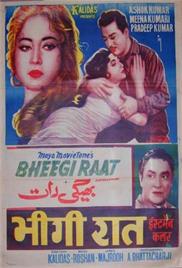 The song is from the 1965 Kalidas movie Bheegi Raat (Imagine having the theme-word in the title itself), which was a remake of the Hollywood movie An Affair To Remember.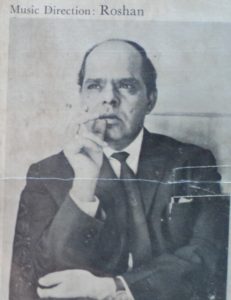
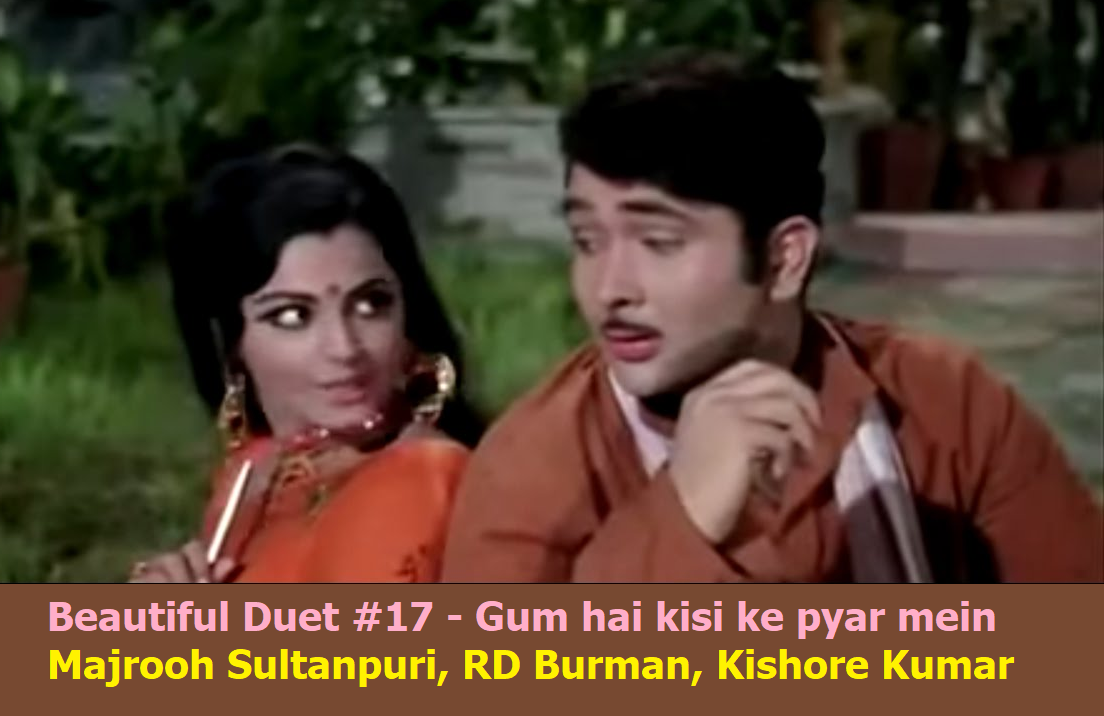
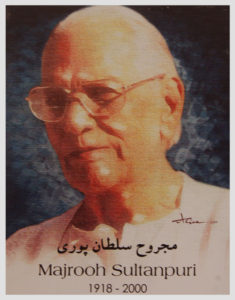 Majrooh was the reluctant lyricist (he never wanted to become one until Jigar Moradabadi coaxed him to). However, in his very first movie Shahenshah, in which AR Kardar and Naushad gave him a break, he came up with such memorable songs that the hero KL Saigal wanted one of these to be sung on his funeral (Jab dil hi toot gaya). No wonder that he became the first lyricist to be conferred with the highest award: Dadasaheb Phalke Award. He became a natural lyricist.
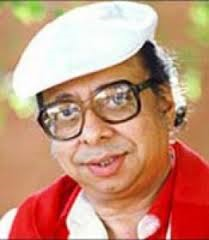 Here he is with RD Burman, the genius music director who gave us some memorable songs in various genre’s including Qawwali in Raag Kalawati in Hum Kisise Kam Nahin, serious songs in Aandhi, and pop songs that he mastered. This duet owes to him to come up with a tune that is still on everyone’s lips nearly five decades after the movie.