SHAKEEL BADAYUNI – THE KING AMONGST LYRICISTS AND POETS – PART I

A Fifteen Days Tribute Leading Up To His Death Anniversary, 20 Apr 13

This tribute was done on both: a music group called ‘Dil Ki Nazar Se’ and on my page ‘Lyrical’ on Facebook. Why would I want to do that? Read on. In order to cut this to readable size, I shall be doing so in several parts. This tribute is not about his history or past, for example, being from the town Badayun in Uttar Pradesh, having been born on 3rd Aug 1916 and having completed his journey on earth on 20th April 1970. This post is about his poems, ghazals and songs that are erroneously referred to as Old Hindi Songs (probably because these were sung in Old Hindi Movies) but are actually Old Urdu Songs (Read ‘Urdu – A Language of the Heart’)
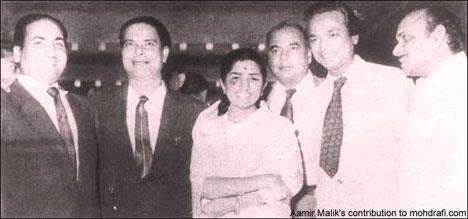
A rare picture of Rafi, Shakeel, Lata and Naushad

Day – 1

Shakeel Badayuni died 43 years ago….on the 20th of April was his death anniversary….but, the lyrics didn’t die…they would never. When you hear Begum Akhtar sing ‘Ai mohabbat tere anjaam pe rona aaya’, you know it is Shakeel; when you hear Mohammad Rafi sing ‘Mere mehboob tujhe meri mohabbat ki kasam’  (Arguably, the greatest song of Hindi movies), you know it is Shakeel, when you hear Dilip Kumar sing ‘Dil diya dard liya’, you don’t have a second guess to know it is Shakeel. What was so special about Shakeel that a nobody named Sunbyanyname is deewana (crazy) for his lyrics?

The answer is in his own words that came straight from his heart. Taste this:

       “Main Shakeel Dil Ka Hoon Tarjuman
       Keh Mohabbaton Ka Hoon Raazdaan
       Mujhe Fakhr Hai Meri Shayari
       Meri Zindagi Se Juda Nahin”

That’s really outstanding poetry; in one stroke it equates his poetry with his life.

Lets start the journey into Shakeel’s world by his 1960 Guru Dutt movie Chaudhvinh Ka Chand starring Waheeda Rehman opposite Guru Dutt.

This is by far the best song ever written describing the beauty of a woman. For this Shakeel got his first Filmfare Best Lyricist Award.

Please enjoy: Chaudhvinh ka chand ho ya aftaab ho
Jo bhi ho tum khuda ki kasam lajwaab ho…

zulfe.n hai.n jaise kaa.Ndhe pe baadal jhuke hue
aa.Nkhe.n hai.n jaise may ke payaale bhare hue
mastii hai jisame pyaar kii tum, vo sharaab ho
chaudahavii.n kaa …

cheharaa hai jaise jhiil me khilataa huaa ka.nval
yaa zi.ndagii ke saaj pe chhe.Dii huii gazal
jaane bahaar tum kisii shaayar kaa Kvaab ho
chaudahavii.n kaa …

ho.nTho.n pe khelatii hai.n tabassum kii bijaliyaa.N
sajade tumhaarii raah me.n karatii hai.n kaikashaa.N
duniyaa-e-husn-o-ishq kaa tum hii shabaab ho
chaudahavii.n kaa …

Didn’t it look like that each word was crafted and polished like a diamond? That’s what Shakeel did effortlessly. Lets hear Begum Akhtar sing ai mohabbat. I repeat the complete lyrics here so that you would see them, hear them and feel them…

Ai mohabbat tere a.njaam pe ronaa aayaa
jaane kyuu.N aaj tere naam pe ronaa aayaa

yuu.N to har shaam umiido.n me.n guzar jaatii thii
aaj kuchh baat hai jo shaam pe ronaa aayaa

kabhii taqadiir kaa maatam kabhii duniyaa kaa gilaa
ma.nzil-e-ishq me.n har gaam pe ronaa aayaa

jab hu_aa zikr zamaane me.n mohabbat kaa ‘shakiil’
mujhako apane dil-e-naakaam pe ronaa aayaa


What’s so special about 1963 movie Bin Badal Barsaat starring Biswajeet and Asha Parekh? It is the best combination – for me – of Lyricist, Music Director and Singer. You guessed it; Shakeel with Hemant Kumar.

Please enjoy: Jab jag uthe armaan to kaise neend aaye
Ho ghar mein haseen mehmaan to kaise neend aaye?

https://youtube.com/watch?v=dtXj_AbLKPM

Here is a great ghazal from Shakeel:

Bana bana ke tamanna mita-ee jati hai
Terah terah se wafa aazma-ee jati hai

Jub unko meri mohabbat ka aitbar nahi
To jhuka jhuka ke nazar kyon mila-e jati hai

Humaare dil ka pata vo hume nahi dete
Humaree cheez humee say chupa-e jati hai

Shakeel door munzil se na-umeed na ho
Ab aa he jati hai munzil ab aa he jati hai

Here is another famous one:

Ye aish-o-tarab ke matavale bekar ke baten karte hain
payal ke gamon ka ilm nahi jhankar ke baten karte hain

nahak hai havas ke bandon ko nazzara-e-fitarat ka dawa
aankhon mein nahi hai betabi didar ke baten karte hain

kahate hain unhin ko dushman-e-dil naam unhin ka naseh bhi
wo log jo reh kar sahil par majhadhar ke baten karte hain

pahunche hain jo apni manzil par un ko to nahi kuch naz-e-safar
chalne ka jinhen maqadur nahi raftar ke baten karte hain

This is a famous ghazal of Shakeel for the 1954 movie Amar starring Dilip Kumar and his heart throb Madhubala. However, the ghazal is picturised on Nimmi who acted as a village girl in the movie, whom Dilip had got pregnant in one of his wayward moods. In ironical satire, if you can ever find anything better, do let me know.

Taste this:

Tumhi ne gham ki daulat di hai bada ehsaan farmaya,
Zamaane bhar ke aage haath failaane kaahan jaate?
Na milata gham to barbaadi ke afsaane kahan jaate?
Agar duniya chaman hoti to veeraane kahan jaate?

Lata has sung this on Naushad‘s music…

https://www.youtube.com/watch?v=0BKLe-L6Dtg

Talking about Shakeel, Naushad combine, who can ever forget this great number from the 1949 movie Dulari? It is amongst the best of Mohammad Rafi too.

Please enjoy: Suhaani raat dhal chuki naa jaane tum kab aayoge…

Shakeel was not just our best in melancholic numbers but also was versatile enough to take into his stride light hearted numbers. He wrote some of his best lyrics for the 1961 movie Ganga Jamuna starring Dilip Kumar and Vyjayantimala that became a super hit. Naushad, once gain was the music director.

Please enjoy: the super hit: Dhundo dhundo re saajana, more kaan ka baala….(this is during the era when women, in the movies, were routinely losing their jewellery, eg, jhumaka gira re bareilley ke bazaar mein)

Baiju Bawra was a 1952 movie starring Bharat Bhushan and Meena Kumari. It had some of Shakeel’s best lyrics such as Tu Ganga ki mauj mein Jamuna ka dhara ragega Milan, mohe bhool gaye saanwariya, O duniya ke rakhwaale, Door koi gaaye dhun ye sunaaye, and Bachpan ki mohabbat ko dil se na bhula dena.

But, in order to showcase the versatility of Shakeel, here is the best Bhajan ever in Hindi movies: Man tadpat Hari darshsan ko aaj. Lots of credit also goes to Naushad and Rafi to have adorned it with the best possible music and voice.

Please enjoy: Man tadpat Hari darshan ko aaj…

What else can you expect from a Lyricist who has made the best ever song in Hindi movies: Mere Mehboob, best song on husn of a woman, best melancholic and ironic ghazals, best raat number, best bhajan, and best light-hearted romantic numbers?

Of course you want to know if he could write the best children’s song too?

Well, as a matter of fact, Shakeel could do that!

This is from the 1962 movie Son of India and even though it is old there is hardly anyone who hasn’t heard of it. Once again, music is by Naushad. Singing is by Shanti Mathur.

Please enjoy: Nanha munna raahi hoon,
Desh ka sipaahi hoon,
Bolo mere sang, Jai Hind…

https://www.youtube.com/watch?v=rszFSH6z4Us

Look at the Award List of 1962 Guru Dutt Movie Sahib Bibi Aur Ghulam:

1962: President’s Silver Medal for Best Feature Film in Hindi
1963: Berlin Film Festival: Golden Bear (Best Motion Picture): nominated
1962: Indian submission for the Academy Award for Best Foreign Language Film
Filmfare Award for Best Movie – Guru Dutt
Filmfare Award for Best Director – Abrar Alvi
Filmfare Award for Best Cinematographer – V. K. Murthy
Filmfare Award for Best Actress – Meena Kumari
Filmfare Nomination for Best Actor – Guru Dutt
Filmfare Nomination for Best Supporting Actor – Rehman
Filmfare Nomination for Best Supporting Actress – Waheeda Rehman
Filmfare Nomination for Best Story -Bimal Mitra
Bengal Film Journalists’ Association Awards – Film of The Year.

Notice something? There is not even nomination for Best Lyricist Shakeel Badayuni and Best Music by Hemant Kumar. And yet, the movie is remembered best for its songs! See the following:

  1. Bhanwara bada nadaan haay.
  2. Koi door se awaaz de chale aayo.
  3. Saakia aaj mujhe neend nahin aayegi.
  4. Meri baat rahi mere dil mein.
  5. Na jaayo sainyan chhuda ke bainyan.
  6. Piya aiso jiya mein samayi gayo re.
  7. Meri jaan o meri jaan achha nahin itana sitam.

What do you say now? It must be lopsided Filmfare Awards. No guys and gals….Shakeel continuously got the Best Lyricist Award for 1961, 1962 and 1963 but for other songs. At the same time when Sahib Bibi Aur Ghulam got its various awards, Shakeel got the Best Lyricst Award for Husn waale tera jawaab nahin from Gharana.

Anyway, please enjoy the beauty of the lyrics of Na jaayo sainyan chhuda ke bainyan…

Shakeel was most lyrical when it came to describing husn. For both his songs Chaudhvinh ka Chand ho, and Husn Waale tera jawab nahin, he got the best lyricist awards. And yet there are many other husn songs written by him that are equally good.

Please enjoy this: Husn se chand bhi sharmaya hai…

Ravi’s music, Rafi’s singing.

I gave you a song from Son of India; what about Mother India? It had some of his best numbers:

  1. Duniya mein ham aaye hain to jeena hi padega.
  2. Dukh bhare din beete re bhaiya.
  3. Gaadi waale gaadi dheere hank re.
  4. Ghunghat nahin kholungi sainyaan tere aage.
  5. Matwaala jiya dole piya.
  6. Na main bhagwaan hoon, na main shaitaan hoon.
  7. Nagari nagari dwaare dwaare dhundo re saanwariya.
  8. Pi ke ghar aaj pyaari dulhaniya chali.

By this time you must be already thinking that Sunbyanyname is not crazy for nothing when he talks about Shakeel….he was head and shoulders above the others.

Lets look at the exquisiteness of just one of the songs of Mother India:

Na mai.n bhagavaan huu.N na mai.n shaitaan huu.N
duniyaa jo chaahe samajhe mai.n to inasaan huu.N

mujh me.n bhalaaii bhii mujh me.n buraaii bhii
laakho.n hai.n mail dil me.n tho.Dii safaaii bhii

tho.Daa saa nek huu.N tho.Daa beiimaan huu.N
duniyaa jo chaahe samajhe mai.n to inasaan huu.N

na koii raaj hai na sar par taaj hai
phir bhii hamaare dam se dharatii kii laaj hai

tan kaa Gariib huu.N man kaa dhanavaan huu.N
duniyaa jo chaahe samajhe mai.n to inasaan huu.N

jiivan kaa giit hai sur me.n na taal me.n
ulajhii hai saarii duniyaa roTii ke jaal me.n

kaisaa a.Ndher hai mai.n bhii hairaan huu.N
duniyaa jo chaahe samajhe mai.n to inasaan huu.N

Please enjoy: Na main bhagwaan hoon, na main shaitan hoon….

https://youtube.com/watch?v=-MD4bGAbEug

And yet, fairly early in his career Shakeel was humble enough to pen:

Ye zindagi ke mele duniya mein kam na honge
Afsos ham na honge…

This is another movie Mela with Naushad’s music and Rafi’s singing. Some of the best lyrics ever written are in this song:

(ye zi.ndagii ke mele – 2), duniyaa me.n kam na ho.nge
afasos ham na ho.nge

ik din pa.Degaa jaanaa, kyaa vaqt, kyaa zamaanaa
koii na saath degaa, sab kuchh yahii.n rahegaa
jaae.nge ham akele, ye zi.ndagii …

duniyaa hai mauj-e-dariyaa, qatare kii zi.ndagii kyaa
paanii me.n mil ke paanii, a.njaam ye ke paanii
dam bhar ko saa.ns le le, ye zi.ndagii …

ho.ngii yahii bahaare.n, ulfat kii yaadagaare.n
biga.Degii aur chalegii, duniyaa yahii rahegii
ho.nge yahii jhamele, ye zi.ndagii …

Okay, guys and gals, I have barely re-introduced the beauty of the lyrics of Shakeel Badayuni to you. Please add to this and feel elated just as the poet Kabir had written:

Kabira sangat sadhu ki,
Jyun gandhii ki baas,
Je kuchh gandhii de nahin,
Phir bhi baas subaas….

The fragrance of the songs of Shakeel Badayuni would always be there.

Here is one of his ghazals from the 1952 movie Deewana. It has some of his best lyrics describing the husn of a woman. Naushad’s music and Rafi’s singing made it immortal…

tasaviir banaataa huu.N terii Kuun-e-jigar se
Kuun-e-jigar se
dekhaa hai tujhe mai.n ne muhabbat kii nazar se
are, muhabbat kii nazar se

jitane bhii mile ra.ng vo sabhii bhar diye tujh me.n
haay, bhar diye tujh me.n
ik ra.ng-e-vafaa aur hai, laa_uu.N vo kidhar se
are laa_uu.N vo kidhar se
tasaviir banaataa huu.N terii …

saavan terii zulfo.n se ghaTaa maa.Ng ke laayaa
haay, maa.Ng ke laayaa
bijalii ne churaa_ii hai ta.Dap terii nazar se
are, ta.Dap terii nazar se
tasaviir banaataa huu.N terii …

mai.n dil me.n biThaa kar tujhe ruKsat na karuu.Ngaa
haay, ruKsat na karuu.Ngaa
mushkil hai teraa lauT ke jaanaa mere ghar se
are jaanaa mere ghar se
tasaviir banaataa huu.N terii …

In every art form, there is a creator and then there are others who adorn and add to his work by their own skill. For example, Mere Mehboob shall always be thought of Mohammad Rafi’s best or Gam-e aashiqui se keh do as Talat Magmood’s best. But, who is the creator? Who is the guy who conceives the thought? That’s the lyricist. He imagines, he dreams, he steps into the shoes of the actor and lives his life and love. I have heard many and I maintain Shakeel did that outstandingly. Read them and hear them and then see where his imagination takes you. Read the lyrics of the songs of Dil Diya Dard Liya and you can have a good initiation into the marvellous world of Shakeel. Yes, music is to be enjoyed but lyrics are the starting point. As Shakeel himself wrote: “Aur phir raah mein bikhare the hazaron nagme; main vo nagme teri aawaaz ko de aaya thai. Aa mujhe phir unhi geeton ka sahara de de. Mera khoya hua rangeen nazaara de de”. Welcome to the world of words, poems, lyrics. From now onwards you will notice the words of the song that carry the jazbaat (emotion).

Day 2

One of the most famous ghazals of Shakeel Badayuni was:

Gam-e-aashiqii se kah do raah-e-aam tak na pahu.Nche
mujhe Khauf hai ye tohamat mere naam tak na pahu.Nche

mai.n nazar se pee rahaa thaa to ye dil ne bad-duaa dii
teraa haath zindagii bhar kabhii jaam tak na pahu.Nche

naii subah par nazar hai magar aah ye bhii Dar hai
ye sahar bhii raftaa raftaa kahii.n shaam tak na pahu.Nche

vo navaa-e-muzamahil kyaa na ho jis me.n dil kii dha.Dakan
vo sadaa-e-ahale-dil kyaa jo avaam tak na pahu.Nche

u.nhe.n apane dil kii Khabare.n mere dil se mil rahii hai.n
mai.n jo unase ruuTh jaauu.N to payaam tak na pahu.Nche

ye adaa-e-beniaazii tujhe bevafaa mubaarak
magar aisii beruKhii kyaa ke salaam tak na pahu.Nche

jo naqaab-e-ruKh uThaa dii to ye qaid bhii lagaa dii
uThe har nigaah lekin koii baam tak na pahu.Nche

vahii ik Khamosh naGmaa hai “Shakeel” jaan-e-hastii
jo zubaa.N tak na aaye jo qalaam tak na pahu.Nche

Great meets Great. Who else to sing this ghazal than the King of Ghazals: Talat Mahmood?

My father was very fond of get-togethers, parties and fests. In my boyhood days, I attended quite a few of these and sing-song sessions invariably were part of these. This was a famous Shakeel Badayuni song (though I didn’t know at that time that it was Shakeel who wrote it) that was often heard at those parties.

It is from the 1954 movie Shabab starring Nutan and Bharat Bhushan. The movie had a Hemant Kumar number that too became my favourite in later years: Chandan ka palna resham ki dori. Anyway, this was sung by Mohammad Rafi on Naushad’s music.

Please Enjoy:

Aaye na baalam vaadaa kar ke
aaye na baalam vaadaa kar ke
thak gaye nainaa dhiiraj dhar ke
aaye na baalam …

chhup gayaa chandaa luT gayii jyoti
taare ban gaye jhuuThe motii
pa.D gaye phiike ra.ng najar ke
aaye na baalam …

aao ki tum bin aa.Nkho.n me.n dam hai
raat hai lambii jiivan kam hai
dekh luu.N tum ko mai.n jii bhar ke
aaye na baalam …

Please forgive me but I can’t resist putting up a Hemant da number at this stage that was penned by Shakeel Badayuni for the same movie Shabab starring Nutan and Bharat Bhushan. We have already established that Hemant da – as singer and music director – has more Chand numbers to his credit than any other. This too has Naushad‘s music.

Please enjoy: Chandan ka palna resham ki dori….and see if you can close your eyes and be transported to another world!

Yesterday, I wrote about the versatility of Shakeel Badayuni: ghazals, songs of melancholy, romantic numbers, bhajans in shudh Hindi, children’s songs and now let me add to his repertoire by giving you a song that Mohammad Rafi sang for the comedian Johnny Walker in the 1964 movie Door Ki Awaz. Music is by my namesake.

Please enjoy the light-hearted naughty number:

Ik mussafir ko duniya mein kya chaahiye,
Sirf thodi si dil mein jagah chahiye…

https://youtube.com/watch?v=W6ZW2vcdF7Y

How are you enjoying the journey into Shakeel Badayuni’s world? He was named Shakeel when he was born on 3rd of Aug 1916 and like poets and lyricists of that era, since he was born in the village Badayun of Uttar Pradesh, he became known as Shakeel Badayuni just as Majrooh got the name Majrooh Sultanpuri, Sahir as Sahir Ludhianvi and Hasrat as Hasrat Jaipuri and many others.

Talking about Shakeel Badayuni – Ravi combination, the best was for the 1960 movie Chaudhvinh Ka Chand that starred Guru Dutt and Waheeda Rehman. We have already heard and seen the Best Husn song in the world, the title song of this movie.

Curiously, the movie also had a really despondent song sung so well by Mohammad Rafi that it leaves people gaping.

Please enjoy: Mili khaak mein mohabbat jala dil ka aashiana,
Jo thi aaj taq haqeeqat wohi ban gayi fasaana…

https://youtube.com/watch?v=qy3BnqbJifM

What about Shakeel Badayuni on the subject or theme of ‘Muhabbat’? Let me bring out different strokes. In the 1955 movie Udan Khatola starring Dilip Kumar and Nimmi, he gives an advice to everyone to tread carefully on the paths of Muhabbat. Music is by Naushad.

Please enjoy: Muhabbat ki raahon mein chalna sambhal ke,
Yahan jo bhi aaya gaya haath mal ke…

https://youtube.com/watch?v=3uiOL6y-kjo

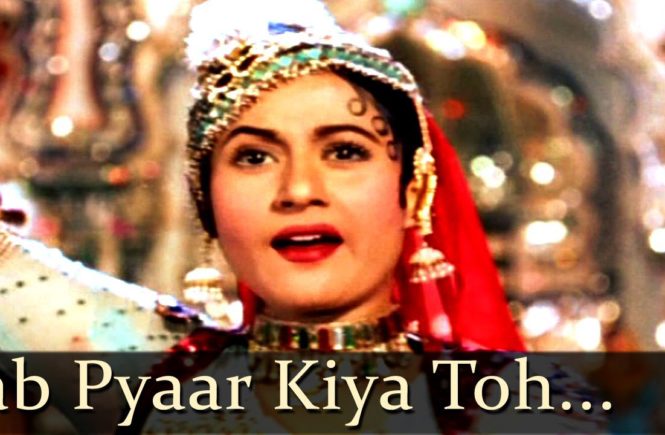
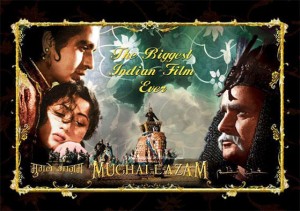
The second song on the theme of Muhabbat penned by Shakeel is from the 1960’s epic film Mughal-e-Azam (The Greatest of the Mughals). Salim (Dilip Kumar) is Akbar’s (Prithviraj Kapoor’s) son and he falls in love with the court dancer Anarkali (Madhubala). This earns the ire of Akbar who has her thrown into the dungeon for the ‘crime’ of loving a prince. This song, like all songs of Mughal-e-Azam became super hit and you are left marvelling at how beautifully Shakeel has brought out the irony, the pain, the despondency.

Please enjoy: Muhabbat ki jhooti kahani pe roye…

Lets end tonight moving away from the melancholy, despondency and sadness and move into the sunnier side of Love also depicted by Shakeel. In this genre too he has many numbers. One of the best was sung by Mahendra Kapoor in the 1965 movie Zindagi Aur Maut. It has C Ramachandra’s music and I won’t be surprised if you too start believing that Shakeel wrote as if direct from the heart.

Please enjoy: Dil lagakar ham ye samajhe zindagi kya cheez hai,
Ishq kehte hain kise aur aashiqui kya cheez hai…

I hope you liked the Part I of the peep into the lyrical world of Shakeel Badayuni. Prepare yourself for Part II that I shall put up shortly.


GUNNERS TOO ARE HUMAN – PART I

People keep telling me to publish my works: the funny stuff, the stories, poems et al. If ever I do, the one inexhaustible subject that I have is that of ‘Gunners’. In exclusivity, peculiarity, uniqueness and sheer entertainment there is nothing and no one to beat the bang-bang people – the Gunners; they are simply the top guns in the Navy and have always been. I am not even sixty yet and want to live happily for a few more years, at least; hence, please don’t insist on names. If you can guess, so be it. I have deliberately not put these in any order so as to make it difficult for you; as difficult as Santa who was asked by Banta, “If you can guess what is in this basket, I shall give you some of the eggs. And, if you can tell me how many, I shall give you the entire dozen.”Like Love Story….where do I begin, where do I start?

I think the first Gunner that comes to my mind was our Gunnery Instructor in the Naval Academy. He was an inexplicable miracle of God; after he was completely moulded in God’s workshop, God had a twinkle in his eyes when He decided to send him (the GI) on earth without a heart. His parents didn’t know about it, his relatives didn’t have an inkling; but, from the time we interacted with him, we knew of his physiological handicap. Looking back, I marvel at the clairvoyance of God; He would have known that even if he had given GI HS (this is as close as I get to giving away his name) a heart, HS would have had no use for it.

HS had a very limited vocabulary; he had no use for long speeches and fancy words. Even the short ones that he was endowed with were hardly used. And yet, we understood him well. For example, whilst marching in the scary (scarier than a mine-field, at least) parade ground of the old Gunnery School, when he shouted at us through clenched teeth, “Peeeeeeeeee……”, none of us ever mistook it as a directive to wet our pants; we knew, like any one familiar with the Gunnery commands that HS wanted us to ‘Press our heels’ whilst marching.

“Patenshuncats” was clearly (clarity is what a Gunner demands on either end) understood by us as “Pay attention Cadets.”

On that day, a fateful day for one of my ilk, after several rounds of ‘warming up’ drills around the parade ground, we settled on one end of the ground to learn about the correct way to put on our drill boots. HS finished with his “atiiiizz” command and had embarked on “patenshuncats”.

Gunners, unlike personnel of the other branches, like simplicity; no far-fetched cerebral ideas of the other side of the universe for them. They have their feet firmly planted on the ground. And, how do they achieve it? Simple, by their heavy boots; anything less than 20 pounds each isn’t acceptable. Putting on boots correctly for them, therefore, has as much import, as say a certain Armstrong fulfilling Kennedy’s dream of an American landing on the Moon. And whilst Neil had gently lowered the Lunar Module on a strange surface, HS insisted that everything in the world had to be done with show of force and by the number (“Ginati se”). In our moments of sanity – brief though they were during the training period – we had often wondered, with our tongues firmly inside our hollowed cheeks, if HS, at his home, would have wanted Mrs HS to do ‘everything’ ginati se.

After his instructions that lasted all of ten minutes (since ‘important’ parts had to be repeated), he had come to the part wherein he was now telling us how to tie the laces. After tying the half knot, both ends had to be put together and had to go around the upper part of the boots twice and that would leave only the stubbed portion that had to be smartly tucked in.

Boots

After HS’s demo, we were to assimilate the newly acquired knowledge by practically applying it to our own boots. Cadet RK (no names, as I said) did it all correctly, as he erroneously thought and was far ahead of the rest of the class. Once round the boot, he happily whispered to himself and now for the second round, he nearly sang it. But, to his utter horror he found that he had more than the stubs left.

Wisdom that gradually descends on all mortals who have to deal with Gunners, had not yet dawned on Cadet RK and he called out to HS, rather unwisely, as to what to do with two inches or so of the extra lace that he had landed up with.

Gunnery Instructor HS’s face exploded with unconcealed mirth at the god sent chance of helping out Cadet RK in his ‘genuine’ concern at being left with two inches of lace.

“Gookane” screamed GI HS, acknowledging that it was indeed a ‘Good Question’.

Blogger policy doesn’t permit me to give details of how HS replied to RK. The mildest of his explanations was to ‘broaden’ RK’s outlook towards life in general and Gunnery Instructors in particular by going around the parade ground five times with a rifle held high over both arms and shouting as to what to do with two inches of extra lace.

At the end of about 45 minutes of this detailed explanation, when RK had started weighing considerably less than the weight of his boots, HS ‘affectionately’ asked RK, “Enmodouse”. RK had decided, long time back, that he won’t have any-more-doubts for the rest of his naval career.

By the way, in answer to Banta’s riddle in the beginning of this post, Santa asked, “Thoda hint to de” (Give a little hint, at least). Both of them would have made excellent Gunners.

BEST OF ‘MAKE YOUR OWN QUOTES’

I noticed that on the Facebook and elsewhere, there is a great penchant about putting up Quotes. These range from quotes about Love, Friendship, Politics, Life; indeed about each and every subject. Whilst reading these quotes I was stuck by the realisation that somehow we have this feeling that the sages, saints and wise-people of the past had abundance of sane-advice on all kinds of subjects; but, by a curious quirk of fate, we ourselves and fellow citizens have nothing great to offer in terms of such advice. When I started analysing this, I reached the conclusion that there is nothing simpler than giving sane advice; the answer is really blowing in the wind; it is everywhere. We only have to gather these pearls around us and weave them in a garland. That’s how I started this Facebook page called ‘Make Your Own Quotes’ with an introduction: “There is nothing simpler than giving sane advice; you don’t have to follow great teachers. Make your own quotes and let others follow you.”

This venture started on the 25th of Feb 2013 and on the coming 25th of April, it would be all of two months old. I have received tremendous interest from friends in these Quotes that have not only advice, but, at times are humorous and even naughty. I give you here the best of ‘Make Your Own Quotes’ from my Facebook page for the last two months, with the promise that the best is yet to come as long as you subscribe to it by Liking the Page.

I like all quotes on Facebook; these provide quick and easy solutions to life’s seemingly complex problems. I believe life is as simple as Facebook; what you get is dependant upon your “settings”.
I started off by giving tips to people on how to make their own quotes, eg,
Great Quotes Tip #1: Compare Life, Love, Relationships etc to something mundane and infer “great” sounding advice out of it.Here is an (original example): “Friends should be like electricity wires; opposite poles, running parallel and lighting up lives by meeting”. For effect, inscribe this on a totally unrelated picture of, say, a Frog in a Pond. Wanna try your hand at it; go ahead….nothing is simpler! Try comparing Life to Beans!! Go ahead, now that you have joined this site, you will eventually follow your own quotes!!!
I followed this up with:
Great Quotes Tip #2
Take a famous Quote and make it stand on its head by a juxtaposition of words. They will really marvel at the quotes “great” and “pragmatic” message.
For example:
Where there is a way, there is a will!
WillGreat Quotes Tip #3Simplify to the point of being ridiculous and you have a great Quote….especially if it is on a colourful picture.
Kites
Great Quotes Tip #4: Quotes about something called ‘LOVE’ will always be very popular; the best are those that don’t make any sense at all; for then they have this enigmatic quality about them, which is similar to the subject of the Quotes!
Love Quote
At a fairly early stage, I could make fun of my own quotes. Here is one:
Quote about Quotes
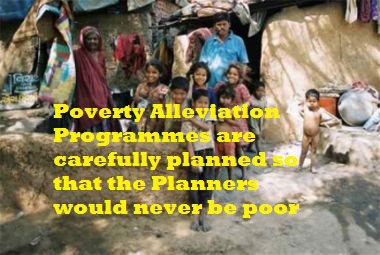
Here is one of my early quotes about the reality of Poverty Alleviation Programmes:
Poverty Alleviation ProgrammesMany times, My Quotes are regarding prevalent fads. Here is one of them:
LikeI have made many that are simply ‘tongue in cheek’. This one was well liked. Indeed, a friend commented that in future she would think of this every time in a discussion:
Making up Mind
I then started with Alternate Definitions of words. This one is my very first effort:
Dogmatic
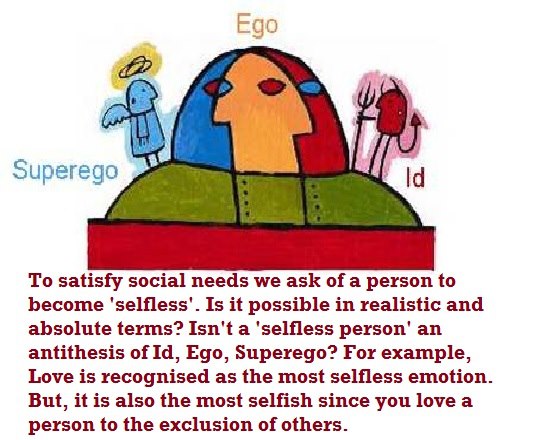
I have always been interested in Psychology and Philosophy. In this blog itself there is a section on Philosophy. Naturally, therefore, many of my quotes are on this subject. Here is one:
Ego etc
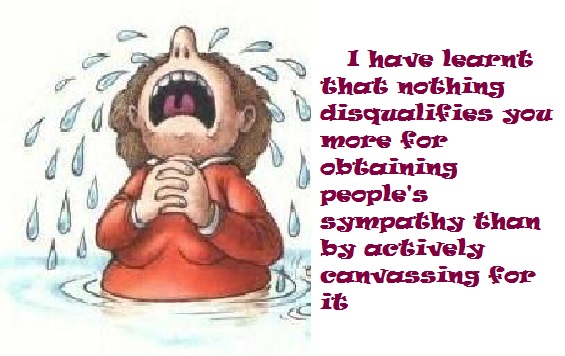
Some of my quotes are based on my observations and lessons that I have learnt in life. Here is one based on my observations:
Sympathy
I simply adored our dog Roger. I have made a number of quotes about Dog as the Master of Man. This is a simple one:
Roger and Us
Half way through, I reminded everyone not to be rooted to the ideas of the sages and saints of the past by believing that somehow they are the only ones who could say wise things. Taste this:
Saints and Sages
Subject of God has also been favourite with me. This became my most popular Quote:
God's Miracle
My love of dogs in general and Roger in particular is a recurring theme with me. Taste this:
Gruesome
I delve a lot into finding answers to Philosophical and Meta-Physical questions; questions about space, universe, God, Religion etc. I have a section called ‘Philosophy’ on my blog, wherein I give vent to these. Here is one of the quotes regarding this:
Sun and Earth
Love and Hate are subjects of Quotes for me too. Here is a genuine doubt reflected in a quote:
Love and Hate
Whilst being on the subject of Love and Hate, here is one about Love and War and the uselessness of loving war:
Love and War
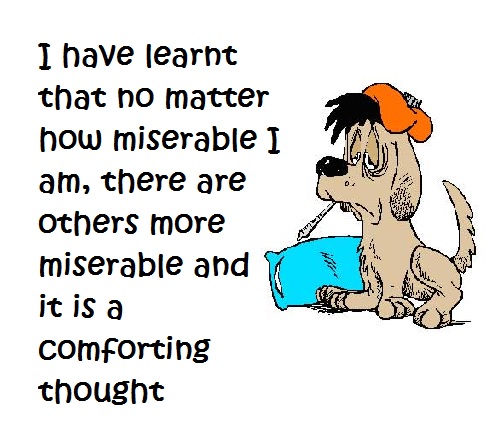
All of us need some comforting thought or the other. For me, my most grateful thought has been that somehow God has not made me as miserable as He has made others. Thank God for that:
Miserable
Here is a real tongue-in-cheek on the abundance of Free Advice available on the net these days, including my own!
Free Advice1
Mahatma Gandhi believed in Simplicity. I have tried to reason out that most of Life’s lessons are simple indeed. Take a look:
Simple Lessons
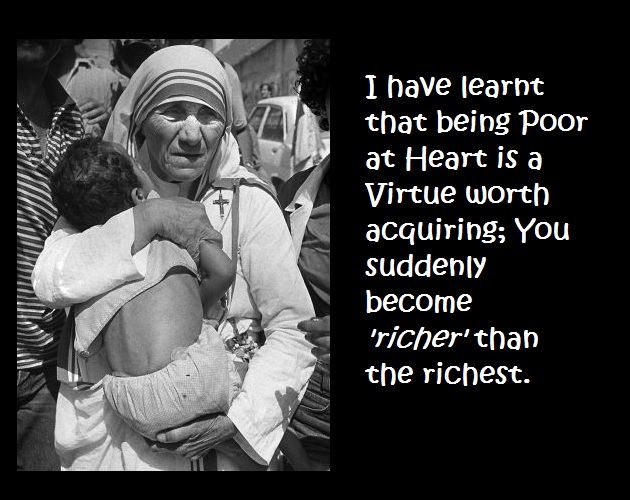
Talking about Simplicity leading to Greatness, I genuinely feel that Being Poor at Heart is a great virtue indeed. The Quote below was as a result of this:
Poor at Heart
Here is my Quote on the Indian festival of Colour called Holi. This is totally tongue-in-cheek:
Happy Holi
Love and Hate continued to fascinate me. One result was:
Love and Hate (2)
I considered that no subject is a taboo for me. The following is on the subject of Sex and it generated a fair deal of healthy discussion:
Sex Fantasy
I also make Quotes on my observations. Here is one about great communication skills being mistaken for great knowledge:
http://www.dreamstime.com/-image21746016
Here is a bit of advice about giving and rendering service for others who can do nothing for you except to give you the gift of advice; but, it is the greatest gift.
Smile
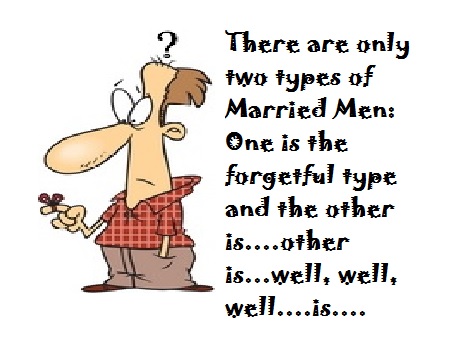
Here is a humorous take on ‘forgetful husbands’. Is there another kind?
Forgetful man
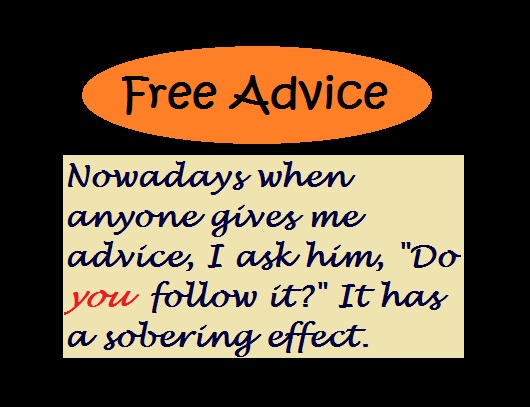
Here is another one on Free Advice:
Free Advice
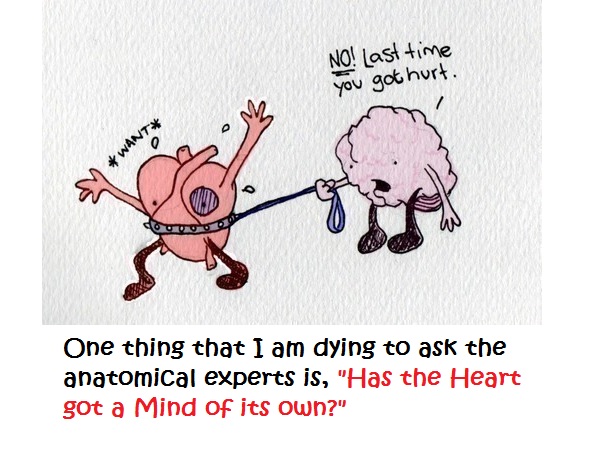
I asked a genuine doubt if Heart has a Mind of its own. I received a number of smart answers:
Heart and Mind
And here is one about the place of Ego in Love:
Love and Ego
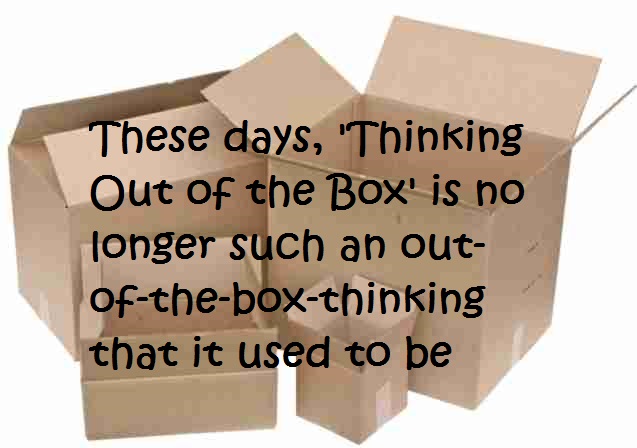
Here is a real good one about the oft touted ‘Out-of-the-box’ thinking. Does it bring a smile on your face?
Out of Box
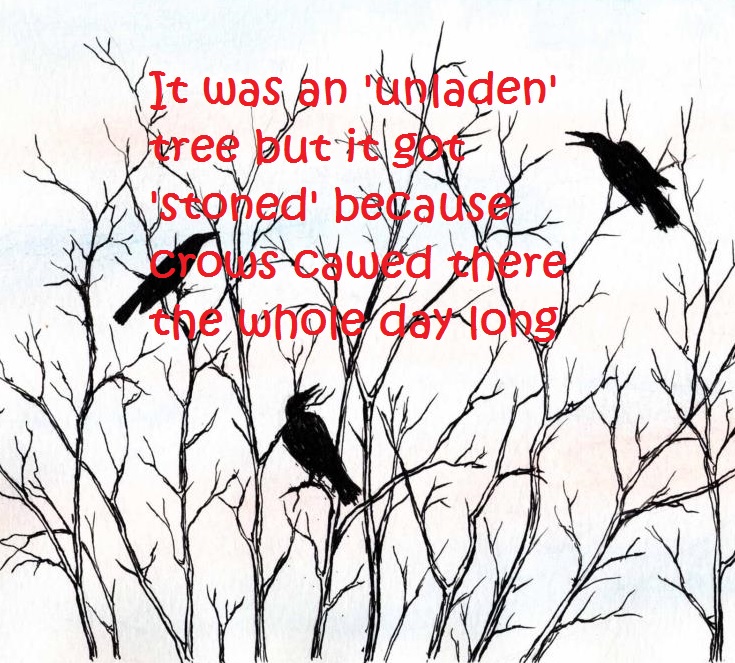
Here is one about taking on a popular saying and making the logic of it stand on its head. It was very well received:
Tree with Crows
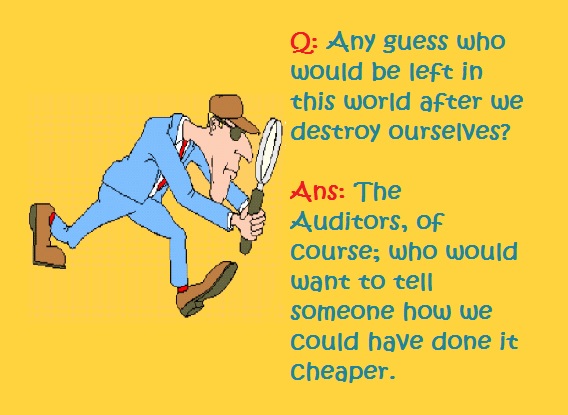
Here is a dig on the ubiquitous and all powerful auditors: a necessary evil!
Auditors
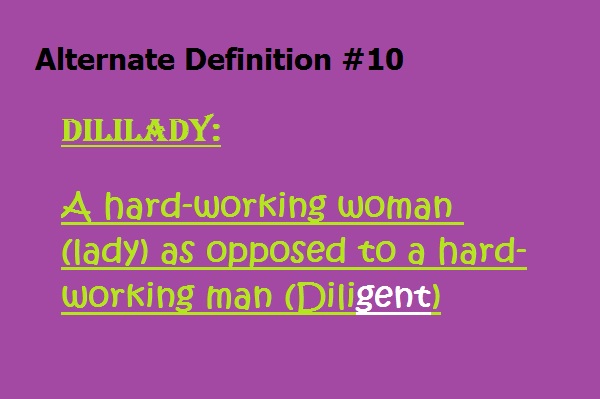
Ever heard of a word called Dililady? No? Well read the meaning:
Dililady
Finally, let me end with one about the Mightier doing horrible things to those whom they find Meek and different; which is half the humanity or more! I cannot forget growing up as a boy belonging to a minority community in a majority state and being subjected to relentless taunts, abuses, innuendo and violence.
Oh to be a Woman I am sure by now I have convinced you to subscribe to ‘Make Your Own Quotes’. What do you have to pay for the subscription? Nothing; not a paisa. It is totally free. All that you have to do is to Like the Page and it would be delivered to you on Facebook. You can make your own quotes and share these too with others.

Indian Media And The Dumbing Down Of The Indian Society

Many years back most of the national English language dailies gave prominent headlines about the elusive con man Charles Sobhraj having been caught by police in Nepal. It immediately earned the newspapers valid criticism that such news, considered ‘juicy’ by the media, wasn’t worthy of being of such value as being given in headlines in a country beset with problems of poverty, disasters, disease, infant mortality, lack of infrastructure and corruption. Right-minded people, angrily writing to the ombudsmen of these dailies, pointed out that whilst such news could pass muster in western countries who have gotten over their basic problems of subsistence and hence required such news to fight boredom; in a developing country like India, such news, at best, could find a small mention on an inside page.

A few decades later, some of these newspapers covered themselves in ignominy by giving a six column ‘news’ of the Indian cricketer Yuvraj having hit six sixes in an over; the earlier incidents of such six-columns news being to cover the 1971 War with Pakistan; and the 1975 Declaration of Emergency. Not many eyebrows were raised; the reason being that coincident with our GDP growth, the dumbing down of the Indian society had begun in real earnest and it was either gleefully instigated by the Indian media (with an eye on their TRPs) or reflected in their reports. (Read: ‘Indians – Bartering Character For Prosperity’)

The electronic media is even worse. With the rapid mushrooming of channels, there is an unhealthy race to break news irrespective of whether it is news-worthy or not and in many cases without even checking the authenticity of the news. (Read: ‘Breaking News – Indian Style’)

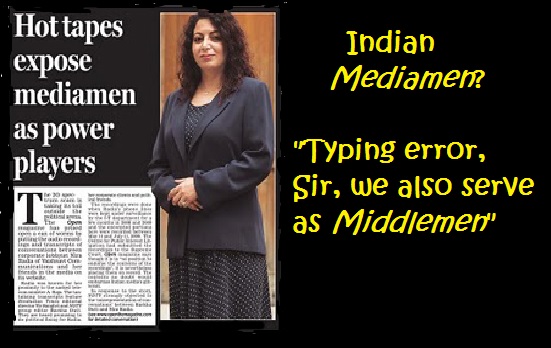
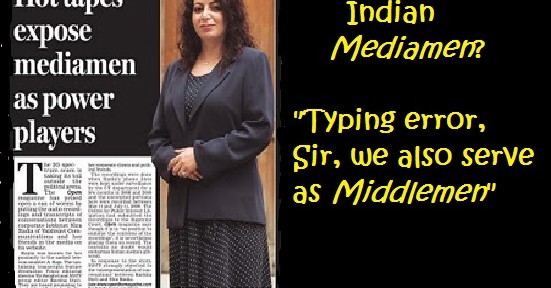
Therefore, three days back, by giving the ‘news‘ about a naval officer’s wife’s allegation that “navy officers indulge in wife swaps”, on the front page of the newspaper and repeating the story on an inside page, the media has displayed its penchant for scurrilous writing so as to remain a topper in circulation. The same newspaper carried the news about Lieutenant Commander Abhilash Tomy having been ceremoniously received by the President of India after his solo, unassisted, and non-stop circumnavigation around the world apologetically, almost as an aside. The feat accomplished by the young sailor surpassed any other sporting/adventure feat in the country but the media wasn’t impressed. Good news just doesn’t sell. We have seen the media personnel at their worst in the Radiia Tapes expose’, bringing out the unhealthy nexus between the media, the politicians and the industrialists. Radiia tapes were, once again, a reminder that News coverage is not a public service; it is a no-holds-barred commercial venture and the media-men are not averse to acting as power brokers and middlemen in Indian politics.

Indian Mediamen

Lets therefore critically examine the news worthiness of media items and shun scurrilous coverage. How is it that an expose of Swiss bank accounts of prominent personalities is invariably accompanied by denials by the same people on the front page itself? It is these slants and nuances that make the difference in public perception; and the media is well aware of it. Lets say I have to write an article titled: “MOST MEDIA PERSONNEL ARE POODLES OF POLITICIANS AND INDUSTRIALISTS” and credit this quote to one of my friends and publish this in my blog and somewhere in between in the same blog I bring out the good work done by some of the media in exposing corruption, it is of no use because the title would have done enormous damage to the reputation of the media despite the fact that my circulation may be in hundreds as compared to lakhs of the newspapers.

A few years back the CNO (Chief of Naval Operations) of the US Navy visited Mumbai. Even though he is one of the most influential people in the world, very few media personnel attended his press conference. The reason was that most media personnel went to cover Abhishek Bachchan’s wedding with Aishwarya. Some of them were turned away from there since they were not invited but like poodles they didn’t want to miss the mega event. They are simply the most irresponsible media in the world now and their dumbing down is reflected in our society’s general dumbing down.

Manmohan Desai used to make trash movies about brothers getting lost at birth and getting reunited in the end through charms or tattoos on their arms. Trash or not MD laughed all the way to the bank because of the “popularity” of his movies like Dharam Veer and Amar Akbar Antony. In a press interview, once, he claimed that he was giving to people what they wanted. The same argument is given by our media for such scurrilous coverage. Their coverage has as much substance as Manmohan Desai’s movies. The liquor baron, Ponty Chadha, also “gave to people what they wanted”, ie, illicit liquor. The Indian media, Manmohan Desai and Ponty Chaddha all appear to be chips of the same block.

Lets, for argument’s sake, take it that there is some truth in the naval wife’s charge; however, the way the newspaper has covered it is still scurrilous. It is not worthy of a front page coverage unless the intention is to show navy officers in poor light and thereby maintain or increase the paper’s circulation. A few years back the same newspaper championed the cause of bar dancers in Mumbai on the front page for several days. And then it puts up claims that its national circulation is better than the combined circulation of the next two papers. Is it any surprise how they manage it?

About six months back they were taken to the court on a Public Interest Litigation (PIL) about the quality of their contents (dumbing down). They managed to win the case in the court but the fact of their being taken to the court is indicative of the gap that exists in the newspapers’ understanding of what the people want and what people really want.

In the year 1997, on 31st Aug, I watched the aftermath of Lady Diane’s demise and funeral on the BBC. Every time the camera caught a uniformed guard resting or relaxing, it instinctively moved away. For our media, a soldier resting on his bayonet, taking off his cap or lighting up a cigarette is the only ‘newsworthy’ item of their coverage of the armed forces.

Take the present front page ‘news’ for example; what is the message that the newspaper wants to send? That wife-swapping is a common practice in the Navy? That unless they voice it on the front page, the Navy would merrily go on with wife swapping with impunity? And worse, national security is grossly undermined by wife-swapping amongst naval officers.

There are many events nowadays that display the general dumbing down of the Indian society. However, two of the events that are representative of this phenomenon are the IPL and the Religious Fests. Both are supported in a huge manner by the media, both electronic and print. IPL has as much to do with a game of cricket as Shiela Ki Jawani has to do with Empowerment of Women. Similarly, our religious fests are also mega commercial opportunities and have very little to do with bringing us close to godly or righteous living. (Read ‘Who Are The “People” Whose “Sentiments Need To Be Respected”?’, ‘State Sponsored Noise’, ‘Greatness of India and its Decline’ and ‘A Quieter Mumbai – Is it a Pipe-Dream?’)

It can be argued that the Indian politician does not want Indians to become educated and more aware; because, if they do, they would certainly not vote for his divisive politics, hood-winking people, corruption and the like. Similarly, it doesn’t appear to be in the interest of the media to focus on real issues affecting the nation because then the trash that goes in the name of ‘news’ won’t sell and the media loses money.

What then is the solution? Our experience with the failed campaign for Lok Ayukta shows that the people who have much to gain from a corrupt society in terms of power and money cannot be expected to pass laws curbing their own powers. Similarly, the media cannot be relied upon to curb its penchant for the sensational and scandalous because of the TRPs that are translated into more money, influence and power. Therefore, people at large have to do the needful themselves. Fortunately, Indians are belatedly realising the power of the social media. We, the people, have to be our own watch-dogs and expose and repel any attempts to be scurrilous and scandalous.

I just did.

GAREEB AUR ABLA KAUN?

मेरे जज़्बात मेरे दिल के आँगन में खेलते हैं,
मुझे अकेला पा के वह खूब मुझे छेड़ते हैं,
“पैदा ही ऐसे हुई थी या बन गयी हालात में?
क्या पाया तूने अपने बचपन के हसीन ख्वाब में?”

“एक तू औरत है, और वह भी गरीब है,
दोनों का पैदा होना इस मुल्क में बदनसीब है,
कभी भी कोई भी तेरी इज्ज़त का हो सकता है खरीद-दार,
इधर खड़ा है दरोगा, उधर बैठा है ज़मींदार”

ऐसा लगता है बारूद के मैदान से गुज़रना है तुझे,
या हर रोज़ केले के छिलके पे फिसलना है तुझे,
हैवान ही हैवान हैं, शैतान ही शैतान हैं,
ईमान के रखवाले भी दिखते यहाँ बेइमान हैंI

इक छोटे मेमने को जैसे जंगले पार जाना हो,
खूंखार भेड़ियों ने उसे जिंदा या मार खाना हो,
खेलना उछलना क्या मेमने का हक नहीं है?
Jungle Rule सिर्फ जंगल तक नहीं है?

अबला हूँ, गरीब हूँ, नादान हूँ, मजबूर हूँ,
फिर भी मैं अपने माँ बाप की आँख का नूर हूँ,
क्या वह गरीब नहीं जिन्हें नहीं मिली इंसानियत की दौलत?
क्या वह अबला नहीं जिनकी मर्दानगी बन गयी है वेह्शत?

वह जो हर दम अपनी हबस के रहते हैं गुलाम,
कौन करेगा उनकी ताक़त को सलाम?
वह असल में कमज़ोर और गरीब हैं,
हमारे मुल्क, सोहबत और रिवायत के रकीब हैंI

मेरे जैसी औरतें लक्ष्मी, सीता, दुर्गा और सरस्वती बनी,
पर समाज के हाथों में वह सती बनी,
इक नया सूरज निकलेगा बदलेगा हमारा नसीब,
फिर देखेंगा कौन रहेगा अबला और गरीब?

दौर बदलेगा मेरी नाज़ुक रगें कहती हैं,
सदियों से बुजदिल मर्दों का दिया ये सहती हैं;
जल्द ही इक ऐसा तूफ़ान आएगा,
उनकी झूटी ताक़त और शान बहा ले जाएगा I

मेरा इक रूप है महाकाली,
जिसका कोई वार ना जाए खली;
शिव भी शव हैं शक्ति के बगैर,
जनमा है तुम्हें मैंने अब मौत की मनाओ खैर I

MAHAKALI

Mere jazbaat mere dil ke aangan mein khelte hain,
Mujhe akela paa ke woh khoob mujhe chhedte hain,
“Paida hi aise hui thi yaa ban gayi halaat se?
Kya payaa toone apne bachpan ke hasin khwaab mein?”

“Ek tu aurat hai woh bhi gareeb hai,
Dono kaa paida hona is mulk mein badnaseeb hai,
Kabhi bhi koi bhi teri izzat ka ho sakta hai khareed-daar,
Idhar khada hai daroga, udhar baitha hai zamindaar.”

Aisa lagta hai barood ke maidan se guzarna hai tujhe,
Yaa har roz kaile ke chhilke pe fisalana hai tujhe
Haiwaan hi haiwaan hain, shaitaan hi shaitaan hain,
Imaan ke rakhwaale bhi dikhate yahan beimaan hain.

Ik chhote memne ko jaise jungle paar jaana ho,
Khunkhaar bhediyon ne use zinda yaa maar khana ho,
Khelna uchhalna kya memne ka haq nahin hai?
Kya Jungle Rule sirf Jungle tak nahin hai?

Abla hoon, gareeb hoon, nadaan hoon, majboor hoon,
Phir bhi main apne maa baap ki aankh ka noor hoon.
Kya woh gareeb nahin jinhe nahin mili insaaniyat ki daulat?
Kya woh abla nahin jinaki mardaangi ban gayi hai vehshat?

Woh jo har dam apni habas ke rehte hain gulaam,
Kaun karega unaki taaqat ko salaam?
Woh asal mein kamzor aur gareeb hain,
Hamare mulk, sohbat aur rivaayat ke rakeeb hain.

Mere jaisi aurten Lakshmi, Sita, Durga aur Saraswati bani,
Per samaaj ke haathon mein woh sati bani.
Ik naya sooraj nikalega badlega hamaara neseeb,
Phir dekhenga kaun rahega abla aur gareeb.

Daur badlega meri naazuk ragein kehati hain,
Sadiyon se buzdil mardon ka diya ye sehati hain.
Jald hi ik aisa toofaan aayega,
Unaki jhooti taqat aur shaan baha le jaayega.

Meraa ik roop hai Mahakali,
Jisaka koi vaar naa jaaye khali.
Shiva bhi Shav hain Shakti ke bagair,
Janama hai tumhein maine ab maut ki manao khair.

A RECIPE CALLED LIFE

Everyone knows how to
Make it, bake it
Dress it, serve it
Relish it, taste it.
All have same ingredients; and yet
Some make a khichadi
A total mess of taste and aroma.
Others like it spicy and hot.
… And some manage that extra flavour
A unique mix.
Some like it on slow simmer
Others like it quick and fast.
Isn’t it amazing
That with the same ingredients
It comes out sweet for some
And salty, bitter, sour for others?
Is it in its parts?
Or is it in preparation?
Or is it in the serving?

My Life was sweet
Lovely, fabulous
Looked good
Tasted even better.
But, little did I know,
Even after being prepared
You could,
By a magic wand
Take Love away
And leave my Life
Dull, insipid, flat……
…………. And cold.
The same dish I admired
Tasted, enjoyed
I hate it now.
Please don’t ruin my favourite dish
By taking Love away.

Courtesy: bestclipartblog.com

MEMORIES OF 2012 – A YEAR OF HUMAN SPIRIT SOARING AND CRUSHED

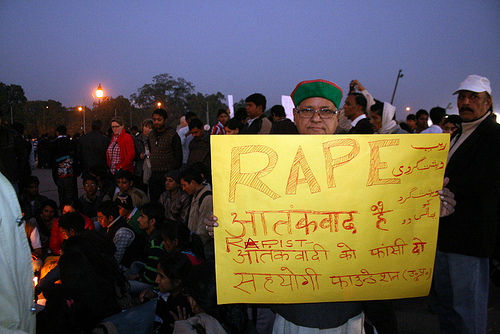
The year 2012 started with Laura Dekker, a sixteen year old Dutch/German/New Zealander becoming the youngest person to circumnavigate the globe single-handed inLaura-Dekker a boat. (Read: ‘The Lure of Going on A Limb’) That was on the 21st of January. The year ended with a 23 years old girl in Delhi being gang-raped in a bus (on the evening of 16 Dec); which finally resulted in her death (13 agonising days later). A newspaper called her Nirbhaya (Hindi for Fearless) not only in deference to the identity of a rape victim to be protected but also to express the hope that human spirit can never be crushed even by the act of the rapists.

Nevertheless, we in India, and especially our women, cannot be faulted in forming the opinion that it is easier for a girl to go around the earth in a boat; but, it is fraught with untold dangers and risks for her to take a bus-ride in Delhi, the (rape) capital of India.

Caption: wired.com
Caption: wired.com

Similarly, on 15th of Oct this year Felix Baumgartner jumped from the edge of space and had a free-fall so as to break the sound-barrier at Mach 1.24 or 833 mph. He jumped from a height of 128,000 feet or 25 miles and landed safely in the desert.

A week before that, The Times of India reported that one in every ten deaths in road accidents in the world occur in India; which is in sharp contrast to India having only 1% of vehicles in the world. This makes it 14 people dying of road accidents in India every hour. We don’t have to go to the edge of the space and jump to get the thrill of near death; we get it everyday on our roads. Yes, the authorities are to be blamed for the poor state of our roads. However, making driving dangerous in India is our own doing. We have no one to blame. (Read: ‘Why Must We Love Indian Roads’ and ‘We Are Like That Only’ and ‘If You Drive In India – Part I’, and Part II)

Courtesy: dayandnightnews.com

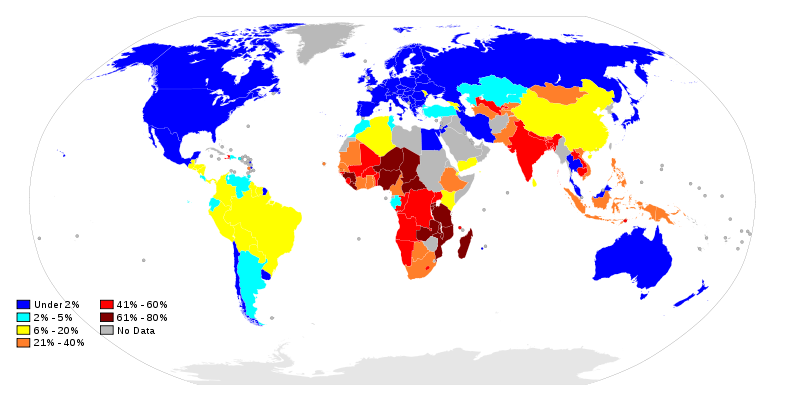
India now has some of the richest people in the world. We have as many as 61 billionaires (counting only those with declared income and not the Ponty Chadha types who grew empires under the very nose of the authorities). The Forbes magazine reported in Oct 2012 that the net worth of 100 richest Indians is $ 250 billion. The estimate of our GDP is $ 1.84 trillion. We are now the tenth largest economy in the world in real terms and third largest in purchasing power parity. And yet, we have the largest populations of poor in the world; a UN Survey in Nov 2011 showed that in the eight northern states of the country we have more poor than in the whole of African continent. Our farmers routinely commit suicide unable to pay loans they take for crops. We are ranked between 120 to 150 in all indices of human growth. However, our state arrogance routinely tout us as very close to becoming a “world power”. We have between 40 to 60 per cent of our people living below the UN designated $1.25 per day mark for poverty.

Courtesy: wikipedia
Courtesy: wikipedia

One in every six people in the world is now an Indian. Yet, in the Olympics, with our best performance ever in the number of medals (2 silver and 4 bronze) we were ranked 55th. (Read: ‘Olympics Are Biased Against Indians’) Cricket is the only game in which we are somewhere in the top; but, getting there makes us so complacent that we again start competing for the bottom immediately after reaching those heights. Indeed, a jamboree called IPL shows that we like to gloat in money power more than any finesse in the actual game.

Our judicial system is so bad (Read: The Great Indian Judicial Circus) that most Indians do not hope to get any justice during their life-time. The Times of India reported on 05 Oct 2012 that we have now 43.22 Lakh cases waiting only in High Courts. As far as numbers in lower courts are concerned one can only say that whilst in positive indices we are at the rock-bottom, in negatives (like road accidents) we are the toppers.

On 5th of Dec this year The Indian Express reported that despite all the focus on anti-corruption campaigns in India (Read: ‘Anna Hazare and the Indian Democracy’; and ‘Anna Hazare and the Indian Middle Class’; and ‘Indians Bartering Character for Prosperity’), India is ranked 94th in Corruption Perception Index (CPI)Ratings by Transparency International.

Our cities and towns are now unliveable with filth and chaos everywhere. Diseases like dengue are assuming alarming proportions (Read my humorous take on potential for energy through waste: Good New for Mumbai). Mumbai recently got ranked as the filthiest big city in the world and Delhi is not far behind.

I can go on and on. Lets see where the hope lies. Some said at the height of our anti-corruption demonstrations this year that the end of patience of our people has been reached and people are now prepared to show zero-tolerance towards corruption. My take on this was that corruption doesn’t exist only in higher circles in India; we are all part of it when we indulge in petty bribe taking and giving. We too have to stop this scourge from spreading just as we accuse those in power.

One of the best programmes that came about the problems that the country faces was Aamir Khan’s Satyamev Jayate. The programme research and presentation were of very high order. It cautioned people against seeking quick-fix solutions but wanted people to at least take the first steps towards putting things right. (Read: ‘Born Free? Satyamev Jayate? Lets Work Towards It’)

That outstanding programme shouldn’t be a distant memory with us as we show angry response from one issue to the other. As 2012 comes to an end lets all resolve that we shall actually do all those things that are necessary to make India a great country and Indians happier, safer, securer, healthier and more knowledgeable.

Here is wishing all my readers a very happy new year: 2013.

NIRBHAYA’S RAPE – A NATIONAL SHAME, TIME TO LOOK WITHIN

One of the media needs to be congratulated for naming her ‘Nirbhaya’ (Fearless). The epithet not just describes her spirit but also what we want women to be in India. While writing in his famous poem (that he wrote in 1910), ‘Where the Mind is Without Fear’ (nirbhaya), Rabindra Nath Tagore, wanted his country, India, to awaken “in that heaven of freedom”. A hundred and two years later, India has not awoken in such freedom as envisaged in the poem. Worse, Indian women, cower and cringe in fear constantly and are as far from being nirbhaya as can be conceived. Indeed, I had questioned in an essay two years back in this blog: ‘Is There Reason to Celebrate Women’s Day in India?‘ And, I continue to ask this question year after year.

With the brutal gang-rape of this 23 old girl in the capital of India and her subsequent tragic death in a Singapore hospital two days ago, once again our national consciousness has been agitated enough to demand capital punishment and stringent laws. The emotionally charged atmosphere in the country in general and in the capital in particular gives hope that perhaps a change through peaceful revolution is just around the corner; and the Nobel Laureate Tagore would finally have his dream come true and “the clear stream of reason” would once again find its way “through the dreary desert sand of dead habit”.

Courtesy: digitaljournal.com

Nothing wrong in this; it is traumatic and intensely sad to be raped. It is equally abhorrent to think that there are people in our society who can think of raping someone and kill someone’s life and happiness for a few minutes of utterly selfish and vicarious enjoyment. However, stringent laws and capital punishments are never a cure; unless we dupe ourselves to believe, for example, that with the Jessica Lall murderer having been brought to book, lives of women at their job places became more secure.

For making women nirbhaya in our country we have to hit at the cause and not just tinker at the symptoms. We have to understand how did we reach this stage of social and moral depredation and degradation? Unless we understand this, we shall once again be wanting to achieve with laws and penal action that we should achieve through awareness, realisation and understanding.

What is the problem with the laws? Section 375 of the Indian Penal Code (IPC), 1860 would give a ‘legal’ definition of rape which is intended, with the assistance of other laws in Criminal Procedure Code (CrPC), and Indian Evidence Act, 187vv2, to being the guilty to book. The main pillar behind the Indian Law is: Let a thousand guilty get away but let not one innocent be punished. Hence, every accused has to be tried out in a court of law and his guilt established beyond “reasonable doubt”. Unlike the courts in China, whereat the Judges have been given freedom to ask any questions to the accused to establish ‘the facts’ having bearing on his or her guilt or innocence, Indian judges have to go by the evidence as presented in the court. Hence, a judge cannot be a prosecutor. Many cases, therefore, however strong they are held in the public eye or the media, fall flat in our courts “for want of evidence”. This can be due to the inefficiency and/or vested interests of the police and the prosecution.

Courtesy: lexcontigo.com

Besides, due to the underlying principle of an accused to be treated as innocent until proved guilty beyond reasonable doubt, every accused is provided with the best defence possible (Remember Kasab?). It would be a travesty of justice if any accused in the country is to be hanged or given any punishment through mob or media trials. This often results in the defence exploiting every loophole in the law to secure the acquittal of the accused including such technicalities as whether ‘penetration’ took place or not as defined in the law. Understandably, the rape victims and their families have to go through this ordeal, which is often as traumatic, if not more, as the act of rape itself.

I noticed in the debates in the electronic media that the women panellists, suddenly sensing an advantage through mob response – an advantage that they never had – are not prepared to listen to anything coming in the way of immediate dispensation of justice for all women. Those essaying to vent any arguments that appears to them as specious or delaying justice are quickly pronounced as sad spectacles of typical male mentality and hence worthy of social scorn. Six years back I was a victim of an assault by a woman in my home-place, which is two thousand kilometres from my place of work, in the Indian Navy. She was trying to achieve through force what the courts had decreed as encroachment on my widowed mother’s land; my mother living there alone after the accidental death of my father 28 years back. They broke through the fence after we left out the encroached portion and I went to repair the fence. The woman charged at me with a stick. And when she was arrested it came out that there were five able bodied men in her house who were waiting to charge at me if I would hit back in reflex action. The police, media and the courts would then believe her story immediately and I could see the headlines: Uniformed Navy Officer, on Leave, Tries to Outrage Modesty of a Woman in his Village. My training stood in the way of their design. I did nothing of the sort as predicted by them. I merely informed the police. She was arrested and produced in a court. The prosecution’s (my) case automatically fell through after six months due to my non-appearance (I had already taken leave twice that year because of their antics). She filed a counter private complaint and for the last six years I am called every now and then to the court to appear as accused at considerable expenditure and agony.

If you think this is an isolated case, there are several I can relate where innocent men are victims of what has come to be known as ‘reverse dowry’. A few years back, in President Hotel in Mumbai, a lady judge accused the Chief Justice of South Africa with Rape after she visited his room at 2 AM. After the Chief Justice spent a night in the Cuffe Parade jail, it came out that the charge against him was palpably false.

Hence, there is no question of the courts letting go of principle of fair-play simply because in one or two cases (as in Nirbhaya’s case) there is overwhelming evidence against the accused. Hence, however stringent we make the Rape Laws and however hard the punishment may be, the rape victims and their families will have to go through this procedure, which may be quite humiliating and agonising to them; just as it has been to me having been wrongly and deliberately framed by a woman in connivance with wrong-doers. Even the retribution of humiliating the accused publicly would not be able to heal the wounds. My plea is that in this emotionally charged atmosphere lets not forget these harsh and practical realities.

Therefore, after having exhausted easy answers that our society sometimes seeks (for example in the case of corruption), sane voices would tell us to look within to make our society respect not just female rights but all rights better. And make our society less intolerant and less violent than it has become lately.

Besides the legal definition of rape, my request is that after the immediacy of Nirbhay’s case has died down, we have to consider two things:

  1. Don’t be like Indian drivers who drive safely for about ten kilometres after seeing an accident.
  2. Shun all attempts to make our society intolerant and violent.

The second point above merits some consideration here. Of course, Rape in the legal definition is a physical act against a female or male (in the recent definition). However, a sensible society should take a more holistic and inclusive definition: it is a mental or physical rape or both if a person or group of persons impose(s) his/her/their will on a person with the intention of killing, injuring, humiliating helpless victims or cause trauma to them.

Courtesy: mental-health-abuse.org

This is a small essay and hence I am not taking you through my complete analysis of the present state of affairs in our country. However, I have reached the conclusion that conscientious law-abiding citizens in our country irrespective of their sex, standing in society, colour and creed, would never be nirbhaya; not in the near future, at least. We are now a certified intolerant and violent society both in our actions and in our thoughts. Not just stray aberrant elements in the society, the state itself could think nothing of arresting and putting behind bars a harmless cartoonist critical of the government: Aseem Trivedi (Read: A Dangerous Profession) under the draconian law on treason and sedition (Section 124A of the Indian Penal Code). We cannot forget the arrest of Shaheen Dhada and her friend Renu under section 505(2) (statements creating or promoting enmity, hatred or ill-will between classes), two Mumbai girls who questioned (on facebook) the state and people going into a tizzy post the death of Balasaheb Thackeray recently. Her facebook status was so harmless that one wonders if she actually had the courage to comment on the alleged lawlessness of his followers, whether she would have met a fate similar to that of Malala Yousafzai in Swat (Pakistan) at the hands of Taliban?
Of course we are in this miserable condition because of the selfishness of our elected representatives and indifference, inefficiency and corruption amongst our so called public-servants (Read: ‘How Proud Should We Be of Indian Republic at 62?’) and our ire is often directed against them in public debates, rallies and demonstrations. However, if we look within, we cannot escape reaching the conclusion that “in a democracy we not only get the government we vote for, we get the government we deserve”. There has been a general decline in our societal norms so much so that I wrote last year an article titled ‘Indians – Bartering Character for Prosperity’. The state and the people are fast learning to hold each other to ransom. Hence, against a rape or killing in Delhi, people goad the government to take immediate action; but, the government doesn’t have to do anything in a hurry against rape in the North East.

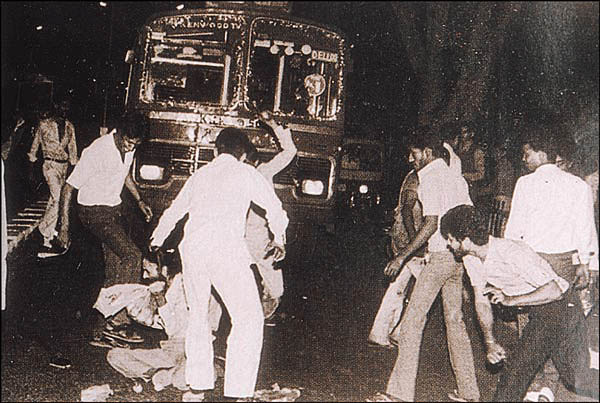
Within the national capital itself, approximately 5000 innocent Sikhs including women and children were killed, butchered, tortured (with burning tyres put around their necks) and all that the anointed Prime Minister had to say was, “When a big tree falls, the earth shakes.” This one unfortunate pronouncement by the most responsible representative of the government laid seeds for and sanctified a violent society seeking immediate retribution through violence. What happened in Godhra a few years later was another manifestation of this mind-set; both these being with the tacit support of the state itself.

Courtesy: ablazingindia.blogspot.com

Not just collectively, even individually, Indians are now, forever, on short fuse. In Mumbai, a driver killed another with a screw-driver when the latter jumped the queue at a Toll Plaza. In Gurgaon, a driver killed the Toll Plaza attendant because the latter demanded change.

Religious and parochial intolerance is so much on the increase that we perpetually cower in mortal fear lest some remark or comment of ours should be viewed as offensive by those whose blind loyalty to religion, region, party or community is often manifested in burning people, buses, vehicles, vandalising, killing and looting.

It is, therefore, being suggested that we now have two India: one comprises  a motley minority of people with liberal, progressive thinking; and the other who are relentlessly being encouraged by politicians and other vested interests to stay medieval, parochial, and seeped in retarded thinking.

In Orissa, a few years back, a man called Dara Singh, was so convinced of his extreme religious ideology that he and his cronies burnt alive in a vehicle a Christian missionary Graham Staines and his two sons Philip (10 years) and Timothy (6 years).

Courtesy: southasianconnection.com

Biases, parochialism, deep-rooted suspicions and vengeful tendencies are, through individual and collective designs, are now prevalent in Indian society more than ever before. We have no patience and no tolerance of others’ views. We commit rapes, in one way or the other, everyday and every minute. And, when shown the mirror, even our intellectuals gloat over our being better than China, Pakistan or other countries taking several steps backwards just as they modernise; it is as if being somewhat pious is considered better than being totally immoral.

I grew up in the state of Himachal. In my school, because of my having inherited my parents religion (which almost all people do without making a choice) and since that was and is a minority religion, the other boys in my school (physically stronger than me), relentlessly teased me about my long hair and being different in other ways. Most of these abuses are unprintable but they had to do with what they thought of my mother, sister and other female members of my family. I was physically and mentally abused on an everyday basis. I should know what rape is all about.
We are very far from being nirbhay, the dream of Tagore and of one of the media. We should learn to be less exploitative and more tolerant and do not allow ourselves to become pawns in the hands of manipulative parochial interests that rape us everyday and every few years we go to the poll booths to vote the same criminals back in power; or, look helplessly when medieval, backward, parochial India votes them back to power.

I am sorry but there are no easy answers to rape; just as there are no easy answers to other national problems that are fast becoming endemic. We have to start at the grass-roots level and liberate our minds of all violence, intolerance, parochialism and medievalism. Yes, laws, deterrence, and other steps to make our women nirbhay are necessary. Yes, exemplary punishment for Damini’s case is necessary. Yes, male mentality has to become better, more benign and less partial. But, simultaneously, we have to take strong steps to make our complete society nirbhay. This cannot be done by people who drive carefully for ten kilometres after witnessing an accident.

To start with, one of my friends has suggested and I endorse his view that in order to express our deep remorse at Nirbhaya’s tragic fate (a fate that could be of any one of us), lets boycott the next Republic Day Parade that is held to showcase India’s modernity and cultural diversity. How can we showcase these virtues when we are seeped in medievalism? Where, as Tagore wrote: Where the world has been broken into fragments by narrow domestic walls.

Rapes are committed in the psyche and the minds much before these are physically done; Abhijeet Mukherjee should know, a Minister in Goa should know, MLAs in Karnataka assembly should know (Guardians of Porn and Morality), ND Tewari should know and all those engaged in contorted moral policing should know.

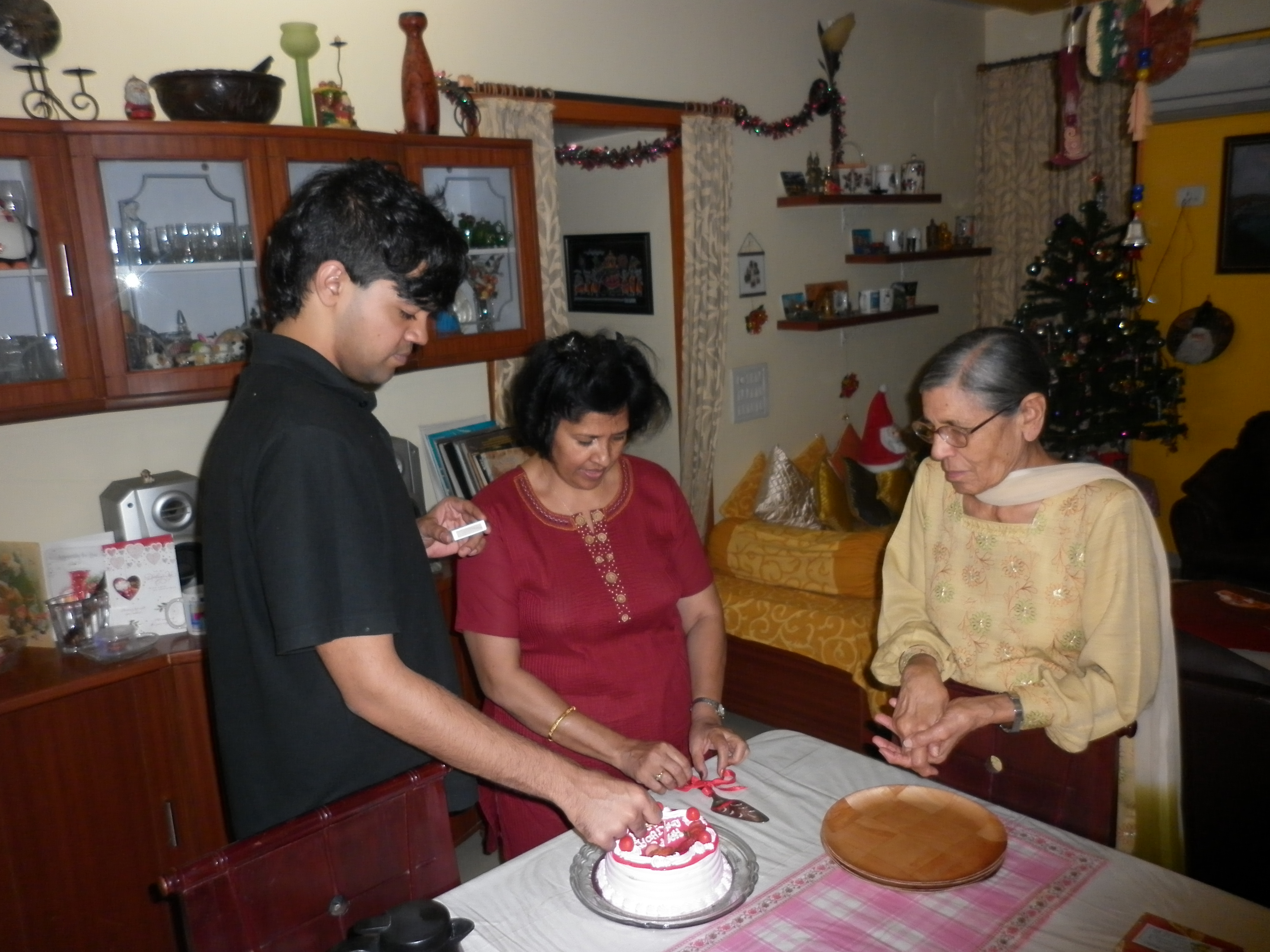
SEASON’S GREETINGS – 2012

Dear Friends,

[lineate][/lineate]Christmas is always a welcome day,[lineate][/lineate]The coming amidst us of our Lord,[lineate][/lineate]At Midnight Mass we gather to pray:[lineate][/lineate]“Thank you, for being with us, O’ God”[lineate][/lineate]

christ-is-born

[lineate][/lineate]“Thank you for giving us great friends,[lineate][/lineate]Our loving family, near and dear ones,[lineate][/lineate]Thank you for giving us enough to meet ends,[lineate][/lineate]And yet have some for cakes and buns.”[lineate][/lineate]

P1040652

[lineate][/lineate]It is also time to pen a few words,[lineate][/lineate]About our life, family and home,[lineate][/lineate]We hope you’d find them better than forwards,[lineate][/lineate]And you’d be tempted to share your own.[lineate][/lineate]

P1040648

[lineate][/lineate]We are still at Kharghar, Navi Mumbai,[lineate][/lineate]Our abode after my retirement,[lineate][/lineate]It is not Paris, London or Shanghai,[lineate][/lineate]But it brings us great contentment.[lineate][/lineate]

IMG00297-20100725-1534

[lineate][/lineate]After all, it is a little nest of our own,[lineate][/lineate]So what if it is really very small?[lineate][/lineate]It never makes us feel alone,[lineate][/lineate]We are, as they say, ‘having a ball.’[lineate][/lineate]

IMG00302-20100725-2037

[lineate][/lineate]My mother lives with us here,[lineate][/lineate]She is now in better health,[lineate][/lineate]Her second childhood makes her doubly dear,[lineate][/lineate]Her blessings are our greatest wealth.[lineate][/lineate]

20121223_134743

[lineate][/lineate]Lyn keeps us all comfy and well fed,[lineate][/lineate]Whilst she battles through her ailment,[lineate][/lineate]She looks as lovely as the day we wed,[lineate][/lineate]Smilingly keeping many an engagement.[lineate][/lineate]

P1040187

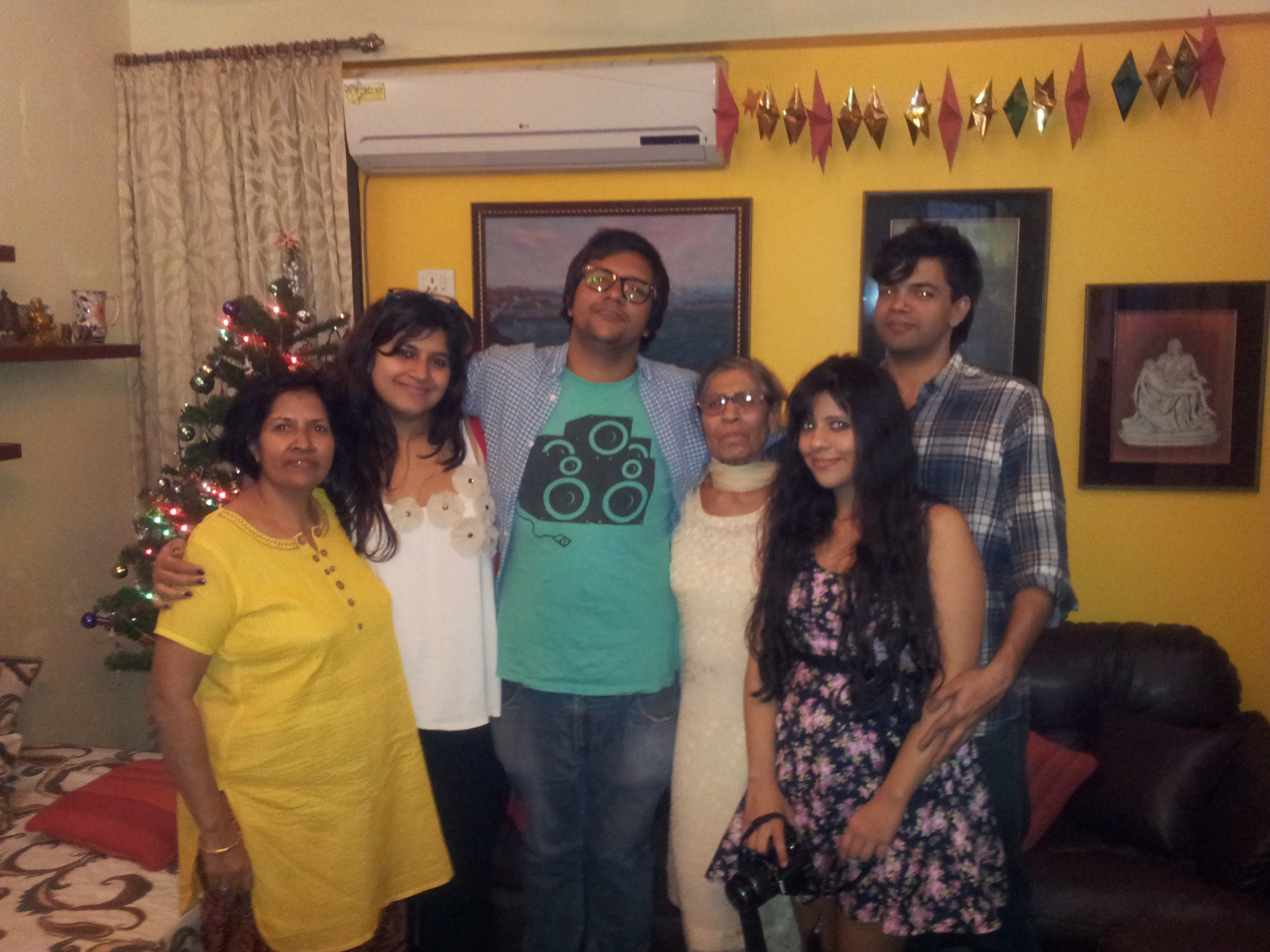
[lineate][/lineate]Arjun is with OML, doing his stuff on NH7,[lineate][/lineate]He has merged indiecision with his new portal;[lineate][/lineate]With his girl Samira he is in seventh heaven,[lineate][/lineate]Though he is, like us, a mere mortal.[lineate][/lineate]

20121225_152445

[lineate][/lineate]Arun is happily with Rhythem and Hues,[lineate][/lineate]Doing his bit on producing animation,[lineate][/lineate]His band Riot Peddlers was recently in the news,[lineate][/lineate]Their performance in I-Rock won them admiration.[lineate][/lineate]

Riot Peddlers

[lineate][/lineate]Arun too has Kirti as his chosen one,[lineate][/lineate]They are happy to be together,[lineate][/lineate]They too joined us for Christmas fun,[lineate][/lineate]No what, why, where and whether.[lineate][/lineate]

20121225_170427

[lineate][/lineate]That leaves me, I am still with Reliance,[lineate][/lineate]Working six days in a week,[lineate][/lineate]Old age has somewhat subdued my defiance,[lineate][/lineate]And made my rebellion a little weak.[lineate][/lineate]

P1030072

[lineate][/lineate]However, I run a blog called sunbyanyname,[lineate][/lineate]My little window to my own world,[lineate][/lineate]I am not after money, applause or fame,[lineate][/lineate]I simply don’t belong to the herd.[lineate][/lineate]

sUNBYANYNAME

[lineate][/lineate]So that is about all of us,[lineate][/lineate]We hope to hear from you, dear,[lineate][/lineate]We wish you a very Merry Christmas[lineate][/lineate]And a Happy New Year.[lineate][/lineate]

20121225_175458

EVER-FRESH ROMANTIC SONGS OF KASHMIR KI KALI

The other day I was tempted to do a blog on the contribution of Bengalis to Hindi cinema and music. I would eventually do it; since there are too many stalwarts: Hrishikesh Mukherjee, Hemant Kumar, Pandit Ravi Shankar, Salil Chaodhary, Kishore Kumar etc, it will take me time to condense this into an average sized blog. Another name that comes to mind is that of Shakti Samanta; the maker (producer and director) of such popular movies as Howrah Bridge, the first film he made, with Ashok Kumar and Madhubala after he founded Shakti Films in 1957. He was born in Burdwan, Bengal, on 13 Jan 1926 and he completed his education from Calcutta University in 1944, though his schooling was in Dehradun.

A total of 43 movies were directed by him (37 in Hindi and 6 in Bengali). He had joined the Hindi films in 1948 and initially he was an assistant director (he had actually joined to become an actor!) for a Raj Kapoor starrer Sunhere Din and a few other movies. His first directorial film was Bahu in 1954. Some of his most successful movies, in addition to Howrah Bridge were Kashmir Ki Kali, Aradhana, China Town, Kati Patang, An Evening In Paris, Amar Prem (about which I have already written), Pagla Kahin Ka (with one of my favourite songs: Tum mujhe youn bhula naa payoge), Ajnabee (Shakti Samanta could actually make Zeenie baby act), Anurodh and Balika Badhu.

His first directorial ventura Howrah Bridge had this Geeta Dutt song: Aaiye mehrabaan baithiye jaane jaan, sung in the movie by Madhubala. What was so catchy about the song; other than the huge-eyed Madhubala? Well, you have guessed it: the inimitable music by OP Nayyar.

So, before I introduce you to the movie of today, let me tell you a wee bit about OP Nayyar. The other day I was watching a tribute to OP Nayyar on a late night show on the telly. He didn’t let Lata Mangeshkar sing any of his songs. The reason? He didn’t find her voice sexy enough! So, it was Geeta Dutt and his heart-throb (in the programme he called her “almost a wife to me”) Asha Bhosle. He was the only music director who gave some of the best numbers to supporting actors; the best that comes to mind is ‘Ai dil hai mushkil jeena yahan, yeh hai Bomabay, meri jaan’, which was picturised on Johnny Walker. OP Nayyar’s music was foot tapping, horse-trot, and so popular that he must be having a record of sorts for having the maximum number of super hit songs in movies.

With this lets come to the movie of today: Kashmir Ki Kali (Blossom of Kashmir), the debut film of Sharmila Tagore (another Bengali and the great grand niece of Nobel Laureate Rabindra Nath Tagore); she having acted in and as Kashmir Ki Kali.

Sharmila Tagore in and as 'Kashmir Ki Kali', hewr debut film.
Sharmila Tagore in and as ‘Kashmir Ki Kali’, her debut film.

Lets take a brief look at the story before we come to the ever-green songs of KKK:

Wealthy and pampered Rajiv Lal (Shammi Kapoor) is the only son of widowed Rani Maa. At the silver jubilee of the mill that his father, the late Sanjiv Lal, opened 25 years ago, he announces a prize reward of 5 lakh rupees for all the workers, annoying his mother. A servant at the house, Karuna (Mridula Rani), suggests marrying him off to stop his immature antics, to which Rani Maa agrees. Her manager, Shyamlal, arranges for her to meet some girls, as she insists that Rajiv will marry a girl of her choice. Rajiv returns home and sees all the girls – he correctly surmises that his mother is getting him married, and he pretends to be a mute who walks with a limp in order to chase all the prospective suitors off. His plan succeeds, although he is in a dilemma – what should he do now? His mother is furious at him. One of his friends suggests that he should run away to their bungalow in Kashmir – after all, Rani Maa never goes there.

Upon arrival, he finds that his estate manager, Bholaram (Dhumal), has made a hotel out of their bungalow and has even rented out some rooms for the season. He tells the tenants that he is Rajiv Lal, although when he meets Bholaram, the latter informs him that Rani Maa had called him, and told him not to let Rajiv stay at the bungalow, should he come. Rajiv manages to convince Bholaram to tell Rani Maa that he is not there. Bholaram tells the tenants in the house that Rajiv is in fact mad, and in his madness, thinks that he is the real owner of the estate.

The next day, Rajiv meets Champa (Sharmila Tagore), a girl who sells flowers for a living. He buys her flowers for 20 rupees when they are priced at 5 for the whole basket, and tells her that he is not the owner, but the driver. Soon enough, after a few misadventures, they fall in love and decide to marry, but there are a few obstacles. First of all, Mohan (Pran), the forest manager, has loaned out some money to Champa’s father, Dinu (Nazir Hussain), and he insists that he will marry Champa if Dinu cannot repay the debt.

With this background, lets now look at Kashmir Ki Kali’s songs that were penned by SH Bihari and music was composed by OP Nayyar. Before that, shouldn’t we say a bit about the lyricist SH Bihar, who was – you guessed it – from Bihar; that was rather easy, isn’t it? But, how many of you would know that besides writing in Hindi and Urdu, he was also fluent in Bengali? He is the lyricist of my chosen best-love-song-ever written: ‘Na ye chand hoga na tare rahenge’ for the 1954 movie Shart and sung by two of my favourite Bengali singers: Hemant Kumar and Geeta Dutt. I often quote this song for a becoming directness displayed by a woman in the year 1954 when even to look at a man longer than a few seconds was considered bold. Taste this:

Kahun kya mere dil ka armaan kya hai
Tumhen har ghadi choomna chaahata hai
Kahan tak bhala dil ko maare rahenge
Na ye chand hoga…

Some of the other songs of SH Bihari are:

Aap se maine meri jaan mohabbat ki hai
Zulfon ko hata lo chehre se
Raton ko chori chori
Unse mili nazar ke mere hosh ud gaye
Lakhon hain yahan dilwaale
Kajra mohabbat waala
and, Zara haule haule chalo mere sajana

Okay, then, the long wait is over; and we are ready to re-introduce you to ever-fresh songs of Kashmir Ki Kali.

My choice number one is Isharon isharon mein dil lene waale, a duet between Mohammad Rafi and Asha Bhosle, and Sharmila coyly telling Shammi Kapoor who is more used to openness in love:

Mohabbat jo karte hain vo,
Mohabbat jatate nahin;
Dhadkane apne dil ki kabhi,
Kisi ko sunaate nahin…

Enjoy:

Guys and gals, if you have liked the post so far, do I have your permission to put on the second song: Ye chand saa roshan chehra; in which OP Nayyar has done wonders with just one word Taareef? Thank you, here goes. Sound of Taareef is accompanied by clapping or applause in the song that only OP Nayyar could have accomplished.

However, before we proceed to the song, and even though I have written volumes about Mohammad Rafi, it is still alright to take a pause and think of his excellence of singing and getting into the personality of the hero through his singing. Knowing that Shammi Kapoor was boyish and sexy (a la Elvis Presley), he has given him that kind of voice in the song.

Enjoy: Ye chand sa roshan chehra

And if you feel that Mohammad Rafi did wonders in the previous song, then you better know how to receive the next one! These are the songs through which we feel Mohammad Rafi was God of Songs. This is the song about describing the beauty of the flower girl Sharmila. The other day, I did mention that when it came to singing about women’s husn (beauty) there was nothing to beat Mohammad Rafi. Oh, you didn’t read that? Well go on Lyrical and watch Mohammad Rafi sing for Dharmendra: Zikar hota hai jab qyaamat ka, or Chaudhvin ka chaand, or Husn waale tera jawaab nahin, or Main nigaahen tere chehre se, and Aapke haseen rukh pe aaj naya noor hai.

Anyway, here, enjoy: Suhaan allah, hai, haseen chehra, hai….

Bhangra artists were specially taken from Punjab to Kashmir for this song but the weather turned bad and they had to wait for a few days before it was sunny. Well, it was well worth the wait. Here is the Bhangra song: Hai re hai ye mere haath mein tera haath….meri jaan balle balle…What would a Bihari know about Bhangra? Isn’t that the greatness of India and Hindi movies?

Enjoy:

Having declined to marry at the behest or urging of his mother, Rani Maa, here is Shammi Kapoor telling you why. According to him the world belongs to him who has someone to love. Youth and the equisite beauty of Kashmir would stand witness to these sentiments. It required someone like SH Bihari to capture them and OP Nayyar to set the chords afire and Mohammad Rafi to voice them so lyrically.

Enjoy: Ye duniya usi ki, zamana usi kaa… 

The lyrics of this song are outstanding to express young first love and the interlude o ho ho, aa haa haa sets the pace for the song: ye dekh ke dil jhooma, li pyaar ne angdaayi…diwana hua baadal.

Now that Shammi Kapoor has left us, can you just close your eyes and imagine him sing this lovely number with his boyish romantic antics? When pyaar takes angdaai, he takes angdaai himself! And she? Well, she says she was reduced to being a mere twig in the current of love.

Enjoy: Diwana hua baadal…

You have to now think of Shammi Kapoor running away from the bondage of an impending marriage to the freedom of Kashmir and talking aloud (singing) that finally he would have to fall in love (just as good as that a man has to find a job or become a graduate!). To express these feelings, SH Bihari wrote the most wonderful lyrics.

Enjoy: Kisi na kisi se dil lagana padega…

And if Shammi Kapoor is thinking of romance in the invigorating air of the Paradise on Earth: Kashmir, Sharmila is not far behind. Here is Asha Bhosle singing for her in her “sexy” voice: Balmaa khuli hawa mein…

Enjoy:

No sad song in KKK, you will ask me? Is OP Nayyar only about lively songs? No, guys and gals, you have another guess coming. And the same is true for Asha Bhosle too. She too can sing a sad number with ease.

Enjoy: Phir thes lagi dil ko, phir yaad ne tadpaya…

If you think the only love affair was between OP Nayyar’s heroes and heroines in the movies, you haven’t heard all. The moment Asha Bhosle stopped singing for OP Nayyar, he took a vow never to compose music again. Real time love is greater than reel time love, is it?

What about Shakti Samanta? He received the Best Film awards for Aradhana, Anuraag and Amaanush…..however, Kashmir Ki Kali remained a favourite with him until he died on 9th April 2009. Sharmila Tagore remained his favourite actress…..Amar Prem?

Kashmir may be considered by Pakistan as a bone of contention. However, as far as India and Indians are concerned, it is a symbol of love….an ever-fresh love….like Kashmir Ki Kali.

BEYOND THE MIRAGE – A FAIRY TALE

Hungry and thirsty
Wandering in “the dreary desert sand of dead habit”
He finally came across a pool
Different from most Indian pools
It had lucid water
He could clearly see the base
It was unlike other bottomless pits.

The man was fascinated
He longed to drink of it
Have a dip in it
And come out clean and quenched
All sins forgiven and forgotten
Darkness of past merging with future’s shine
Despite living in the filth and mire of present.

Courtesy: surprisinglyamazing.com
Courtesy: surprisinglyamzing.com

He removed his clothes
Including the last shred of false decency
And stood naked but proud
That finally he could swim in purity and openness
A great weight was about to be lifted
As soon as he’d take the plunge
Into the pond of purgation.

“Stop”, he heard a commanding voice
Though he couldn’t see anyone
He looked all around him for the speaker
But, he couldn’t find anyone
Defeated he was about to give up
But then he noticed in a tree near the pond
A parakeet.

“Who are you?” he asked
“You are an Indian, you won’t know me”
Replied the parakeet sadly, “I am named ‘Charitra‘”
“Strange name” said the man, “Never heard of you”
“Yes, nowadays I am rare” said the parakeet,
“But, I nested all over India before I became extinct”
“I am the last of my species.”

The man was happy he saw something rare.
“Why did you stop me from jumping in the pool?
“This is a pool of honesty” said the bird
“People come out changed and pure;
But become misfits to survive”
“I don’t want you to die;
You may jump if you want to, though”

‘Washing away sins is one thing’ thought the man
‘But, dying in the process is undesirable’
Suddenly, a thought occurred to him
And he spoke it out loud:
“What can I do to survive a dip in the Honest Pool?”
“Simple” replied Charitra, “Don’t let me become extinct,
Return me to live with people.”

“What do I have to do for that?”
Asked the man confused
“Simple” said Charitra, “Go to people and ask them to own me,
To have me back.”
“It will take ages” bemoaned the man,
“I will be dead before they accept you back.”
“Try” said the parakeet, “I will give you wings to fly.”

The man flew with Charitra
And went to all classes and conditions of people
Netas, babus, doctors, engineers
Religious leaders, sports people, industrialists
Even media people and
Sadly no one wanted Charitra back
Having bartered it for money and fame.

“What can Charitra do for us” many asked,
“Why should we want it back?”
To this the man gave his recently learnt reply:
“It can make you have a dip in Honest Pool,
“And make you survive the plunge.”
“Not good enough” they all crowed,
“We have the best dips that money can buy.”

He kept flying with Charitra on his side
Only to become disillusioned, defeated, frustrated
‘Not one person in my country’ he thought
‘Has any use for this dying parakeet’
He wanted to have a dive in the pool
But, alone, he didn’t want to die
What could he do, he was alone and weak?

Suddenly, his powers to fly were gone
And he was grounded again
And the parakeet flew towards a sunset
And total darkness engulfed the nation
With people groping helplessly
Looking eastwards wistfully
For a golden sunrise
Bringing back Charitra, the elusive parakeet.

IMMORTAL SONGS OF MUGHAL-E-AZAM

Mughal-e-Azam (The Greatest of the Moghuls) was a film that starred Prithviraj Kapoor as Emperor Akbar, Durga Khote as the Queen, Dilip Kumar as the young prince Salim (later to become Emperor Jehangir) and Madhubala as Anarkali, a court dancer with whom Salim falls so much in love with that he wants to make her his wife, the future queen of India. She only has to reckon with two things: Nigar Sultana as Bahar, a high-ranked court dancer who wishes to ascend to the throne; and the wrath of Mughal-e-Azam. Salim takes head on the wrath of his father and is defeated in war. His life is spared by Anarkali accepting to have nothing to do with him much against her heart’s desire, so that the emperor would spare Salim’s life. Finally, Anarkali’s life too is spared by the Emperor in gratitude for an earlier favour done to him by her mother. The movie was directed by K Asif and produced by Shapoorji Pallonji for a that-time-princely-budget of 1.5 Crores Rupees.

(Courtesy: cineplot.com)

The movie was released on 5th Aug 1960 and big budget was not the only milestone of Indian Cinema that the movie crossed. It was considered so much of a classic in every respect that on 12 Nov 2004, it was released again in colour. The soundtrack of Mughal-e-Azam received universal acclaim from critics in India, and is often cited as one of the best soundtracks in Bollywood history. Shahid Khan, writing for Planet Bollywood, gave the soundtrack a perfect 10 out of 10 stars. In 2004, Subhash K. Jha reviewed the re-mastered release of the soundtrack, praising the technical quality of the re-release, and the original vocals of Lata Mangeshkar, whom he called the “Indian nightingale”.

The movie was not just crowning glory for Madhubala and Lata Mangeshkar but also for the Lyricist, my favourite one, Shakeel Badayuni (of Mere Mehboob and Cahudhvin Ka Chand fame) and Music Director Naushad (Read: The Best of Old Hindi Songs: ‘Rafi, Shakeel, Naushad and Dilip Kumar Together‘). Its songs, therefore, became iconic and even today when we hear them, we think of the glorious rule of Emperor Akbar and the initially brazen but later tragic love story of Salim with Anarkali against impossible odds. Lets kick off the great songs of this ever great movie with Pyar Kiya to Darna Kya, the brazenness of the young Anarkali in the court of Emperor Akbar.

https://youtube.com/watch?v=TdOS-0sIW-Y%3F

Bahar’s (Nigar Sultana’s) jealousy of Anarkali (Madhubala) and seeing in latter an unwanted competition for becoming the queen are brought out superbly by Shakeel Badayuni in this super number: Teri mehphil mein kismet aazmaan kar hum bhi dekhenge. Lata sang for Madhubala as in all other songs of the movie and Shamshad Begum sang for Bahar. Music is by Naushad who won the Best Music Award for the movie.

https://youtube.com/watch?v=36NsUgr5Heg%3F

Lovers of that era often compared themselves with Krishna and Radha irrespective of their religion, so powerful was the fascination for Krishan leela. Salim and Anarkali were no exception. So when Anarkali was to bring out her feelings of ecstasy at Salim having given her the loving glance flirtation, she couldn’t help draw the contrast between Radha going to fetch water at the well and Krishan teasing her and even breaking her pitcher with a pebble.

Enjoy: Mohe panghat pe nandlal chhed gayo re…

Mughal-e-Azam swept the Filmfare Awards nominations for the year 1961 (the Indian equivalent of the Oscars): Best Film, Best Director (K Asif), Best Actress (Madhubala), Best Playback Singer (Female) (Lata Mangeshkar), Best Music (Naushad), Best Cinematography and Best Dialogues. It won in three categories: Best Film, Best Cinematography and Best Dialogues. Bina Rai as Parvati/Jamuna in Ghunghat beat Madhubala to the award; however, critics acclaim Madhubala’s performance in Mughal-e-Azam as her best.

The God of Songs: Mohammad Rafi sang just one song in the movie and it was excellent indeed, more so because of Shakeel’s lyrics that conveyed exactly how Love conquers over everything including King of Kings, Riches and Power. Salim, after his defeat in war, is to be killed and one of the poor singers had to say that Love will eventually win.

Enjoy: Zindabad, zindabad, ai mohabbat zindabad…

This one is a very poignant song. Anarkali is finally allowed to marry Salim just for a night before he is decreed to be killed (unknowing to her) and she whisked away to dungeons.

Enjoy: Ye Dil Ki Lagi kam kya hogi ye ishq bhala kam kya hoga
Jab raat hai aisi matwaali phir subah kaa aalam kya hoga.

The contrast between the meaning of the words and what is destined for the lovers is as sharp as Robin Williams playing Louis Armstrong’s What a Wonderful World in the midst of the carnage during the Vietnam War.

Enjoy: Ye dil ki lagi…

Madhubala, as Anarkali, is thrown into the dungeon for the offence of not only falling in love with Salim but also making Salim love her. Once there, it is natural for someone as young as her, to wonder if love always leads to misery, pain and agony (a la many years later in Mehboob Ki Mehndi: Jaane kyun log muhabbat kiya karte hain). Looking at the simplicity of this song (great songs always have simple words) one wonders if anyone other than Shakeel could have written this:

Khabar kya thi hontho ko seena padega
Mohabbat chhupa ke bhi jeena padega
Jiye to magar zindgaani pe roye
Mohabbat ki jhooti kahani pe roye…

I love the following number for its pain, agony, forlorness, frustration and defeat and mercy. The best thing about the number is, I feel, the lyrics by Shakeel bringing out exactly what Anarkali would be going through in the dungeon.

Enjoy: Bekas pe karam kijiye sarkar-e-madeena… and please pay attention to the lyrics for their greatness.

The above number would have clearly brought out  why Madhubala got nominated for the best Actress award for her role in the movie. Was it too late for Anarkali to sing: Hamen kaash tumase mohabbat naa hoti. I am repeating the lyrics of Shakeel Badayuni here so that you will get the full flavour of the beauty of the words.

Enjoy: Hamein Kaash Tumase Mohabbat naa Hoti…

Hamen kaash tum se muhabbat na hoti
Kahaani hamaari haqeeqat na hoti
 
Na dil tum ko dete na majabur hote
Na duniyaa na duniyaa ke dastur hote
Qyaamat se pehale qyaamat na hoti
 
Hamin badh gaye ishq men had se aage
Zamaane ne thokar lagaayi to jaage
Agar mar bhi jaate to hairat na hoti
 
Tumhin phoonk dete nasheman hamaaraa
Muhabbat pe ehsaan hotaa tumhaaraa
Zamaane se koi shikaayat na hoti

Just before Anarkali is being taken for execution and before Emperor Akbar pardons her, this lovely song plays in the background. It is as poignant as it shows the big eyed beautiful Madhubala at the peak of her acting.

Enjoy: Khudaa nigehabaan ho tumhaaraa
 Dhadakate dil kaa payaam le lo
 Tumhaari duniyaa se jaa rahen hain
 Utho hamaaraa salaam le lo

The film has been used as a model for perfect love story in the years that followed. Filmmaker Subhash Ghai was quoted as saying that a film like this could never be repeated. “Mughal-e-Azam is an all-time classic and has been the ultimate love story in Hindi cinema at all levels. So it will always remain alive for generations to come.”

I saw thew movie with my parents and at the end of the movie I had decided that it is better to live and love than to “become something” that my father required of me!

I decided later that:

Ai ishq ye sab duniyaa vaale
 Bekaar ki baaten karate hain
 Paayal ke gamon kaa ilm nahin
 Jhankaar kii baaten karate hain
 
Har dil men chhupa hai pir koi
 Har paanv mein hai zanjeer koi
 Puchhe koi un se gam ke maze
 Jo pyaar ki baaten karate hain
 
Ulfat ke naye divaanon ko
 Kis tarah se koi samajhaaye
 Nazaron pe lagi hai paabandi
 Deedaar ki baaten karate hain
 
Bhanvare hain agar madahosh to kyaa
 Paravaane bhi hain khaamosh to kyaa
 Sab pyaar ke nagamen gaate hain
 Sab yaar ki baaten karate hain

Mughal-e-Azam was a great movie; its songs were great, its scenes were elegant. Finally the premiere of the movie was a grand event. Bombay’s Maratha Mandir where the premiere was held was decorated in the likeness of a mughal palace. The sheesh mahal set from the song jab pyaar kiya to darna kya was transported from the set to the theatre. Invitations were sent in the manner of royal scrolls on silk cloth. And finally when the film’s reel arrived, these arrived atop an ornate elephant to the tunes of bugles and shehnai. A great movie required great premiere indeed.

The premiere, the sets, the movie and even the story may be forgotten one day. But, Mughal-e-Azam had the songs that would never fade from our memories.

Yeh dil ki lagi kam kya hogi,
Yeh ishq bhala kam kya hoga?

POOR COMMUNICATOR HAD THE LAST LAUGH

Officers of all other branches in the Indian Navy can argue with me until cows come home (if at all they do) but I am convinced that there is no more thankless job on board a ship than being a SCO or Signal Communication Officer. Presumably, officers of all other specializations (ND, ie, Navigation and Direction; ASW, ie, Anti-Submarine Warfare, G, ie, Gunnery etc) would have done wonders in their own areas of expertise if the ruddy signals had reached them in time. So, as the anecdote goes, when a retired communicator went to apply for a job on the civil street, in his interview, they told him, “We are looking for a very responsible man for this job.” At this our man confidently and gleefully replied, “I am the man, sirs; I have been a SCO in the navy and whenever anything went wrong on the ship they told me: ‘You are responsible’.”

Anyway, to add to my woes as SCO, I was to serve with the navy’s hottest navigators (about one of whom I have already penned an anecdote). In comparison to their shine and halo, somehow, I came out a cropper. I was always on the receiving end except when bouquets were being distributed.

One such incident was when my ship (Himgiri) was detailed as a consort for Rajput at sea. We were to sail from harbour and make R/V (rendezvous with Rajput) somewhere in the Arabian Sea as per promulgated R/V Position, which, the HNIF (Hottest Navigator In the Fleet) had plotted on the chart and had worked out course and speed to reach there at the scheduled hour. As per the SOP (Standard Operating Procedure) we were to establish communication  on Tactical Secondary (TS, a communication circuit on High Frequency or HF) with Rajput four hours before the R/V Time and on Tactical Primary (TP, a communication circuit on Very or Ultra High Frequency or V/UHF) an hour before the R/V Time.

Himgiri was a standard Royal Navy design (Leander design) and Rajput was of a class we acquired from the Soviets. As in real life globally, there were always communication glitches between the two; much to the chagrin of the Fleet Communication Officer (FCO; his woes at sea were in multiples of those of his SCOs). Now, anyone familiar with naval communications would appreciate that, at least during those days, to establish successful communication on Tactical Secondary was considered a feat of higher value and difficulty than the one accomplished by Neil Armstrong on 20 Jul 1969. Hence, an R/V was generally said to have occurred when the two ships would be in touch on TP. This being a V/UHF circuit the range is Line of Sight only (max of about 14 nautical miles depending upon the heights of the antennae).

INS Himgiri
INS Himgiri

To cut a long story short, we on Himgiri kept on trying to establish communication on TS and TP with Rajput, a few hours before the R/V Time, but there was no joy. As was generally the case, the entire Command Team including the Captain kept looking at me suspiciously and accusingly. Anil Kapoor’s Mr India hadn’t yet been released but I dreamt of doing the disappearing act in the barrage of all the accusations that were coming my way; the mildest of these being, “When the f- -k would the communicators do anything right?”

I couldn’t achieve Anil Kapoor’s Mr India feat but I made a quick dash to MSO (Main Signal Office) to see if change of communication sets, antenna and lines would accomplish wonders. There was no joy. I hung my head in shame when I returned to the Bridge and received the by-now-familiar command, “Come on, SCO, DO SOMETHING.”

I heard it and my guardian angel heard it too. The latter guided me to go to the chart table and re-check the R/V position. A smile returned to my face when I verified that the HNIF had plotted the promulgated R/V position out by a full degree of Latitude (sixty nautical miles). Instead of 19 degrees 50 minutes, he had plotted it as 18 degrees 50 minutes.

I announced this to the Captain with great relish (the earlier wounds were still wincing) and mercifully there was a quick change in the target of derision of the Captain.

Anil Kapoor was a lucky guy, indeed. Had his vanishing trick film Mr India been released five years before its actual release, first me and then the HINF would have given him a run for his money.

AWKWARD SENTRY

My civilian friends would be thinking of the epithet ‘Awkward Sentry’ as well suited for a blundering, bumbling guard. Wait until I explain the term. I was the Ship’s Commander of our aircraft carrier Viraat. A carrier is a large ship, almost like a floating town. You can easily get lost on board in hundreds of compartments; this was especially true of Viraat, the old lady (as navy men fondly call her). Not many people know that Viraat’s hull is older than that of the already decommissioned carrier Vikrant. To keep her afloat was a herculean effort. The incidents that happened during my tenure were strange, mammoth, and at frequent intervals. Luckily our Damage Control teams were exceedingly good and we came out of many tricky situations unscathed. My Captain, Jaggi Bedi, had answers to all operational problems and I had trained myself to have answers to all Fire, Flooding and strange problems.

One day we sailed from alongside Berths 3 and 4 (Viraat being so large it occupies two berths) of South Breakwater of Mumbai harbour and we settled on our course out of harbour about 45 minutes after casting off and about one and half hours of Special Sea Duty-men for Leaving Harbour having been closed up. We had FOST (Flag Officer Sea Training)’s sea work-up team embarked. My CO and the ship’s company and all of us were on edge because of their presence since these worthies normally put you through various situations in order to gauge your responses and also to correct your mistakes.

We were nearly abreast of the Sunk Rock and the time was about 7:30 AM. From the Bridge of the ship the Captain noticed a smart sailor going up and down the Flight Deck wielding a baton. Imagining that FOST team had ordered some exercise, he asked me what was going on. I was stumped that my team had not kept me posted and a drill/exercise had been ordered about which I had no intimation.

INS Viraat at sea
INS Viraat at sea

The sailor meanwhile kept his beat; regularly going up and down with what appeared to be song on his lips. A little investigation on the walkie-talkie brought the strange explanation: he was the Awkward Sentry and no one had told him that the ship had sailed off. (For my civilian friends Awkward is a code-word of operations against clandestine attacks in harbour by enemy agents. A ship in harbour requires a number of these sentries to guard against such attacks. However, these guards are not required at sea since no one can board the ship at sea or carry out saboteur attacks when the ship proceeding at speed). Our Awkward Sentry, therefore, really looked awkward for the simple reason that so busy was he patrolling on the Flight Deck that he hadn’t noticed that the ship was not alongside.

If you think this is strange, you probably won’t believe that one of our friends came to visit us on Vikrant (when I was posted there) to do morning PT with us in Bombay harbour and whilst he had a snooze after the PT, the ship sailed off and he was taken to Cochin with us. All he had was his sports rig for the next fortnight.

DIL KI NAZAR SE – A FACEBOOK GROUP FOR OLD HINDI SONGS

Why do we like old Hindi songs or as some call – Bhoole Bisre Geet?

The first reason is because of nostalgia. Nostalgia is such a curious feeling; it lends enchantment to even those things that we nearly hated during their currency. For example, if you ask a middle aged man about his childhood and boyhood, he is bound to bring out nostalgic memories of his ‘school-days’. He would have hated going to the school but years later, he forgets about being made to stand on a bench as punishment; but, only remembers the first “love note” he got from Nina, Meena, Tina or Madhu. Distance always makes things look more beautiful. People vie with each other to get a glimpse of the Marine Drive or Chowpatty from the distance and height of the Hanging Gardens but, when there, you can’t get over the filth and the stink.

A man turned to a guide whilst climbing a hill and in the midst of rocks and thorny bushes, and said, “Where is that beautiful scenery that you were talking about?” The guide replied, “You are standing in it now; which you will see when you reach the top.”

But, I think our love for Bhoole Bisre Geet is little more than just nostalgia made fascinating by distance and time. I think the main reason is the Urdu poets of that era who knew what to do with words and emotions and spin a tale or dream. I sometimes feel that they must have been in love themselves. When Kaifi Azmi wrote, “Dil ki naazuk ragen toot ti hain, yaad itna bhi koi naa aaye“, he must have placed himself at her position in Hanste Zakham. When Rajinder Krishan wrote, “Rukhsat ke waqt tumane jo aansu humein diye, humne un aansuyon ke fasaane bana liye“, he must have felt those deep agonising emotions. I think Lyrics is the main reason for our love for Bhoole Bisre Geet. Everytime we hear them, we get newer and deeper meanings. Thirdly, thanks to the versatility of these Lyricists, Old Hindi Songs have a song (indeed several songs) for every emotion that we go through. We relate to them. If I want to thank friends for giving me a good time; there are several songs I can choose from. If your beloved has cheated on you, you have countless songs through which you can express what you are going through. BBGs are, in this way, windows to your heart.

Fourthly, as one grows, one gathers memories. Many of these are related to songs. In the last one year or so many of our favourite actors died. All of us relate their memories to their songs. I remember Rajesh Khanna singing to Sharmila Tagore in Aradhana, “Roop tera mastaana…” and I can see myself, sitting in the hall, being mesmerised by the fires within and without. Fifthly, the music directors of that era helped build up the atmosphere of the lytrics. In this I would like to give the example of Salil Chaudhury giving music for ‘O sajanna, barkha bahaar aayi, ras ki phuhaar layi, akhiyon mein pyaar layi.” The music brings out pitter-patter of rain, the desire, the longing and the joy.

Lets now turn to the singers of that era: Mohammad Rafi never sang like Mohammad Rafi. He transcended into the being of the actor and brought out his (the actor’s) emotions and not his own. Unlike these days when, for example, several news readers consider themselves more important than news-makers, Rafi ji had the humility to consider that the actor was more important than him. Now that I have spoken to you about it, next time you hear Rafi, think about the actor for whom he sang; it would be different style of singing for Dharmendra (Main nigaahen tere chehre se) than for Dev Anand (Aise to naa dekho ke hamko nasha ho jaaye). Mukesh, mostly stuck to one actor: Raj Kapoor but did wonders to bring out his romanticism (Dil ki nazar se), deep hurt (Hamane tujhako pyaar kiya hai jitana), and even levity (Mere man ki ganga aur tere man ki jamunaa kaa) and quest for beyond (Sajan re jhoot mat bolo).

Hemant Kumar? What can you say about him? No other singer could build an entire scene merely by singing, eg, Chup hai dharti chup hai chand sitaare, or Ye raat ye chandni phir kahan, or Yaad aa gayin woh nasheeli nigaahen. You would never be where you were when you’d start listening to his songs.

   Geeta Dutt could sing diverse emotions: Baabuji dheere chalna to Chand ghatane laga raat dhalne lagi. Asha Bhosle too from chulbule to udhas songs. But, Lata Mangeshkar as young nightingale went straight to your heart with classical based songs (Rasik balmaa) to sad (Youn hasraton ke daag) to happy ones (Mere haathon mein nau-nau choodiyan hai). Her songs with the Music Director Madan Mohan can all bring out intense and poignant feelings. No wonder the nation has an unending love with her voice.

Finally, the actors; they stood out as men and women of emotions, character, style and uniqueness. Dev Anand was full of boyish charm. But, if you would hear his sad songs, your heart’d melt. Raj Kapoor could sing an entire song of four stanzas standing in front of a mike with only acting being done by his eyes and facial expressions (Watch the Dulha Dulhan song ‘Humne tujhako pyaar kiya hai jitana, kaun karega itna?”

        Nargis, Nutan, Vyjayantimala, Waheeda, Mala Sinha, Raj Kumar, Balraj Sahni…..etc etc all brought out the beauty of facial expressions and eyes to the fore in singing their songs.

Yes, guys and gals, we love Bhoole Bisre Geet for several reasons. But, those of us who lived in the era would tell you they are neither Bhoole nor Bisre. They are as much part of our lives as Eyes and Heart. “See it with your heart”, as the poet said, “’tis mere joy”. A joy that will never fade.

        Dil ki nazar se dekho….they are as fresh as when they were penned, composed, sung and acted upon.

Nutan singing Dil Ki Nazar Se in Anaadi

All this and more on facebook group: Dil Ki Nazar Se. The url is:

Join today and be amongst hundreds who share love for Bhoole Bisre Geet.

Follow

Get every new post delivered to your Inbox

Join other followers:

error

Enjoy this blog? Please spread the word :)

RSS
Follow by Email
YouTube
YouTube
Set Youtube Channel ID
LinkedIn
Share
WhatsApp
Copy link
URL has been copied successfully!