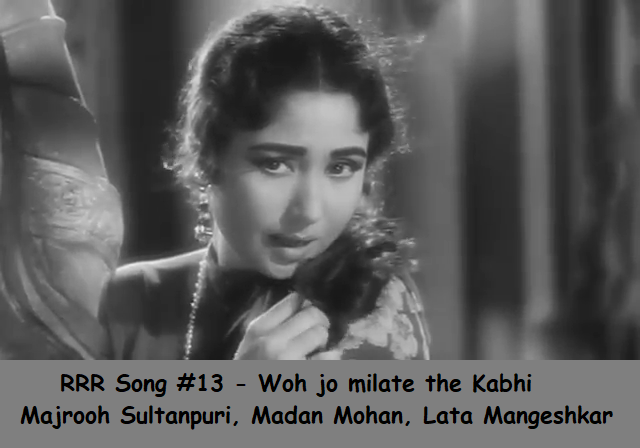
RRR Songs (Songs of Regret, Repentance and Ruefulness)
I started this new series on 17 Jan 21 on my Facebook Group Yaad Kiya Dil Ne. My efforts failed to involve people in writing their own stuff about songs and music rather than copying and pasting from here and there or worse, just sharing url of songs from YouTube. Hence, I had decided to give the group a burial that it deserved rather than making it like thousands of groups on Facebook about songs with nothing unique about them at all.
Hence this series shifted to my page Lyrical.
I hope you liked RRR Song #12: Rehte the kabhi jinke dil mein. Here is the next song:
Song #13
Woh jo milate the kabhi hamse deewano ki tarah
Majrooh Sultanpuri and Madan Mohan
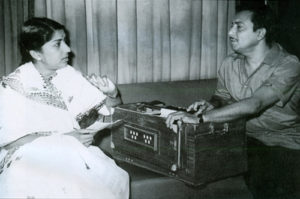
A few days ago, I gave you a song Tujhe kya sunayun main dilruba tere saamne mere haal hai and we witnessed the magic of the duo in the 1958 Mahesh Kaul movie Aakhri Dao starring Nutan and Shekhar.
Let us recall some of their other songs. The 1970 Rajinder Singh Bedi movie Dastak starred Sanjeev Kumar and Rehana Sultan. All songs of the movie by the duo made great waves: Baiyan na dharo O balmaa, Mai ri main kaise jahun, Hum hain mataa-e-kuchaa-o-bazaar ki tarah, and Tumase kahun main ek baat.
Then there was Chirag, the 1969 Raj Khosla movie starring Sunil Dutt and Asha Parekh with the song whose title was taken (with permission) from a nazm by Faiz: Teri aankhon ke siva duniya mein rakha kya hai and the title song Chirag dil ka jalao bahut andhera hai.
I have, at another time given you another great song from Aakhri Dao: Hamsafar saath apna chhod chale also by the duo.
It would be easy to conclude that some really great lyrics were composed by the mazestro.
Akeli Mat Jayiyo
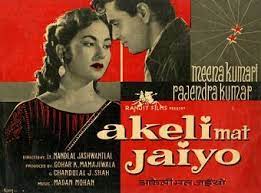
I have taken the present song from the 1963 Nandalal Jaswantlal movie Akeli Mat Jayiyo starring Rajendra Kumar and Meena Kumari.
The song is a great song of ruefulness for love having gone sour. Once again, absolutely great lyrics were composed excellently by Madan Mohan and sung by Lata Mangeshkar for Meena Kumari:
वो जो मिलते थे कभी हम से दीवानों की तरह
आज यूँ मिअल्ते हैं जैसे कभी पहचान न थी
देखते भी हैं तो यूँ मेरी निगाहों में कभी
अजनबी जैसे मिला करते हैं राहों में कभी
इस क़दर उनकी नज़र हम से तो अंजान न थी
वो जो मिलते थे कभी …
एक दिन था कभी यूँ भी जो मचल जाते थे
खेलते थे मेरी ज़ुल्फ़ों से बहल जाते थे
वो परेशाँ थे मेरी ज़ुल्फ़ परेशान न थी
वो जो मिलते थे कभी …
वो मुहब्बत वो शरारत मुझे याद आती है
दिल में इक प्यार का तूफ़ान उठा जाती थी
थी मगर ऐसी तो उलझन में मेरी जान न थी
वो जो मिलते थे कभी …
My Own Poetry
KABHI HAMSE BHI USE PYAR THA
उसे अब हम बुलाते हैं तो आती ही नहीं,
एक समां था जब सोचते थे यह जाती ही नहीं।
कई बार सपनों में खोने का मन करता है,
पर सपनों के उस नगर में अब हमें बुलाती ही नहीं।
एक वक़्त था जब रहते थे उसी की बाहों में,
अब यूं समझो वो सुहाने ख्वाब दिखाती ही नहीं।
उसके आगोश में दिन में भी हम गुम रहते थे,
अब रात को भी अपने पास बुलाती ही नहीं।
आंखे तरसती हैं उसे रखें नज़रों में छुपा के,
वह है के आंखों में अब इठलाती ही नहीं।
जवानी में सोचते थे उसके संग हमें कोई देख न ले,
अब हमारे संग वह जलवे दिखाती ही नहीं।
सारी रात करवटें बदल करते हैं उसी का इंतजार,
हमारी बेकरारी अब करार पाती ही नहीं।
जवानी में इस की कदर करना, दोस्तो,
बुढ़ापे में तो अब नींद आती ही नहीं।
The Song
Meena Kumari, in all situations is known for some elegant acting. She sang a ghazal with her friends in the movie Ghazal: Nagma o sher ki saugat kise pesh karun and she was elegance personified. She sang Dil jo na keh saka in Bheegi Raat and she set the night on fire. And, she enacted this here and it is to be seen to be believed as what good acting can do to a song.
Please enjoy: Woh jo milate the kabhi…
I hope you liked Song #13 in this series.
Please await Song #14: Waqt ne kiya kya hasin sitam.
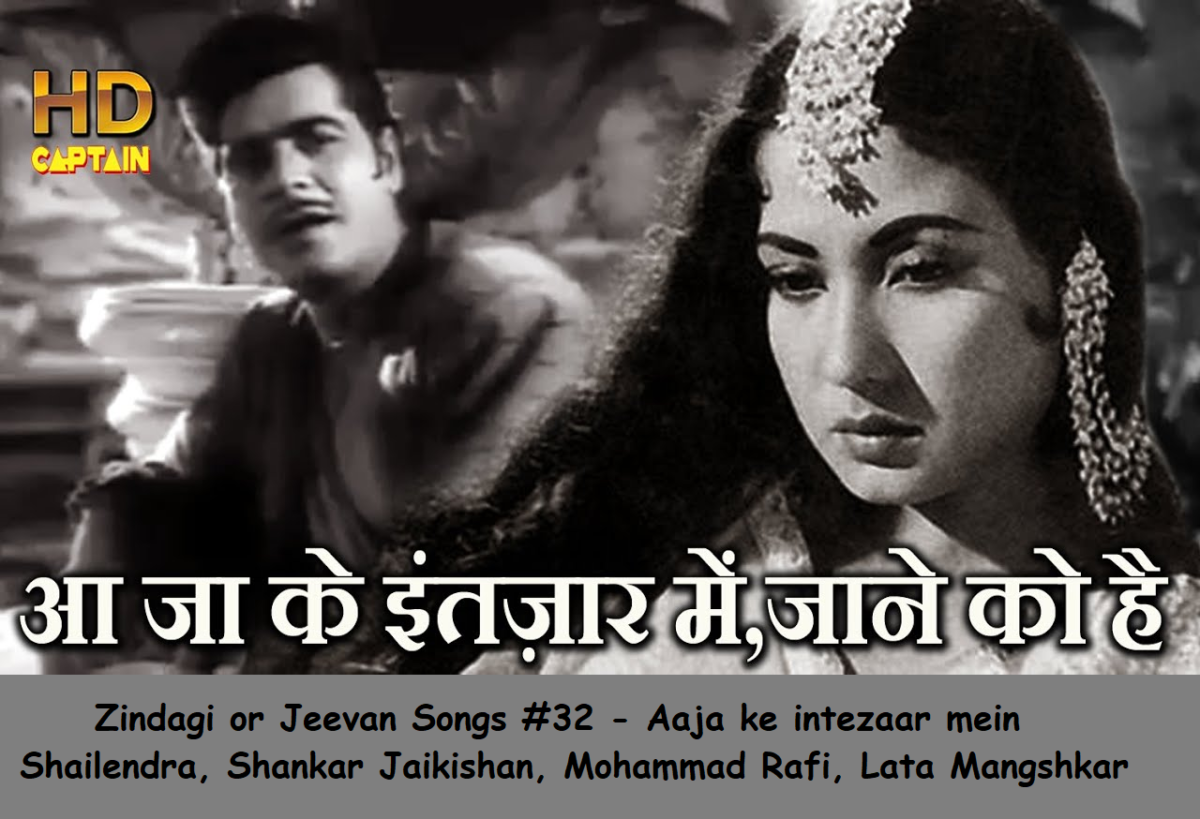
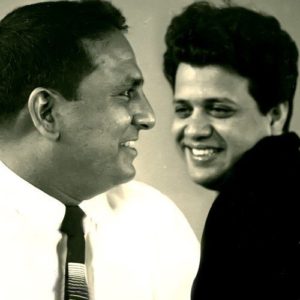 Years before I met my “die-hard fans of Shankar Jaikishan” of SJMF: Anand Desai, Chirag Patel, Uday Joglekar, Rajan Bedke and others, I had done a 45 days feature of these “composers of the millennium”. However, so intense and huge is the contribution of SJMF that every-time one puts up a song of SJ, one bows one’s head to SJMF.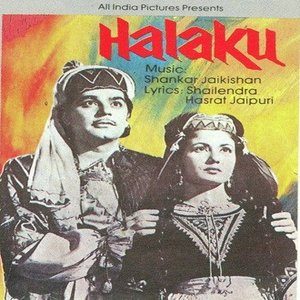
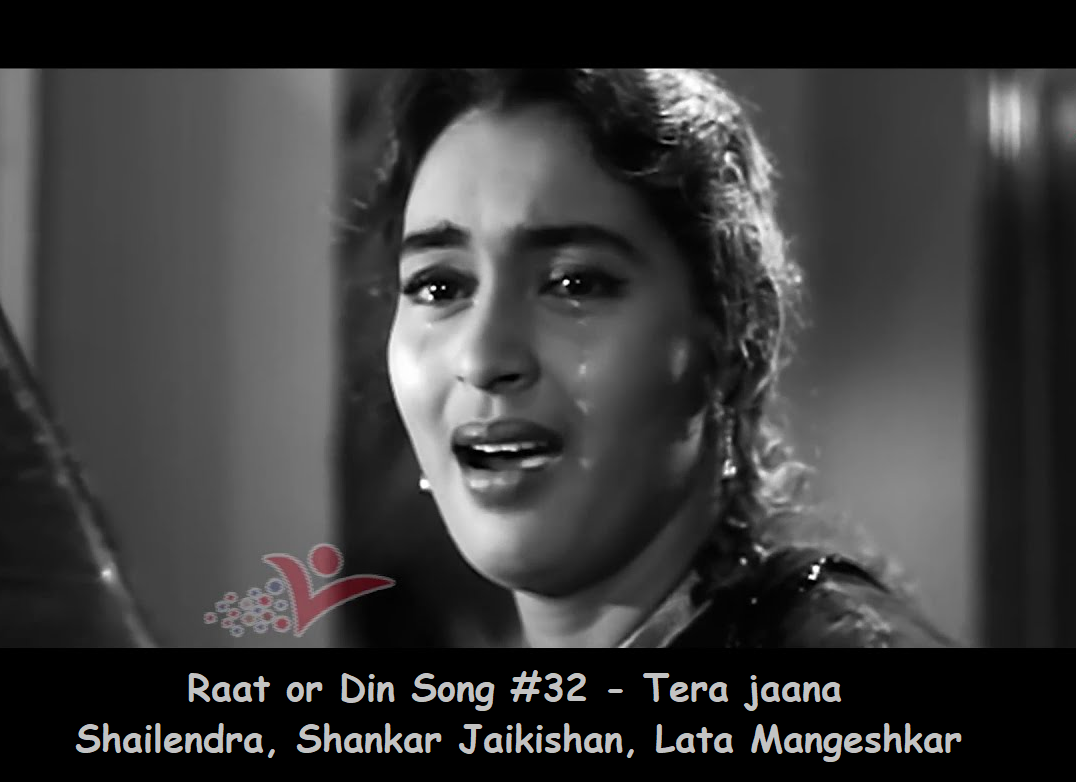
 I freak out on this song as one of the best compositions of my favourite duo: Shankar Jaikishan. Every movie of theirs had a song composed in the queen of ragas: Bhairavi, the raga most suited to express devotion. There were movies in which as many as four songs were composed by the duo in this raga. Jaikishan named his daughter Bhairavi because of his devotion to this devotional raga.
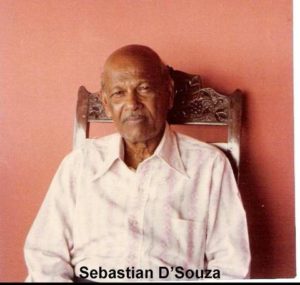 The guy who did it for Shankar Jaikishan to provide us with this memorable song arrangement was a Goan music arranger by the name of Sebastian D’Souza. If you notice a quality of music in Shankar Jaikishan songs wherein the music is not apologetically in the background but stand out as much as the lyrics and the voice, then it is thanks to Sebastian.
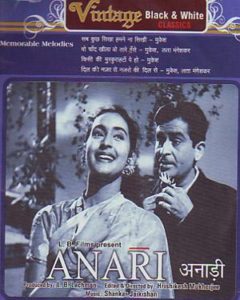 Shankar Jaikishan were a total musical experience that seamlessly fitted into the scheme of the director, in this case Hrishikesh Mukherjee and the song, its lyrics, its composition, arrangement, singing by Lata Mangehskar, cinematography, emotions and histrionics were all parts of a complete experience that the audience must get whilst watching the song. I am sure, at some time or the other in the song you shift to walking into the hearts of Nutan and Raj Kapoor. So powerful is this experience.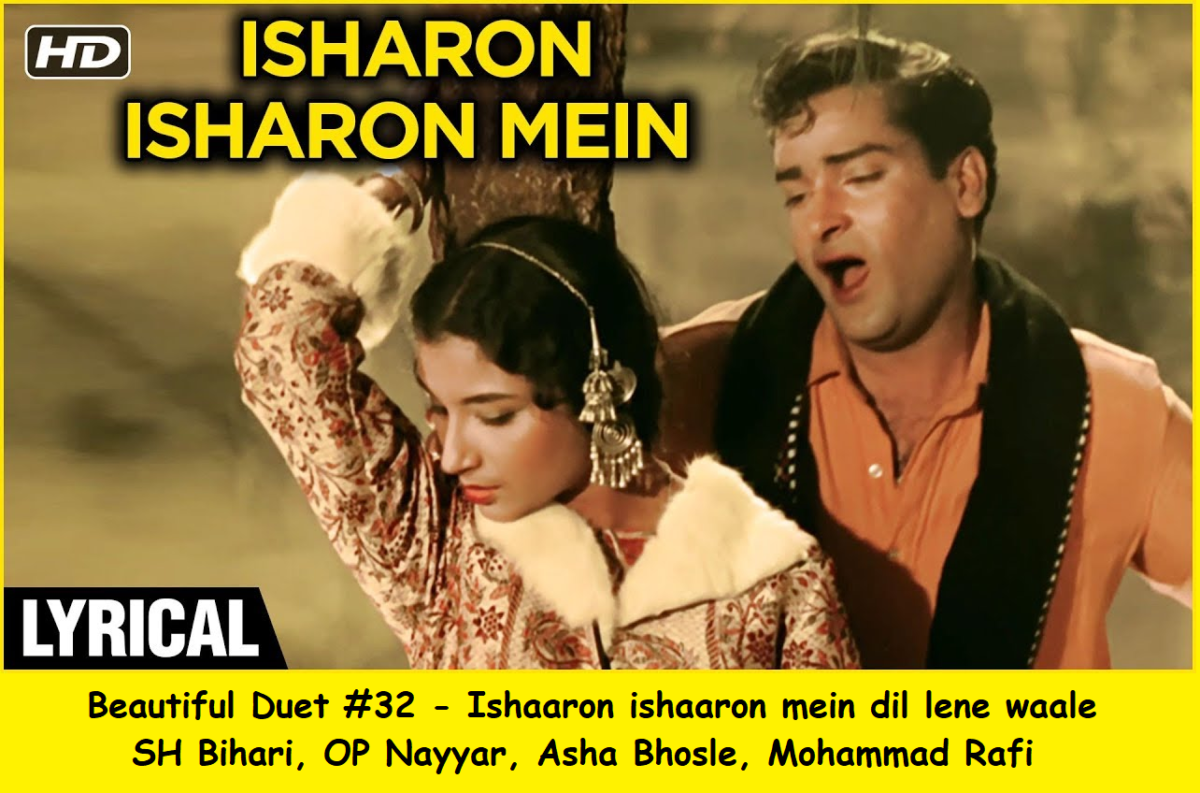
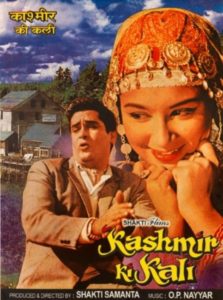 In the Zindagi song of the Day I gave you a song from the 1964 Shakti Samanta movie Kashmir Ki Kali: Hai duniya usi ki zamana usi ka. And today, we have yet another song from the same movie. This was, indeed, the hallmark of OP Nayyar: he had most of his songs in his movies becoming hits and super hits. Many years ago, I did a post on the songs of this movie and for those of you who have the time (less than one percent, that is), you may access all the songs of the movie here:
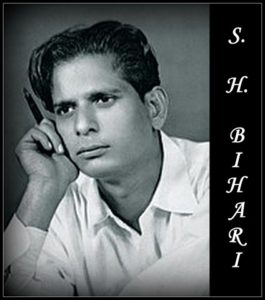 The song was penned by SH Bihari who featured in seven movies with OP Nayyar and made really refreshing and delightful songs for him. In this movie, the pair are at their best.
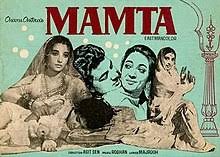 The movie happens to have story similar to 1958 Kalidas movie Adalat starring Nargis, Pradeep Kumar and Pran. That movie had some of the greatest songs of Madan Mohan on the lyrics of Rajinder Krishan.
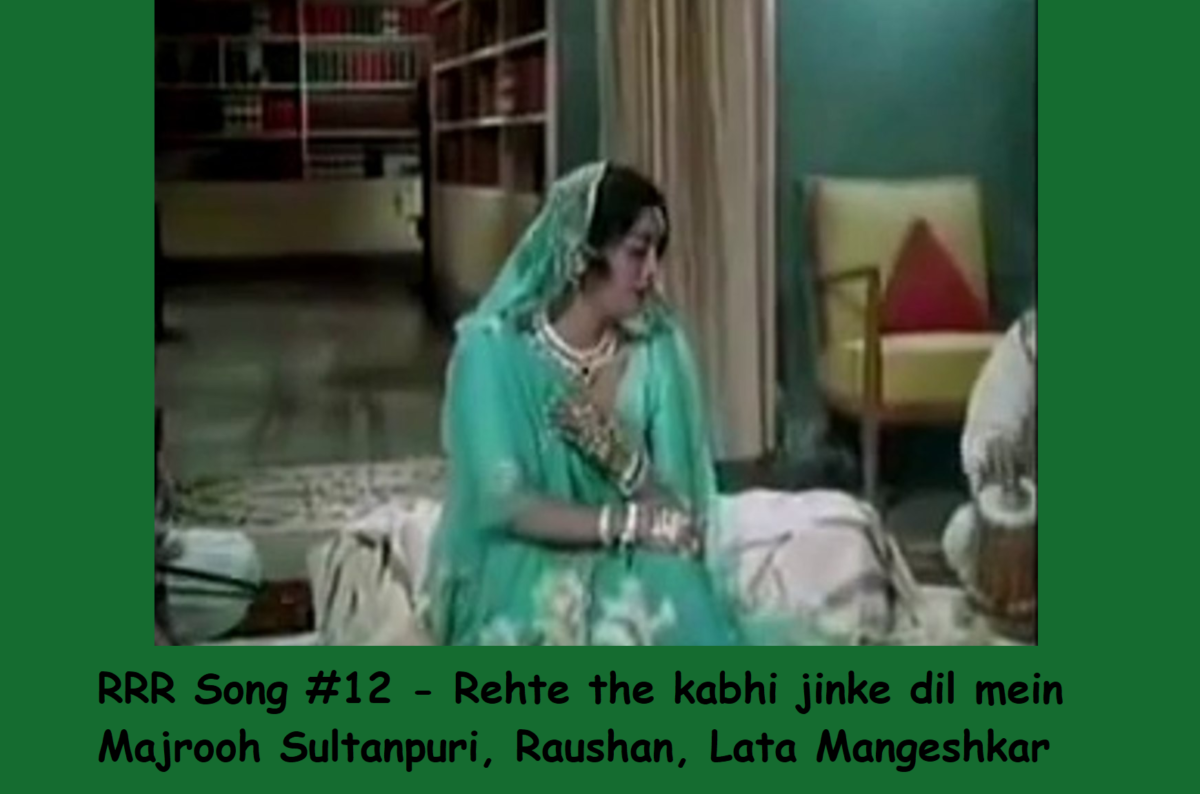
 This movie had Majrooh and Roshan doing to its songs what Rajinder Krishan and Madan Mohan did to Adalat songs. They made the following: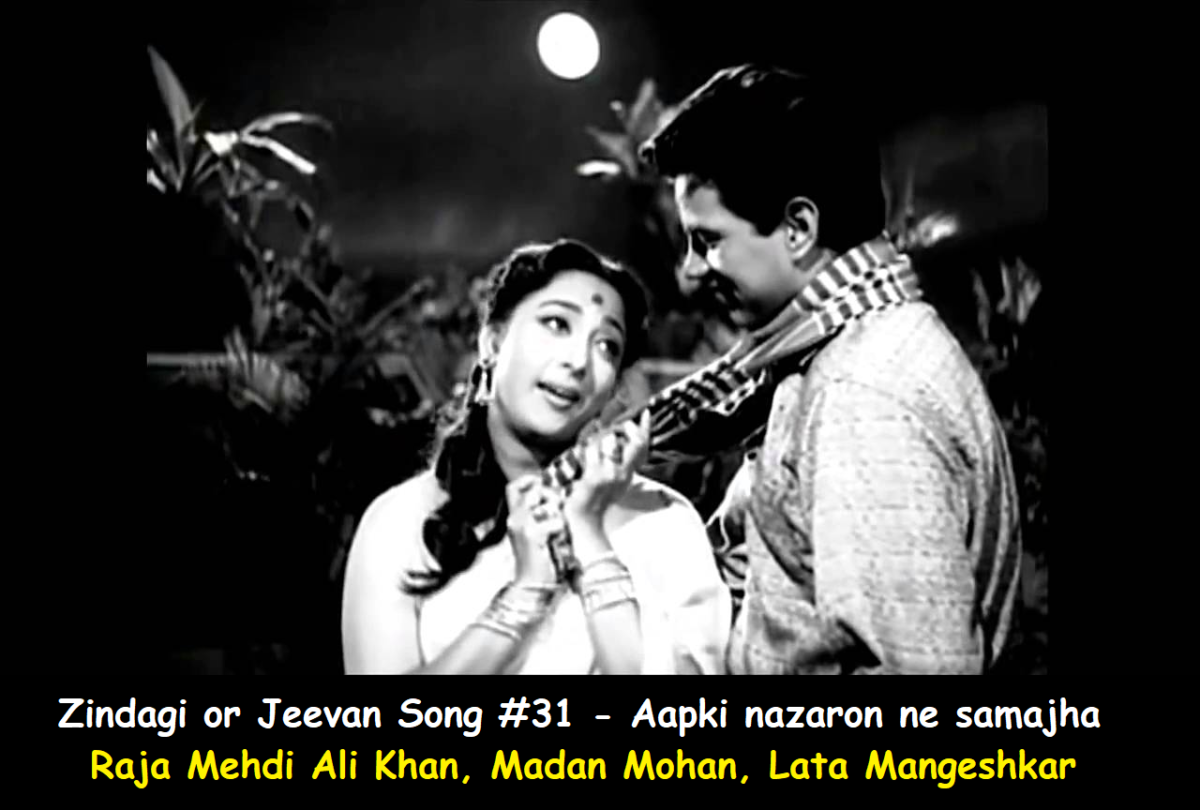
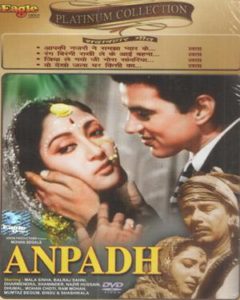 This 1962 movie directed by Mohan Kumar (almost all his movies starting with the letter A such as Aas Ka Panchhi, Ayee Milan Ki Bela, Aap Ki Parchhayiyan, Aman, Anjana, Aap Aaye Bahar Aayi, Avtar, Amba, All Rounder and Amrit (This is a fad in Hindi films industry; numerology and astrology plays a big role in selecting titles of movies), reflected the way we treated women. Being literate wasn’t considered necessary as long as they were well versed in wifely duties (cooking and embroidery and keeping a good and clean house). In this movie, Balraj Sahni as the brother of Mala Sinha felt that as long as they had enough money, being uneducated wasn’t important.
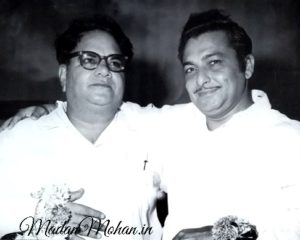 Madan Mohan was the Music Director for women. He made some of the most memorable songs Lata Mangeshkar (who was very fond of “Madan bhaiya”). I feel that in the top ten songs of Lata composed by Madan Mohan, these are equally divided between Rajinder Krishan and Raja Mehdi Ali Khan as lyricists; both of them being extraordinarily aligned to the emotions of women. If Raja would have Lag jaa gale ke phir, Rajinder Krishan would have Unako ye shikayat hai ke ham kuchh nahin kehte. Outstanding combinations both.
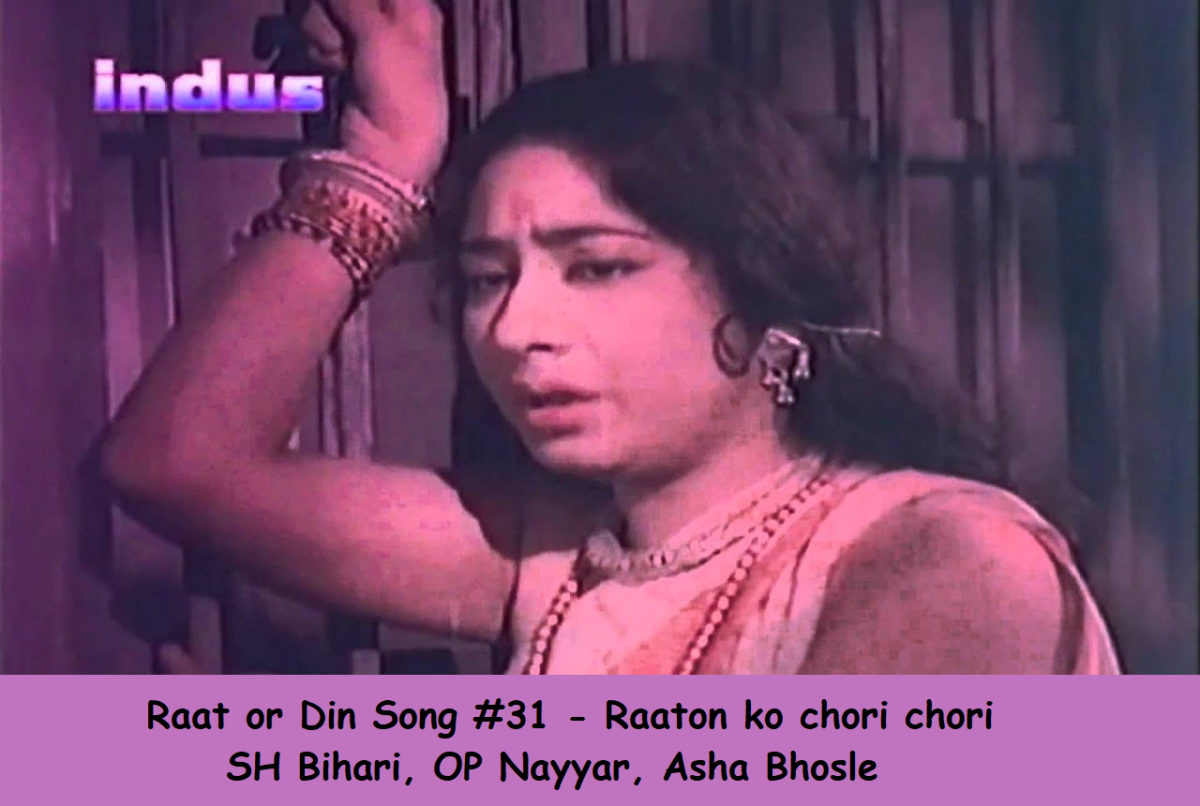
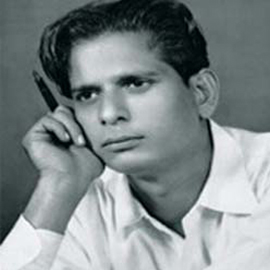 I have liked all the lyrics of Shamsul Huda Bihari; particularly those that have been composed by OP Nayyar. One straightway thinks of Kashmir Ki Kali, Ek Mussafir Ek Hasina, Sawan Ki Ghata, and Yeh Raat Phir Na Aayegi.
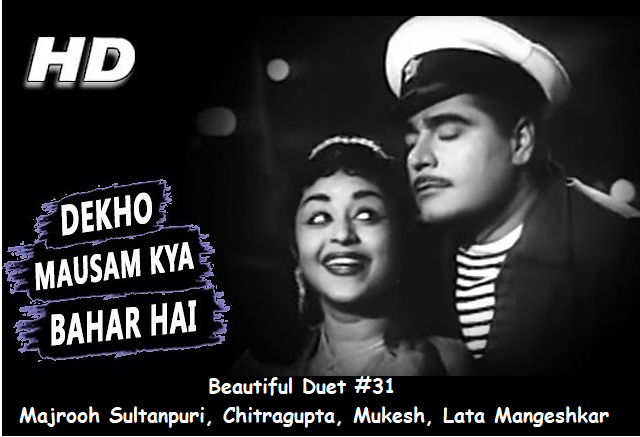
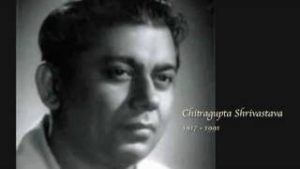 Chitragupt was one Music Director who was known for fusion; I have already given you his fusion song Jodi hamari jamega kaise Jani? Just like all our MDs (without exception) he wasn’t beyond copying tunes from abroad. He just lifted the tune for Dekho mausam kya bahaar hai from Bimbo: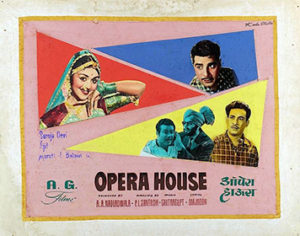
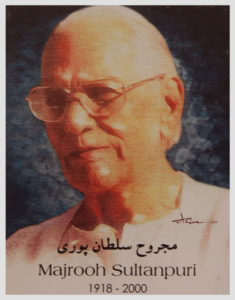
 Majrooh didn’t allow himself into being typified; from a typical Urdu poet he often went into all kinds of songs whether Western or Indian.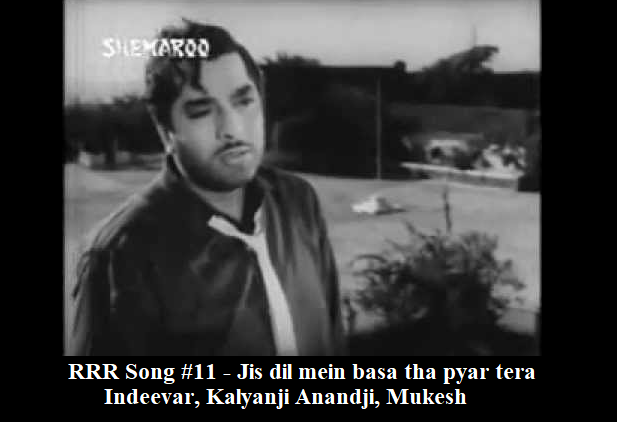
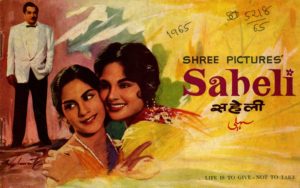
 Indeevar had written the lyrics at a time when he used to write very good and sensitive lyrics and when he hadn’t tied up with Bappi Lahiri to write some 500 trash songs for him for the lure of money.
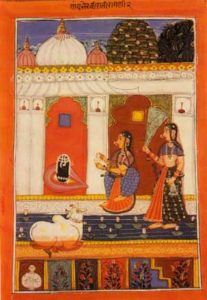 We have seen the handling of Raag Bhairavi by Jaikishan (SJ fame). Here it is Kalyanji Anandji who have thought of Bhairavi to compose it.
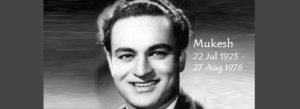 When it comes to RRR songs or Songs of Regret, Repentance and Ruefulness, one singer that comes to mind is Mukesh. He was the best in this genre’. Here too he has done a remarkably beautiful job of it.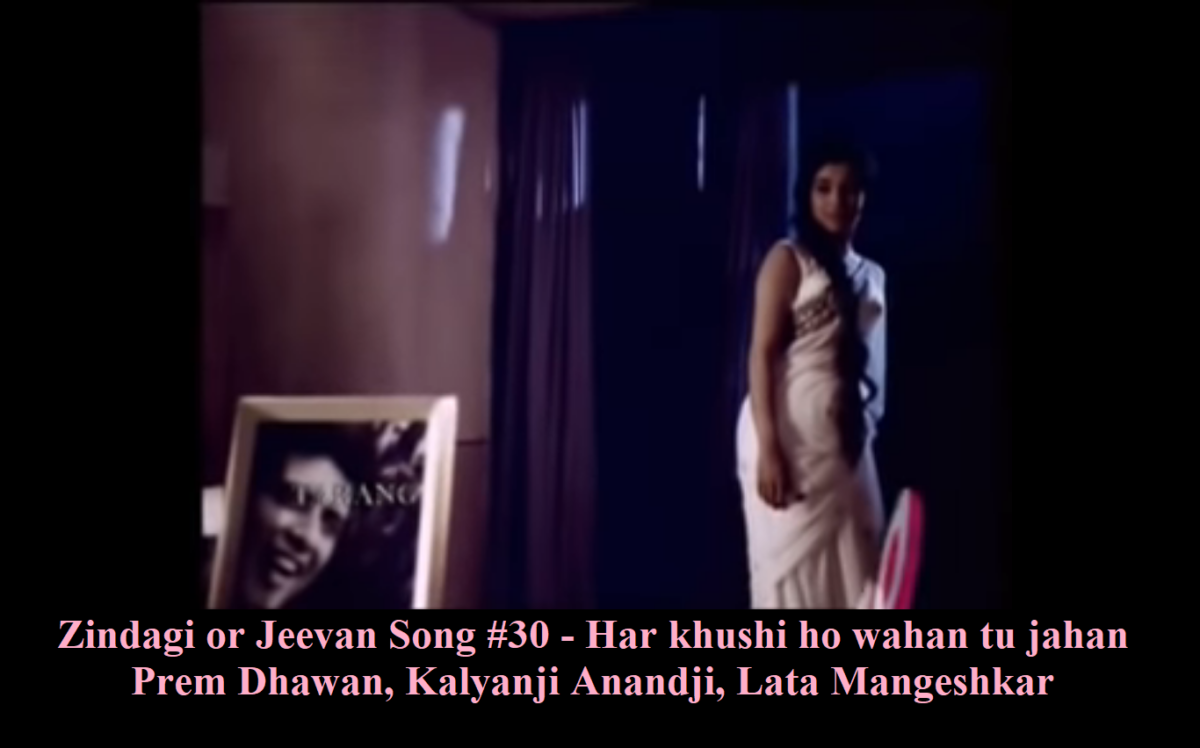
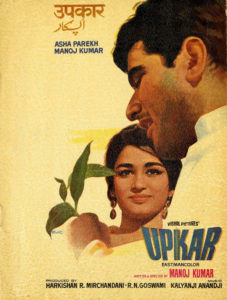
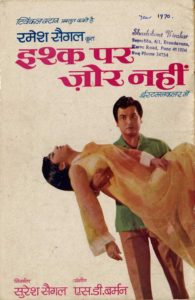 It was a 1970 Ramesh Saigal movie. Who was Ramesh Saigal? He was the one who gave us 1948 Dilip Kumar – Kamini Kaushal starrer Shaheed with the popular Raja Mehdi Ali Khan song: Watan ki raah mein watan ke naujwan shaheed hon. He also gave us 1950 spy thriller Samadhi starring Ashok Kumar and Nalini Jaywant, 1953 Dilip Kumar starrer Shikast with Shankar Jaikishan’s music and Wjahat Mirza’s story and dialogues, 1955 Sunil Dutt starrer Railway Platform, 1958 Raj Kapoor starrer Phir Subah Hogi with Sahr’s inspirational song Woh subah kabhi to aayegi, 1961 movie Shola Aur Shabnam with my all time favourite song Jeet hi lenge baazi hum tum and Jaane kya dhoondati rehti hain and then this movie in 1970; ie, nnine years after his last one: Shola Aur Shabnam.
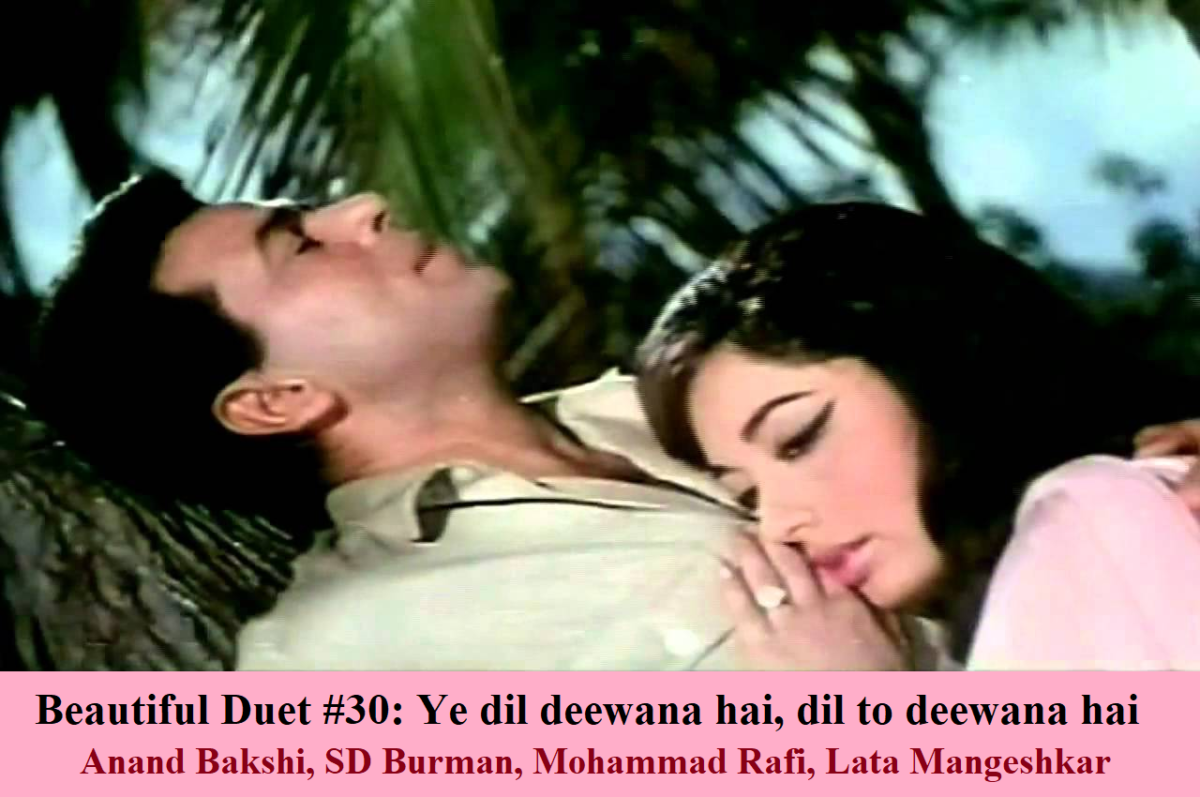
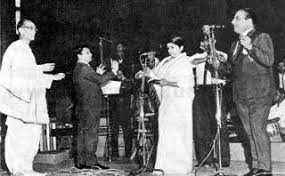 This duet has been sung by Mohammad Rafi and Lata Mangeshkar; the best pair for duets. It was composed as a rare song by Sachin Dev Burman who introduced Santoor for the first time in any movie until then. The lyrics and composition are thus unique.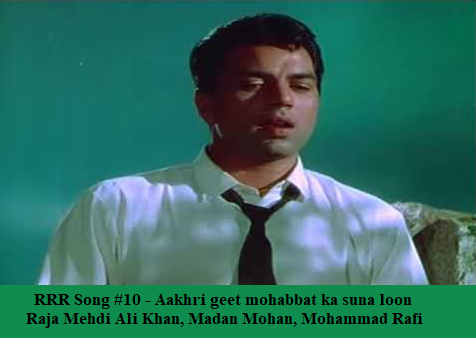
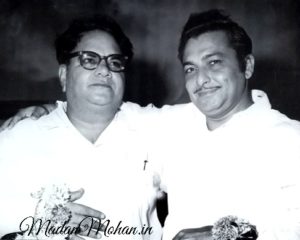 If you look up the You Tube, you would find that some of the most popular and best songs of Lata Mangeshkar have been crafted by the duo. Lets recall songs like Lag jaa gale se of Mera Saya, Agar mujhase mohabbat hai of Aap Ki Parchhayiyan and Aapki nazaron ne samajha pyar ke kabil mujhe of Anpadh.
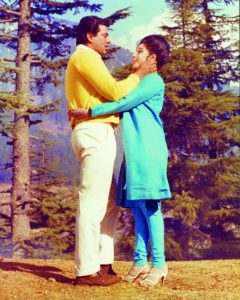 This too was sung by Mohammad Rafi for Dharmendra as the Dulhan Ek Raat Ki song: Ek haseen shaam ko. This is from the 1965 Rajendra Bhatia movie Neela Aakash with Mala Sinha as Neela and Dharmendra as Aakash and thus the title.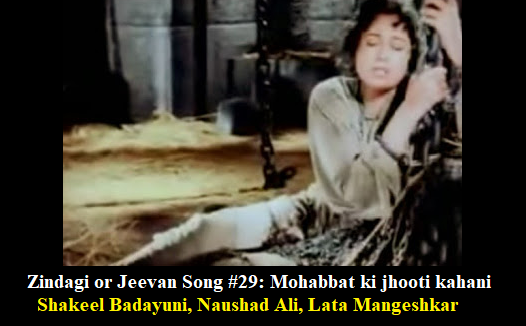
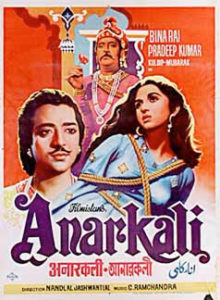 Anarkali would have never imagined that Love would get her this: bondage. Her first reaction is this. In her next, when she is in shackles, she prays to Almighty: Bekas pe karam keejiye Sarkar – e – Madina.
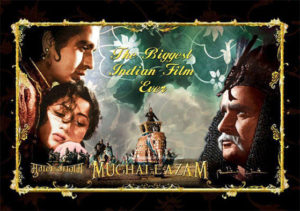 K Asif’s Mughal – e – Azam had Madhubala as Anarkali, a courtesan in the court of Mughal – e – Azam Akbar. She had, she felt in this song, erred in falling in love with Prince Salim.