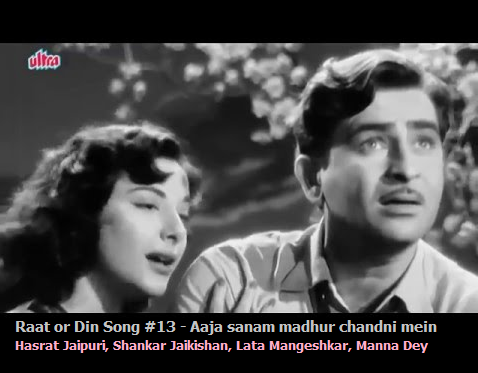
I started this series on my Facebook group Yaad Kiya Dil Ne on 18 Aug 20. Since then, many other members have put up these songs. Here, I shall be giving you one of my own, per day.
This is the Song #13 in the series. I hope you liked Song #12 – Ye nayan dare dare.
Song #13
Aaja sanam madhur chandni mein
Theme-word: Bheegi bheegi raat mein dil ka daaman thaam le
Raat – Chand – Love – Hasrat Jaipuri
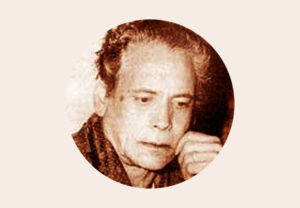 If Shailendra did magic in the Awaara song that I had put up on 16th: Dam bhar jo udhar moonh phere, Hasrat Jaipuri wrote this stunningly beautiful song for Chori Chori. Here is the natural succession: Raat leads to Chand, Chand leads to Love and Longing and Love and Longing lead to Hasrat Jaipuri.
Who was Hasrat Jaipuri?
He was simply the lyricist/poet who ruled over the hearts of the lovers. Everyone has loved some time or the others and hence can’t be unfamiliar with Hasrat’s connection with lovers’ hearts. Whatever emotions you go through in Love, he has a song for you including when you shed tears in love or feel sad.
For us, in this group, he is the reason for the title of the group; the song that we consider as the anthem of this group: Yaad kiya dil ne. We, therefore, say with confidence that as long as Love exists, Hasrat Jaipuri lives; even though today is his death anniversary.
What specific emotions is he conveying here:
Nargis, the daughter of a shipping magnate, jumps from his ship in Bombay harbour and races to meet her lover Pran in Bangalore and marry him. Raj Kapoor, as a reporter helps her perform this journey. Gradually, she falls in love with him. This song is sung on the night before they get into Bangalore and she’d marry Pran.
Now look at the lyrics and see if the lovers are talking about her impending marriage:
म: आ जा सनम मधुर चाँदनी में हम
तुम मिलें तो वीराने में भी आ जाएगी बहार
झूमने लगेगा आसमां – २
ल: कहता है दिल और मचलता है दिल
मोरे साजन ले चल मुझे तारों के पार
लगता नहीं है दिल यहाँ – २
म: भीगी-भीगी रात में, दिल का दामन थाम ले
खोई-खोई ज़िन्दगी हरदम तेरा नाम ले
(ल: चाँद की बहकी नज़र, कह रही है प्यार कर
ज़िन्दगी है इक सफ़र, कौन जाने कल किधर ) – २
दोनो: आ जा सनम मधुर …
म: दिल ये चाहे आज तो, बादल बन उड़ जाऊँ मैं
दुल्हन जैसा आसमां, धरती पर ले आऊँ मैं
(ल: चाँद का डोला सजे, धूम तारों में मचे
झूम के दुनिया कहे, प्यार में दो दिल मिले ) – २
दोनो: आ जा सनम मधुर …
You’ll agree with me that she has freed herself from the burden of marrying Pran.
Incidentally, Hasrat Jaipuri wrote (as seen by me) the top most song of Lata Mangeshkar in this movie: Rasik balma.
Shankar Jaikishan
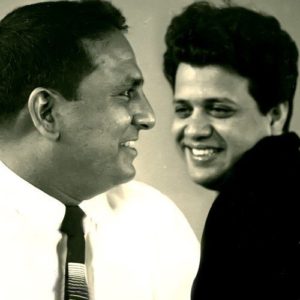 The other day when I was attending a programme by Shankar Jaikishan Foundation, Ahmedabad, a dear friend remarked that my comments were about the singing prowess of the two female singers and nothing about Shankar Jaikishan. I was shocked. I promptly wrote: Sab kuchh unhin ka to hai!
Take away Shankar Jaikishan and all those beautiful songs mean nothing to us. In this song, for example, we hang on to not just their composition but every note of the background music and interludes. As compared to any other composers/music directors, Shankar Jaikishan’s interludes too were so unique that we often hummed these together with the song!
Lata Mangeshkar and Manna Dey
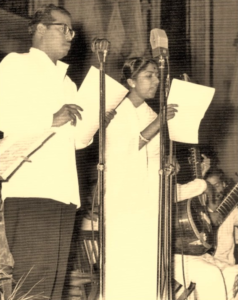 They sang for Nargis and Raj Kapoor respectively and became part of the enchantment; the tune is easy and catchy and doesn’t require changing scales or pitches as you would find in, for example, Aji rooth kar ab kahan jayiyega.
My Own Poetry
I have regaled you with several poems of mine about Chand and Chandni. One is currently on my timeline. Here is another:
Sab Chandramukhi Hain Bechare
आजकल के सूरजमुखी सूरज नहीं देखा करते,
चांद को देख देख रात को हैं आहें भरते।
ताकतवर होने से क्या फर्क पड़ता है,
हसीन है उसी पर हैं लोग मरते।
कौन ताके सूरज को, ठीक है ज़िन्दगी देता है,
पर चांद न होता, तो हम तुम क्या करते?
ज़िन्दगी ही नहीं, रंग भी सूरज ने दिए हैं,
पर अब सूरजमुखी, चांद के लिए हैं संवरते।
माना मैं भी रवि हूं, सूरज से नाम मिला है,
इसलिए लिख रहा हूं मैं यह डरते डरते।
कई ख्वाब चांद के मेरे भी ज़ख्म बन चुके हैं,
आज फिर से ताज़ा हो गए उभरते उभरते।
Please enjoy: Aaja sanam madhur chandni mein hum tum…
I hope you liked my choice of Song #13 in Raat or Din series.
Please await Song #14 – Bhool sakta hai bhala kaun.
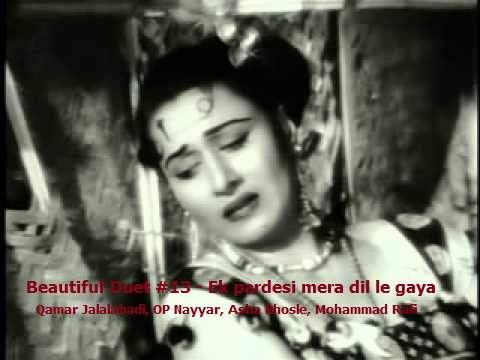
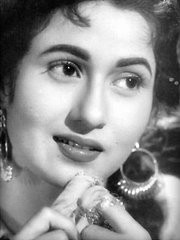 She was nominated only once for the Filmfare Best Actress Award, ie, for her role in 18 years of her acting (not counting as child artiste) in Hindi movies, from 1947 Neel Kamal (also the debut movie of Raj Kapoor) until the 1964 Sharabi. However, she was so popular that even when she acted with Dilip Kumar (who she wanted to marry but for her father standing in their way), after the shots, people waited in queues just to get a glimpse of her. A complete movie industry depended upon her charms.
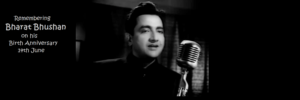 Bharat Bhushan, on the other hand, won the second Filmfare Best Actor Award in 1955 for Chaitanya Mahaprabhu, having wrested it from Dilip Kumar who won the first one for 1954 Daag. However, Dilip Kumar wrested it right back next year for Azaad and denied the same to Bharat Bhushan for Mirza Ghalib.
 Phagun was a Bhibhuti Mitra production and directed movie that also starred Jeevan, Kammo, Nishi, Cuckoo and Mehmood.
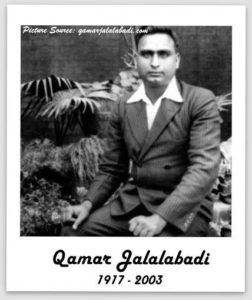 Qamar Jalalabadi penned this song. He also penned songs for Raj Kapoor starrer Chhalia including the popular Dam dam diga diga. His song Din hai suhaana aaj pehli tareek hai used to be broadcast from Radio Ceylone for a number of years on the first of every month. My dad used to hum a popular song of his: Jab raat nahin katati zindagi kaise kategi. He also penned the super hit: Jab tumhaari yaad aayegi sanam. My favourite of his is, however, from Shammi Kapoor’s 1966 movie Preet Na Jaane Reet: Main bewafa nahin hoon tere pyaar ki kasam. Indeed, I titled one of my poems: Main Bewafa Nahin Hoon.
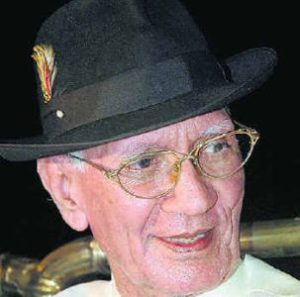 His songs in Phagun were composed by OP Nayyar, the music director who has the record of having most hit/super-hit songs in his movies. Take Phagun’s songs for example: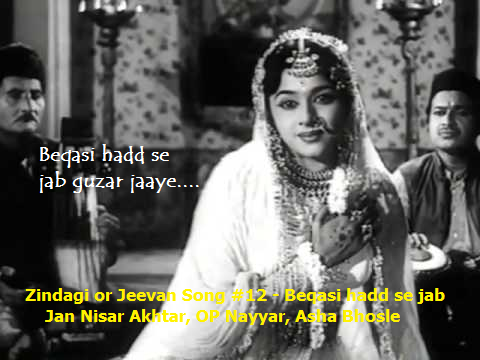
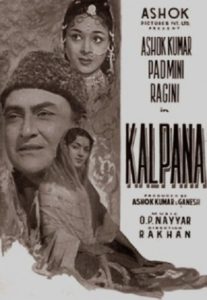 This song is from the 1960 RK Rakhan movie Kalpana starring Padmini in the title role. Her sister’s name is the title of the movie and her other sister Ragini (Travancore Sisters) also acts in the movie.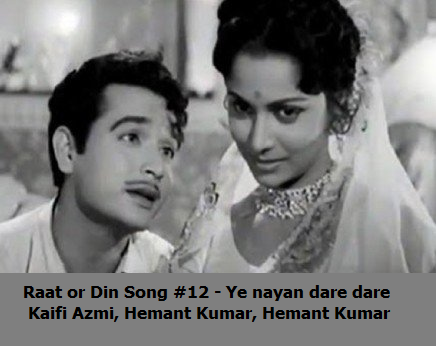
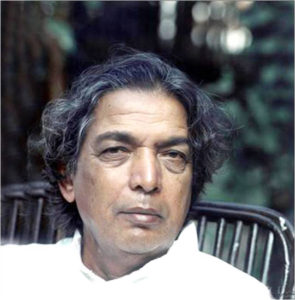 Lyrics are by Kaifi Azmi who mastered the art of conveying complex emotions in the most laconic way. Take this stanza itself. He talks about beautiful night, beautiful moon and then adds that she is more beautiful than all these.
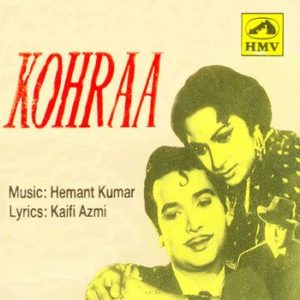 If one knows the story of Biswajeet being married initially to his licentious wife and then marrying Waheeda Rehman after the first wife disappears; and Waheeda Rehman staying in the shadow and fear of the first wife, the lyrics would obtain even greater meaning. One wonders how Kaifi Azmi packed such tremendous meaning into those few words.
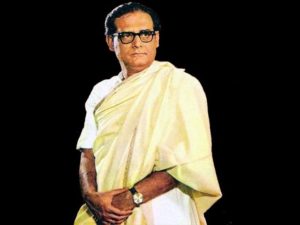 His voice is the voice of God, as seen by some. His voice is the means of transportation, the quickest way, of us into the world of the song. This happens to be one of his best on his own composition. You don’t even have to see the movie; merely by listening to him you can imagine the complete scene.
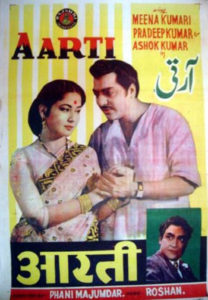 It was a Rajshri Production (such as Hum Aapke Hain Kaun), produced by Tarachand Barjatya and directed by Phani Majumdar. The movie starred Pradeep Kumar, Ashok Kumar and Meena Kumari and Shashikala, the complete cast that was repeated in Bheegi Raat with another great song: Dil jo na keh saka wohi raaz-e-dil kehne ki raat aayi.
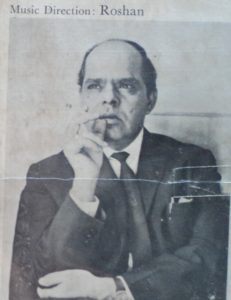 All very good songs. Kidar Sharma is the one who gave a break to Roshan in the 1949 movie Neki Aur Badi. After the next movie, the 1950 movie Bawre Nain, there was no looking back for Roshan.
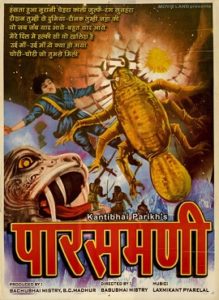 Laxmikant Pyarelal started off with 1963 movie Parasmani and they made such popular songs for their very first movie that these are fondly remembered even today:
 Asad Bhopali, the lyricist of this song was born as Asadullah Khan on 10 Jul 1921 in Bhopal.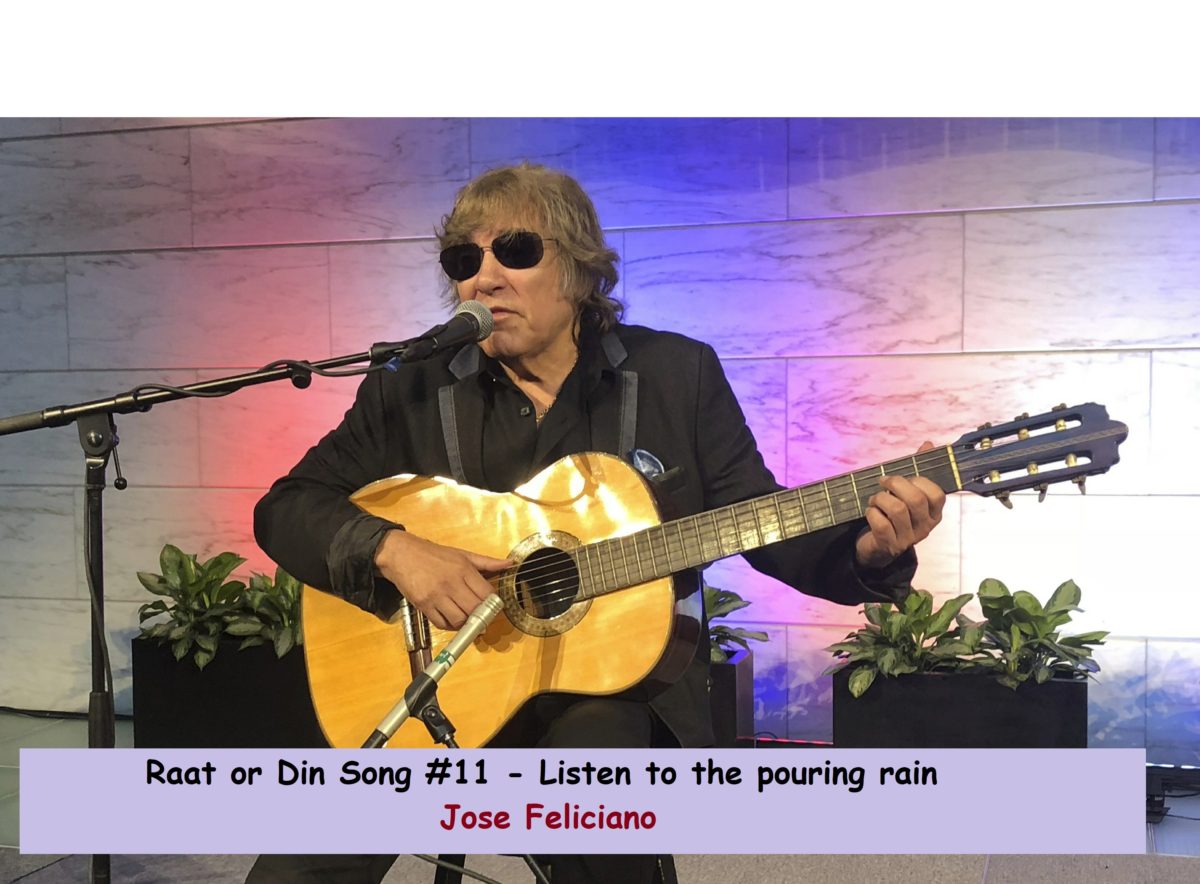
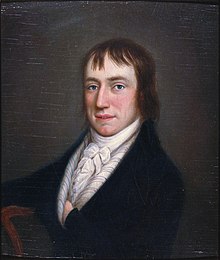 Here is what Wordsworth had to write about it in ‘Three Years She Grew By’: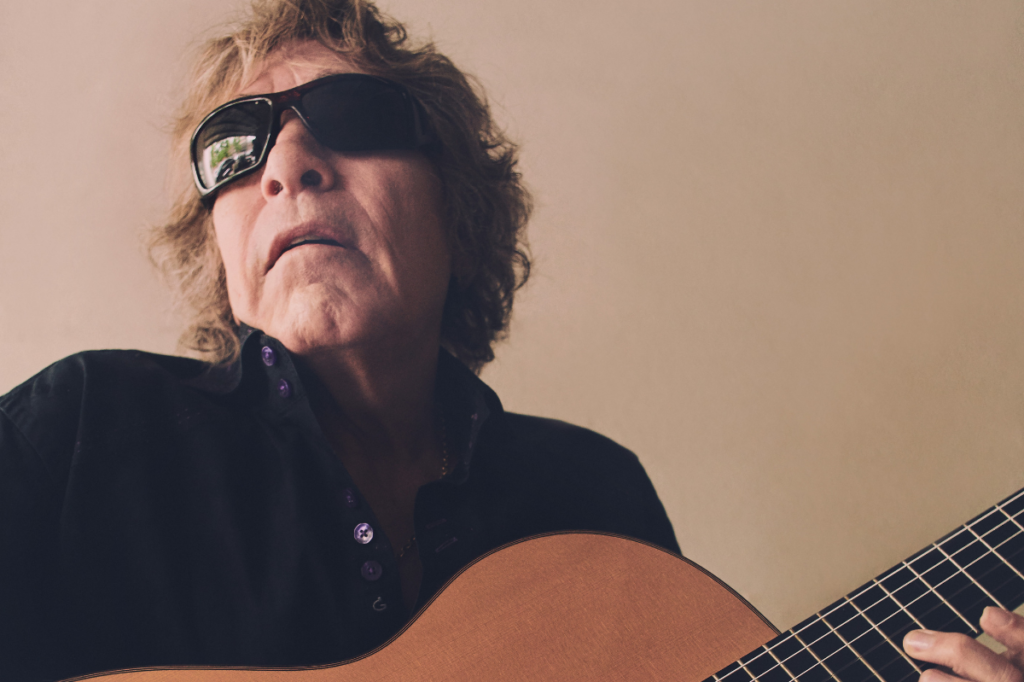
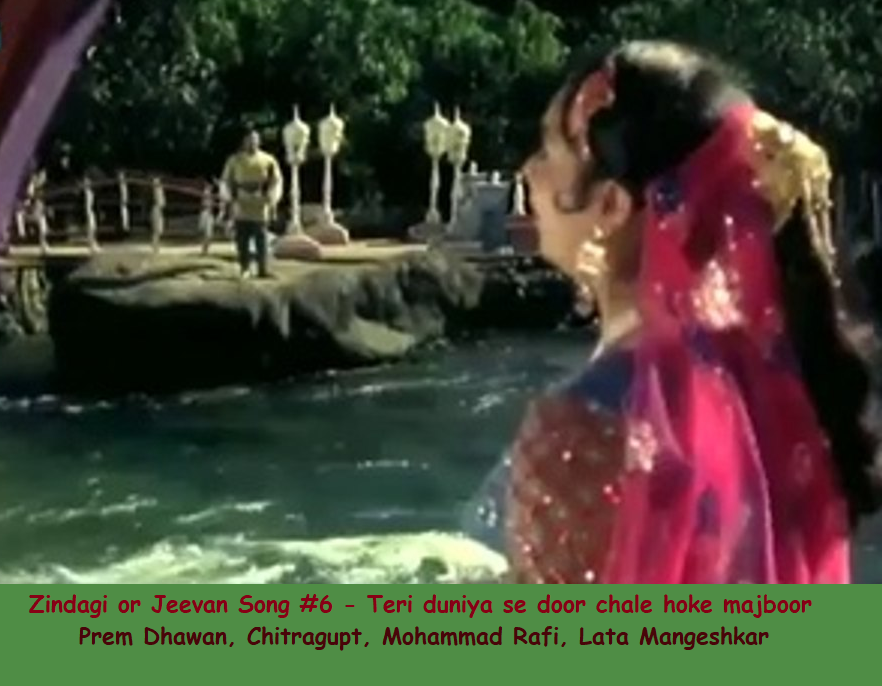
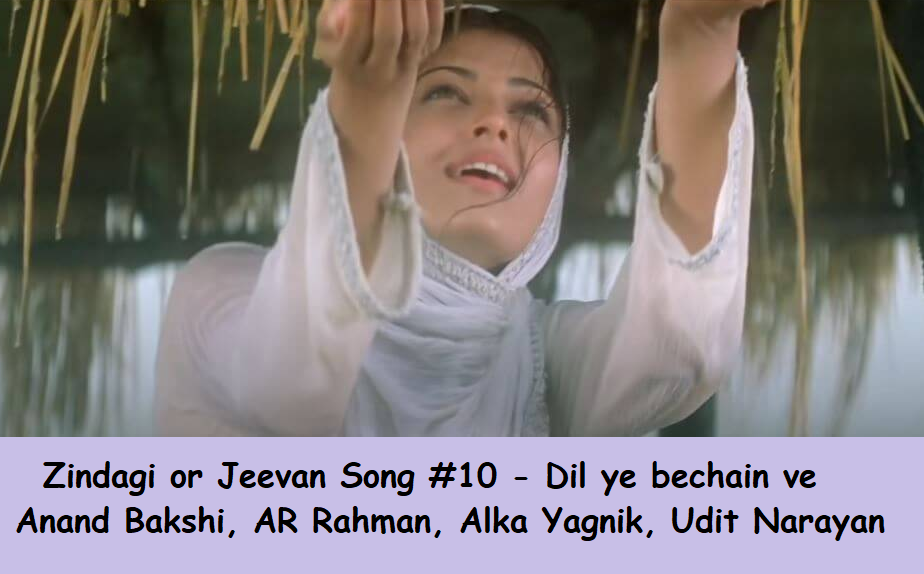
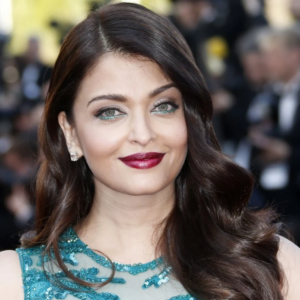 She was born on this day in 1973. She was crowned Miss World 1994 in a pageant that crowned Sushmita Sen as Miss Universe.
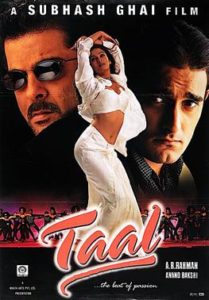 It was produced and directed by Subhash Ghai and starred , in addition to her, Anil Kapoor, Akshay Khnaa, Amrish Puri and Alok Nath.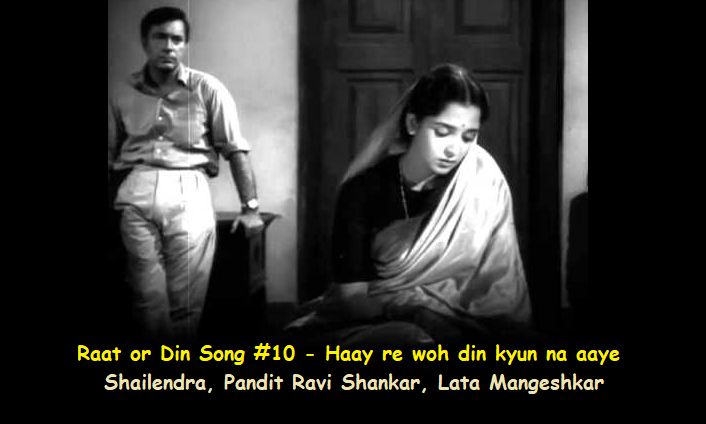
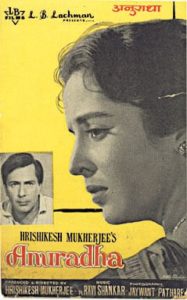 Five years ago, I wrote an essay about the treatment of women in Bengal based movies: ‘
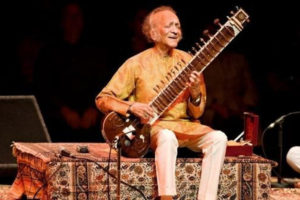 The Sitar maestro (unquestionably, the best in the world) composed five songs for this movie; the first mainstream Hindi movie for which he was the Music Director. Each one is a classic (and suitable for the Raat or Din theme):
 It has become fashionable for people to bring out that such and such female singer is better than Lata. I maintain that she always delivered to the expectations of her music directors, however difficult a composition may have been. I maintain that she is the best. If a singer has stayed with you for over six decades, naturally you may have some song or the other that proves your point!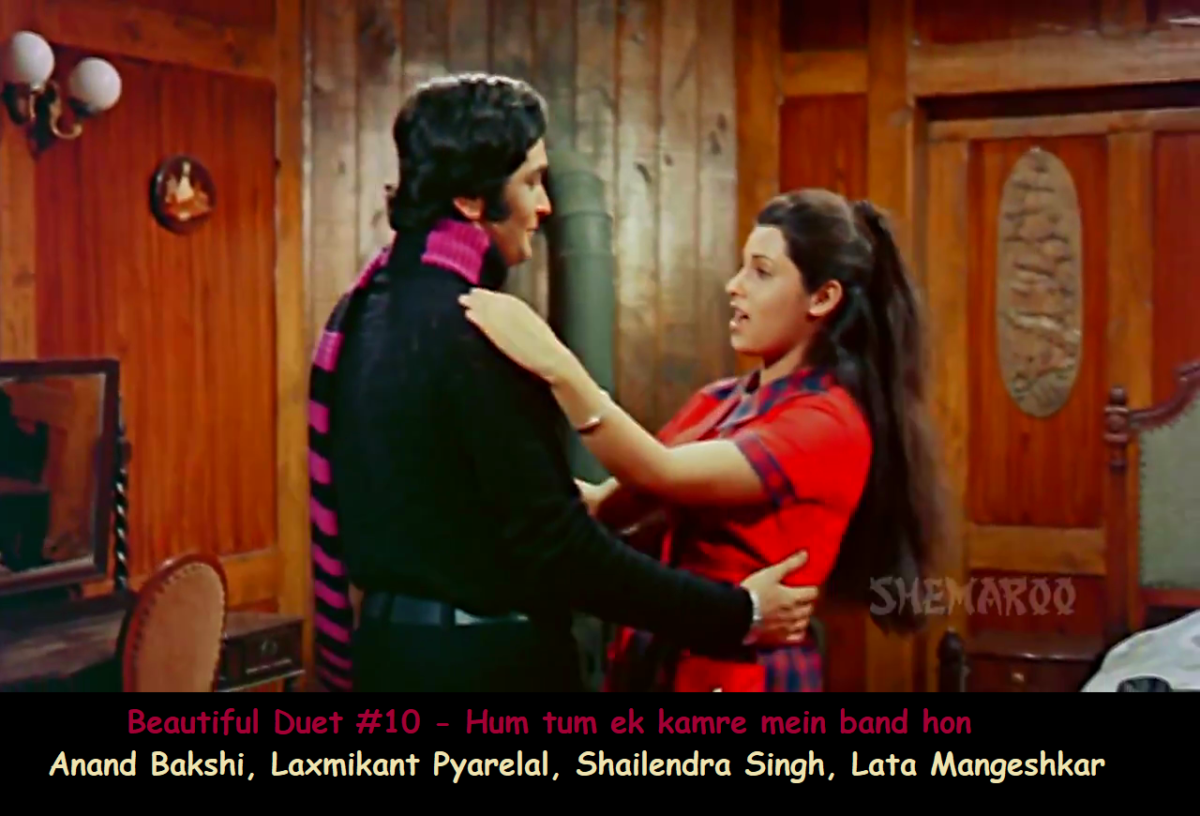
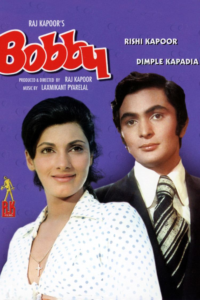 The next was on 28th Sep when a movie on young love titled Bobby was released. It changed many things. It actually changed the way we looked at movies. For once, the lead actors really looked of college going age rather than what we had to make do with so far, eg, Rajendra Kumar being a college boy in Dhool Ka Phool in his thirties (the duet being Tere pyar ka aasra chahta hoon). Of course, Mala Sinha was seven years younger but she always had that quality of not looking like a girl.
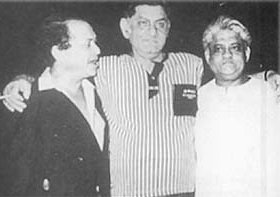 Both Anand Bakshi and Laxmikant Pyarelal pioneered this movement.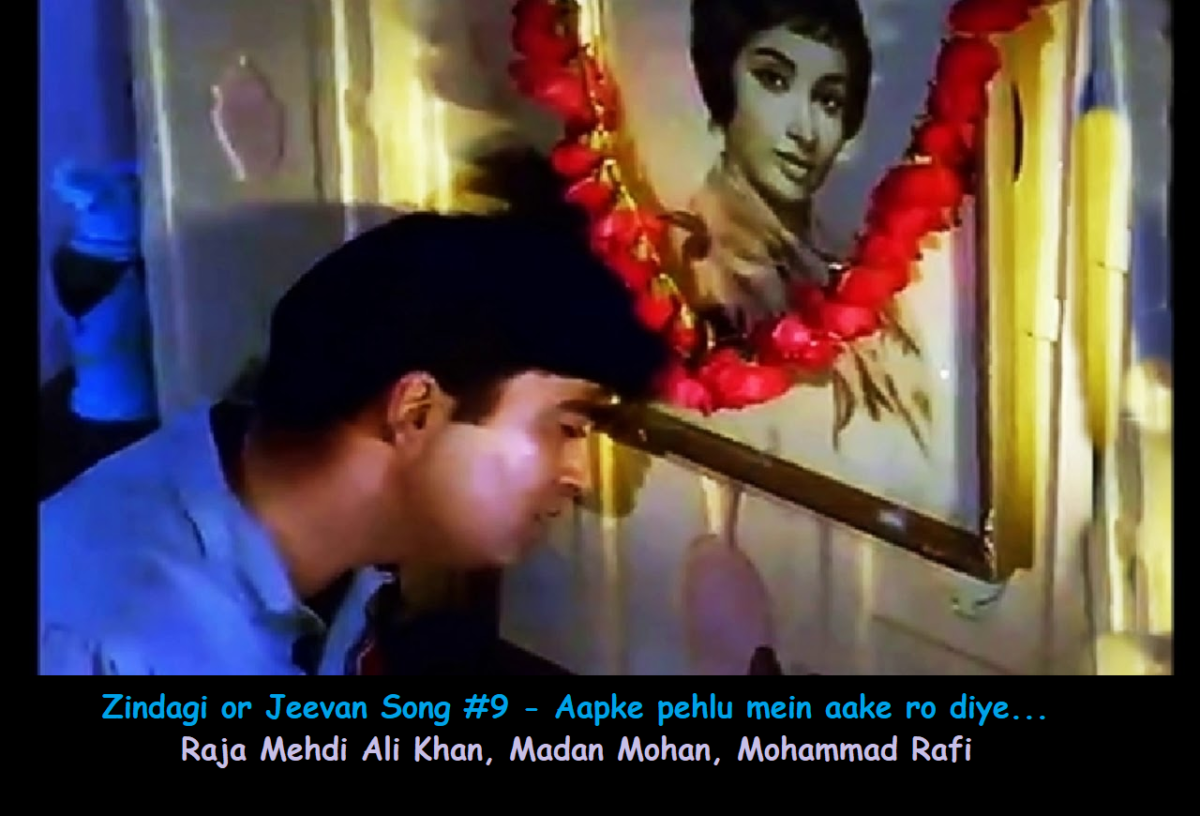
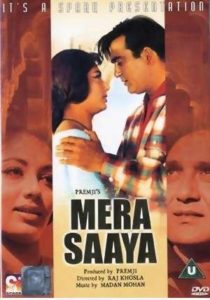 In the same 1966 Raj Khosla movie Mera Saaya, a song he wrote in Raag Bhimpalasi was adored by the singer Lata Mahgeshkar as one of the best in raaga songs composed by her “Madan bhaiya”.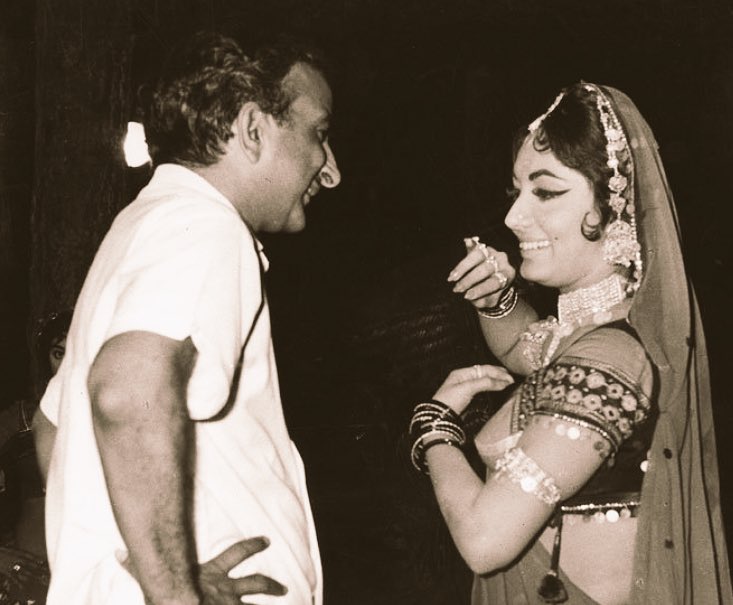
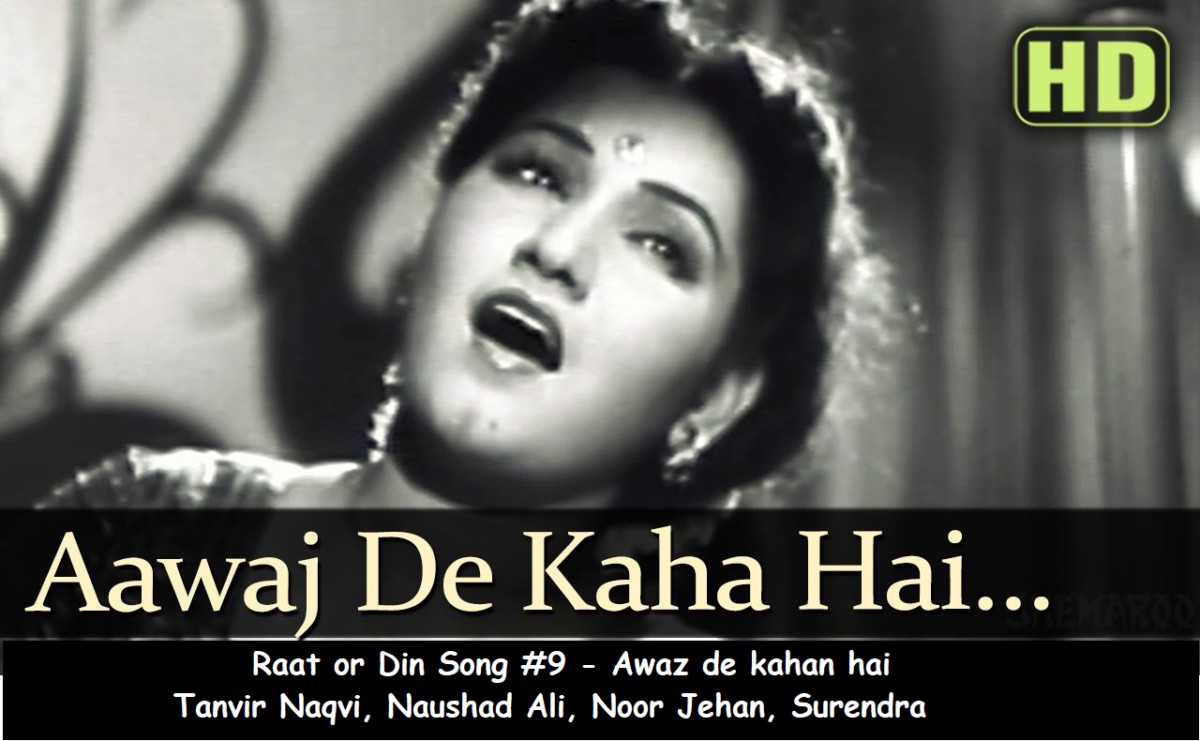
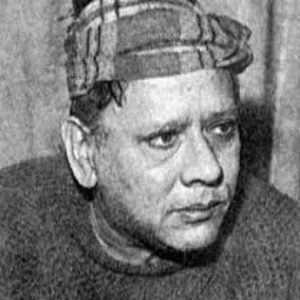
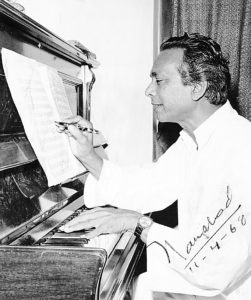
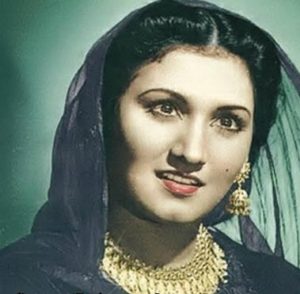
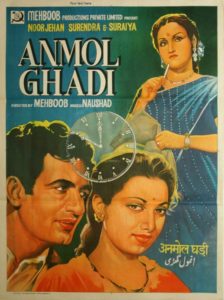 This 1946 movie was directed by the great Mehboob Khan (Mother India and Andaz). It starred Noor Jehan, Suraiya and Surendra. This song was sung by Noor Jehan and Surendra (one stanza each) for themselves.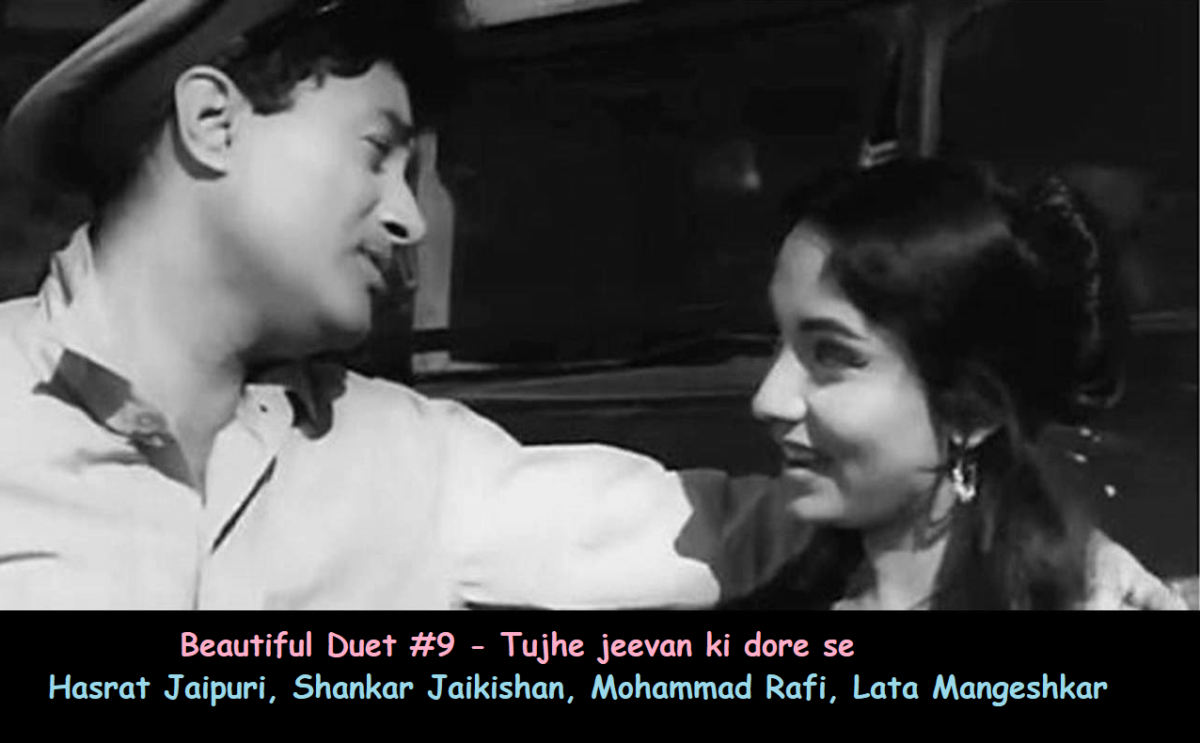
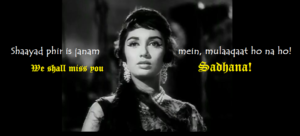 She was born on this day in 1941. On the Christmas Day in 2015, when we lost her, I wrote a post here titled: ‘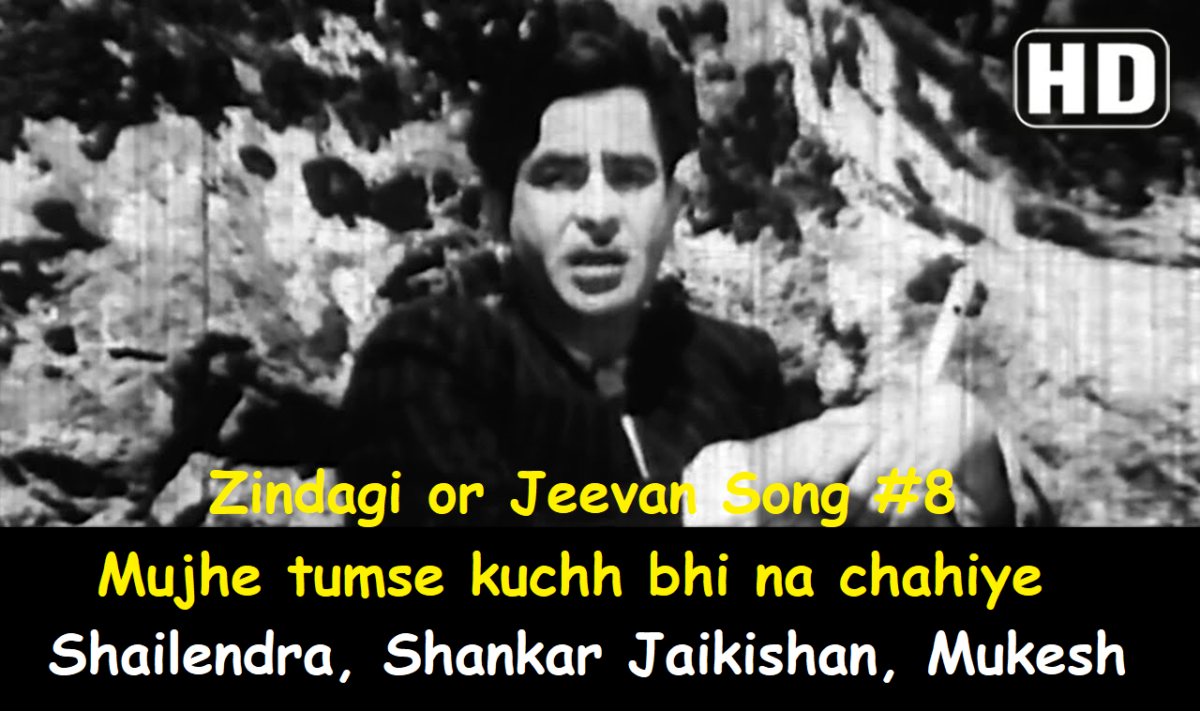
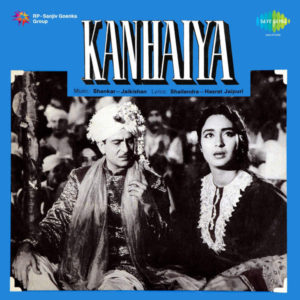 It wasn’t a Raj Kapoor movie; only a Raj Kapoor and Nutan starrer (the pair of Hrishikesh Mukherjee movie Anari) and yet the team of Raj Kapoor for songs was there: Shankar Jaikishan to compose and provide music, Shailendra and Hasrat Jaipuri to write the lyrics (this was penned by Shailendra) and Mukesh as the singing voice of Raj Kapoor and Lata Mangeshkar for the heroine. They did a very good job. Look at some of the songs they made:
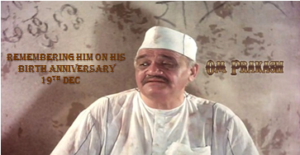 At times, many actors have tried their hands at direction. This movie had a story penned by Om Prakash and he also directed the movie. Dialogues were written by DN Madhok, the first generation lyricist in India.