Zindagi or Jeevan Songs Series
I started this series on my Facebook group Yaad Kiya Dil Ne on 18 Oct 20. Since then, many other members have put up these songs. Here, I shall be giving you one of my own, per day.
I hope you liked my choice for Song #38 – Kahan jaa raha hai tu aye jaane wale in Zindagi or Jeevan Songs series. Let’s start with Song #39.
Song #39
Duniya mein agar aaye hain to jeena hi padhega
Theme-word: Jeevan hai agar zehar to peena hi padhega
Remembering Naushad on His Birth Anniversary 26 Dec
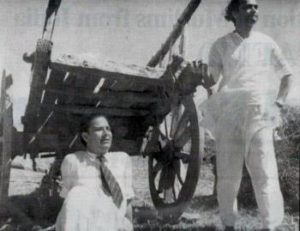
Shakeel and Naushad managed to make not just the best but the most memorable songs in Hindi movies. Each one is full of meaning. Each one carries forward the story of the movie.
This one from the 1957 Mehboob Khan’s iconic movie Mother India that nearly (lost by one vote) won the Oscar.
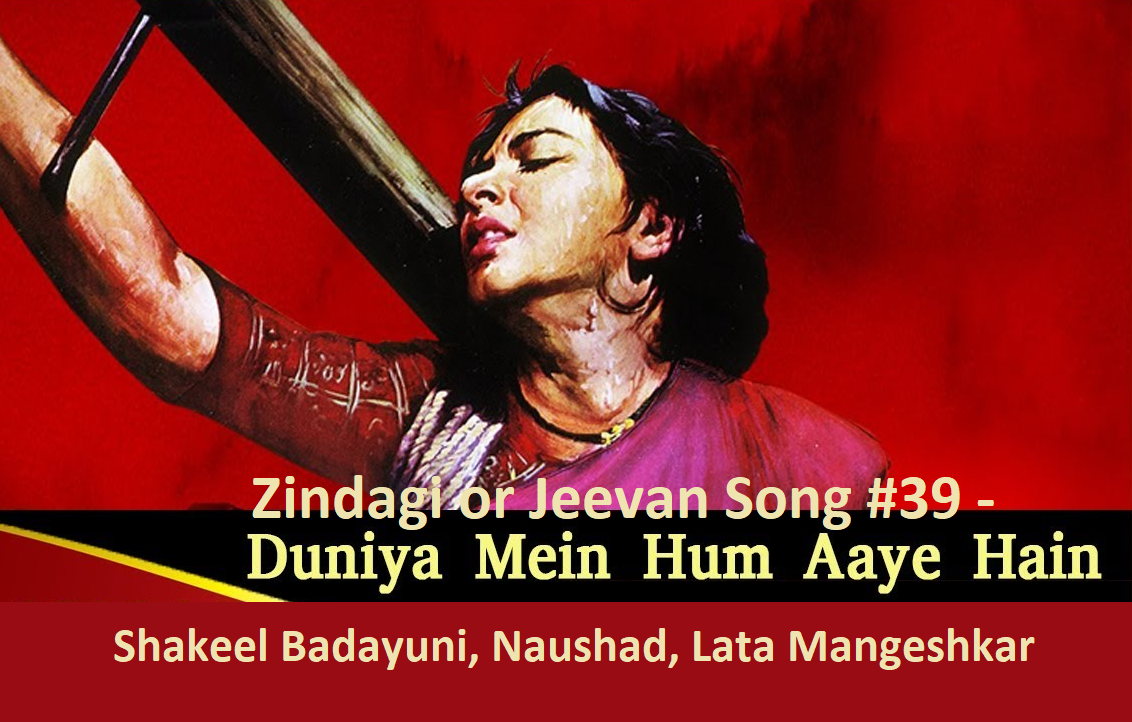
Romantically, the best remembered picture of Nargis is with Raj Kapoor under the umbrella in the song: Pyar hua iqraar hua. However, as far as her most iconic image is concerned, there are no two opinions about it; it is her carrying a plough in the poster of Mother India.
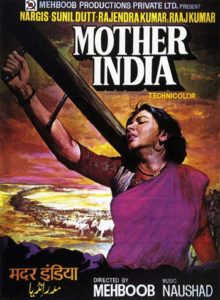 And this is the song of that image! This song describes what Mehboob Khan wanted to project as the image of Indian Woman as opposed to what Katherine Mayo did in her 1927 book Mother India that vilified her. Mehboob Khan wanted to project her as an intrepid woman who’d stand firm against all odds and circumstances.
I totally agree with this image since after my dad’s death by accident in 1984, my mother fought bravely against her circumstances (by herself in Kandaghat). At her death on 09 Aug 2017, they compared her to a Sherni (Lioness) who feared only God.
Shakeel Badayuni, Naushad, Lata Mangeshkar and Her Sister Usha
I think what Mehboob Khan wanted to achieve with Nargis as Mother India, he did very ably. Two others who helped him in this were Shakeel and Naushad; their songs are still as fresh as they were 63 years ago. This was sung by Lata Mangeshkar for Nargis and Usha Mangeshkar as chorus for the two of her boys in the film. In addition to the exquisite composition, I think the lyrics too contributed towards this song finding a place in the Hall of Fame and Greatness:
दुनिया में हम आये हैं तो जीना ही पड़ेगा
जीवन है अगर ज़हर तो पीना ही पड़ेगा
दुनिया …
गिर गिर के मुसीबत में सम्भलते ही रहेंगे
जल जाएं मगर आग पे चलते ही रगेंगे
ग़म जिसने दिये हैं बही ग़म दूर करेगा
दुनिया …
औरत है वही औरत जिसे दुनिया की शर्म है
संसार में बस लाज ही नारी का धर्म है
ज़िन्दा है जो इज़्ज़त से वही इज़्ज़त से मरेगा
दुनिया …
मालिक है तेरे साथ न डर ग़म से तू ये दिल
मेहनत करे इन्सान तो क्या काम है मुश्किल
जैसा जो करेगा यहाँ वैसा ही भरेगा
दुनिया …
The Song
Hats off to you, Naushad; hats off to you, Shakeel.
Ladies and gentlemen, please enjoy: Duniya mein hum aaye hain to jeena hi padhega….
I hope you enjoyed my choice for Song #39 in the series.
Please await Song #40 – Zindagi kuchh to bata.
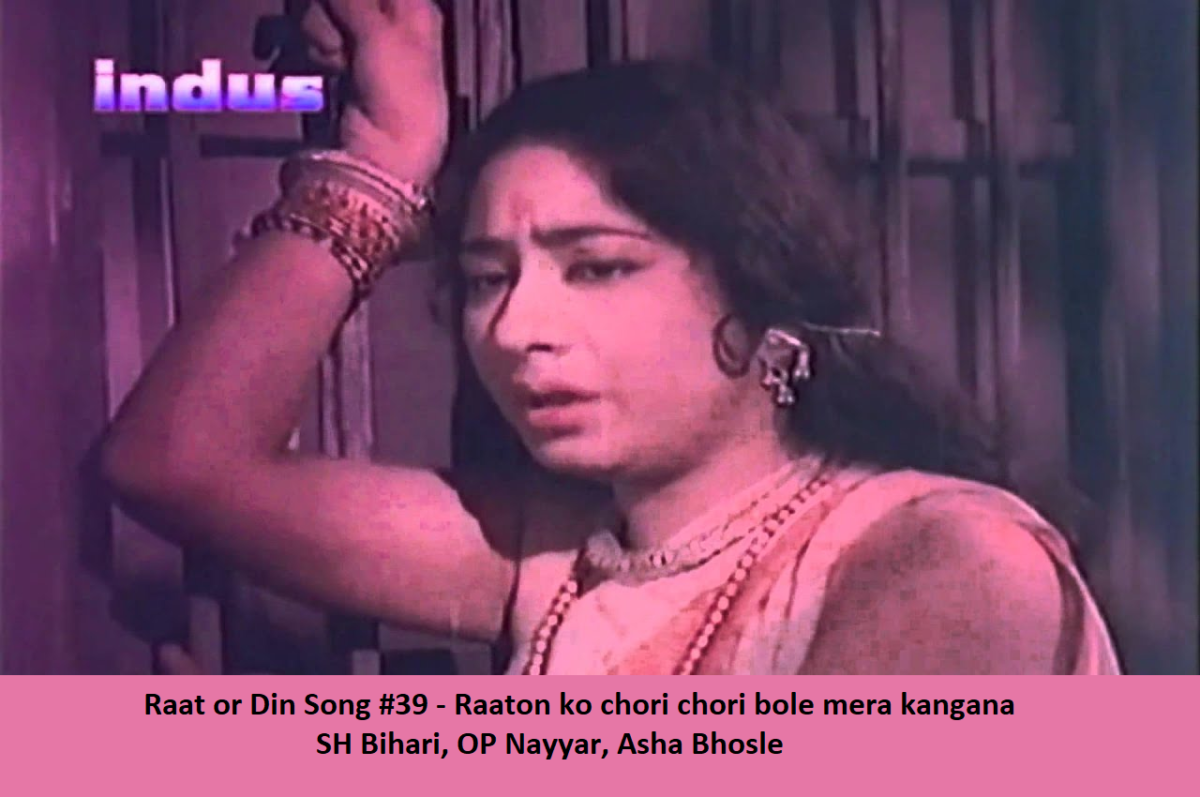
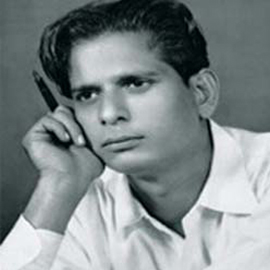 It is rare for me to give you a song that has the theme-word in the mukhada itself. However, I have been meaning to put up this song for some time now.
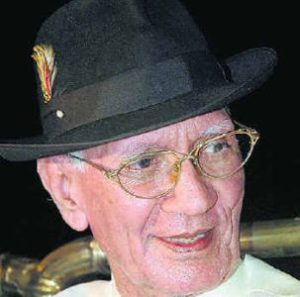 OP Nayyar, of course, is best remembered for his songs with horse-trot beat such as Maang ke saath tumhara, Laakhon hain yahan dilwale and Phir wohi dil laya hoon. His movies had the largest number of hit and super hit songs. He claimed not to know much about raagas and the like and yet some of his songs were very well composed in raagas; his favourite being Raag Peelu or Pilu and next favourite being Pahadi.
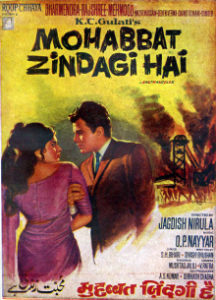 This movie was directed by Jagdish Nirula and starred Dharmendra, Rajshree, Chand Usmani and Mehmood.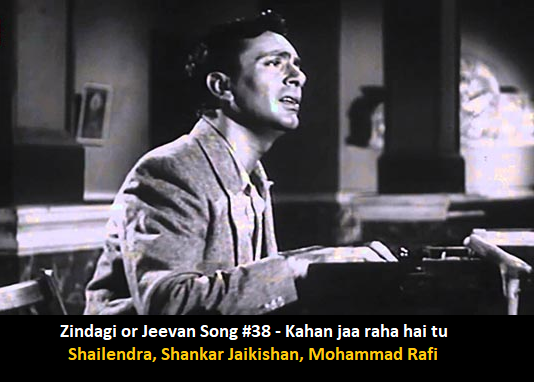
 End of the year is the time of the year for retrospection. We were so keen to usher in New Year. But, did we do anything new at all? Did we get rid of old habits and adopted new virtues? Did we think of new ways to solve life’s problems? Or, we were just puppets at the hands of Time and drifted aimlessly?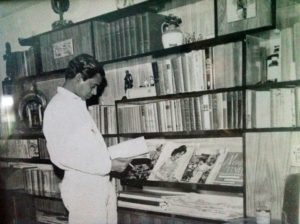


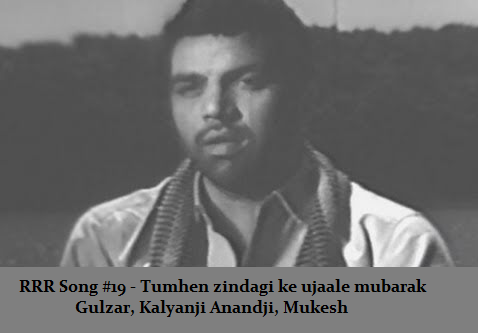
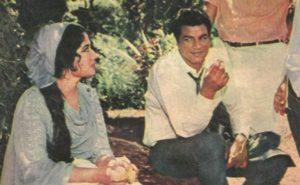 This handsome young man from Phagwara in Punjab joined Hindi movies as an actor so that he would act opposite Meena Kumari.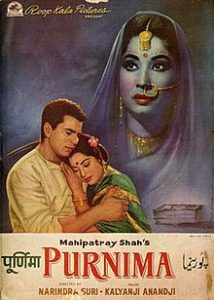
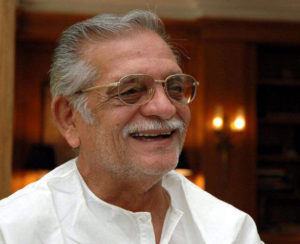
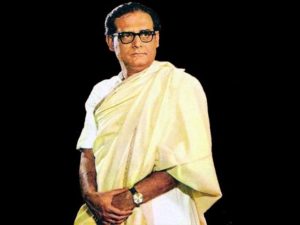 Hemant Kumar has been my favourite singer since my boyhood days and yet I am often very shy writing about him; just like I am writing about Mere Mehboob Tujhe.
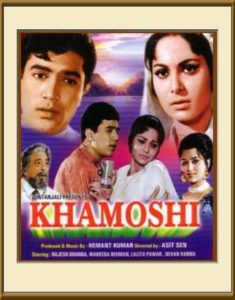 This Asit Sen movie starred Rajesh Khanna as the man who has lost his noodles after being cheated in Love. Waheeda Rehman is a nurse at a mental asylum. Whereas, other nurses have found it beyond them to handle such cases, Waheeda Rehman has been the nurse of choice because of her empathy and sensitive handling.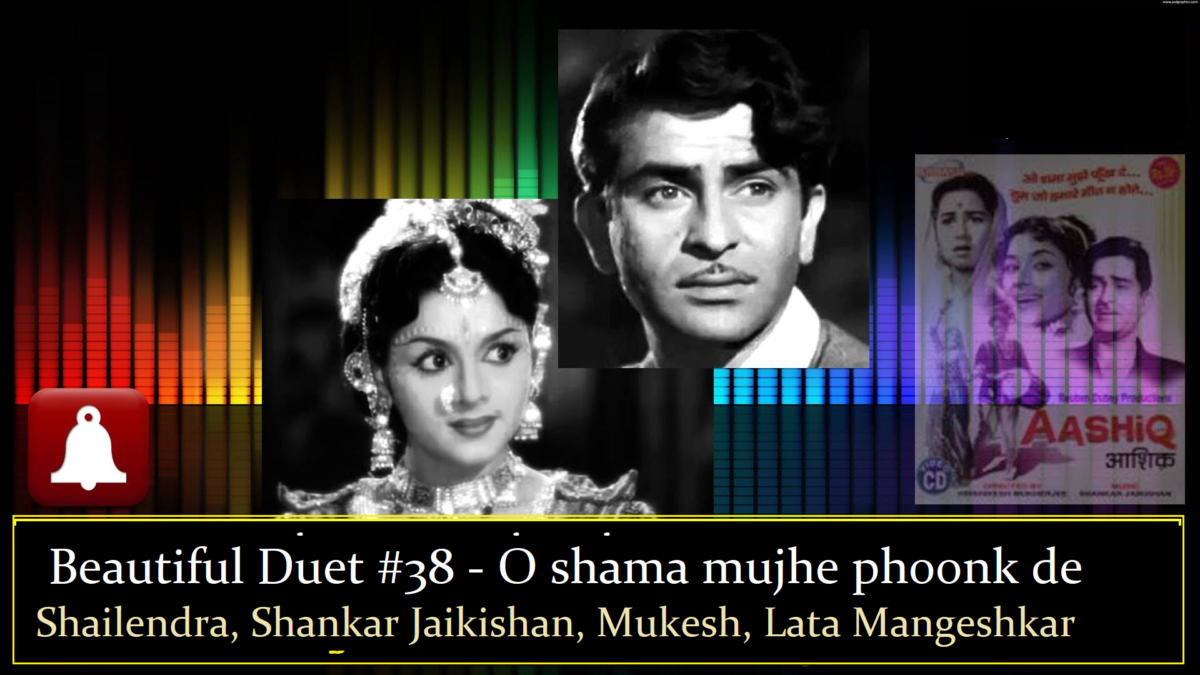
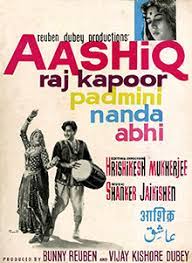
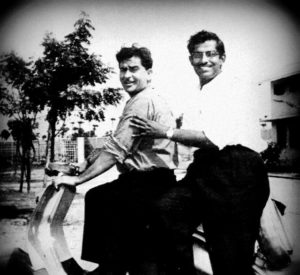
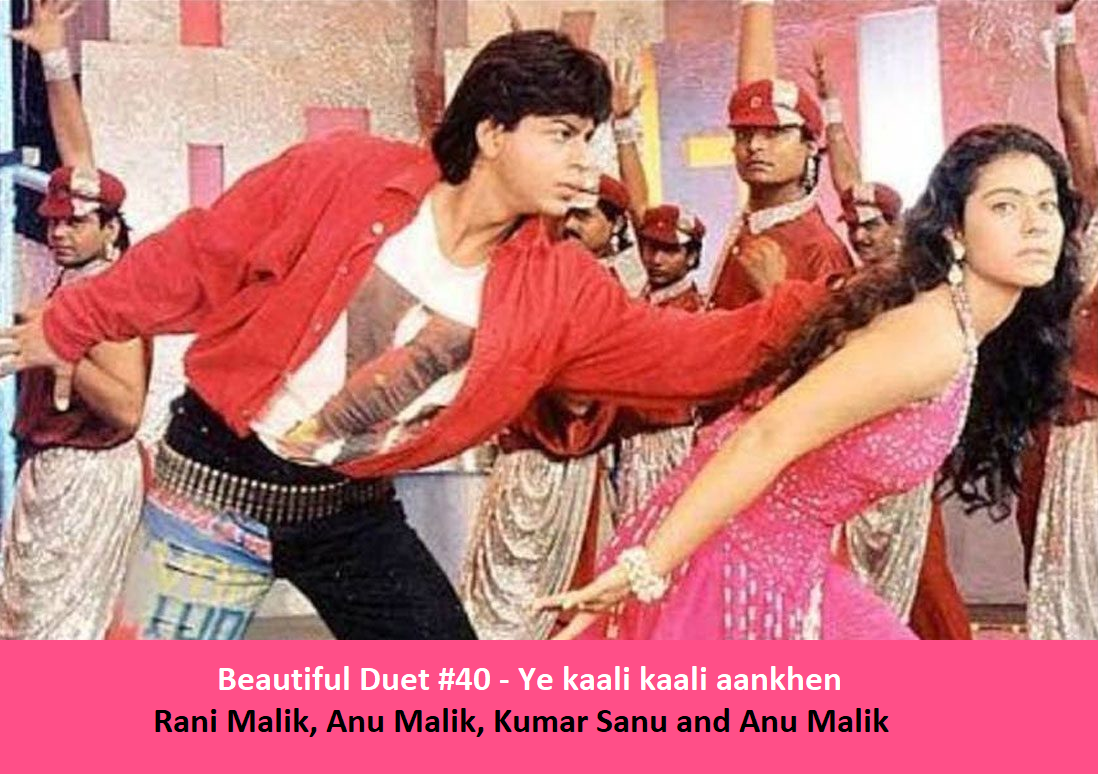
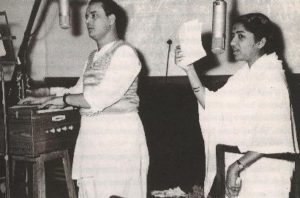 Mukesh and Lata Mangeshkar, the singers of the duet that I am giving you, made some of the most enchanting duets in Raj Kapoor movies. I had a Facebook group called Dil Ki Nazar Se based on the title of their duet in 1959 Hrishikesh Mukherjee movie Anari. Some of the other are: Aa ab laut chalen, Dum bhar jo udhar moonh phere, and Aaja re ab mera dil pukaara.
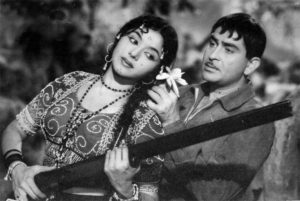 The song has been sung by Lata Mangeshkar and Mukesh on the lyrics of Shailendra and composition by Shankar Jaikishan. As I said, it is in Raag Bhairavi, Tal Kaherava. The song is picturised on Raj Kapoor and Padmini. A word about them at this stage: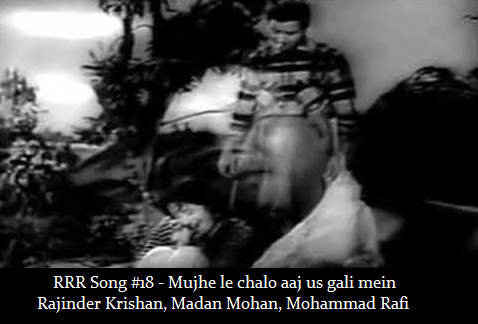
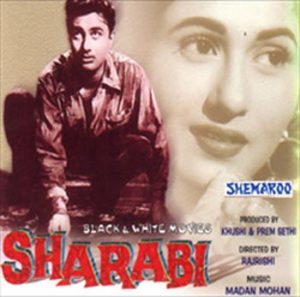 When it came to women, the roles in which each one of them had to show their mettle were as courtesans and the ones in which they could dance in wet saree.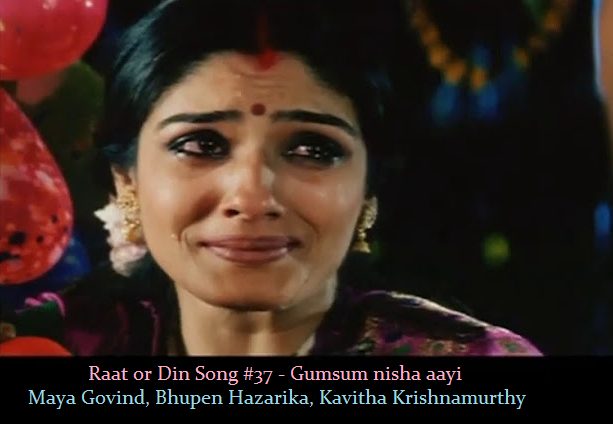
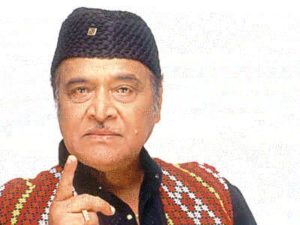 We lost him on this day in the year 2011. He did Assam proud by having been awarded two of the highest awards by the government of India: the Bharat Ratna, eight years after his death and Padma Vibhushan, one year after his death.
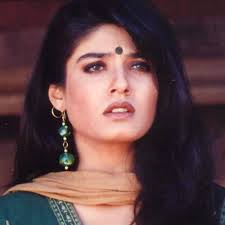 The other day I gave you, in the Beautiful Duets series a song that made Raveena Tandon the “Mast mast girl”. That was in the 1994 movie Mohra. Seven years later, her role in 2001 movie Daman, also a Kalpana Lajmi movie, won her the National Film Award for Best Actress. I am sure, she and us would value it even more than the “mast mast girl” title.
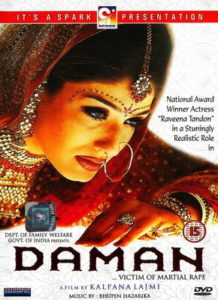 The film is about marital violence. When I acted in and directed in a private show (for the navy audience) Mahesh Dattani play ’30 Days of September’ about Incest, it came out from the mouth of Renuka Chaudhary, the Indian Minister for Women and Child Welfare that the incidence of incest in Indian families was as high as 51 percent! Well, the incidence of marital violence must be even higher. It has been, for ages, a male dominated society and you would have seen thousands of Hindi movies wherein the place of an Indian wife is shown at the feet of the husband (“Ab hamen aap ke kadmon mein hi rehna hoga”!)
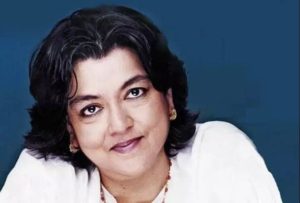
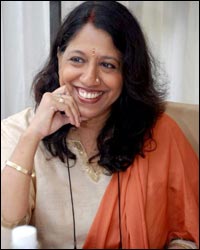 It was sung by Kavitha Krishnamurthy and composed by Bhupen Hazarika.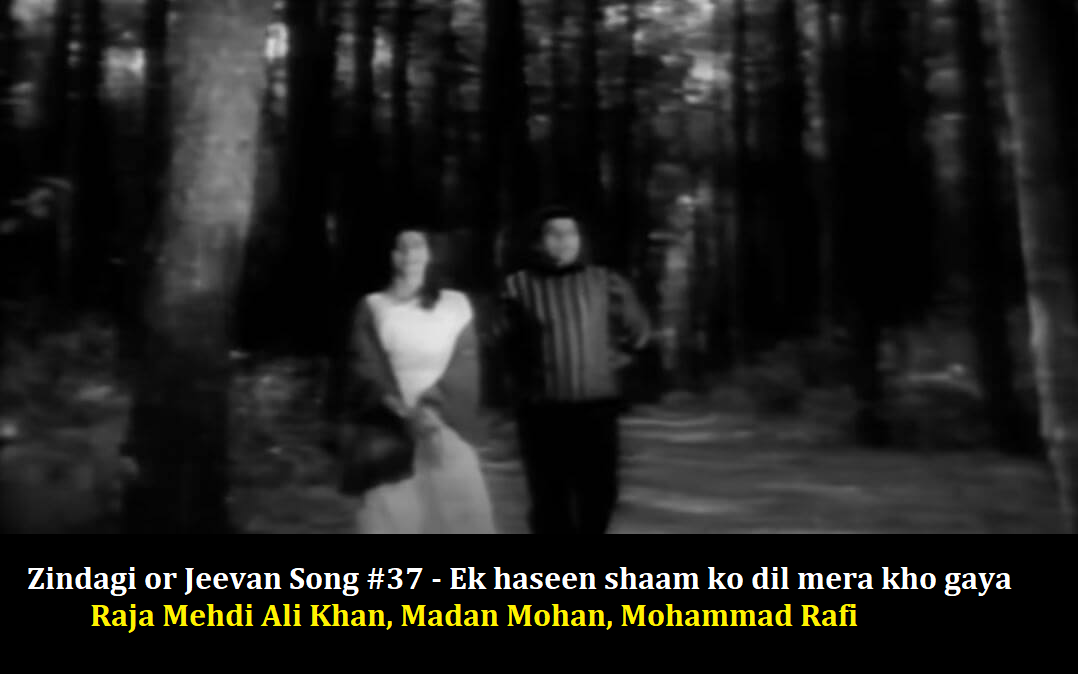
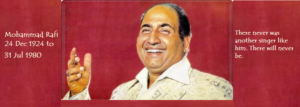
 Today is the death anniversary of the greatest singer: Mohammad Rafi. I am going to reproduce three of his songs in each of the series that I am running. This was put up on 01 Jan 2021 as follows:
 These were penned by my second most favourite lyricist: Raja Mehdi Ali Khan. Almost all the sites giving lyrics don’t even mention this as Zindagi song since they have (they copy from one another all the time) shown the theme-word line as:
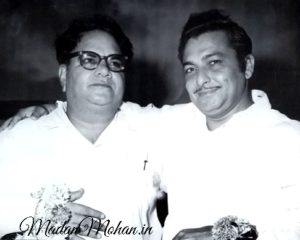 I ended the last year with sad and poignant songs in keeping with the spirit of the year. This year (except for doing away with this group) would usher in Love and Joys for all of us. This song reflects that. It is a very gentle composition by the maestro Madan Mohan (some of the most memorable songs in Hindi movies were by this pair, particularly those sung by Lata Mangeshkar.
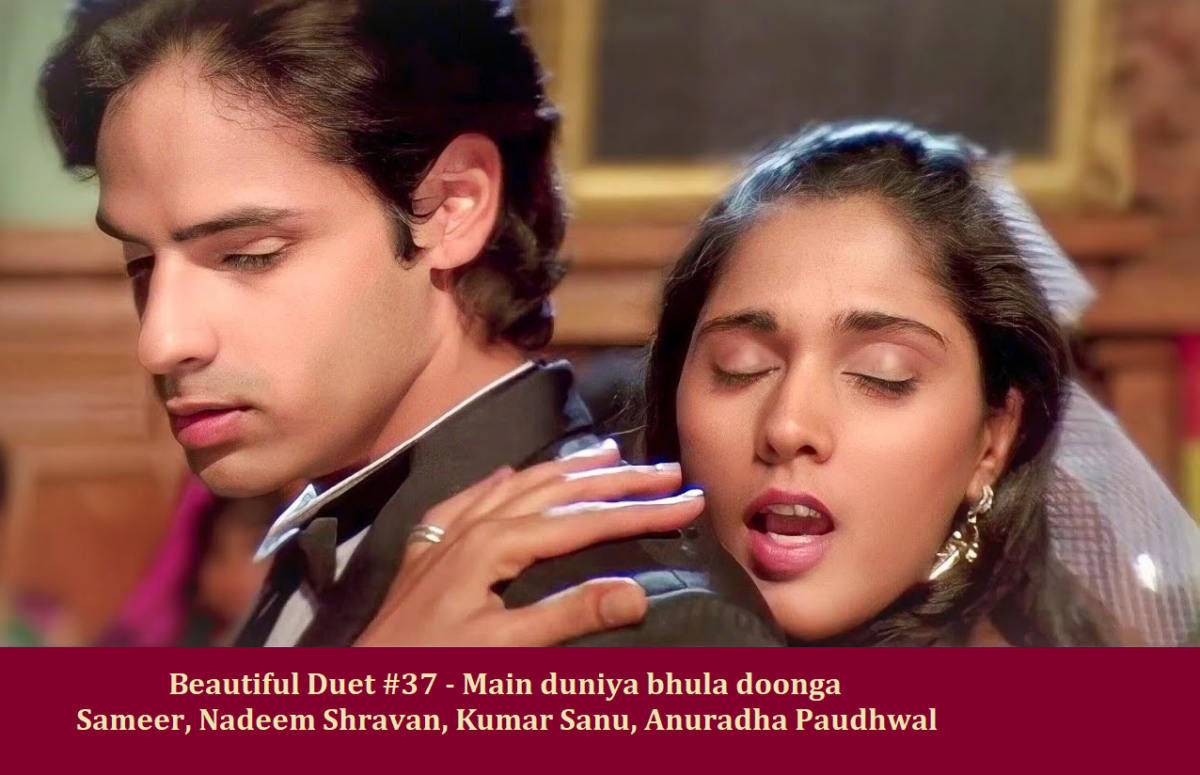
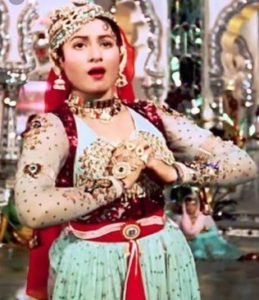 Anarkali screamed in the court of Mughal e Azam, Emperor Akbar: Pyar kiya to darna kya. So what, if she was only a courtesan and the object of her love was Prince Salim. Prince Salim rebelled against his own father: Akbar, was defeated and sentenced to death. She saved his life by offering her own. It wasn’t a happy ending for the couple. It was a rare case.
 However, most often than not rebellious Love wins, whether in Indian Love Story or that based on Eric Segal’s novelette.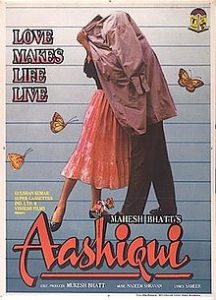

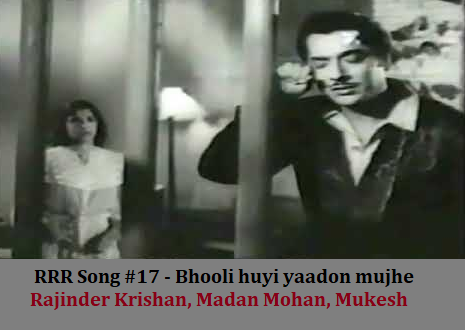
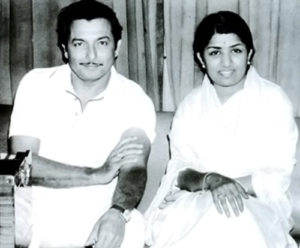
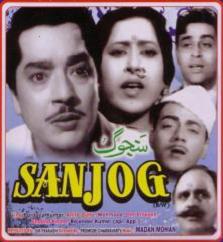 This was a Pramod Chakravorty movie starring Pradeep Kumar and Anita Guha.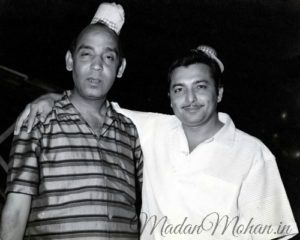
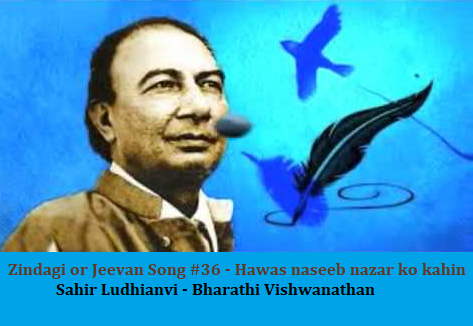
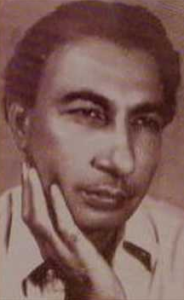 Sahir was his takhallus. If Shakeel means Handsome, Sahir means Magician. He was born as Abdul Hayee on 08 Mar 1921 in Ludhiana (Punjab). He emerged as one of the greatest poets and lyricists of his era. If his poetry and lyrics often favoured women and women’s causes, eg, his famous poem/song Aurat ne janam diya mardon ko; there was a strong reason for it. He was only 13 when his father married again. His mother, Sardar Begum, took the bold step of leaving his father renouncing all rights in the property. The father was not satisfied and wanted possession of young Abdul. As early as in 1935 in India, the mother won!
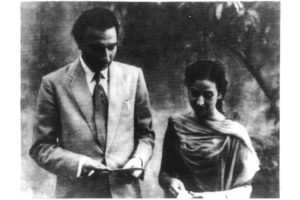 His most talked about love affair was with the writer Amrita Pritam who became an ardent fan of his poetry.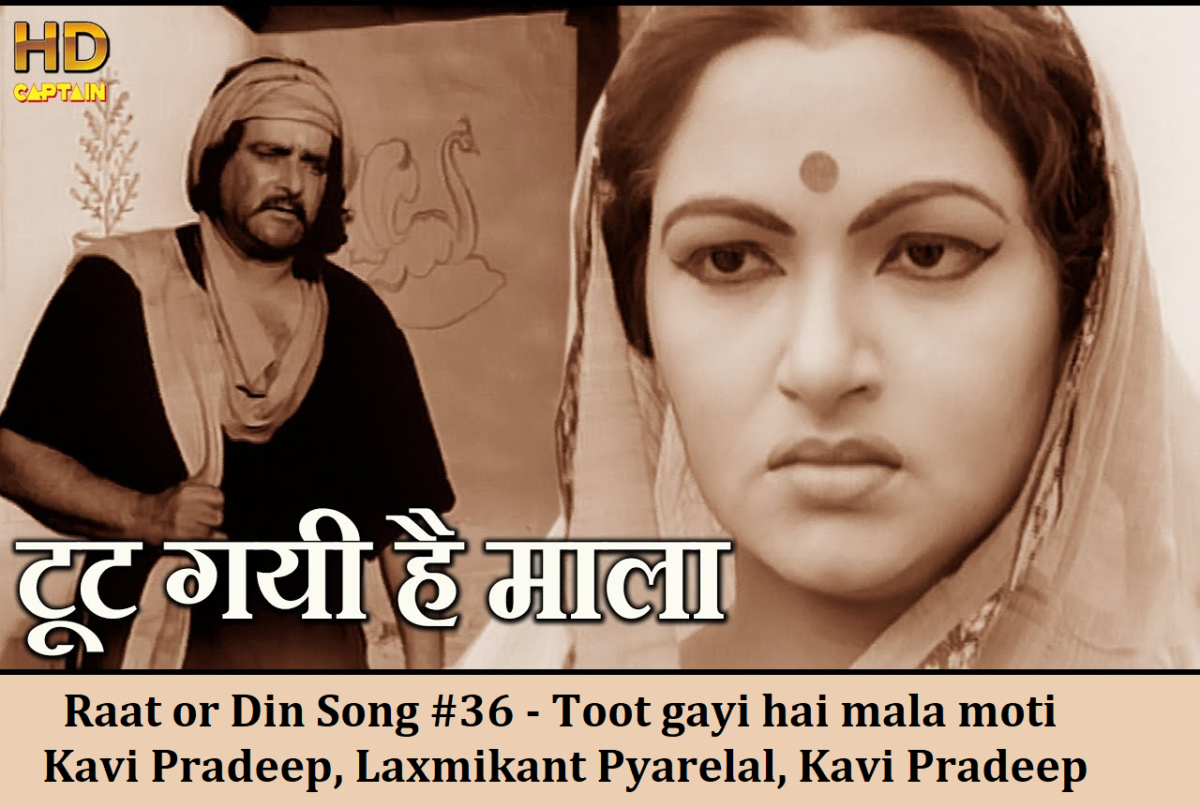
 He was born on this day in 1906 in Tehsil Samundri, Lyallpur District of that part of Punjab, which is in Pakistan now.
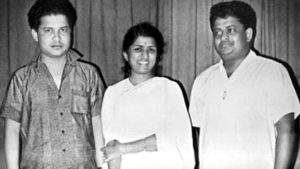 Today, also happens to be the Birth Anniversary of Laxmikant. Laxmikant Pyarelal composed songs for this movie too in 1963, the same year that they composed songs for Parasmani whose song Woh jab yaad aaye bahut yaad aaye I have given you in Zindagi or Jeevan Songs today.
 This song was sung too by Kavi Pradeep. Prithviraj didn’t go about singing and dancing in his movies. However, there are many songs picturised on him.