From 4th Jan 19 I started doing something different. In addition to my own inspirational poems everyday, I started giving you, on every Friday, a song or poem that has inspired me. Today is the second one and it is a hymn in Punjabi.
This hymn was written, composed and sung by the tenth guru of the Sikhs: Guru Gobind Singh.
Guru Gobind Singh was the finest example of scholar-warrior in the Indian history. The Gurus were spiritual leaders but, when a war was imposed on them by the cruelties of the mughals, they took up sword to fight for the just cause. When he was told that the mughals outnumbered the Guru’s warriors, he came up with the slogan that each one of his warriors is equivalent to ‘sawa lakh‘ (1.25 lakhs). A few years later, in the Battle of Saragarhi (acknowledged by the UN as one of the bravest battles ever fought in the world (see Wikipedia), his disciples, just 21 in number fought against 10000 Afghans without accepting defeat).
How was this leadership possible? Simple, by setting a personal and familial example. Guru ji let go of all his personal comforts and fought like any of his other warriors, accepting hardships, accepting despondency and moving on (this is not mythological; this is recorded history). He sacrificed his four sons at tender ages: Jujhar Singh (b. 1691), Zorawar Singh (b. 1696) and Fateh Singh (b. 1699) and Ajit Singh ((b. 1687) in the battle. They were so young when they achieved martyrdom that when I was small, I used to listen to this poem:
“Nanhe nanhe bachche chine’ gaye deewaron mein, Muskraahat bhi na jinaki chheen paaya tha zamaana, Laal aise hi hamaari veer mitti ne jamen hain, Sar kataana theek hai jinake liye galat gardan jhukaana.” (Small, tender children were paved in the walls, The world had not yet stolen their smiles, Lads like that our brave soil had produced, For them it was right to get their heads severed but wrong to bend the neck (in slavery).
And when their mother (an equal partner in this leadership) was told about their sacrifice, she had this to say:
“Chaar muye to kyaa huya Jeevat kayi hazaar“ (So what I lost four sons, I have thousands more)
The martyrdom of Guru Gobind Singh’s youngest sons (Image courtesy: https://epilogue.in/2018/12/27/country-cannot-forget-martyrdom-of-guru-gobind-singhs-sons/)
I am inspired by this hymn because suddenly whilst listening to this I am raised to that level whence I realise that God as a friend is beyond despondency, beyond all worldly pleasures. He calls you to do your duty (as Lord Krishna directed Arjuna in the Battle of Mahabharat) and not to worry about the results since He would take care of them. Interim trials and tribulations should never shake your faith.
This beautiful hymn by Guru Gobind Singh, was recited in the Machhivara forest when he was separated from everyone after leading them in the Battle of Chamkaur; not everyone because the connection to the Lord remained strong as always.
Here is my small introduction followed by the hymn in Punjabi, its transliteration in English and finally its translation in English:
Guru Gobind’s faith in God was resolute, Even when he was rendered alone in battle, His fortitude and praise of God did not dilute, Even after his sons were martyred like cattle.
Mitr piyaare nu haal mureeda da kehnaa ॥ Tudh bin rog rajaaeeaan da oudhan naag nivaasa de rehna ॥ Sool suraahi khanjar piyaala bing kasaaeeaan da sehna ॥ Yaararre da saanoo saathhar changaa bhathh khaerriaa da rehna ॥
Tell the beloved friend (the Lord) the plight of his disciples. Without You rich blankets are a disease and the comfort of the house is like living with snakes. Our water pitchers are like stakes of torture and our cups have edges like daggers. Without You we are like animals at the hands of butchers. Our Beloved Lord’s straw bed is more pleasing to us than living in costly mansions.
We are so particular about food we serve and eat,
It should really have good aroma and taste;
It should be soft, it should be sweet,
And nothing of it should ever go waste.
It shouldn’t be pungent, it shouldn’t be bitter,
It should never make our eyes cry;
It shouldn’t make one unintended spitter,
It should be pleasant to tongue and eye.
Alas, none of these apply to words we use,
And we use them without a thought;
We don’t mind if these are hot and loose,
Or make our listeners completely distraught.
Blessed are those who have the fine art,
Of conveying disagreements with a smile,
Their utterances are never taken to heart,
Carrying everyone with them is their style.
May you be blessed with such a nature,
So that sweetness and smiles you spread;
May your speech add to your stature,
As a person of warm heart and level head.
May your day be nice and pleasant,
Even with those who don’t agree with you;
May peace and sanity be always present,
In everything you decide to say or do.
If you live in a crowded city or a town,
And you rarely allow Nature to come near;
Chances are that from sunrise to sundown,
You live a life of constant anxiety and fear.
“Will I reach my office on time today?”
“Will my boss be annoyed or happy?”
“I hope friends will let me have my way,
Rather than telling me to make it snappy.”
“The traffic is killing, the noise is a roar,
Everywhere I go I am never alone;
This one is annoying, that one is a bore,
What really have I got of my own?”
Take a trip to the green hills or plains,
And let Nature work its magic on you,
Walk in the clear air, be drenched by the rains,
Look at the flowers red, white, yellow and blue.
Enjoy your own company for a change,
Or share it with your partner, birds and butterflies,
Lo and behold you can, your life, rearrange,
Happiness soars and anxiety dies.
Believe me it doesn’t cost much to be rejuvenated,
It’s not money, you’ve got to spare time,
But, do it before you’re completely saturated,
With daily chores for which no one gives a dime.
Let me wish you a day and life today,
Wherein you do things for your own sake,
Where you allow Nature to have its say,
And tell yourself, “I deserve a break.”
Today is Guru Purnima, the day to pay homage to one’s teacher or Guru.
I was born a Sikh. Hence, as commanded by our tenth Guru Gobind Singh ji, we have the living body of Guru in the form of Sri Guru Granth Sahib ji at home. That is obvious. As I go along, I shall mention how it helped me to be guided by SGGS ji.
Another obvious ones are my parents. Both my dad and my mom taught by their example. As I go along I shall mention these too. Their influence in making the person I became is immeasurable.
However, today, on Guru Purnima day, I have chosen to pay homage to my biggest Guru: Scarcity. No, not Adversity but Scarcity. Adversity is a state of mind; scarcity is only a physical condition. In doing so I am paying homage to my parents too.
Like most Sikhs, I read from the SGGS ji daily. When I was small, my dad insisted that we as a family sit together, once a day, to pray. I learnt that being poor at heart was a virtue. We didn’t have to adapt this principle. We were poor and not just at heart. One reason for it was that my dad and mom didn’t expect and accept anything from anyone. My dad worked in the horticulture department in Himachal (a North Indian hilly state). After he died, I discovered that he had paid for everything that he received from the department: fruits, canned and bottled stuff. And yet, dad was the richest person that I ever came across. He gave freely.
In my first ever class in a school (Government Primary School, Kandaghat, Himachal), one day (as told by my mom) I returned home and apologetically asked my mom if we had any money. Mom was fearful that I fancied some toy or sweet. She asked: “Bubble (for some reason I was nicknamed this by my dad), kaade waaste paise chahide ne?” (Bubble, what do you require money for?) And I replied fearfully, “Fees deni hai.” (To pay (school) fees).
Dad and mom gave us the best education, schooling and life possible. Our style of living and my dad’s passion for giving freely to people belied the scarcity we felt at home. He was a great follower of ‘Atithi devo bhava‘ (The guest is akin to God). The best at home was always given to the guests. My mom was publicly embarrassed by my dad in case she neglected to give the guests something she felt would add to perennial scarcity. For example, lets say, dad had got some sweets and she thought of not serving to the guests, dad would say in front of the guests, “Kyun mithai nahin khilani ehna nu?” (Why are you not serving the sweets to them?)
I sincerely believe God loved my parents. He always gave them enough; I don’t know how and where from it came, but it was always there. In my later life, I felt, God loved my wife and I too for we too had enough. Just a few years before retiring from the Indian Navy, I gave us an Archie’s plaque on our anniversary, which read: ‘We don’t have much but we have each other.”
Dad and mom worked very hard. Before, they could have even the remotest semblance to plenty, my dad died in a jeep accident. The kind of scarcity that we were driven into was to be seen to be believed. As an example, mom and I sold empty bottles, newspapers and other junk at home to pay off a creditor. Then, I have brought a cooking gas cylinder from 16 Kms away by bicycle so as to save the bus-fare.
My parents and scarcity taught me some invaluable lessons. Today, on Guru Purnima day I shall try to put these down:
Unshakable Belief in God. Sri Guru Grant Sahib ji has this thought on numerous occasions. In the very early part of SGGS one comes across this one from our fifth Guru Arjan Dev ji in Raag Goojari:”Kahe Re Man Chitweh Udham Ja Aahar Har Jio Dharia
(O my mind, why you keep on worrying about livelihood, when God Himself is taking care of it.
(this does not mean that one should not work for a livelihood. What this means is that one should make the honest effort but not worry about the results).Sael Pathar Meh Jant Upaye Ta Ka Rijak Aage Kar Dharia”
(Look, even for those creatures He created in rocks and stones (tiny worms), He provided their livelihood in advance (even before they were born).
There is repeated mention in SGGS ji about the uselessness of worrying. At the end of the SGGS ji, the ninth Guru says this in one of the Slokas:
Chinta – Taki keejiye jo anhoni hoei,
(You should worry if something unexpected or impossible is going to happen. The true meaning of this is that everything is as ordained by God and we are His children. Why should we worry when He would have thought of the best for us).
And look at what he (Gur Tegh Bahadur ji) says in the next line of the sloka:
Eh marg sansar ka, Nanak thir nahin koei”
(The world has been created in such a way that nothing is forever)
My maternal grandparents have great faith in their Hari Babaji (a devotee of Lord Krishna). Once when they approached him in adversity for advice, he wrote:
“Achhe din bhi nahin rehate, bure din bhi nahin rehate. Sainyam rakhiye. Sab theek hoga.” (Good days don’t last, bad days don’t last. Keep self-restraint. Everything would work out right)
My dad went several steps ahead; he had done an akhand paath (continuous reading from start to end) of SGGS ji almost entirely on his own. He believed that God and he existed for each other. His favourite hymn was:
“Jo maange thakur apne te soii soii deve,
(Whatever you ask from Him, He gives)
Nanak, das mukh se jo bole eehaan uhaan sach hove.”
(Whatever God’s servant speaks (in prayer), one way or the other it becomes true)
What about my mom? Well, in my entire life with her I never saw her ask for anything because she felt that Waheguru already knew her needs more than her and would provide without asking.
What about me? I believe my dad and mom were God. Actually, it is not right to use the past tense for God; they are God. And I believe they are still teaching me.
Value of Things. When you have plenty, you take many things for granted. However, scarcity teaches you to value whatever you have. More than anything, you learn the value of enough. Suddenly you become very very rich. You preserve. You don’t waste. Just three days before my mom went to the hospital for the last time last year she went to the kitchen (almost crawled there because she was barely able to walk) and taught our maidservant how to make ghee from the milk-cream so that it wasn’t wasted.
Scarcity Makes One Stronger. The most beautiful aspect of scarcity is that instead of making one weaker, it actually makes one stronger. Imagine that someone is trying to hurt or punish you by depriving you of something. However, you already have come through deprivation and you know how to go through it. The scheming guy is made to look small and like an idiot. When I was in school I read through a book called ‘Lights Along The Shore’. It was about a Christian priest in Stalinist Russia, sent to a concentration camp in Siberia. In order to humiliate him and break his will, he was asked to clean ten latrines everyday. In the night he thought and thought how to get out of the imposed humiliation. By the morning he had the solution: he started cleaning twenty of his own free will.
Character. I believe dealing with scarcity made me a charactered person, ethical and disciplined. For example, I never owe anything to anyone; I repay as soon as possible. In the month of April this year we had a get-together of my music group Yaad Kiya Dil Ne. Everyone was to contribute his/her share. There is a person five times richer than me. Despite dozens of reminders he didn’t pay even though he had the maximum guests. I won’t ever call upon myself such dishonour.
There is Always a Way Out. Scarcity teaches you that nothing is impossible. If you look at it the right way, with a calm mind, there is always a solution. A person who has dealt with scarcity is unlikely to get defeated by a situation.
Empathy. A person who has dealt with scarcity learns to have empathy for others who are going through bad situations even after he himself has got out of it. My father had this habit of feeling for others and give to them; it has percolated down to all three of us children.
Humility and Modesty. It also follows that even after one gets out of scarcity (for example now I have), one is never haughty or arrogant about it. One learns to be humble, modest and grateful: “God, you put me in a situation to give me some valuable lessons and tools how to get out of it. Now, God, with your help, I am out of it. Make me humble enough to realise that without your help I couldn’t have managed even a fraction of it.
In the end, I can say with adequate pride and confidence that Scarcity taught me more than Plenty would have. God and my parents (there is, like I said, no difference between the two) facilitated this learning. Sri Guru Granth Sahib ji, as ordained, has always been the trigger to such learning.
At my bedside there is a copy of a book ‘Miracles of Ardas*’ written by the Himalayan Legend, Padma Bhushan and Arjuna Award winner mountaineer Captain (of the Indian Navy) MS Kohli. It too keeps reminding of my dad’s favourite hymn from Sri Guru Granth Sahib ji:
From the first of June, 2018, I started writing Good Morning messages in the form of poems (Please read: ‘Good Morning Message #1‘).
This was done when a course mate, Viru, suggested that people sharing memes as WhatsApp forwards had become passé and impersonal. He suggested that we should be as personal and unique as possible.
Here is my second attempt (pics have been added only in the blog and not in the original message on WhatsApp):
An awesome day is at your doorstep.
There is good in every day,
It’s not difficult to find;
For everyone of us in some way,
Is good at heart and kind.
Despite all the things that’re wrong,
If you look for something right;
It won’t really take you long,
To find across the tunnel light.
God made the world in such a way,
That good would always prevail;
Yes, people and things do go astray,
But good? Well, it would never fail.
Akbar da shehzada kehlaanda si Jehangir,
Sikhan naal karda si nafrat, maadha si usda zameer.
Main nahin manada Ik OmKar nu” usne keha,
“Phad ke lai aao Arjun Dev nu, pairan ch paao zanjeer.”
“Mere shehzade Khusro nu wi isne keeta hai khraab,
Waheguru di oh kadr karda hai, nahin peenda hai shraab.
Usdiyan wi main akhan noch lawanga jehdiyan Guru nu wekhan,
Mera hi khoon meri gaddi de baithan de dekhda hai khwaab.”
Ik aakhri mauka dinde haan, Jehangir ne keeta ailaan,
Guru nu kaho Waheguru nu bhul ke Allah da rakhe maan.
Guru ji ne keha, duniya fateh karan da tera shauk hai,
Par kade na bhulin Jehangir tu wi Waheguru di hai santaan.
Eh sun ke Jehangir nu rajj ke gussa aayiya,
Tatte tawe te usne Guru Arjun Dev ji nu bithayiya,
Je eh zulm kuchh ghat si, pher us zaalim ne,
Jaladi ret nu Guru Sahib de shareer te paayiya.
Panj din panjavin paatshahi te barasti rehi dehshat,
Ik minute wi julman tonh Jehangir ne na layi fursat,
Rabb de oh bande si, Rabb da hi noor san,
Nadi ch jadd nalhaan gaye Guru sahib ho gaye rukhsat.
Guru ji Rabb da noor si, aje wi ohi noor hai,
Jehangir da usdo baad kithe koi garoor hai,
Us hi Lahore ch jithe Guru Sahib hoye si shaheed,
Gurudwara Dehra Sahib aje wi mashhoor hai.
Kade nahin bhul sakde Guru ji de tyaag te kurbaniyan,
Sunehre itihaas ch rehan giyan Guru Arjan Dev diyan kahaniya,
Sikh oh hai jehda Guru ji de dikhaye raste te chale,
Baaki chahe Sikh hon diyan hore wi hon nishaniyan.
Akbar’s prince was known as Jehangir,
He had hatred for Sikhs, his heart and mind were corrupted,
“I don’t agree with Ek Omkar”, he said,
Capture Arjan Dev and bring him to me with chained feet.”
“My prince Khusro too is spoiled under his influence,
(He too) respects Waheguru, he doesn’t drink,
I will gouge his eyes too that look for this Guru,
My own blood dreams of overthrowing me to become the king.”
“I’ll give him (Guru) one last chance, Jehangir proclaimed,
“Tell the Guru to forget Waheguru and respect only Allah.”
Guru ji told him, “To conquer the world appears to be your desire,
But, never forget Jehangir that you too are a child of Waheguru.”
Upon hearing this Jehangir became very angry,
He ordered Guru Arjan Dev ji to be seated on hot plate;
If this torture wasn’t enough, then this tyrant,
Poured burning sand on Guru Sahib’s (bare) body.
This type of terror was unleashed on our Fifth Guru for five consecutive days,
Not even for a minute Jehangir took a break from this torture. na layi fursat,
(Guru ji) was a man of God, indeed he was the Likeness of God,
(At the end of the torture) when he was taken to Ravi river for bath, he departed (to be with God).
Guru ji was the Light of God, even now that Light prevails,
However, where is Jehangir’s arrogance after he has gone?
In the same Lahore, where Guru Sahib was martyred,
Gurudwara Dehra Sahib is situated even now.
Never can we forget Guru ji’s sacrifices,
In golden letters of History would remain the saga of Guru Arjan Dev,
Sikh is the one who treads the way of the Guru,
Even though there are many other symbols of becoming a Sikh.
मज़हब के मुग़लिबों की क्या दे हम दुहाई,
इन्सान को बना देते हैं मुसलमान, हिन्दू और ईसाई।
दुनिया को तक़सीम करके ये करते हैं राज,
पैदा तो हुए थे सब बहन और भाई।
मज़हब नहीं कहता पर ये कहते हैं,
माजूदा वक़्त छोड़ के ये माज़ी में रहते हैं,
डराते हैं हमें मौत से, गुनाह से, बुराई से,
खुदा से ज़्यादह हम इनके ज़ुल्म सहते हैं।
ईष्वर एक है यह ये भी मानते हैं,
पर अपने वाले को सबसे बेहतरीन जानते हैं,
कहते तो हैं वाइज़ आपस में बैर न करो,
पर करते हैं वही जो मन में ठानते हैं।
सबसे बड़ी लड़ाईयां दीन ओ धर्म की हैं,
बात तो दोस्तो यह बहुत शर्म की है।
धर्म के मतलब इनसे क्यूं सीखे हम,
अपनी अपनी सोच और अपने कर्म की है।
हे खुदा, दुनिया को कर दे मज़हब से आज़ाद,
सबसे बढ़ कर इसी ने किया इंसानियत की बर्बाद,
यह अब महज़ पैसा और ताक़त पाने का है ज़रिया,
हर मुग़लिब बढ़ाना चाहता है चाहने वालों की तादाद।
मेरे तस्स्वुर में आया है एक बहुत प्यारा ख्वाब,
जात पात और धर्म से लोग नहीं हो रहे ख़राब,
इस खयाल का भी वक़्त अब आने को है, रवि
शायद न करना पड़े इसके लिए कोई इन्कलाब।
As Time moves on, there are instances when we would love to have frozen a past event or even a moment for posterity. On the other hand, we just let it go without (at that time) realising its true value. Lets say some sixth sense would tell us that a particular moment that we are uncomfortable about or even find detestable would bring us the greatest happiness in future, won’t we preserve it with more wistfulness than the attitude of get-it-over-with-ASAP that we often have?
Let me give you an example. We are sitting in the classroom. The teacher is going on and on whilst we look outside the window. Everything else outside appears more interesting. We want to complete our schooling as quickly as we can so as to get over the boring stuff and get on with some real stuff that makes life worth living. Now, if someone was to tell us that 90 percent of the people when asked about nostalgic moments of their lives mention school-time as the number one, won’t we have enjoyed those moments more?
Here is what a mother told her son who was making faces at her cooking: “Relish it, son. Years later you would be telling your wife how good it was in comparison to her cooking.”
When I was a young officer in the Navy, I remember having seen this movie called The Final Countdown. It was in the year 1980. The movie was directed by Don Taylor and starred Kirk Douglas as Captain Matthew Yelland, Commanding Officer of USS Nimitz, which had sailed from Pearl Harbour, in 1980, for a training sortie in the Pacific. The ship had a civilian observer on board: Warren Lasky, played by Martin Sheen. The ship passed through a strange storm-like vortex and suddenly went back in time to 6th Dec 1941, a day before the Pearl Harbour Attack by the Japanese Fleet. Even though the ship had gone back in time, it had all its armament, sensors and aircraft on board as in the present day (1980). Gradually, as the events unfolded, the ship and its crew realised that they had been transported back in time and that with the modern facilities available on board, just one ship, USS Nimitz, was enough to take on the entire Japanese Fleet that had wreaked havoc in Pearl Harbour on that fateful day. Captain Yelland had to decide whether to destroy the Japanese fleet and alter the course of history, or to stand by and allow history to proceed as normal. Nimitz launched a massive strike force against the incoming Japanese forces, but before it could reach the enemy armada, the time – storm returned. After a futile attempt to outrun the storm, Yelland recalled the strike force, and the ship and the aircraft returned to 1980 safely. History was unaltered.
The movie was a fine example of how we can’t alter the past with the wisdom and capabilities of today. Every moment that we live has actually gone forever and there is no way one can alter it.
Many people have this fantasy about seeing their own funeral by traveling back in time even after death and seeing people cry and miss them and pour out their love that they never got the feel of when alive. Urdu poets have written volumes about consoling the love of their lives after death. Why just Urdu poets? Even the great Punjabi singer (greatest?) Asa Singh Mastana sang this ghazal about seeing mourners after his death: Jadon meri arthi utha ke chalange, mere yaar sab gunguna ke chalange (When they carry me in my funeral procession, all my friends would walk humming in sadness).
That’s why the New Year is so attractive; it, and every passing year, allows us to look at the past with the wisdom and capabilities of today. We rejoice in the nostalgia of our childhood and schooling, even forgetting those times when we wanted to fast-forward and get-it-over-with.
Even a person with average intelligence can make out that there is nothing really new in the new year. Each day is a new day caused by the rotation of the earth around its axis. This rotation, completed in 24 hours, makes the Sun appears on the horizon in the East and makes it set in the West, Who made the New Year? We made it. Who made Time? We made it; imagine your landing on some other planet or star that doesn’t rotate around its axis in 24 hours of the earth. What do you call this new Time? Does it have a relationship with Time on Earth? Just like Time varies around the earth (if it is New Year in Japan, it would be another six and half hours before it is New Year in India), now imagine it in the universe. Is it the same time of the day, or even day or year or century in, say, Venus?
Why should we worry about the universe? Ain’t we content about living on earth without having to worry about what happens elsewhere? The short answer is No, we ain’t. Just as Columbus sailed to discover India, we have ventured out to other celestial bodies to see if they are like us. When a mountain climber was asked, “Why did you climb this mountain?” his response made a lot of sense to me, at least: “Because, it is there.”
Imagine a scenario, say 500 years (Earth Years, that is) from now, when the following announcement is made on the Radio Station in Space: “We wish our listeners on Earth a Happy New 2518, on Mercury the continuation of unendable long winter, on Jupiter…….”
The scriptures are very fond of saying that God made Man in His own likeness. He gave the best to Man except, it appears, the ability to alter his past. But, hey, look again and you will know that even that is possible! Have I gone mad? Or madder than I normally am? Well, here goes:
The scriptures erred in one significant point and that is that we must live the present moment and not to live in the past (Please read: ‘Debatable Philosophies Of Life’). Actually, there is no present moment, you can’t live it. By the time you can even think of living it, it becomes past. Your past is, therefore, the most significant period of your life. However old the past is – one moment to several years – we always look at the past with the wisdom and capability of today or the next moment.
Hence, if your past is indeed the most significant period of your life, why not make it more beautiful, more memorable? You know you have to live with your memories more than with your hopes and aspirations (which too are indeed children of your past!). Dissipate all your energies and – hold your breath – time in making it beautiful and memorable. It is in your hands.
Once you make your past beautiful, it is attractive and welcome to recall it.
If you have done so, you would rue burning the effigy of the passing year. You would automatically say: Yes, 2018 would be very beautiful but 2017 was also beautiful; I didn’t want it to end.
And I am saying it despite my having lost my mother – the most precious part of my life – in 2017. She and I made exceedingly rich memories that would never die.
Lastly, ladies and gentlemen, if in the so called new year you are going to do nothing new, isn’t it wasted exactly in the same manner as the past year? Hence, just think of at least one thing new that you would do in the new year that you hadn’t ever done before. Good luck.
Think………………..that’s the biggest gift that God has given us. The second biggest being that He made every moment new and not just the new year.
Raaga Based Song of the Day:Tumhi ho mata pita tumhi ho…. Raag Bhairavi, Tal Kaherava
I am in awe of Raag Bhairavi and its variations. On the eleventh day’s value added learning, I had told you about why Bhairavi is the first raag to be taught to beginners and why it is generally the last in a performance (Please read: ‘Raaga Based Song Of The Day #11‘). On that day, if you recall, I gave you the finest song composed in Raag Bhairavi in the Hindi movies: Baabul mora, naihar chhooto hi jaaye… in Raag Bhairavi, Tal Kaherava. In the 1938 Phani Majumdar movie Street Singer,having Kundan Lal Saigalin the title role, this song was performed live on camera by him since playback singing hadn’t yet become popular. The song had been penned by Nawab Wajid Ali Khan, the Nawab of Awadhwhen the British exiled him from his favourite city of Lucknow. Rai Chand Boralhad composed the song for the movie.
I gave you another song in Ahir Bhairavi on the 22nd day: Poochho na kaise maine rain bitayi and even that would be a fine tribute to my mother who went to reside with God on the morning of Wednesday, the 9th Aug 17.
Today’s song is a final tribute to her in the current series. By now you know why Bhairavi is so well suited for it. Raag Bhairavi is often regarded as the Queen of Melodies. It is a Sampurna – Sampurna (Heptatonic) raagaboth in ascent (Aaroha) and descent (Avaroha). This simply means that it uses all seven notes (swar). The komal (soft) swar make for a sobering devotional atmosphere which is full of love and piety and makes one closer to one’s Creator.
My Creator, my mother, the incarnation of God on Earth for me, lived with me for six decades and four years and Bhairavi shall always connect me to her; I am sure of that. Praying to her, for me, is praying to God. Particularly, after the untimely demise of my father on 01 May 1984 in a jeep accident, she has been Mata, Pita, Bandhu, Sakha; in short, everything to me. Hence, once again, the lyrics are so appropriate for me.
Bhairavi is a raaga that is normally sung in the wee hours of the morning. The reason is that since it is usually the last piece in a night long performance, the performance concludes in the morning. The reason why it is kept in the end is because in a night long concert, it is left to Bhairavi to cure the mistakes in the earlier performances. The devotional and peaceful bhaav of Bhairavi also makes it suitable as a concluding piece.
We have completed fifty-six days of Raaga Based Songs of the Day. Our first post in the series was titled ‘Raaga Based Song Of The Day #1’ and the song was a Mohammad Rafi and Lata Mangeshkar song from the 1970 Shakti Samanta movie Pagla Kahin Ka: Tum mujhe youn bhula na paoge (It is in Raag Jhinjhoti, Tal Kaherava).
Our fifty-sixth post or the last post was titled ‘Raaga Based Song Of The Day #56‘ and the song was a Lata Mangeshkar song from the 1957 Nandlal Jaswantlal movie Champakali starring Bharat Bhushan and Suchitra Sen: Chhup gaya koi re door se pukaar ke. It is in Raag Jhinjhoti, Tal Kaherava.
In the last fifty-six days of sharing Raaga based songs of the day, I have given you songs based on Raag Jhinjhoti, Gara, Bhimpalasi, Madhuvanti, Shivaranjani, Bihag, Pahadi, Sarang, Pilu, Bhairavi, Khammaj, Charukesi, Kalyan or Yaman, Desh, Malgunji, Kirwani, Kedar, Bageshri, Megh Malhar, Bhupali, Ahir Bhairav, Malkaush, Mand, Adana, Kafi, Rageshri, Jaunpuri, Tilang, Janasammohini, Chayanat, Shuddha Kalyan, Gaur Sarang, Jogiya, Asavari, Maru Bihag, Durga, Lalit, Puria Dhanashri, Bhinna Sahdja, Sohani, Multani, Patdeep, Jaijaiwanti, Tilak Kamod, Hemant, Basant Mukhari, Gujri Todi, Kalavati and Hamir. The only four raag that have been repeated so far are Pahadi, the raaga of my home place in the Himalayas, Maru Bihag, Raag Kirwani and Jhinjhoti. That makes a total of 49 raagas so far; today’s one too I am repeating: Raag Bhairavi.
Today, I give you a bhajan, one of my favourites, in RaagBhairavi, Tal Kaherava, sung by Lata Mangeshkar.
However, first, lets take up the value added learning of today. Today, we shall learn about Swarmandal.
Swarmandal is a drone instrument like Tanpura and Shruti Box. Swarmandal is a combination of two words: Swar (Notes) and Mandal (Group). Therefore, Swarmandal has the ability to produce a large number of notes. It is also called Surmandal.
Swarmandals are 24 to 30 inches in length and 12 to 15 inches in width. The number of strings employed by the singer vary between 21 to 36. If you have a look at the accompanying picture, you will see that the strings are hooked in a nail lodged in the right edge of the swarmandal and on the left are wound around rectangular pegs which can be tightened with a special key. Wooden pegs were used instead of metal ones in the medieval period. A sharp 1⁄2-inch (13 mm) ridge on both sides of the swarmandal stands a little apart from the nails on which the strings are tightened. This ridge functions as a bridge on both sides. The swarmandal is similar to the autoharp or zither in many respects.
Some of the vocalists who have used this instrument extensively are Ustad Bade Ghulam Ali Khan (1902–1968), Ustad Salamat Ali Khan (1934–2003), Pandit Jasraj (b 1930), Kishori Amonkar (1932-2017), Ustad Rashid Khan (b. 1966) and Pandit Shyam Sundar Goswami.
The Beatles’ 1967 single “Strawberry Fields Forever” features a swarmandal, played by George Harrison, as does “Within You Without You”, from the band’s Sgt. Pepper’s Lonely Hearts Club Band album.
As I mentioned, today’s song is composed in Raag Bhairavi, Tal Kaherava.
Baat Chalat Nayi Chunri
Kaisay Jaaoon Jamuna Kay Teer
Chod Gaye Baalam
Sudh Bisar Gayee
Baat Chalat Nayi
Saanwaray Saanwaray
Phul Gendwa Na Maaro
Laga Chunari Mein Daag
Hato Kaahe Ko
Jo Tum Todo Piya
Meray Aey Dil Bata
Mori Cham Cham Bajay
Tu Ganga Ki Mauj
Sun Neel Kamal
Madhukar Shyam Hamaray
Babul Mora Naihar
Mat Ja Jogi
Bhagwan Do Ghadi
Ab Teray Siva Kaun
Dheeray Dheeray Aaray
Piu Piu Bol
Aaee Diwali
Hamein To Shamein Gam
Akeli Mat Jaeeyo
Kya Mil Gaya Bhagwan
Main To Girdhar
Saiyan Ho Tose
Bujhti Hui Is Jot
Bajuband Khul Khul
Tu Pyar Kare Ya
Armaan Bhare Dil
Shri Ram Bhajo Such Mein
Piya Ji Main To
Karam Gati Tare
Dekho Ji Bahar Aayi
Aaya Hai Mujhe Phir
Dil Ka Khilona Haye Toot Gaya
Kaise Samjhaoon
Duniya Bananewalay
Jiya Jale Jaan Jale
Na Tufan Say Khelo
Jai Bolo Beimaan
Tumharay Sang Main Bhi
Khamosh Hai Khewanhar
Do Hanso Ka Joda
Main Pyar Se Teray
Tumhee Ho Mata, Pita Tumheen Ho
Main Dekhoon Jis Or Sakhi
Insaaf Ka Mandir
Main Zindagi Mein
Jot Se Jot Jagaatay Chalo
Sajna Kahe Nahin
Babul Mora
Shyam Mohe Chakar
Aaja Sawariya
Ladki
Devta
Barsaat
Sangeet Samrat Tansen
Rani Roopmati
Anuradha
Dooj Ka Chand
Dil Hi To Hai
Manzil
Jhanak Jhanak Payal Baje
Jhanak Jhanak Payal Baje
Ghoonghat
Baiju Bawara
Chitralekha
Bhakt Surdas
Street Singer
Jogan
Bahar
Kismat
Kismat
Bandhan
Ratan
Jugnu
Lalat
Anmol Ghadi
Jogan
Nai Raahein
Lajawab
Bajuband
Dekh Kabira Roya
Ambar
–
Milan
Milan
Azaad
Devar
Goonj Uthi Shehnai
Suraj
Teesri Kasam
Dil Se
Udan Khatola
Beimaan
Sohni Mahiwal
Amar
Ganga Jamuna
Saathi
Main Chup Rahoongi
Anita
Amar
Barsaat
Sant Gyaneshwar
Badnam Basti
Avishkar
Meera
Gaman
Geeta Roy
Lata Mangeshkar
Mukesh, Lata
Manna Dey
Krishnrao, Mohd.Rafi
Lata
Manna Dey
Manna Dey
Manna Dey
Lata Mangeshkar
Lata, Manna Dey
Lata Mangeshkar
Rafi, Lata
Ram Dulari
K. L. Saigal
K. L. Saigal
Geeta Roy
Geeta Roy
Amirbai Karnataki
Arun, Amir
Pradeep
Zohrabai Ambalawali
Noorjahan
Heerabai Barodkar
Noorjahan
Geeta Roy
Rafi , Asha
Geeta Roy
Lata Mangeshkar
Lata Mangeshkar
Geeta Dutt, Talat Mehmood
K. C. Dey
Lata Mangeshkar
Manna Dey
Lata Mangeshkar
Mukesh
Lata Mangeshkar
Rafi, Lata
Mukesh
Lata
Mohd. Rafi
Mukesh
Lata
Lata
Lata
Lata
Lata
Lata
Mohd. Rafi, chorus
Mohd. Rafi
Lata & Mukesh
Ghulam Mustafa
Jagjit & Chitra Singh
Vani Jayaram
Hiradevi Mishra
Aapki Yaad Aati Rahi Raat Bhar
O Bansi Bajaiya
Ho Gori Tori Baanki
Jara Man Ki
Satyam Shivam Sundaram
Jo Tum Todo
Rang Mahal Kay
Kanha Re Peed Sahi Na Jaye
Meri Jaan
Aey Ji O Dekha Pyar
Hai Re Main To
Jo Bhajay Hari Tero Naam
Dil Ka Na Karna Aitbar
Mehndi Lagi Mere Haath
Suno Choti Si Gudiya Ki
Sar Pay Kadam Ki Chaiya
Sun Le Baapu Ye Paigam
Meray Man Ki Ganga
Mujhko Is Raat Ki
Chhaliya Mera Naam
Ek Paisa Day Day
Main Chali Main Chali
Garib Jaan Kay
Chahe Koi Mujhay
Sur Badle Kaisay
Piya Te Kahan Gayo
Ye Zindagi Kay Melay
Aey Dil Ab Kahin
Yahi Hai Vo Sanjh Aur Savera
Dil Apna Aur Preet Parayee
Shisha-e-dil Itna Na
Mera Naam Raju
Hothon Pe Sacchai Rehti Hai
Hai Aag Hamare Seene Mein
Sab Kuch Seekha Hamne
Tu Hindu Banega Na
Dil-e-betaab Ko
Tera Jaadu Na Chalega
Waqt Se Din Aur Raat
Mera Rang De Basanti
Raja Ki Aayegi Baraat
Ek Dil Aur Sau Afsane
O Shama Mujhe Phook De
Main Aashiq Hoon
Barsaat Mein
Kehta Hai Joker
Mera vichada yaar milaaday
Mera Joota Hai Japani
Ramaiya Vasta Vaiya
Pyar Hua Ikrar Hua Hai
Teri Nigahon Pe
Bane To Ban Jao
Jis Dil Mein Basa
Ae Mere Dost Ae Mere
Pagdi Samhal
Gaman
Sapne Suhane
Aadhi Raat Ke Baad
Kohinoor
Satyam Shivam Sundaram
Silsila
Satyam Shivam Sundaram
Aakrosh
Anubhav
Dekha Pyar Tumhara
Bedag
Taqdir Ka Badshah
Halaku
Mehndi Lagi Mere Haath
Seema
Bhakt Surdas
Balak
Sangam
Dil Bhi Tera Hum Bhi Tere
Chhaliya
Vachan
Professor
Chhoo Mantar
Junglee
Barkha
Toofan Aur Diya
Mela
Bluff Master
Sanjh Aur Savera
Dil Apna Aur Preet Paraee
Dil Apna Aur Preet Paraee
Jis Des Mein Ganga Behti Hai
Jis Des Mein Ganga Behti Hai
Jis Des Mein Ganga Behti Hai
Anari
Dhool Ka Phool
Palki
Guest House
Waqt
Shaheed
Aah
Ek Dil Aur Sau Afsane
Aashiq
Aashiq
Barsaat
Mera Naam Joker
Sohni Mehiwaal
Shri 420
Shri 420
Shri 420
Shabnam
Dulha-Dulhan
Saheli
Meherbaan
Shaheed
Chhaya Ganguli
Suman Kalyanpur
Manna Dey
Mohd. Rafi
Lata
Lata
Lata , Nitin
Vandana Purandare
Geeta Dutt
Suman Kalyanpur
Manna Dey
Lata
Lata
Lata
Lata
Sehgal, Rajan
Hemlata
Mukesh
Mukesh
Mukesh
Asha Bhosle
Lata, Rafi
Mohd. Rafi, Geeta Dutt
Mohd. Rafi
Lata
Lata
Rafi
Hemant Kumar
Asha , Rafi
Lata
Lata
Mukesh
Mukesh
Manna Dey, Mukesh, Geeta, Lata
Mukesh
Rafi
Rafi, Suman Kalyanpur
Lata
Rafi
Rafi
Lata
Lata
Lata, Mukesh
Mukesh
Lata
Mukesh
Lata
Mukesh
Rafi, Lata, Mukesh
Manna Dey, Lata
Mukesh
Lata, Mukesh
Mukesh
Rafi
Rafi
April Fool Banaya
O Jane Wale Jao
Aa Asmaan Wale
Mera Rang De Basanti Chola
Manzil Ki Dhun Mein
Mehtaab Tera Chehra
Dhanya Bhagya Sewa Ka
Chali Pee Ke Nagar
Nain Mile Chain Kahan
Dhire Dhire Chal Chand
Mile Jo Kadi Kadi Ek
Matwala Jiya
Aana Hai To Aa
Tumko Hamari Umar lag
Ae Qaatibe Taqdir
Jab Dil Hi Toot Gaya
Ek Tara Bole
Bacchhe Man Ke Sacchhe
Reshmi Salwar Kurta
Tu Pyar Kahe
Khushiyon Ke Phool
Suno Chhoti Se Gudiya
Kisi Ne Apna
Main Piya Teri
Jaise Radha Ne Maala Japi
Ae Dil Tujhe Kasam
Jeet Hi Lenge Baazi
Main Piya Teri Tu
Dil Ka Khilona
Ja Re Ud Ja Re
Baki Kuch Bachaa
Doli Chadte Hi
Beshak Mandir
Chal Chal Ae Dil
Garibon Ki Suno
Yeh Pyar Vyar Kya Hai
Chingari Koi Bhadke
Dil Aaj Shayar Hai
Kisi Baat Par Main
Ae Mere Dil Kahin
Ae Mere Dost
Bhor Bhaye Panghat Pe
April Fool
Mother India
Pardes
Shaheed
Anokhi Ada
Aashiq
Sur Sangam
Sardari Begum
Basant Bahar
Love Marriage
Kasme-Vaade
Mother India
Naya Daur
Aayee Milan Ki Bela
My Sister
Shahjahan
Yaadgaar
Do Kaliyan
Naya Daur
Dekh Kabira Roya
Mayurpankh
Seema
Patita
Basant Bahar
Tere Mere Sapne
Dulari
Shola Aur Shabnam
Basant Bahar
Goonj Uthi Shehnai
Maya
Roti Kapda Aur Makaan
Heer Ranjha
Bobby
Jheel Ke Us Paar
Dus Lakh
Darar
Amar Prem
Gambler
Bemisal
Daag
Meherbaan
Satyam Shivam Sundaram
Rafi
Lata
Lata
Rafi, Mukesh
Mukesh
Mukesh, Lata
Kavita Krishnamurti
Aarti Anklikar
Lata, Manna Dey
Lata, Rafi
Kishore
Rafi, Lata
Rafi
Lata
K. L. Saigal
K. L. Saigal
Mahendra Kapoor
Lata
Asha, Shamshad Begum
Lata
Lata
Lata
Lata
Lata
Lata
Lata
Rafi, Lata
Lata
Lata
Lata
Mukesh
Lata
Narendra Chanchal
Lata
Rafi, Asha
Abhijeet,Alka Yagnik
Kishore
Kishore
Kishore
Talat Mehmood
Rafi
Lata
As far as Tal Kaherava is concerned, I have already told you enough about this most popular Tal.
Once again, I have made use of the song in memory of my late mother. The song, originally, is from the 1962 A Bhimsingh movie Main Chup Rahungi starring Meena Kumari and Sunil Dutt. The song was penned by Shimla man Rajinder or Rajindra (he used both spellings) Krishan that has my mom’s name in part (Harkrishan). Rajinder Krishan was the richest lyricist in Hindi movies and my mom was thje richest person at heart that I know of. The song was composed by Chitragupta. As a coincidence, the song is pictured, in the movie, on Babloo and my nickname during my childhood days was Bubble.
Please enjoy in Raag Bhairavi, Tal Kaherava: Tumhi ho mata pita tumhi ho….
Tumhi ho mata pita tumhi ho
Tumhi ho bandhu sakha tumhi ho
Tumhi ho mata pita tumhi ho
Tumhi ho bandhu sakha tumhi ho
Tumhi ho saathi tumhi sahare
Koi na apna siwa tumhaare
Tumhi ho saathi tumhi sahare
Koi na apna siwa tumhaare
Tumhi ho naiyya tumhi khewayya
Tumhi ho bandhu sakha tumhi ho
Tumhi ho mata pita tumhi ho
Tumhi ho bandhu sakha tumhi ho
Jo khil sake na wo phool ham hain
Tumhaare charno ki dhool ham hain
Jo khil sake na wo phool ham hain
Tumhaare charno ki dhool ham hain
Daya ki drishti sada hi rakhna
Tumhi ho bandhu sakha tumhi ho
Tumhi ho mata pita tumhi ho
Tumhi ho bandhu sakha tumhi ho.
We have intended to learn about Raaga based music whilst we entertain ourselves with Raaga based songs. So, lets, once again, take stock of our collective learning so far:
On the first day we learnt about the Raaga system devised by Pandit Vishnu Narayan Bhatkhande, which is the prevalent system in Hindustani Classical Music and based on ten Thaats.
On the second day we learnt about Tal or Taal.
On the third day we learnt about characteristics of Raagas that included Swar, Jati, Thaat, Arohana and Avarohana, Vadi, Samvadi and Pakad.
On the fourth day, we learnt about Sargam.
On the fifth day, we learnt about notations used in Indian classical music or simply Swar Lipi.
On the sixth day, we learnt about the Ras (sentiments) that Raagas evoke.
On the seventh day, we learnt about various types of Swar: Shuddha, Achal, Vikrut, Komal and Teevra.
On the eighth day, we learnt the parts of a composition in Indian Classical Music.
On the ninth day, we learnt the names of some of the popular instruments used in Indian Classical Music.
On the tenth day, we learnt about the sources of names of Raagas.
On the eleventh day, we learnt about why Bhairavi is the first raag to be taught to beginners and also why it is the last in a performance.
On the twelfth day, we learnt about Khammaj Thaat.
On the thirteenth day, we learnt about Tal Punjabi Theka or Sitarkhani.
On the fourteenth day, we learnt about Alap.
On the fifteenth day, we learnt about List of Raagas (Raagmala) in my favourite book: Sri Guru Granth Sahib.
On thesixteenth day, we learnt about tips for raaga identification.
On the seventeenth day, we learnt the basics of Gharana system.
On the eighteenth day, we learnt about Filmi Sangeet.
On the nineteenth day, we learnt about the commonest Tal in Raagas: Tintal.
On the twentieth day, we learnt about the Kafi Thaat.
On the twenty-first day, we learnt a little more in detail about the classification of Raagas.
On the twenty-second day, we learnt the essential differences between Bhairavi and Bhairav.
On the twenty-third day, we learnt a little more in detail about the Jati or Jaati of a raaga.
On the twenty-fourth day, we learnt details of Thaat Bilawal, the most basic thaat in the Bhatkhande’s system of raagas.
On the twenty-fifth day, we learnt about Tintal.
On the twenty-sixth day, we learnt in detail about the Raaga – Samay linkage.
On the twenty-seventh day, we learnt about Lehar.
On the twenty-eighth day, we learnt about the history of the Hindustani Music.
On the twenty-ninth day, we learnt about Dhrupad.
On the thirtieth day, we learnt about Rupaktal that I was introduced to, a few months back, by my friend Anand Desai.
On the thirty-first day, we learnt about Khayal.
On the thirty-second day, we learnt about Thumri.
On the thirty-third day, we learnt about Tappa.
On the thirty-fourth day, we learnt about Tarana.
On the thirty-fifth day, we learnt about Tal Dipchandi (Moghali).
On the thirty-sixth day, we learnt about Tabla.
On the thirty-seventh day, we learnt about Kirtan.
On the thirty-eighth day, we learnt about Pakhawaj.
On the thirty-ninth day, we learnt about Hori.
On the fortieth day, we learnt about Dadra.
On the forty-first day, we learnt about Kajri.
On the forty-second day, we learnt about Chaiti.
On the forty-third day, we learnt about Sarangi.
On the forty-fourth day, we learnt about Shehnai.
On the forty-fifth day, we learnt about Sarod.
On the forty-sixth day, we learnt about Bansuri.
On the forty-seventh day, we learnt about Ektal and Tanpura.
On the forty-eighth day, we learnt about Veena.
On the forty-ninth day, we repeated our learning of Veena with a small excitement added.
On the fiftieth day, we learnt about Dilruba/Esraj.
On the fifty-first day, we learnt about Jaltarang.
On the fifty-second day we learnt about Qawwali.
On the fifty-third day, we learnt about Sitar.
On the fifty-fourth day, we learnt about Surbahar.
On the fifty-fifth day, we learnt about Harmonium.
On the fifty-sixth day, we learnt about Santoor.
And today, on the fifty-seventh day, we learnt about Swarmandal.
There is much more still to be learnt and enjoyed.
Recently, a number of friends and collegues have left us……
जाने कब सांस रुक जाए, गर्म खून हो जाए सर्द?
यह जो महल हमने बनाये हैं, कब हो जाएँ गर्द?
जाने कब फरमान आ जाए मौत के शेहन-शाह का?
कौन जाने कहाँ है मुकाम ज़िन्दगी की राह का?
तिनका तिनका बटोर कर बनाया है जो आशियां,
हमसफ़र ओ रहबरों का बढ़ता हुआ ये कारवां,
कठपुतलियां हैं सब, जाने किस को वह उठा ले?
आज, कल या परसों, कब, कैसे, कहाँ?
मजबूरी ओ उदासी ने बाँध दिए हैं हाथ,
दोस्तों और आशिकों का है पल दो पल का साथ;
अभी तो सुहाना दिन है, रंग है और नूर है,
जाने कब बन जाए यह सियाह अँधेरी रात?
आज हमारी बज़म से जाने कहाँ वह जाते हैं?
कल हम ज़ुबान थे, आँख अब चुराते हैं,
मेला है भाई, भीड़ में भी सब अकेले हैं,
दुनिया यूँ ही चलती है, लोग आते हैं, जाते हैं I
यही हकीकत है तो आता है ख्याल मन में,
क्यों ना खुशियों के बूटे उगाएं दिल के आँगन में?
दोस्ती हो सबसे दुश्मनी का नाम ही न हो,
सब ही खुश आमदीद हों अपने नशेमन में I
ज़िन्दगी मिल जुल के प्यारी ओ हसीन हो,
दोस्तों की यादें खूबसूरत और रंगीन हों,
ज़िन्दगी ज़िंदादिली से जियें हम ऐसे,
के मौत को भी हमारी ज़िन्दगी पर यकीन हों I
ज़ेहन में न रंजिश किसी के वास्ते हो,
“छोटी सी ये दुनिया, पहचाने रास्ते” हों,
वफायें हों, जफाओं से कोई नाता ही न हो,
दिल में गर्माहट हर किसी के वास्ते हो I
मौत के फ़रिश्ते को पुर उम्मीद मिलें हम,
वक़्त आने पे हमारे हँसते हुए निकले दम,
छोड़ जाएँ खुशियां सब अपनों के लिए,
न आंसू हों, न पशेमानी, न ख़ौफ हो, न ग़म I
ऐ खुदा, तेरा ‘रवि’ हर दम तैयार हो,
मुस्कराते ले जाना, न के जब बिमार हो,
जीते जी मेरे अपनों का हो घर संसार,
मेरे मरने पे भी उनकी ज़िन्दगी में बहार हो I
Jaane kab saans ruk jaaye, garm khoon ho jaaye sard?
Yeh jo mahal hamane banaaye hain, kab ho jaayen gard?
Jaane kab farmaan aa jaaye maut ke shehan-shah ka?
Kaun jaane kahan hai mukaam zindagi ki raah ka?
Tinaka tinaka batore kar banaaya hai jo aashiyaan,
Hamsafar o rehbaron ka badhata hua ye karvaan,
Kathhputliyan hain sab, jaane kis ko woh uthha le?
Aaj, kal ya parson, kab, kaise, kahan?
Majburi o udhasi ne baandh diye hain haath,
Dosto aur aashiqon ka hai pal do pal ka saath,
Abhi to suhaana din hai, rang hai aur noor hai,
Jaane kab ban jaaye yeh siyah andheri raat?
Aaj hamari bazm se jaane kahan woh jaate hain?
Kal hum zubaan the, aankh ab churaate hain,
Mela hai bhai, bheedh mein bhi sab akele hain,
Duniya youn hi chalti hai, log aate hain, jaate hain.
Yahi haqeeqat hai to aata hai khayaal man mein,
kyun na khushiyon ke boote ugaayen dil ke aangan mein?
Dosti ho sabse dushmani ka naam hi na ho,
sab hi khush amdeed hon apne nasheman mein.
Zindagi mil jul ke pyaari ho o haseen ho,
Doston ki yaadein khoobsurat aur rangeen hon,
Zindagi zindadili se jiyen ham aise,
Ke maut ko bhi hamaari zindagi pe yakeen ho.
Zehan mein na ranjish kisi ke vaaste ho,
“Chhoti si ye duniya, pehchaane raaste” hon.
Wafaayen hon, jafaayon se koi naata hi na ho,
Dil mein garmaahat har kisi ke vaaste ho.
Maut ke farishtay ko pur umeed milen ham,
Waqt aane pe hamaare hanste huye nikle dam,
Chhod jaaye khushiyan sab apno ke liye,
Na aansu hon, na pashemaani, na khauf ho, na gham.
Ai khuda, tera ‘Ravi’ har dam taiyyar ho,
Muskraate le jaana, na ke jab bimaar ho,
Jeete ji mere apno ka ho ghar sansaar,
Mere marne pe bhi unaki zindagi mein bahaar ho.
We have a Facebook group called ‘Yaad Kiya Dil Ne’ with the following description:
“A group for serious music lovers who not just relish putting up and listening to songs but also identify these with Lyricists, Music Directors, Singers and Actors who brought the songs to us. The group pays tributes to these four classes of people on their birth and death anniversaries. The group is also interested in sharing knowledge about all aspects of songs including Raagas. The group also has thematic Music Fests at least once in a month. If you are a casual copy-paste music lover who can copy-paste ten songs (urls) from You Tube in ten minutes, this group is NOT recommended for you.”
The year 2017 started for the group in a most auspicious manner. For the First Fest of the New Year, we decided to have a ‘Krishna Songs Fest’. It was the best Fest that the group ever had. Since the group primarily puts up Hindi songs and bhajans, I penned the following in gratitude (a compilation of the best songs/bhajans put up during the Fest would be put up later):
नए वर्ष के शुरू होते ही श्री कृष्ण का मिला सन्देश,
कुछ ऐसा करो के कृष्ण गीतों का बना रहे आवेश I
मेरे मित्र बढ़े सनेह से बोले: हम हैं तुम्हारे साथ,
सबसे सुन्दर आज लगी है, तुम्हारी यह बात,
कुछ और न सोचो, शुरू हो जाओ,
तुम्हारे पीछे हरदम रहेगा दोस्तों का हाथ I
मैंने भी तुरंत ओढ़ लिया एडमिन का फिर भेष I
नए वर्ष के शुरू होते ही श्री कृष्ण का मिला सन्देश…..
मनमोहक गीतों की फिर होने लगी बौछार,
मित्रों ने खूब दर्शाया, राधे कृष्ण का प्यार,
मीरा भजन भी सुन लिए, और सुदामा भी आये,
हर ओरे लगता था, श्री कृष्ण का ही है त्यौहार I
२०१७ का YKDN पर बेहतर हुआ श्री गणेश I
नए वर्ष के शुरू होते ही श्री कृष्ण का मिला सन्देश…..
इतने प्रिय विवरण कभी YKDN पर नहीं पढ़े,
प्रतिभागियों ने जैसे हीरे मोती हों जढ़े,
कहाँ कहाँ से ढून्ढ के लाये ऐसे दुर्लभ गीत,
कईयों ने तो लगता था स्मारक किये हों खड़े !
एडमिन के लिए लगता था कुछ न रहेगा शेष I
नए वर्ष के शुरू होते ही श्री कृष्ण का मिला सन्देश…..
किस भांति मैं आज करूँ, आप सब का धन्यवाद?
YKDN पर श्री कृष्ण का उत्सव हमेशा रहेगा याद,
कई फेस्ट देखे, कई और आएंगे, लेकिन,
कृष्ण भजनों का मूंह में रहेगा यह अदभुत स्वाद I
हमारा मार्ग दर्शन करेगा, प्रभु का अपना आदेश,
नए वर्ष के शुरू होते ही श्री कृष्ण का मिला सन्देश…..
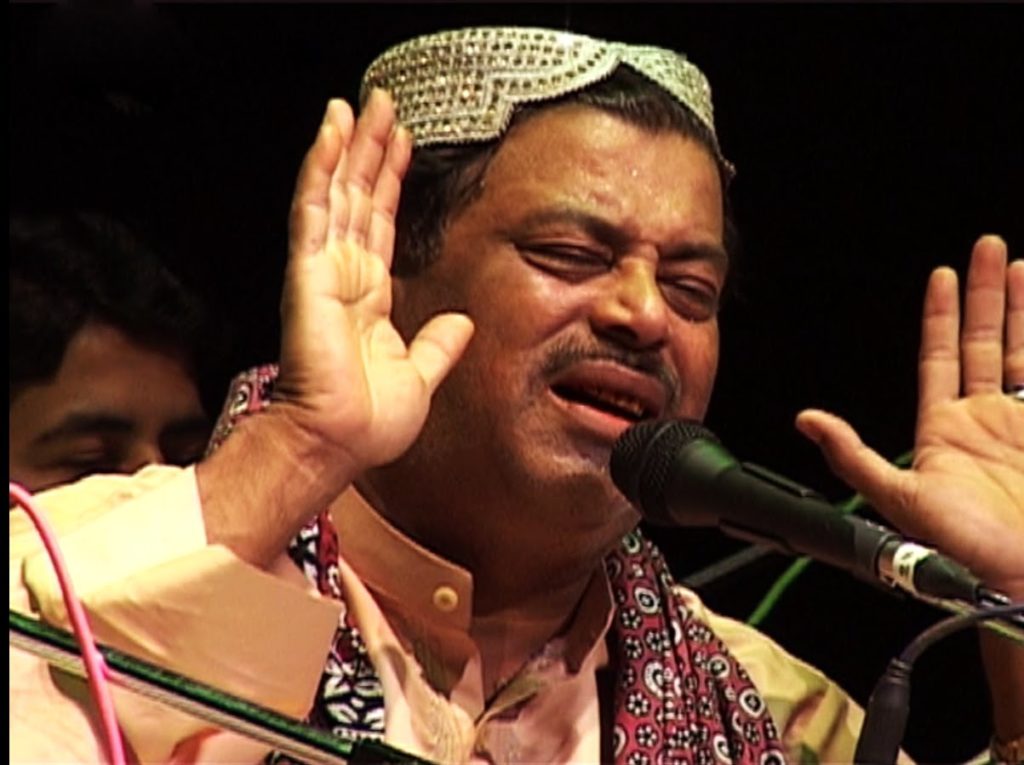
The winning song ‘Kanhaiya yaad hai kuchh bhi hamari’ was put up by Surekha Saini; a Sufi qawwali sung by Farid Ayaz (simply proving that Krishna transcends borders and religions)
Naye varsh ke shuru hote hi Shri Krishan ka mila sandesh,
Kuchh aisa karo ke Krishan geeton ka bana rahe aavesh.
Mere mitr badhe sneh se bole: Hum hain tumhare saath,
Sabase sundar aaj lagi hai, tumhaari ye baat,
Kuchh aur na socho, shuru ho jaayo,
Tumhaare peechhe hardam rahega doston ka haath.
Maine bhi turant odh liye Admin ka phir bhesh.
Naye varsh ke shuru hote hi Shri Krishan ka mila sandesh…
Manmohak geeton ki phir hone lagi bauchhar,
Mitron ne khoob darshaya, Radhe Krishan ka pyaar,
Meera bhajan bhi sun liye, aur Sudama bhi aaye,
Har ore lagta tha, Shri Krishan ka hi hai tyohaar.
2017 ka YKDN par behtar hua Shri Ganesh.
Naye varsh ke shuru hote hi Shri Krishan ka mila sandesh…
Itne priya vivaran kabhi YKDN par na padhe,
Pratibhagiyon ne jaise heere moti hon jadhe,
Kahan kahan se dhoond ke laaye aise durlabh geet,
Kayiyon ne to lagta tha smarak kiye hon khade!
Admin ke liye lagta tha kuchh na rahega shesh.
Naye varsh ke shuru hote hi Shri Krishan ka mila sandesh…
Kisd bhanti main aaj karun, aap sab ka dhanyawad?
YKDN par Shri Krishan ka utsav hamesha rahega yaad,
Kayi Fest dekhe, kayi aayenge, lekin,
Krishan bhajano ka moonh mein rahega yeh adbhut swad.
Naye varsh ke shuru hote hi Shri Krishan ka mila sandesh…
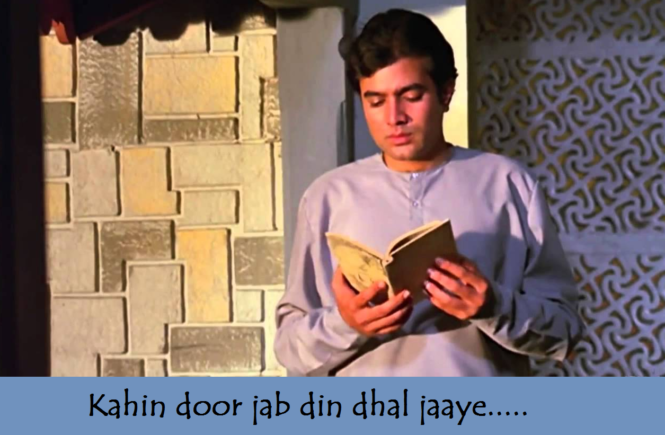
Last night we concluded the Mera, Apna, Hamara Songs Fest on my Facebook group ‘Yaad Kiya Dil Ne’ at about 11 P.M. This Fest had large number of theme songs; I myself had a list of some 620 songs. It is, therefore, not possible for me to give all songs here. I am generally the organiser of the fests on YKDN. In addition, I participate like an ordinary participant with two exceptions: one, I put up my songs after everyone has put up theirs; and two, generally, the song of the cover picture of the Fest is reserved for me. This time the reserved song was Kahin door jab din dhal jaaye.
The rules of the fests remain the same fest after fest and these were:
1. Starts at 0600 hrs on Sat, 15th Oct 16.
2. Concludes at 2300 hrs on Sun, 16th Oct 16.
3. The songs are to have the word Mera or Apna or Hamara or any other synonyms/variations of these, either in the mukhada or the antara of your songs. Words such as Main and Hum are not permitted. However, Mora, Hamra etc are permitted.
4. Every participant is permitted to put up five songs per day and a total of ten songs in two days. You can’t put up ten songs in one day. If you have repeated someone’s song, you can’t replace it with another.
5. You must put up the mukhada (first few words) of the song as a comment in the pinned post (the post right on top; it is generally that month’s Calendar post.) to avoid repetitions. Also, read the previous comments put up by others to find what others have put up.
6. Don’t write full story in the comment as at Pt. #5 above. Just the first few words. Put up just one song per comment. I shall be copying and pasting these comments for preparing the Results and don’t want to copy the link: “See More”.
7. The description of your song (in your post and not in the pinned post) must have the title ‘MERA, APNA, HAMARA SONGS FEST” and the Day number and song number; eg, “MERA, APNA, HAMARA SONGS FEST, Day#1, Song #1 and so on). Immediately below this, copy pasre the mukhada that you put in the pinned post so that your song can be related to the mukhada. Immediately below this write the line in which the Theme-word/Keyword of the Fest occurs.
8. You neither write the lyrics of the song, nor sing it, nor make its music, not even make its video. Your total contribution is how well you present the song that you are putting up. Markings for presentation will be independent of Likes as that would be a separate category.
9. Negative marks (upto 5) for those who repeat songs that others have put up. Positive marks (upto 10) for those who put up rare songs.
10. All are requested not to put up, like or comment upon other than Fest theme songs for the duration of the Fest. These can be put up before 0600 hrs on Day #1 and after 2300 hrs on Day #2.
11. Songs are to be put up in YKDN group and not on the event page.
12. The second day starts at midnight after the first day.
13. In order to help me find your songs please title your songs “MERA, APNA, HAMARA SONGS FEST Day #1, Song #1′ and so on only. Don’t use your own synonyms or spellings. Negative marks will be awarded to those who default since members not following these make me spend extra time searching for your posts whilst preparing results.
14. Please put up one mukhada followed by a song and then the next one. Do not reserve songs by putting up nember of mukhadas together.
15. Please discourage copy-paste ‘artistes’ who put up just the url of the song (without any effort), by totally ignoring their posts. I intend awarding negative marks to those who mechanically ‘Like’ such posts.
Alright, with this introduction lets plunge into the ten songs on the theme put up by me. In this Fest, I tried telling a story through these songs and I am sure you will enjoy the story whilst listening to the songs.
Day #1 Song #1
Mera mujh mein kichh nahin…
Keyword: First word of mukhada
And now that we are nine hours into the Fest, it is finally my turn to put up my posts. As I said, I have made a list of over 600 theme songs but, if I can help it, I don’t want to put at random. I want to make it into a story.
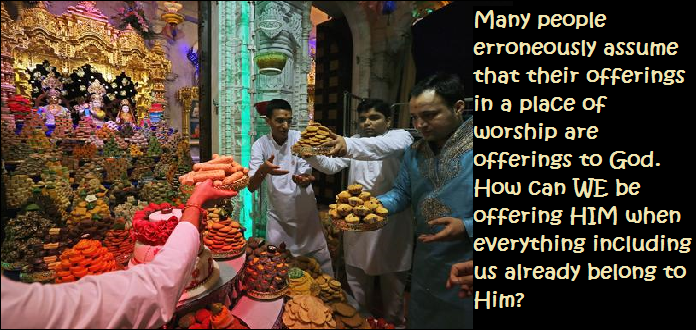
Of this story, this song is the introduction. What is the essence of the song? Only this that the word MERA or any of its synonyms is a myth. Nothing actually belongs to any of us. On my Facebook page: ‘Make Your Own Quotes’ I had put up a quote about the futility and ridiculousness of offering sweets etc to God in temples. We accept the fact that everything – even every thought of our minds – is owned by Him. Hence, to then take out a small portion of that everything and offer it back to him is totally incongruous. It is like going to a jeweller and offering him free a beautiful necklace from his own shop. When you offer His own things back to God, it reeks of your desire to show ownership over those gifts. How ludicrous it sounds.
I was conscious of this recently when I did and asked you too to help Anindya Chatterjee in distress. Money is the least of the things that belong to us. Love and gratefulness may actually last longer. For example, any time (100 percent) I chat with and talk to Raj Dutta, he wins! That’s the least I can do for all the love that he showers upon me without holding back anything.
I was conscious of this thought when I planned the Fest. How arrogant MERA, APNA, HAMARA sounds! You already know my last song: Kahin Door Jab Din Dhal Jaaye and hence some of you can guess the intervening story that I shall be knitting for you.
A word about the hymn: Mera mujh mein kichh nahin, jo kichh hai oh tera (I don’t have (O’ God) anything of my own. Whatever is there is yours). This Shabad is composed by Bhagat Kabeer Ji, Guru Arjan Dev Ji and Guru Nanak Dev ji. It is on Page 1375 of Sri Guru Granth Sahib Ji:
1. Kabeer, mayraa mujh meh kichh nahee
Jo kichh hai so tayraa
tayraa tujh ka-o-sa-upatay
ki-aa laagai mayraa
3. Tu jeevan too paraan adhaaraa.
tujh hee paykh paykh man saadhaaraa.
too saajan too pareetam mayraa.
chiteh na bisrahi kahoo bayraa.
ha-o kichh, naahee sabh kichh tayraa.
ot pot naanak sang basayraa.
4. Kabeer, mayraa mujh meh kichh nahee
Jo kichh hai so tayraa
Translation:
1. (Kabeer) Nothing within myself is mine. Whatever there is, is Yours.
If I surrender to You what is already Yours, what does it cost me?
2. I am nothing, God; everything is Yours.
In this world, You are the absolute, formless Lord; in the world hereafter, You are the related Lord of form. You play it both ways, O my Lord and Master.
3. You are my Life, the very Support of my breath of life.
Gazing upon You, beholding You, my mind is soothed and comforted.
You are my Friend, You are my Beloved.
I shall never forget You.
4. (Kabeer) Nothing within myself is mine. Whatever there is, is Yours.
The shabad or the hymn teaches us to ‘Let Go’! A story of Guru Nanak comes to my mind. I was fortunate to see the movie ‘Nanak Shah Fakir’ with my brother Raj Dutta. In his youth, Guru Nanak was working as a storekeeper. One day, he was counting provisions verbally whilst dispensing them to the buyers, ‘One, two, three, …, eleven, twelve, thirteen’. When he reached thirteen, he started saying that number repeatedly. In Punjabi, the number thirteen is ‘Tera’, which also means ‘Yours’. This was called ‘Sachcha Sauda‘ (True Trade or Business) in Guru Nanak’s life as well as in the movie.
There are many different uses of this hymn to bring us inner peace. However, now that we are grief-stricken because of Anindya Chatterjee and Priti Chavan, let me recall the use of the hymn in grief:
Grief is an inevitable part of human experience. For example, the discovery that your child is autistic triggers grief. The discovery that the person you love so dearly does not reciprocate your feelings triggers grief. The discovery that you no longer have your job triggers grief. The discovery that you can never bear a child triggers grief. The list is endless.
In modern psychology, the KÃbler-Ross Model for the grieving process is quite popular. It was developed in 1969 by a Swiss psychiatrist KÃbler-Ross who spent many decades working with the terminally ill. The model has five stages: denial, anger, bargaining, depression and acceptance. The first four stages reflect non-acceptance. Note the words used for describing non-acceptance: ‘denial’, ‘anger’, ‘bargaining’ and ‘depression’.
How does one reach ‘acceptance’ when faced with grief? Many techniques and ideas are found in psychology and spiritual books. There is no single technique or algorithm that works for everybody. For those with a devotional bent of mind, hymns like ‘Mera Mujh Mein‘ are helpful. They shorten the time period that we would otherwise have spent in denial, anger and depression. They also lessen the impact of these negative states of mind, quickly bringing us back on track, with smiles adorning our faces.
And now, you would know why, when I put up pics of Arun Chavan’s daughter Priti Chavan with her husband and the twins who were born to die (all of us are; but in their case it was much much shortened due to SMA Type #1 or Spinal Muscular Atrophy; a rare ailment), I used the words in the cover picture itself: ‘God is always kind’. Tera tujhko saunpte, kyaa laagat hai mera?
Even at the risk of this post becoming long, here is a story that we used to hear and read when I was small:
Once, There was a fakeer (Typical name for a Muslim saint who perpetually worships ‘Allah‘). He used to always recite God’s name. If he got something to eat, then only he’d have his meal, else not. He wasent in need of any of the worldly wants: home, clothes, etc.
But one day, while meditating, a thought came into his mind, ‘O Allah, I pray to you a lot with full heart, but what have you given to me ? I don’t have any home/shelter, there is no second pair of clothes for me, I don’t even know from where am I going to get my next meal. What have you given me?’
So, he went to dargah (Muslim place to worship) and started ‘razoi‘ (We have akhand paath (Prayers without a break) in Sikhism, Muslims have ‘razoi‘). In the end, he put forth the same question to allah.
A voice came: What do you want dear fakeer ?
Fakeer: Hey Allah, you know very well why have I came here. Look at me, the condition of the person who praises you. My clothes are torn apart, I have rashes all over my body, I don’t even have even shoes. At some door, I get some food to eat, else I am left alone with hunger. Put something in my lap. Give me something.
Same voice (of Allah): Ok, here you go.
(‘1′ was placed in his lap/jhooli. (Now don’t ask what is ‘1’. Later you all will know, what is it).
Fakeer: Huh? Just ‘1’? What am I going to do with that ‘1’? You have just ‘1’ for me from your treasure house? You give loads of riches to others and just ‘1’ to me?
Same voice: Go dear, this ‘1’ is very valuable.
Fakeer: As you say Allah.
So he went …
After some time, a ‘0’ (zero) was added after that ‘1’. (Means he progressed 10 times). Then after some more time, one more ‘0’ was added making it ‘100’. Now as the time passed by, the 0’s (zeros) kept on adding.
A worthy thing to notice here is that the ‘0’s’ (zeros) are getting added after that ‘1’ which Allah gave to him. If that ‘1’ was not there, then no matter how many ‘0’s’ you have, the sum will always be equal to 0.
After some time, he became the richest man in the country. Now he had so much wealth, that it was difficult for him to take care of the same. He was very happy being so rich.
One day, he was sitting and reciting … Allah … Allah … and then suddenly he thought that he had so much wealth, now what’s the use of that ‘1’ given to him by his Allah? That ‘1’, he mused, was the only thing He gave me, rest all the wealth was accumulated up by me only. (Sri Guru Granth Sahib calls it: ‘Hau-main’, that is, the feeling of ‘I’ came). Why not I return the ‘1’ to Him back so that it won’t be said that I took Allah’s favour?
So he went back to that dargah and again called upon his Allah.
Allah: Fakeer what do you want now?
Fakeer: Nothing Allah. Now I haven’t came to ask for something, I came here to give you something. (See, a mortal human – Fakeer, acting as a daata/giver in front of the greatest and only true giver of the universe).
(Just think about this for a moment, are we in a position to give anything to our God?)
Allah: First you came to me being a bhikhari (beggar) and now you are in front of me in the form of daata (Great giver)? What is it that you are giving to me?
Fakeer: I came to you last time and you gave me just ‘1’, after that, it was me who gathered all the wealth myself. So I am here to return you that ‘1’.
Allah: (Laughing at his stupidity) Are you sure?
Fakeer: Absolutely. I made up my mind and then came with strong will to return to you your ‘1’.
Allah: Ok. As you wish. (And took back that ‘1’)
Now, in the absence of that ‘1’, it didnt took any time for that so called fakeer turned richest man to be turned back to the same old begger fakeer which he was in the beginning.
Then he again went back to that dargah.
Fakeer: Mere allah, please return me that ‘1’.
Allah: Fakeer, go, you won’t starve because you have recited my name, but I cannot give you back that ‘1’ because it has been taken by some other true lover.
Ladies and gentlemen, Mera mujh mein kichh nahin, jo kichh hai o tera is indeed the beginning of true knowledge and happiness.
My sister Surekha Saini would have told you (If she was participating, she would have certainly put this up) that various singers have sung this hymn over a period of time but the best was the original, sung in 1972, by Bhai Gopal Singh Ragi.
Please enjoy: Mera mujh mein kichh nahin….
Day #1 Song #2
Ai bhai zara dekh ke chalo…
Keyword: Last line: Viraan chidhiya ka basera hai, na tera hai, na mera hai.
The story so far: After announcing the Fest on this theme, I have been hit with emotions of regret. The word ‘Mera‘ (Mine) is a myth. Nothing is ever mine or yours. Everything belongs to God.
I read a lot of philosophy and have written a fair bit on my blog Sunbyanyname.com. A lot of debate and dicussion is there on the concept of Free-Will. However, if you have followed me so far, you would know that if nothing belongs to you, how can a mere mortal have ‘Free-Will’. One of the foremost modern thinkers on this subject was Swami Vivekananda. According to him you cannot find Free-Will in the universe. For obtaining Free-Will, as per Swami ji, one has to get out of the confines of the universe. And guess what, by invoking Consciousness, from the Vedic period, our sages have been actually traveling beyond the confines of the universe.
Generally, songs for Raj Kapoor movies have been penned by either Shailendra or Hasrat Jaipuri. However, this one from the 1970 movie Mera Naam Joker has been penned by Neeraj.
Mera Naam Joker is a comic theme about a circus joker who makes his audiences laugh, hiding his own sorrows and sadnesses. This song and the other: Jeena yahan marna yahan, is ke siwa jaana kahan, are actually, at the higher level, representative of the thoughts I have penned above. Things have been already writ for you (What the Guru Granth Sahib calls ‘Kirt‘. By the way, as an aside I must mention that my return to Sri Guru Granth Sahib, every now and then, is not to proclaim that it is the best amongst treatises of various religions. However, only give a thought that SGGS is already amalgamation of various religious thoughts in our country between 15th to 18th century and should not actually be the proprietary document of any particular religion).
Pay attention to every line penned by Neeraj and you would know that it is straight from the scriptures. Lets start with the first two: Tu jahan aaya hai, woh tera ghar nahin, gaanv nahin, gali nahin, kuuchcha nahin, rasta nahin, basti nahin…..duniya hai. And what happens in this duniya, since nothing belongs to us:
“Veeraan chidhiya ka basera hai, na tera hai, na mera hai“.
Many years before, Shakeel Badayuni, brought out similar thoughts in his famous Mela (closeness to ‘Circus’ of Mera Naam Joker) song:
“Duniya hai mauj-e-dariya, Katre ki zindagi kyaa”
A person who says Mera Mera (Mine, Mine) is like this:
“Jab tak tha dum mein dum, na jhuke aasma se hum, jab maut aagai, tab zameen ne daba liya”
(When there was life in this body,
The sky was the limit for me,
When I died
I was burried inside the earth)
Ladies and gentlemen, at this stage, remember what Bahadur Shah Zafar wrote (he was an emperor!):
“Kitana hai badnaseeb Zafar dafan ke liye, Do ghaz zameen bhi na mili kuye yar mein“.
We might have differences about the best lyricist: my sisters Manik Lakhkar Chava and Evani Leela would insist it is Sahir and I proclaim it is Shakeel. However, we have no differences about the music duo ever in Hindi films (I did a 45 days tribute to them on Lyrical). This too has been composed by them; Shankar Jaikishan. Manna Dey is the singer.
Please enjoy – and now that some of you at least are reading my story – pay attention to Neeraj’s lyrics: Ai bhai zara dekh ke chalo…. For example, see how each line has a meaning at a higher level. Let me give an example: “Ooper hi nahin, neeche bhi“. This is not just entertainment; as I said, it is straight out of the scriptures!
(Ai bhaaii, zaraa dekhake chalo, aage hii nahii.n piichhe bhii
daaye.n hii nahii.n baaye.n bhii, uupar hii nahii.n niiche bhii) – 2
Ai bhaaii
Tuu jahaa.N aayaa hai vo teraa – ghar nahii.n, gaa.Nv nahii.n
Galii nahii.n, kuuchaa nahii.n, rastaa nahii.n, bastii nahii.n
Duniyaa hai, aur pyaare, duniyaa yah ek sarakas hai
Aur is circus me.n – ba.De ko bhii, choTe ko bhii
Khare ko bhii, khoTe ko bhii, moTe ko bhii, patale ko bhii
Niiche se uupar ko, uupar se niiche ko
Baraabar aanaa-jaanaa pa.Dataa hai
(Aur ri.ng maasTar ke ko.De par – ko.Daa jo bhuukh hai
Tho.Daa jo paisaa hai, ko.Daa jo qismat hai
Tarah-tarah naach kar dikhaanaa yahaa.N pa.Dataa hai
Baar-baar ronaa aur gaanaa yahaa.N pa.Dataa hai
Hero se jokar ban jaanaa pa.Dataa hai) – 2
Girane se Darataa hai kyo.n, marane se Darataa hai kyo.n
Thokar tuu jab na khaaegaa, paas kisii Gam ko na jab tak bulaaegaa
Zi.ndagii hai chiiz kyaa nahii.n jaan paayegaa
Rotaa huaa aayaa hai chalaa jaaegaa
Kaisaa hai karishmaa, kaisaa khilavaa.D hai
Jaanavar aadamii se zyaadaa vafaadaar hai
Khaataa hai ko.Daa bhii rahataa hai bhuukhaa bhii
Phir bhii vo maalik par karataa nahii.n vaar hai
Aur insaaN yah – maal jis kaa khaataa hai
Pyaar jis se paataa hai, giit jis ke gaataa hai
Usii ke hii siine me.n bhokataa kaTaar hai
Circus?
Haa.N baabuu, yah circus hai sho tiin gha.nTe kaa
Pahalaa gha.nTaa bachapan hai, duusaraa javaanii hai
Tiisaraa bu.Dhaapaa hai
Aur usake baad – maa.N nahii.n, baap nahii.n
BeTaa nahii.n, beTii nahii.n, tuu nahii.n,
Mai.n nahii.n, kuchh bhii nahii.n rahataa hai
Rahataa hai jo kuchh vo – Kaalii-Kaalii kursiyaa.N hai.n
Kaalii-Kaalii taambuu hai, Kaalii-Kaalii gheraa hai
Veeran chi.Diyaa kaa baseraa hai, na teraa hai, na meraa hai
https://www.youtube.com/watch?v=2nRzs4BHzxY
Day #1 Song #3
What have I got of my own?
Keyword (s): In the mukhada (two out of the seven words)
Just before I went for my evening walk, followed by calisthenics, I got a live demo (arranged by God) of the fact that nothing belongs to me. I spent about 45 mins preparing this post and I was about to press ‘Post’, when Vipan Kohli commented on my Song #1. It popped up and instead of pressing ‘Post’, his pop-up notification got pressed. Lo and behold, my post vanished. This was God’s way to tell me that even the posts are not my posts! Ha!
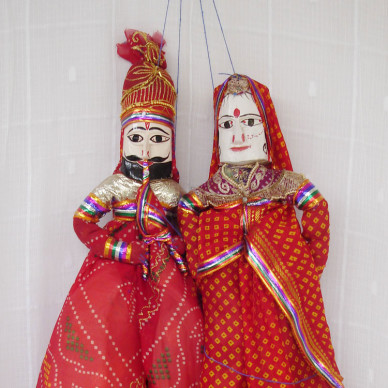
THE STORY SO FAR: Nothing belongs to us; Everything belongs to God and to understand this simple fact is the beginning of true knowledge and real happiness. We do not have Free-Will. To obtain Free-Will one has to go beyond the confines of the universe. In the absence of Free-Will, we are like puppets in a Mela or Circus (Aur ring-master ke kodhe pe). And, we have an Invisible Force that controls our everything.
By the mukhada of this song, if you feel that mine is a one track mind and I am continuing relentlessly with this sub-theme, you are mistaken. With this song, I introduce the highest feeling on earth called Love. That invisible force, who gave us everything, every emotion, every thought in this world (duniya) gives us Love to exercise partial control. It is because Love controls everything. Love is God Himself.
It brings us sadnesses and grief, but, ultimately Love is Happiness.
As I was typing this, last time, I had Raj Dutta commenting on my post with a poem by Baba Farid where he compares human beings to maati ke putle. Here is for you, Raj Dutta, by a most respected lyricist Shailendra in a song from a movie produced by him (This song is not my post but introduction to my post):
(दुनिया बनाने वाले, क्या तेरे मन में समाई
काहेको दुनिया बनाई, तूने काहेको दुनिया बनाई ) – २
काहे बनाए तूने माटी के पुतले,
धरती ये प्यारी प्यारी मुखड़े ये उजले
काहे बनाया तूने दुनिया का खेला – २
जिसमें लगाया जवानी का मेला
गुप-चुप तमाशा देखे, वाह रे तेरी खुदाई
काहेको दुनिया बनाई, तूने काहेको दुनिया बनाई …
तू भी तो तड़पा होगा मन को बनाकर,
तूफ़ां ये प्यार का मन में छुपाकर
कोई छवि तो होगी आँखों में तेरी – २
आँसू भी छलके होंगे पलकों से तेरी
बोल क्या सूझी तुझको, काहेको प्रीत जगाई
काहेको दुनिया बनाई, तूने काहेको दुनिया बनाई …
प्रीत बनाके तूने जीना सिखाया, हंसना सिखाया,
रोना सिखाया
जीवन के पथ पर मीत मिलाए – २
मीत मिलाके तूने सपने जगाए
सपने जगाके तूने, काहे को दे दी जुदाई
काहेको दुनिया बनाई, तूने काहेको दुनिया बनाई …
Dear Raj Dutta, if you listen to the last stanza, you will now know what my story is leading to and perhaps now you will be able to guess why I kept Kahin door jab din dhal jaaye as the last song.
Trini Lopez’s What Have I Got Of My Own? was a song that I listened to when I was a boy and this song has found repeated mention in my blog. His songs like Lemon Tree, La Bamba, If I had a Hammer, and Love Me Tonight were popular during our times.
In the first three stanzas, he rues not having anything of his own; but, in the last stanza, he says if he’d have true love, he won’t want anything else on earth!
In short: ‘When you have love, you have everything‘. It lasts a lifetime being with you (Hindus believe it last saat janam) and, for God’s sake, that’s owning it much much longer than anything else!
I am not going to repeat my complete earlier post. What has gone is gone!
But, please enjoy: What have I got of my own?
What have I got of my own, my own?
What have I got of my own?
The castles I build when I lie in the sand,
Belong to a king in a fairy tale land.
The treasures I find, when I dream in my sleep,
Are gone in the dawn. Not a thjng I can keep.
What have I got of my own, my o~own?
What have I got of my own?
The stars all belong high in heaven above.
My heart belongs to the one that I love.
The rivers that flow all belong to the sea.
What have I got that belongs to me?
What have I got of my own, my o~own?
What have I got of my own?
I hope someday before too long
My heart will sing a happy song.
I’m tired of being lonely, unhappy and sad.
I wanna have the things that other men have.
What have I got of my own, my o~own?
What have I got of my own?
Solo interlude
If I could choose one thing forever to hold,
I know I would never choose diamonds or gold.
Just give me one true love to be mine alone,
Then I’ll have all the things of my own, my own.
What have I got of my own?
My own.
What have I got of my own?
Day #1 Song #4
Saare jahan se achcha Hindostan hamara
Keyword: In the mukhada.
THE STORY SO FAR: Nothing belongs to us. Everything belongs to God. Hence, we should never rue the loss of anything; it was God’s and He took it back. We have no Free-Will. We are like people in a play or circus who are given their parts to play and we do so to the best of our ability (Please recall the sermon given to Arjuna before the Battle of Mahabharta by our Lord Krishna) However, amongst everything that goes gives and takes back, Love is an emotion that gives us some sort of control after we fall in love (one has no control over Love and hence the expression “falling” in love and not “stepping” into it!)
Love is, hence, not a reasoned emotion! It is an attachment at one end and at the highest end, it is the greatest feeling on earth.
IT GIVES US OWNERSHIP!
Lets see, if all of us were to become saints and sages, what will happen to the world? No one would ever “fall” in love and people would be ‘selfishly‘ in pursuit of God. Now, it can’t be that God sent us on this earth to get back to Him; then, why to send us at all?
Let me take the Love between a Man and a Woman first, the commonest form of Love. Guru Nanak thinks of it as the purest form of Love since he in Sri Guru Granth Sahib (SGGS) regards himself as a woman seeking her Lover, God. He goes about advising all of us to be in that relationship with God as a ‘suhaagan‘ is with her ‘suhaag‘.
The other day, whilst commenting on one of the Sufi songs of Surekha Saini, I brought out this commonality between SGGS and Sufism.
What does this ownership born out of LOVE do to you? Well, it inspires you to be loyal to your love so that you are in true and perfect relationship and not just infatuated. This Love then is the beginning of all other relationships on earth: Brothers, Sisters, Uncles, Aunts etc. Without this Love relationship, the world won’t have progressed and hence when Shailendra bemoaned in Teesri Kasam as to why God made Love, he already had the answer.
The ownership (for as long as you love, you have it) born out of Love is the aspect that makes highest attainments in human beings possible.
Recently, we had the Surgical Strikes across LOC. What was the controlling feeling? Naturally, it is Love for one’s country and countrymen and women. That’s why we have defence forces and not offence forces. We are protectors of that Love for our country.
Let me give you one of the poems as introduction to the National Song to which I am leading you now. This poem was written by Ram Prasad Bismil. He was born on 11th June 1897 in Shahjahanpur. He was hanged by the British at the age of 30 years for what? For his love for the country. Look at the junoon this love manifests into:
सरफ़रोशी की तमन्ना अब हमारे दिल में है
देखना है ज़ोर कितना बाज़ू-ए-क़ातिल में है
(ऐ वतन,) करता नहीं क्यूँ दूसरा कुछ बातचीत,
देखता हूँ मैं जिसे वो चुप तेरी महफ़िल में है
ऐ शहीद-ए-मुल्क-ओ-मिल्लत, मैं तेरे ऊपर निसार,
अब तेरी हिम्मत का चरचः ग़ैर की महफ़िल में है
सरफ़रोशी की तमन्ना अब हमारे दिल में है
वक़्त आने पर बता देंगे तुझे, ए आसमान,
हम अभी से क्या बताएँ क्या हमारे दिल में है
खेँच कर लाई है सब को क़त्ल होने की उमीद,
आशिक़ोँ का आज जमघट कूचः-ए-क़ातिल में है
सरफ़रोशी की तमन्ना अब हमारे दिल में है
है लिए हथियार दुशमन ताक में बैठा उधर,
और हम तय्यार हैं सीना लिये अपना इधर.
ख़ून से खेलेंगे होली गर वतन मुश्किल में है,
सरफ़रोशी की तमन्ना अब हमारे दिल में है
हाथ, जिन में हो जुनून, कटते नही तलवार से,
सर जो उठ जाते हैं वो झुकते नहीं ललकार से.
और भड़केगा जो शोलः सा हमारे दिल में है,
सरफ़रोशी की तमन्ना अब हमारे दिल में है
हम तो घर से ही थे निकले बाँधकर सर पर कफ़न,
जाँ हथेली पर लिये लो बढ चले हैं ये कदम.
जिन्दगी तो अपनी मॆहमाँ मौत की महफ़िल में है,
सरफ़रोशी की तमन्ना अब हमारे दिल में है
यूँ खड़ा मक़्तल में क़ातिल कह रहा है बार-बार,
क्या तमन्ना-ए-शहादत भी किसी के दिल में है?
दिल में तूफ़ानों की टोली और नसों में इन्क़िलाब,
होश दुश्मन के उड़ा देंगे हमें रोको न आज.
दूर रह पाए जो हमसे दम कहाँ मंज़िल में है,
जिस्म भी क्या जिस्म है जिसमें न हो ख़ून-ए-जुनून
क्या लढ़े तूफ़ान से जो कश्ती-ए-साहिल में है
सरफ़रोशी की तमन्ना अब हमारे दिल में है
देखना है ज़ोर कितना बाज़ू-ए-क़ातिल में है
This poem inspired many. One of them was Shahid Bhagat Singh. He sang (another theme song): Mera rang de basanti chola and when he was to be hanged for his own Love for India and his mother came to see him in the prison, he had this to say to her:
तू ना रोना, के तू है भगत सिंह की माँ
मर के भी लाल तेरा मरेगा नहीं
डोली चढ़के तो लाते है दुल्हन सभी
हँसके हर कोई फाँसी चढ़ेगा नहीं !
That is what Love can do for you. Mile sur tera hamaara. Just as a man in love thinks of his beloved as dulhan, the one who is in true love with his nation, thinks of his country as the Motherland. Just as a man thinks of his beloved as the most beautiful on earth, a man in love with his country thinks of his country (motherland) as the most beautiful.
And that brings us squarely to our national song:
It is known as Taranah-e-Hind or Anthem of the People of Hindustan. Forty three years before independence, it was written by the poet Muhammad Iqbal and published in the Ittehad, a weekly journal.
The next year, it was read by him in Government College Lahore (then in India) and it soon became the manifestation of our opposition to the British rule. He was, of course, a lecturer in the same college.
There is no Indian, whose chest doesn’t swell with pride at the recitation of this poem/song.
In parades all over the country, men and women march to the tune of this song.
I am giving you the poem in all three languages: Urdu, Hindi and English and its meaning in English:
Urdu
سارے جہاں سے اچھا ہندوستاں ہمارا
ہم بلبلیں ہیں اس کی، یہ گلستاں ہمارا
غربت میں ہوں اگر ہم، رہتا ہے دل وطن میں
سمجھو وہیں ہمیں بھی دل ہو جہاں ہمارا
پربت وہ سب سے اونچا، ہمسایہ آسماں کا
وہ سنتری ہمارا، وہ پاسباں ہمارا
گودی میں کھیلتی ہیں اس کی ہزاروں ندیاں
گلشن ہے جن کے دم سے رشکِ جناں ہمارا
اے آبِ رودِ گنگا! وہ دن ہیں یاد تجھ کو؟
اترا ترے کنارے جب کارواں ہمارا
مذہب نہیں سکھاتا آپس میں بیر رکھنا
ہندی ہیں ہم، وطن ہے ہندوستاں ہمارا
یونان و مصر و روما سب مٹ گئے جہاں سے
اب تک مگر ہے باقی نام و نشاں ہمارا
کچھ بات ہے کہ ہستی مٹتی نہیں ہماری
صدیوں رہا ہے دشمن دورِ زماں ہمارا
اقبال! کوئی محرم اپنا نہيں جہاں میں
معلوم کیا کسی کو دردِ نہاں ہمارا!
Hindi
सारे जहाँ से अच्छा हिन्दोसिताँ हमारा
हम बुलबुलें हैं इसकी यह गुलसिताँ हमारा
ग़ुर्बत में हों अगर हम, रहता है दिल वतन में
समझो वहीं हमें भी दिल हो जहाँ हमारा
परबत वह सबसे ऊँचा, हम्साया आसमाँ का
वह संतरी हमारा, वह पासबाँ हमारा
गोदी में खेलती हैं इसकी हज़ारों नदियाँ
गुल्शन है जिनके दम से रश्क-ए-जनाँ हमारा
ऐ आब-ए-रूद-ए-गंगा! वह दिन हैं याद तुझको?
उतरा तिरे किनारे जब कारवाँ हमारा
मज़्हब नहीं सिखाता आपस में बैर रखना
हिन्दी हैं हम, वतन है हिन्दोसिताँ हमारा
यूनान-व-मिस्र-व-रूमा सब मिट गए जहाँ से
अब तक मगर है बाक़ी नाम-व-निशाँ हमारा
कुछ बात है कि हस्ती मिटती नहीं हमारी
सदियों रहा है दुश्मन दौर-ए-ज़माँ हमारा
इक़्बाल! कोई महरम अपना नहीं जहाँ में
मालूम क्या किसी को दर्द-ए-निहाँ हमारा!
English
Sāre jahāṉ se acchā, Hindositāṉ hamārā
Ham bulbuleṉ haiṉ is kī, yih gulsitāṉ hamārā
G̱ẖurbat meṉ hoṉ agar ham, rahtā hai dil wat̤an meṉ
Samjho wuhīṉ hameṉ bhī dil ho jahāṉ hamārā
Parbat wuh sab se ūṉcā, hamsāyah āsmāṉ kā
Wuh santarī hamārā, wuh pāsbāṉ hamārā
Godī meṉ kheltī haiṉ is kī hazāroṉ nadiyāṉ
Guls̱ẖan hai jin ke dam se ras̱ẖk-i janāṉ hamārā
Ai āb-i rūd-i Gangā! wuh din haiṉ yād tujh ko?
Utrā tire kināre jab kārwāṉ hamārā
Maẕhab nahīṉ sikhātā āpas meṉ bair rakhnā
Hindī haiṉ ham, wat̤an hai Hindositāṉ hamārā
Yūnān o-Miṣr o-Rūmā, sab miṭ ga’e jahāṉ se
Ab tak magar hai bāqī, nām o-nis̱ẖaṉ hamārā
Kuch bāt hai kih hastī, miṭtī nahīṉ hamārī
Ṣadiyoṉ rahā hai dus̱ẖman daur-i zamāṉ hamārā
Better than the entire world, is our Hindustan,
We are its nightingales, and it (is) our garden abode
If we are in an alien place, the heart remains in the homeland,
Know us to be only there where our heart is.
That tallest mountain, that shade-sharer of the sky,
It (is) our sentry, it (is) our watchman
In its lap frolic where thousands of ponds,
Whose vitality makes our garden the envy of Paradise.
O the flowing waters of the Ganges, do you remember that day
When our caravan first disembarked on your waterfront?
Religion does not teach us to bear ill-will among ourselves
We are of Hind, our homeland is Hindustan.
In a world in which ancient Greece, Egypt, and Rome have all vanished without trace
Our own attributes (name and sign) live on today.
Such is our existence that it cannot be erased
Even though, for centuries, the cycle of time has been our enemy.
Iqbal! We have no confidante in this world
What does any one know of our hidden pain?
At this stage, I can hear my friend Jaswant Singh Lagwal ask me, “Sirjee, is baar Raagas ka kyaa huaa?“. Dear Jaswant Singh Lagwal, yes this is in Raag Pahadi (the raaga of your and my place in the hills). I could have given you Sarfroshi ki tamanna itself in Raag Darbari.
Day #1 Song #5
Tere bachpan ko jawani ki duaa deti hoon
Keyword in first line of first stanza: Mere munne mere gulazaar ke nanhe paudhe
THE STORY SO FAR: Nothing belongs to us, everything belongs to God. This realisation is indeed true knowledge and happiness (Song #1: Mera mujh mein kichh nahin, jo kichh hai o tera). We do not have free-will and we do everything as directed to us by an invisible force (Song #2: Ai bhai zara dekh ke chalo). However, if at all we must own anything, we must own Love, the highest feeling on earh (Song #3: What have I got of my own?) This love has many different forms such as between Man and Woman. Love always inspires us to do everything to protect our loved one. This can be and has been used to lead people into sacrificing their lives in love for their country (Song #4: Saare jahan se achha Hindostan hamara).
Lets proceed further:
One of the oft talked about Love (ownership) is by a mother for her child. If love can inspire people to highest attainments in everything, a love of a mother always reaches such pinnacles. I am fond of giving this example of a mother and her infant stuck under the rubble for three full days in an earthquake in Russia. As the rubble was moved away after three days, without having anything to eat or drink, the couple (mother and child) were found alive! It came out that the mother fed the child her own blood in order to keep it alive and willed herself to remain alive because if she would die the infant was certain to die (without any nourishment). That’s the love (ownership: mere bachche) of a mother for you.
I have been giving a song as introduction to my song (there are plenty of songs on the theme, that is why) Here is an introductory song from the movie Amar Prem. She is not even the blood-mother of the child (Vipan Kohli in his hymn of Anup Jalota would know that Yashoda wasn’t the blood mother of Krishna) and yet look at the words used by her:
बड़ा नटखट है रे कृष्ण-कन्हैया
का करे यशोदा मैय्या, हाँ … बड़ा नटखट है रे
(ढूँढे री अंखियाँ उसे चारों ओर
जाने कहाँ छुप गया नंदकिशोर ) – २
उड़ गया ऐसे जैसे पुरवय्या
का करे यशोदा मैय्या, हाँ … बड़ा नटखट है रे
(आ तोहे मै गले से लगा लूँ
लागे ना किसी की नज़र मन मे छुपा लूँ ) – २
धूप जगत है रे ममता है छैंया
का करे यशोदा मैय्या, हाँ … बड़ा नटखट है रे
(मेरे जीवन का तू एक ही सपना
जो कोई देखे तोहे समझे वो अपना ) – २
सब का है प्यारा, हो सब का है प्यारा बंसी-बजय्या
का करे यशोदा मैय्या, हाँ … बड़ा नटखट है रे
She wants her child to be as beloved to the people as Kanhaiyya is to all of us.
If this can be the feelings of the not-blood-mother, imagine the sense of ownership of the blood-mother wishing her child the best.
I copy the lyrics of the songs from Smriti.com. Normally, there is no introduction to the songs, just the lyrics. However, this song’s lyrics have an introduction and this is it:
“This song is sung by a mother (Waheeda) to her child as a “lori“. The father (Sunil Dutt) is a “daaku” and is on the run from the law. Hence the entire family is constantly in hiding, moving from place to place hoping to remain undetected. This song is basically an expression of how the sins of the parents visit the children. The “dard” and softness in Lata’s voice as she sings this song makes it
one of the most moving songs I have heard.”
Manik Lakhkar Chava and Evani Leela, I have to give it to you: the lyrics by Sahir Ludhianvi (your favourite poet and lyricist) are simply out of this world. As it is, in this world, after a new child is born, the mother thinks of how the child would face the cruel, selfish, and hostile world. However, if he/she is a dacoit’s son, one worries extra for the society treating the child with added animosity.
The fact of the matter is that a child carries with it, on its tiny shoulders, some of (if not most of) the virtues and sins, fruits of good deeds and bad deeds of its parents. In that sense, this song’s lyrics are truly a reflection of how one generation (sense of ownership) is carried forward to the next.
Mujhe Jeene Do. Chalo, mujhe to jeene na diya; ab isse to jeene do!
Please enjoy: Tere bachpan ko jawani ki dua deti hoon….
Tere bachapan ko javaanii kii duaa detii huu.N
Aur duaa deke pareshaan sii ho jaatii huu.N
Mere munne mere gulazaar ke nanhe paudhe
Tujhako haalat kii aa.ndhii se bachaane ke liye
Aaj mai.n pyaar ke aa.nchal me.n chhupaa letii huu.N
Kal ye kamazor sahaaraa bhii na haasil hogaa
Kal tujhe kaa.nTo.n bharii raaho.n pe chalanaa hogaa
Zi.ndagaanii kii ka.Dii dhuup me.n jalanaa hogaa
Tere bachapan ko javaanii …
Tere maathe pe sharaafat kii koI mohar nahii.n
Cha.nd hote hai.n muhabbat ke sukuun hii kyaa hai.n
Jaise maao.n kii muhabbat kaa koI mol nahii.n
Mere maasuum farishte tuu abhii kyaa jaane
Tujhako kis-kisakii gunaaho.n kii sazaa milanii hai
Diin aur dharm ke maare hue i.nsaano.n kii
Jo nazar milanii hai tujhako vo khafaa milanii hai
Tere bachapan ko javaanii …
Be.Diyaa.N leke lapakataa huaa kaanuun kaa haath
Tere maa.N-baap se jab tujhako milii ye saugaat
Kaun laaegaa tere vaaste khushiyo.n kii baaraat
Mere bachche tere a.njaam se jii Darataa hai
Terii dushman hii na saabit ho javaanii terii
Khaak jaatii hai jise sochake mamataa merii
Usii a.njaam ko pahu.nche na kahaanii terii
Tere bachapan ko javaanii …
https://www.youtube.com/watch?v=P2D-Z7XM7aU
Day #2 Song #1
Kisi raah mein kisi mod par
Keyword: In the last two words of the mukhada: Mere hamsafar.
THE STORY SO FAR: Nothing belongs to us, everything belongs to God. This realisation is indeed true knowledge and happiness (Song #1: Mera mujh mein kichh nahin, jo kichh hai o tera). We do not have free-will and we do everything as directed to us by an invisible force (Song #2: Ai bhai zara dekh ke chalo). However, if at all we must own anything, we must own Love, the highest feeling on earh (Song #3: What have I got of my own?) This love has many different forms such as between Man and Woman. Love always inspires us to do everything to protect our loved one. This can be and has been used to lead people into sacrificing their lives in love for their country (Song #4: Saare jahan se achha Hindostan hamara). One of the forms of pure Love is between a mother (acting in the likeness of a Creator) and her child and she does everything to protect her child (Song #5: Tere bachpan ko jawani ki dua deti hoon)
Lets proceed further, today, the second and the last day of the Fest:
It has been nearly 16 hours since everybody else started putting up songs for the second day and hence it is safe for me to start putting up now without anyone telling me that I put up his/her song. I had to re-jig my story a little bit because of some of you putting up the songs I had planned to do.
In any case, if you would have noticed I am trying to tell my story through the medium of very ordinary songs rather than trying to impress you with my choices. I maintain that anybody could have chosen the songs through which I am telling my story.
Love between a husband and wife is regarded in our scriptures as the purest form of love, so much so that Guru Nanak used the simile of husband and wife to talk about the Love that must exist between a man (or woman) and God. Isn’t it surprising that Guru Nanak didn’t choose the Love simile of a mother or father for her/his child?
How does this Love (not infatuation but real Love) take place? Our (culture and religion) theory is that this Love and the ensuing wedding is made in heaven. Please don’t forget what I told you about “Duniya bananewaale ne preet banayi”.
After undertaking the journey of life singly, the lovers are now planning to undertake this journey together, enjoying it together and surpassing all obstacles together: Tere mere sapane ab ek rang hain and so on.
Hamsafar is the right word to use for them in undertaking this journey. The girl has a doubt (in our culture, she is the one who leaves her family and moves with and into the boy’s family; or at least that used to happen during the period of the songs we are talking about); if not several doubts and she requires reassurance whether she has made the right choice in taking him as a hamsafar.
Sometimes even the boy has doubts, especially if he is poorer. There are several songs to this effect. One of the best that I can give you (as an introduction) is from the 1959 movie Kali Topi Laal Rumaal (as ordinary a movie as any of my songs). Majrooh, Chitragupta, Rafi and Lata have put this together:
ल : लागी छूटे ना अब तो सनम
चाहे जाए जिया तेरी क़सम
लागी छूटे ना …
र : तुझको पुकारे बन के दीवाना ना माने रे जिया -२
ल : ओ जी हो
प्यार किया तो करके निभाना सुनो जी रसिया
र : ओ प्यार किया तो प्यार किया तेरी क़सम
लागी छूटे ना …
ल : दूर हूँ फिर भी दिल के क़रीब निशाना है तेरा -२
र : सोच ले फिर से एक गरीब दीवाना है तेरा -२
ल : सोच लिया जी सोच लिया तेरी क़सम
र : लागी छूटे ना …
ल : जब से लड़ी है तुझसे निग़ाहें तड़प रहा दिल -२
र : देख के चलना प्यार की राह बड़ी है मुश्किल
ल : देख लिया जी देख लिया तेरी क़सम
लागी छूटे ना …
Please pay particular attention to the words: Soch liya ji soch liya, teri kasam!
Even in Ajnabee (and for that matter in several hundred movies) she still continues to have these doubts. Do you remember the train scene when he asks (in the song, that is): Kyaa soch rahi ho? And she answers:
“Aisa na ho tu kabhi chhod de mera saath”
And he immediately answers: “Phir na kabhi karna dil todane waali baat”
Reassured, she quips, “Maine to ki thi dillagi“!
You can call this Dillagi to ask this most important question sooner than later but the fact is you don’t want to be alone, high and dry when he leaves (Don’t forget that the Man by his very nature, from Stone Age onwards is actually polygamous) and then sing (Acknowledging his polygamous nature): Tum mujhe bhool bhi jaao to yeh haq hai tumako, meri baat aur hai maine to mohabbat ki hai (another theme song that is).
A similar thing happened with Sharmila Tagore in the 1970 movie Mere Hamsafar when she is running away with her love Jeetendra. Last night I was responding to Suman Saxena and I brought out this curious coincidence that Sharmila, in various movies, was the most easily impregnated woman and most often than not she landed up being an unwed mother from Aradhana to Daag to Aa Gale Lag Ja. Even in Amar Prem she took fancy to a boy who was not her son. Hence, for her to be asking this question is really important!
The beauty of this song penned by Anand Bakshi is that he reassures her with the sweetest sounding words: Teraa sa.ng saayaa bahaar kaa teraa ruup aa_iinaa pyaar kaa; tujhe aa nazar me.n chhupaa luu.N mai.n tujhe lag na jaa_e kahii.n nazar. Which is another way of saying what Suchitra Sen and Pradeep Kumar said to each other in Mamta: Chhupa lo youn dil mein pyaar mera ke jaise mandir mein lau diye ki. And yet, in that movie, he couldn’t be hers!
This song was composed by Kalyanji Anandji (KgAg for Jaswant Singh Lagwal) in Raag Charukesi, Tal Rupaktal (Rare combination that makes this ordinary song get the veneer of being extraordinary).
Suman Saxena brought out that Laxmikant Pyarelal were well versed with the use of Flute in their songs. Of course, I agreed with her and even gave her Milan song: sawan ka mahina pawan kare sor, as an example. But, the fact is that many composers of that era used Flute extensively. You should hear OP Nayyar in Phagun (Piya O piya na laage mora jiya, another theme song) or Naushad in Baiju Bawra or Kalyanji Anandji in this song or in the songs of Jab Jab Phool Khile (eg, Pardesiyon se na akhiyan milana).
The duet that I have selected for you has been sung by Lata Mangeshkar and Mukesh, the pair that put together some of the most enchantingly romantic songs in Hindi movies: eg, Dil ki nazar se.
Please enjoy: Kisi raah mein kisi mod par, kahin chal na dena tu chhod kar….
La : Kisii raah me.n kisii mo.D par kahii.n chal na denaa tuu chho.D kar
mere hamasafar -4
Mu : Kisii haal me.n kisii baat par kahii.n chal na denaa tuu chho.D kar
mere hamasafar -4
La : meraa dil kahe kahii.n ye na ho ( nahii.n ye na ho ) -2
kisii roz tujhase bichha.D ke mai.n tujhe Dhuu.NDhatii phiruu.N dar-ba-dar
mere hamasafar -4
Mu : teraa sa.ng saayaa bahaar kaa teraa ruup aa_iinaa pyaar kaa
tujhe aa nazar me.n chhupaa luu.N mai.n tujhe lag na jaa_e kahii.n nazar
mere hamasafar -4
La : Teraa saath hai to hai zindagii
Mu : Teraa pyaar hai to hai roshanii
La : Kahii.n din ye Dhal jaa_e kyaa pataa
Mu : Kahaa.N raat ho jaa_e kyaa Kabar
Do : Mere hamasafar -4
La : kahii.n chal na denaa …
Day #2 Song #2
Baabul moraa naihar chhootoo hi jaae
Keyword: Second word of the mukhada: moraa.
THE STORY SO FAR: Nothing belongs to us, everything belongs to God. This realisation is indeed true knowledge and happiness (Song #1: Mera mujh mein kichh nahin, jo kichh hai o tera). We do not have free-will and we do everything as directed to us by an invisible force (Song #2: Ai bhai zara dekh ke chalo). However, if at all we must own anything, we must own Love, the highest feeling on earh (Song #3: What have I got of my own?) This love has many different forms such as between Man and Woman. Love always inspires us to do everything to protect our loved one. This can be and has been used to lead people into sacrificing their lives in love for their country (Song #4: Saare jahan se achha Hindostan hamara). One of the forms of pure Love is between a mother (acting in the likeness of a Creator) and her child and she does everything to protect her child (Song #5: Tere bachpan ko jawani ki dua deti hoon).
And today, in the very first song we started with the Love between Man and Woman that would eventually lead to wedlock but she (and sometimes he) has doubts whether he would walk with her all throughout the journey of life or leave her midway (Song #6: Kisi raah mein kisi mod par kahin chal na dena tu chhod kar).
Lets proceed further:
He is in love with her and she wants to tell the whole world (Aaj mere man mein sakhi baansuri bajae!). She hopes for the best (Tera mera sath rahe). They sing together: Tere mere sapane ab ek rang hain and Hum tuhaare liye, tum hamare liye phir zamaane ka kya ho? or Tere mere beech mein kaisa hai yeh bandhan or Kisi ne apna bana ke mujhako muskarana sikha diya or even Kora kaagaz that ye man mera, likh diya naam uspe tera. She is grateful to God and him: Aap ki nazaron ne samajha pyaar ke kaabil mujhe.
And finally, it is: Mehandi lagi mere haath re!
And then, she has to leave her parents’ to join him and his family. Hundreds and even thousands of songs to describe this feeling such as: Chal ri sajani ab kyaa soche, Mujhe baabul ke ghar jaana hai, Baabul ki duaayen leti jaa and finally, after she reaches ther: Main to bhool chali baabul ka des, piya ka ghar pyaara lage.
However, the best in this category is the one that addresses this at two different planes: the material world plane of a woman leaving her home to join her new home, that of her husband. And the spiritual plane of finishing the journey of this world and going to the other world (jahan se koi nahin waapis aaya!).
By the way, there is a third plane at which the song is addressed:
The song was written by Nawab Wajid Ali Shah, the 19th-century Nawab of Awadh as a lament when he was exiled from his beloved Lucknow by the British Raj before the failed Rebellion of 1857, where he uses the metaphor of bidaai (bride’s farewell) of a bride from her father’s (babul) home, and his own banishment from his beloved Lucknow, to far away Calcutta, where he spent the rest of his years.
This song has, therefore, illustrious lineage about it. As I said earlier, it was written by Wajid Ali Shah, the last Nawab of Awadh. He was a poet, playwright, dancer and great patron of the arts. He is widely credited with the revival of Kathak as a major form of classical Indian dance. If you see Satyajit Ray’s movie Shatranj Ke Khiladi based on a story by Munshi Premchand, you would know how his kingdom was annexed by the British in a bloodless coup whilst he, the Nawab, busied himself in his artistic pursuits.
It was composed by RC Boral or Rai Chand Boral, widely considered as the father of Hindi films music. Naturally, he was the recipient of the highest in performing arts: the Babasaheb Phalke Award conferred by the government of India.
It was sung by the first super-star of the Hindi or even Indian movies: Kundan Lal Saigal. He often sang for himself playing the title and lead roles in the movies; before the playback era, he is credited with a song that he sang live whilst performing!
This thumri of the days of Wajid Ali Shah was composed by RC Boral in Raag Bhairavi, Tal Kaherava. The name of this 1938 movie was: Street Singer.
Please enjoy a song that addresses itself at three different planes (I am providing the translation): Baabul mora naihar chhooto hi jaay….
Baabul moraa, naihar chhuuTo hii jaae
Baabul moraa, naihar chhuuTo hii jaae
Aa.Nganaa to parbat bhayo aur deharii bhayii bidesh
Je baabul ghar aapanaa mai.n piiyaa ke desh
Baabul moraa …
Baabul moraa, naihar chhuuTo hii jaae
Baabul moraa, naihar chhuuTo hii jaae
बाबुल मोरा, नैहर छूटो ही जाए
चार कहार मिल, मोरी डोलिया सजावें (उठायें)
मोरा अपना बेगाना छूटो जाए | बाबुल मोरा …
आँगना तो पर्बत भयो और देहरी भयी बिदेश
जाए बाबुल घर आपनो मैं चली पीया के देश | बाबुल मोरा …
O My father! I’m leaving home. The four (coffin) bearers lift my palanquin. I’m leaving those who were my own.
Your courtyard is now like a mountain, and the threshold, a foreign country. I leave your house, father, I am going to my beloved’s country.
Day #2 Song #3
Tere mere sapne ab ek rang hain
Keyword: Second word of the mukhada: mere.
THE STORY SO FAR: Nothing belongs to us, everything belongs to God. This realisation is indeed true knowledge and happiness (Song #1: Mera mujh mein kichh nahin, jo kichh hai o tera). We do not have free-will and we do everything as directed to us by an invisible force (Song #2: Ai bhai zara dekh ke chalo). However, if at all we must own anything, we must own Love, the highest feeling on earh (Song #3: What have I got of my own?) This love has many different forms such as between Man and Woman. Love always inspires us to do everything to protect our loved one. This can be and has been used to lead people into sacrificing their lives in love for their country (Song #4: Saare jahan se achha Hindostan hamara). One of the forms of pure Love is between a mother (acting in the likeness of a Creator) and her child and she does everything to protect her child (Song #5: Tere bachpan ko jawani ki dua deti hoon).
And today, in the very first song we started with the Love between Man and Woman that would eventually lead to wedlock but she (and sometimes he) has doubts whether he would walk with her all throughout the journey of life or leave her midway (Song #6: Kisi raah mein kisi mod par kahin chal na dena tu chhod kar).
In the next song (Song#7: Baabul mora naihar chhooto hi jaay) she leaves her baabul’s place and joins him. This song was, some of you must have guessed it, a most important link to the journey that we started with abnegating Mera to start with and then having Mera pyaar, mera pati, meri patni.
Lets proceed further:
At this stage, I had dozens of songs to carry forward the story and none of them had been put up so far; for example:
1. Agar mujhse mohabbat hai mujhe sab apne gham de do (in which she tells him to share his sorrows just as he is sharing life with her; viz, Shareek-e-zindagi ko kyun shareek-e-gham nahin karte, dukhon ko baant kar in dukhon ko kam nahin karte). (Raag Darbari Kanada)
2. Aap ki nazaron ne samajha pyaar ke kaabil mujhe (Ji hamen manzuur hai aapka yeh faisla; and padh gayin dil pe mere aap ki parchhayian (and to think the Song#1 above is from the movie called Aap Ki Parchhayiyan! Coincidence? Hardly, since both have been penned by Raja Mehdi Ali Khan. (Raag Adana).
3. Naino mein badra chhaye bijali si chamake haay (Picchale janam se teri prem kahani hoon main; aa is janam mein bhi tu apna bana le (Raag Bhimpalasi)
I can go on and on but the song (a most ordinary one at that) that suits my story is Tere mere sapne. The fact, if you have followed the story so far, is that nothing is absolute, nothing is permanent; indeed, nothing is even real! It is merely a dream. However, it a dream worth having. It is a thought worth entertaining. Tere mere milan ki ye raina, naya koi gul khilayegi…..chanchal naina finally result in ….. nanha sa gul khilega angana, sooni bainyan sajegi sajana……and then it starts all over again.
You have to give it to Shailendra for having come up with these fine lyrics. All lyricists of that era were seeped in spiritualism and religion and Shailendra has very often taken us to a different plane with his songs. Here too he talks about the bond between them as the one that cannot be broken by “duniya“. And, he talks about “Jahan bhi le jaayen raahen (the journey of life) ham sang hain“.
However, he acknowledges it in his Teesri Kasam songs that the bond and its breaking are actually beyond us. These are in the hands of that invisible force that made you revel in Mera and Tera to start with. Guru Nanak went one step further and said that even the sense required for thinking of God or the Invisible Force is given to us by God; you cannot ask for it.
SD Burman who was responsible for having composed most of the songs for Dev Anand composed it in Raag Gara, Tal Dadra. Look at the beauty of this Raag. Two widely opposite songs, viz: Jeevan mein piya tera saath rahe and Hamsafar saath apna chhod chale have both been composed in this Raag. On my Facebook Page Lyrical, I had given you the ten basic thaats in which most, if not all raagas fall. Gara is from Khammaj thaat (O sajana barkha bahaar aayi being in Raag Khammaj).
Mohammad Rafi sang it for Dev Anand.
Please enjoy: Tere mere sapne ab ek rang hain…….
Tere mere sapane ab ek ra.ng hai.n
Ho jahaa.N bhii le jaae.n raahe.n, ham sa.ng hai.n
Tere mere dil kaa, tay thaa ik din milanaa
Jaise bahaar aane par, tay hai phuul kaa khilanaa
O mere jiivan saathii…
Tere dukh ab mere, mere sukh ab tere
Tere ye do nainaa, chaa.nd aur suuraj mere
O mere jiivan saathii…
Laakh manaa le duniyaa, saath na ye chhuuTegaa
Aa ke mere haatho.n me.n, haath na ye chhuuTegaa
O mere jiivan saathii…
https://www.youtube.com/watch?v=ORFczJpiwfI
Day #2 Song #4
Kahin door jab din dhal jaaye
Keyword: Fourth line of the mukhada: Mere khayalon ke aangan mein koi sapano ke deep jalaaye.
THE STORY SO FAR: Nothing belongs to us, everything belongs to God. This realisation is indeed true knowledge and happiness (Song #1: Mera mujh mein kichh nahin, jo kichh hai o tera). We do not have free-will and we do everything as directed to us by an invisible force (Song #2: Ai bhai zara dekh ke chalo). However, if at all we must own anything, we must own Love, the highest feeling on earh (Song #3: What have I got of my own?) This love has many different forms such as between Man and Woman. Love always inspires us to do everything to protect our loved one. This can be and has been used to lead people into sacrificing their lives in love for their country (Song #4: Saare jahan se achha Hindostan hamara). One of the forms of pure Love is between a mother (acting in the likeness of a Creator) and her child and she does everything to protect her child (Song #5: Tere bachpan ko jawani ki dua deti hoon)
And today, in the very first song we started with the Love between Man and Woman that would eventually lead to wedlock but she (and sometimes he) has doubts whether he would walk with her all throughout the journey of life or leave her midway (Song #6: Kisi raah mein kisi mod par kahin chal na dena tu chhod kar).
In the next song (Song#7: Baabul mora naihar chhooto hi jaay) she leaves her baabul’s place and joins him. This song was, some of you must have guessed it, a most important link to the journey that we started with abnegating Mera to start with and then having Mera pyaar, mera pati, meri patni.
In the song before this (Song #8: Tere mere sapne ab ek rang hain) I told you why I selected this song from dozens; primarily because of the pledge by the Man and Woman to Dream together, even forgetting the dream-maker!
Why am I ending the story with one song still to go, you will ask me. Wait, ladies and gents, guys and gals, it would become clear to you with the last song after the story! Now, I have a gut feeling that no one would put it up.
Why this song? Well isn’t it clear? I prepared you for Love and the relationship between Man and Life and everything else in the universe as just a dream (Sapna): Zindagi khwaab hai aur khwaab mein jhoot hai kya, sach hai kyaa!
In case of Raja Mehdi Ali Khan, Geeta Dutt sang one of his songs when he was just 17 years old:
मेरा सुन्दर सपन बीत गया
मैं प्रेम में सब कुछ हार गयी
बेददर् ज़माना जीत गया
मेरा सुन्दर सपना बीत गया
क्यों काली बदरिया चायी है
क्यों कली कली मुस्कायी है
मेरी प्रेम कहानी खत्म हुई
मेरा जीवन का संगीत गया
मेरा सुन्दर सपना बीत गया
ओ चोड़ के जाने वाले आ
दिल तोड़ के जाने वाले आ
आँखें असुवन में डूब गयीं
हँसने का ज़माना बीत गया
मेरा सुन्दर सपना बीत गया
हर रात मेरी दिवाली थी
मैं पिया की होने वाली थी
इस जीवन को अब आग लगे, आग लगे
इस जीवन को अब आग लगे
मुझे चोड़के जीवन मीत गया
मेरा सुन्दर सपना बीत गया
The time taken by this dream to get over varies. However, in all of us, without exception, the dream (sapna) gets over sometime or the other. In some cases, it lasts a lifetime.
In case it is still not clear, here it goes; it is from the same movie Anand, the 1970 movie, from where I have taken the last or the final song for this Fest. Here is the famous dialogue from the movie. A dear friend of mine Anindya Chatterjee informed me thus: ‘By the way, this dialogue of Anand was straightaway lifted from — The Seven Seasons — by Shakespeare —- You can find the poem in class 9th English CBSE Book’:
मौत तू एक कविता है,
मुझसे एक कविता का वादा है मिलेगी मुझको
डूबती नब्ज़ों में जब दर्द को नींद आने लगे
ज़र्द सा चेहरा लिये जब चांद उफक तक पहुचे
दिन अभी पानी में हो, रात किनारे के करीब
ना अंधेरा ना उजाला हो, ना अभी रात ना दिन
जिस्म जब ख़त्म हो और रूह को जब साँस आऐ
मुझसे एक कविता का वादा है मिलेगी मुझको
The above was spoken on the microphone by Dr Bhaskar (Amitabh Bachchan) to Anand (Rajesh Khanna) holding the mike and recording a memory. And then Anand role-plays the following dialogue:
‘Babumoshai, zindagi aur maut uparwale ke haath hai jahanpanah. Usse na toh aap badal sakte hain na main. Hum sab toh rangmanch ki kathputhliyan hain jinki dor uparwale ki ungliyon main bandhi hain. Kab, kaun, kaise uthega yeh koi nahi bata sakta hai. Ha, ha, ha.’
Still require clarification, ladies and gents? Well, this recorded tape plays on when Anand is no more and the spounds of Ha, ha, ha are the last sounds on the tape….. the tape of life.
Here is further introduction to this song by a song from the same movie:
Zi.ndagii … kaisii hai pahelii, haae kabhii to ha.nsaaye kabhii ye rulaaye zi.ndagii …
Kabhii dekho man nahii.n jaage piichhe piichhe sapano.n ke bhaage ek din sapano.n kaa raahii chalaa jaae sapano.n ke aage kahaa.N zi.ndagii …
So, the Man and the Woman having vowed to share sorrows and happinesses together, if you follow the above introduction, are only role playing; it is just a dream sequence! But, it is the best dream sequence that we ever go through!
So finally: Kahin door jab din dhal jaaye (The meaning on another plane would be clearer to you if you have followed my story, that is, Somewhere in the twilight years of your life!)
Saa.Njh kii dulhan badan churaae (Even the twilight fades)
Chupake se aae (It flits in silently)
Mere Kayaalo.n ke aa.Ngan me.n (In the threshold of my thoughts)
Koii sapano.n ke diip jalaae, diip jalaae (Someone lights the lamps of dreams) (I am sure you are following me now and you are wondering why you never thought of the song with its meaning at this plane!) Kahii.n duur …
Kabhii yuu.Nhii.n, jab huii.n, bojhal saa.Nse.n (Sometimes, like this only, when breathing became a burden) Bhar aa_ii baiThe baiThe, jab yuu.N hii aa.Nkhe.n (And simply whilst sitting, the eyes got moist) Tabhii machal ke, pyaar se chal ke (Then in a light-hearted manner, moving on the steps of love) Chhue koii mujhe par nazar na aae, nazar na aae (Someone touches me but I cannot see) (Ok, you got the point; I am not attempting any more translation)
kahii.n duur …
Kahii.n to ye, dil kabhii, mil nahii.n paate
Kahii.n se nikal aae, janamo.n ke naate
Ghanii thii ulajhan, bairii apanaa man
Apanaa hii hoke sahe dard paraaye, dard paraaye
Kahii.n duur …
Dil jaane, mere saare, bhed ye gahare
Kho gae kaise mere, sapane sunahare
Ye mere sapane, yahii to hai.n apane
Mujhase judaa na ho.nge inake ye saaye, inake ye saaye
Kahii.n duur …
That’s the reward for Love, for having gone through this Sapna (Dream): You have memories that you can finally call your own! Yeh mere sapane, yehi to hain apne. MERA, APNA, HAMARA is this only! Nothing more, nothing less!
The last line is the most important part of the story, ladies and gentlemen: Mujhase judaa na honge inake ye saaye (Their shadows (of those dreams and memories) will never be separated from me.
Even when you are re-born and some of those memories are still there with you. By the way, even scientific studies are holding that we carry forward all these.
Hats off to Yogesh the lyricist for helping me complete my story. It is better to have loved and lost than not to have loved at all. You have memories and dreams that no one can take from you….not even that Invisible Force. Mujhase judaa na honge (and he (Anand) knew he was going to die) inake ye saaye! What can be a better ending?
Hasts off to Salil Chowdhury for the heart-touching tune (copied from the original sung in Bengali by Hemant Kumar). And hats off to Mukesh for its meaningful and superb rendition.
Babumoshai, zindagi aur maut ooper waale ke haath mein hai Jahanpanah!
Hahahahahahaha HAHAHAHAHAHA
https://www.youtube.com/watch?v=BmYT79bYIQw
Day #2 Song #5
Ashqon mein jo paya hai….
Keyword: First word of the last line: Apne liye le de ke bas ik daaG mila hai!
Finally the story has ended: Meri apni kahani; my own story! Even the tape has screeched to a halt after the maddening Hahahahaha. Then why this?
Well, I have acted in a number of plays and directed quite a few. This is the curtain call!
Yeh zindagi jise ham meri, hamari, apna kehte hain, yeh sirf ek rangmanch hai aur ham ismein kaam karne waale kathputliyan. All of us.
It is mykarma to plan and organise the fests. It is your karma to participate in these; we are all role playing. And the best part is that I too participate. Each one of us deserves a curtain call, that 15 seconds of applause for having gone through two days of sharing songs that are close to our hearts, for liking, for commenting, for sharing emotions, for burning the midnight oil in first researching and then in putting up posts. All that we want in the end, as Manik Lakhkar Chava would tell you, is someone liking and commenting on our posts, to show empathy for all the hard-work that has gone into our participation in the Fest.
And the last thing that I want or anyone of us wants is ‘Zamaane ko gila hai‘ (The world has a complaint or grudge).
Yes, dreams are ours! But apne liye le de ke daaG to na do, please. How much time does it take to read, to view, to like and encourage with comments?
Hum (all of us here) phool hain auron ke liye laaye hain khushboo!
Go through the lyrics, ladies and gentlemen and see how appropriate the words are. Take two lines, for example:
“Jo taar pe nikali hai woh dhun sab ne suni hai, Jo saaz pe guzri hai woh kis ko pata hai”
Yeh zindagi ek rangmanch hai! No one knows what all has gone into, for example, each song that we have shared with others and then we have these copy-paste artistes who like to tell us by simply sharing a url or the lyrics that they have excellent taste! To them I have this to say (all my introductions of songs have been other songs):
दिल आज शायर है, ग़म आज नग़मा है
शब ये ग़ज़ल है सनम
गैरों के शेरों को ओ सुनने वाले
हो इस तरफ़ भी करम
(आके ज़रा देख तो तेरी खातिर
हम किस तरह से जिये) – २
आँसू के धागे से सीते रहे हम
जो ज़ख्म तूने दिये
चाहत की महफ़िल में ग़म तेरा लेकर
क़िस्मत से खेला जुआ
दुनिया से जीते पर तुझसे हारे
यूँ खेल अपना हुआ …
(ये प्यार हमने किया जिस तरह से
उसका न कोई जवाब) – २
ज़र्रा थे लेकिन तेरी लौ में जलकर
हम बन गए आफ़ताब
हमसे है ज़िंदा वफ़ा और हम ही से
है तेरी महफ़िल जवाँ
जब हम न होंगे तो रो रोके दुनिया
ढूँढेगी मेरे निशां …
(ये प्यार कोई खिलौना नहीं है
हर कोई ले जो खरीद) – २
मेरी तरह ज़िंदगी भर तड़प लो
फिर आना इसके करीब
हम तो मुसाफ़िर हैं कोई सफ़र हो
हम तो गुज़र जाएंगे ही
लेकिन लगाया है जो दांव हमने
वो जीत कर आएंगे ही …
That was a song penned by the poet Neeraj for Dev Anand starrer Gambler. This has been penned by our man from Ludhiana: Sahir. It has been composed by N Dutta and Talat Mehmood has sung this. Each word is a gem.
Please enjoy: Asqon mein jo paaya hai woh geeton mein diya hai, Is par bhi suna hai ki zamaane ko gila hai….
Ashko.n ne jo paayaa hai vo giito.n me.n diyaa hai
is par bhii sunaa hai ki zamaane ko gilaa hai
Jo taar se nikalii hai vo dhun sab ne sunii hai
jo saaz pe guzarii hai vo kis dil ko pataa hai
ashko.n ne jo paayaa hai …
Ham phuul hai.n auro.n ke liye laaye hai.n khushabuu
apane liye le de ke bas ik daaG milaa hai
ashko.n ne jo paayaa hai …
अश्कों ने जो पाया है वो गीतों में दिया है
इस पर भी सुना है कि ज़माने को गिला है
जो तार से निकली है वो धुन सब ने सुनी है
जो साज़ पे गुज़री है वो किस दिल को पता है
अश्कों ने जो पाया है …
हम फूल हैं औरों के लिये लाये हैं खुशबू
अपने लिये ले दे के बस इक दाग़ मिला है
अश्कों ने जो पाया है …
I hope you enjoyed my selection of ten Mera, Apna, Hamara songs in the Fest. I shall put up a selection from others’ posts later.
I find Human Evolution as a very fascinating subject. Humans or homo sapiens, as we see them around now, at some point of history of primates, separated themselves from the apes (hominids). Genetic studies bring out that the history of primates is older than 85 million years ago. There have been many theories (in the absence of recorded history we have either theories or gospel (word of mouth)) regarding the Evolution of Man, the foremost or the most accepted being the Darwinian theory. All these theories explore only the anatomical aspects; for example, the origin of man standing and walking on two feet and legs (bipedalism). Nothing has yet brought out the evolution of emotions and relationships, except in gospel. And that is the aspect that fascinates me most. For example, who was the first man or woman to fall in love? Or was it at the great ape stage or even earlier? When, how and why did the first man get angry and who triggered those emotions in him?
From emotions, relations and relationships are just the next logical steps, provided there has been some logic in evolution of these things. It is quite reasonable to assume that relations as we see them today have undergone dynamic changes in the thousands of years of evolution. Even if we believe gospel, for example, and assume that Adam and Eve were the only homo sapiens that were sent on Earth, their procreation, in terms of today’s relations would have produced only brothers and sisters. It would have stopped any further evolution of human-kind if they had considered procreation between brothers and sisters as sinful.
Family and Genes
It would be easy to consider that family and genes (both related to heredity) wouldn’t be exclusively human concepts. As humans, we are told (by sages and spiritual/religious leaders) that a feeling of I, My, Mine is the biggest obstacle that keeps us from true happiness and God (Sri Guru Granth Sahib refers to it as haume’) (Please read ‘Debatable Philosophies Of Life’). I had argued it out in the essay (that I have quoted above) that a feeling of myness is the most natural feeling in primates. No one needs to teach it even to apes and animals; they are naturally rejoicing in and protective of their progeny. So strong is this myness that it is imprinted on our genetic cells over generations; for example, we belong to a larger family having similarity of genes (heredity).
Even at that all-encompassing relationship of myness, it would be interesting to imagine the origin of specific familial relations, say, between father and son, husband and wife, uncles, aunts, brothers and sisters.
When did the concept of familial relations originate? (Pic courtesy: io9.gizmodo.com)
Blood Relations
Just as we have seen in the story of Adam and Eve, the concept of familial relations too has gone innumerable changes and modifications to arrive at the present accepted concept. The fact is that the present accepted concept is just a majority concept and is certainly not universal. In certain races or religions, for example, marriages are to take place within the family of blood relations only.
I have covered the concept of Religion and God in my essay ‘Whose God Is It Anyway?’ Lets, therefore, only ponder the concept of blood relations. It has become an important concept in legal circles and various tests are defined to prove blood relations. It would be easy to understand that the concept draws heavily from sexual reproduction (a physical phenomenon) and has nothing to do with one’s beliefs, biases and proclivities. Most often than not you don’t have to prove that you are brother and sister, mother and son, father and daughter. However, if inheritance, as seen by the law is at stake, you may have to prove that. It is another thing that at one time all of us may have belonged to one family. But, then, historically, as families became larger and larger, the concept of blood relations became narrower.
Human Relations Beyond Blood Relations
The fact is that increasingly human relations and relationships have become significantly more important than blood relations. One of the first ones to help propagate this concept was Lord Krishna. Even those who feel these tales are merely mythological (and have little historical basis), we are here talking about a concept that originated in India, which for the first time, more than 3000 years before Christ, made sacred a relationship beyond blood relation, even if forced by events or imagined events of that era. I am talking about the relationship between mother and child. Krishna was born to Devaki, the wife of Vasudeva. During the wedding of Krishna’s parents there was a prophecy that the eighth son of Devaki would kill the cruel Kansa. Since this prophecy was announced in the presence of Kansa (Devaki’s brother), he killed six sons that were born to Devaki. The seventh one Balarama escaped death by being transferred to the womb of Vasudeva’s other wife Rohini. Krishna escaped death by Vasudeva, his father, carrying him across Yamuna to his foster mother Yashoda (a wife of Nanda). In Hindu scriptures, Yashoda, the foster mother (not a blood relation) is far more important and revered than Devaki. In tales of Krishna-Leela, his childhood spent with Yashoda, is the most important period of episodic enchantment. Yes, this is not recorded history but gospel. However, this is the first time (even in folklore) that anyone called a relationship far more important than blood relation; the relationship of pure love that is.
Yashoda, the foster mother of Krishna playing with him (Pic courtesy: www.iskconbangalore.org)
Two important things to note here are (whether or not it is historical) is that the concretisation of the concept of blood relations in later-day India and the legal wranglings to prove blood relations (for inheritance) have radically moved away from this concept. This is all the more ironical since the Law itself has been an evolution over centuries and not something writ in stone. And the other follows from the first one itself, which is that even those who believe in Krishna, move the courts to prove blood relations. Hence, religion is not a way of life all the way but merely a philosophy of convenience; we believe in some parts and ignore others that stand in the way of pragmatism.
Husband – Wife Relationship
In Hinduism there is no relationship more sacred than the one between Krishna and Radha; so much so that Radha Krishna is considered as one name rather than a combination of two. And yet, though the concept of marriage was prevalent in that period (such as Devaki marrying Vasudeva; Krishna’s parents, that is), Krishna and Radha never married.
Some four thousand years (or more) after Krishna was believed to have been born to Devaki and Vasudeva, the Sanskrit poet Jayadeva (recorded history) wrote a famous poem Gita Govinda in the 12th century AD, and then the spiritual love between Radha and Krishna became the subject of intense folklore. Hence whilst Krishna is shown not as deity but God Himself, Radha, His devotee, is shown as the embodiment of love by a devotee towards God. The Hindus raised this Love by Radhe as even more important than God Himself (Krishna). And that’s why it is always Radha Krishna or Radhe Krishna and never Krishna Radha.
Human and God Relationship
The Adi Granth, the predecessor of present day Guru Granth Sahib, was compiled by the fifth Guru of the Sikhs – Guru Arjan Dev – in the sixteenth century. Thereafter, every Guru added something to it. The tenth and the last Guru, Guru Gobind Singh (whose name was one of the names of Krishna) didn’t add anything of his own but added all 115 hymns of his father Guru Teg Bahadur. In the year 1708, he decreed that after him there won’t be a human Guru but the Sikhs are to consider Guru Granth Sahib as their Guru.
The relationship between a devotee and God has been described in the Guru Granth Sahib by the first Guru – Guru Nanak – and curiously, it has drawn from the Radhe Krishna relationship: of between a wife and her husband. Guru Nanak portrayed the love of a suhagan (wife) for her husband as the purest form of devotion. He, of course, stressed upon the adornments for the suhagan being not material things like gold jewellery and diamonds but purity of heart and thoughts.
Take the case of Meerabai (born 1498). Meera Bai was born into a Rathore (Rajput) royal family of Kudki district of Pali, Rajasthan. Although born a princess, she renounced everything and became a devotee of Lord Krishna and considered herself married to Him. Since she flouted social and familial norms, she was persecuted by the society and especially by her in-laws. However, she didn’t desist from her chosen path. The Hindu scriptures, considering Devotee-God relationship as the one between wife and husband (Radhe Krishna), have widespread mention of the bhakti of Meera for Krishna as her husband, more than four thousand years after Krishna lived on earth.
More than four thousand years after Krishna, Meera again embodied the relationship between Devotee and God as being between wife and husband (Pic courtesy: lovekanha.blogspot.com)
Evolution of Modern Thought Process on Relations
Various rituals have been evolved over centuries to cement husband-wife relationship, the origin of all other familial relations.
The Saptapadi (Sanskrit for seven steps/feet), is the most important ritual of Vedic Hindu weddings, and represents the legal part of Hindu marriage. Sometimes called Saat Phere (seven rounds), couple conduct seven circuits of the Holy Fire (Agni), which is considered a witness to the vows they make to each other.
The Sikhs have Anand Karaj (blissful union introduced by Guru Amar Das (the third Guru) and involves four circuits around the Guru Granth Sahib (four lavan). Here God’s embodiment in the form of Guru Granth Sahib is considered witness to the holy marriage.
There are rituals in various other religions and castes most of them having some embodiment of God (such as agni, Guru Granth Sahib, Bible and other holy documents) as witness to the sacred marriage.
Guru Nanak, in his famous ‘Gagan mein thaal….’ arti in Jagannath Puri exhorted people to directly worship God (contained in His naam) rather than through any embodiment of God or deity (he refused to offer arti to Lord Krishna being only a deity when God Himself could be approached directly. Please read: ‘Nanak Shah Fakir – The Movie And Its Message‘). Curiously, this is one common element of all religions: they all know and feel that there is One God but the only real God is what they worship and all others are merely deities.
So the point is that the process of marriage is merely a ritual. Even if you want to make your marriage as sacred (marriages are, as is talked about in most religions and beliefs, made in heaven and then you are together for several lives (janam janam ka saath), merely chanting the name of God whilst accepting a person as your partner should be adequate for all purposes except for inheritance for which you have to legally prove your marriage.
Talking about dynamism or forever evolving concept of relationships, on the lighter side, in Mumbai (they must be elsewhere too) I have come across many couples whose male partners started off being Rakhi-Brothers (not blood brothers) (especially to widows) and who finally married their Rakhi Sisters.
Continuing with the lighthearted approach towards relations, I remember this anecdote of a divorced husband having to pay the bringing-up charges for his son (as part of alimony) until adulthood. On the first of every month, the son used to come calling at his blood father’s house, collect the alimony and go. On the first of a month just before the son’s 18th birthday, the father derisively told him, “Well, go back and tell your mother I am not your father anymore.” At this the son responded, “Mom wanted me to tell you that you never were”. Light-hearted alright, but that opens our eyes to the so called blood relations.
More and more people are now moving away from the religious rituals of weddings and for the purpose of legality of marriages for inheritance and other purposes getting married in courts (My son Arjun and daughter-in-law Samira did. Please read ‘Loveapalooza Arjun And Samira’s Lifetime Music Fest‘). Love is the strongest thread that need to be tied in order to complete the nuptials. Please recall that Guru Nanak, being a Hindu at that time, refused to wear the holy thread Janeyu as he said that no material symbols could replace oneness with God in thoughts.
Have the Hindi Movies Got it Right?
I am a fan and you would have seen it extensively in my blog posts. Whether or not the Hindi movies have got it right in other aspects of the movies, as far as evolution of relationships is concerned they seem to have kept pace and in many cases, several paces ahead.
Let me just give you three cases.
The first one is that of 1972 Shakti Samanta movie Amar Prem (Immortal Love) starring Rajesh Khanna and Sharmila Tagore. The film portrays the decline of human values and relationships (in blood relations, that is; Sharmila Tagore’s uncle sells her off as a courtesan) and contrasts it by presenting an outstanding example of a boy’s innocent love (Rajesh Khanna legally married to a wife who doesn’t care for him at all) for the same courtesan. A song about the decline of these relationships and double standards of people is a favourite of mine. It was penned by Anand Bakshi and composed by RD Burman in Raag Khammaj, Tal Kaherava. You must go through the lyrics in order to get the full meaning of these in the wake of discussions on relationships so far:
(kuchh to loga kahe.nge, logo.n kaa kaama hai kahanaa chho.Do bekaara kii baato.n me.n kahii.n biita naa jaae rainaa ) – 2 kuchha to loga kahe.nge, logo.n kaa kaama hai kahanaa
kuchha riita jagata kii aisii hai, hara eka subaha kii shaama huii – 2 tU kauna hai, teraa naama hai kyaa, siitaa bhii yahaa.N badanaama huii phira kyuu.N sa.nsaara kii baato.n se, bhiiga gaye tere nayanaa kuchha to loga kahe.nge, logo.n kaa kaama hai kahanaa chho.Do bekaara kii baato.n me.n kahii.n biita naa jaae rainaa kuchha to loga kahe.nge …
hamako jo taane dete hai.n, hama khoe hai.n ina ra.ngaraliyo.n me.n – 2 hamane unako bhii chhupa chhupake, aate dekhaa ina galiyo.n me.n ye sacha hai jhuuThii baata nahii.n, tuma bolo ye sacha hai naa kuchha to loga kahe.nge, logo.n kaa kaama hai kahanaa chho.Do bekaara kii baato.n me.n kahii.n biita naa jaae rainaa kuchha to loga kahe.nge
The second one is this 1969 Asit Sen movie Khamoshi (Silence) starring Rajesh Khanna and Waheeda Rehman. She is a nurse in the hospital where he is admitted with mental disorder caused by having been deceived in love by his beloved he wanted to marry. This song penned by Gulzar and composed by Hemant Kumar says it all as far as relationships are concerned; it suggests that the only true relationships are those of love:
Hamane dekhii hai un aa.Nkho.n kii mahakatii Kushabuu haath se chhuu ke ise rishto.n kaa ilzaam na do sirf ehasaas hai ye ruuh se mahasuus karo pyaar ko pyaar hii rahane do koii naam na do hamane dekhii hai un aa.Nkho.n kii mahakatii Kushabuu haath se chhuu ke ise rishto.n kaa ilzaam na do hamane dekhii hai
Pyaar koii bol nahii.n, pyaar aavaaz nahii.n ek Kaamoshii hai sunatii hai kahaa karatii hai na ye bujhatii hai na rukatii hai na Thaharii hai kahii.n nuur kii buu.Nd hai sadiyo.n se bahaa karatii hai
sirf ehasaas hai ye ruuh se mahasuus karo pyaar ko pyaar hii rahane do koii naam na do hamane dekhii hai un aa.Nkho.n kii mahakatii Kushabuu haath se chhuu ke ise rishto.n kaa ilzaam na do hamane dekhii hai
muskuraahaT sii khilii rahatii hai aa.Nkho.n me.n kahii.n aur palako.n pe ujaale se jhuke rahate hai.n ho.nTh kuchh kahate nahii.n, kaa.Npate ho.nTho.n pe magar kitane Kaamosh se afasaane ruke rahate hai.n
sirf ehasaas hai ye ruuh se mahasuus karo pyaar ko pyaar hii rahane do koii naam na do hamane dekhii hai un aa.Nkho.n kii mahakatii Kushabuu haath se chhuu ke ise rishto.n kaa ilzaam na do hamane dekhii hai
Surprisingly, the third one that I am giving is also from a Rajesh Khanna movie: the 1971 Hrishikesh Mukherjee movie Anand (Bliss). The song in which the truth about relationships occurs was also sung by Hemant da in Bengali. Here, it was penned by Yogesh and composed by Salil Chowdhury. Here are very meaningful lines about relationships:
Kahii.n to ye, dil kabhii, mil nahii.n paate Kahii.n se nikal aae, janamo.n ke naate
Love is the Greatest Relationship
Three months back I wrote an essay titled ‘Love – The Greatest Feeling On Earth‘. The relationship of Love is indeed the greatest relationship. And, it need not be between a husband and wife. Look at the relationship that a soldier has for the motherland (a son’s dedication for Bharat Mata). He is prepared to give his life for her and often does. There is a relationship of love between us and animals. Take this about our dog Roger and us:
The most important relation or relationship is not by virtue of rituals and ceremonies but what a person actually means to you. Rituals and ceremonies are for societal and legal purposes, for example for inheritance. And why should inheritance be the consideration in relationships since after you are gone, you don’t own anything anymore? As Shakeel Badayuni wrote:
Yeh zindagi ke mele,
Duniya mein kam na honge,
Afsos ham na honge.
You can go narrower and narrower in relations and relationships. The fact is that every man is a variation of yourself and you are indeed related to every person on earth by the colour of his or her blood. If you want to seek more refinement in this God made relationship, you can seek a relationship of Love.
Today happens to be the canonisation of Mother Teresa. She is now onwards Saint Teresa of Calcutta. Here is the relationship that made that possible:
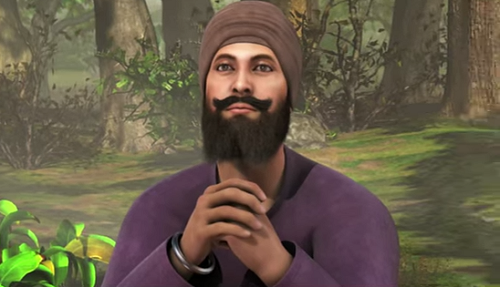
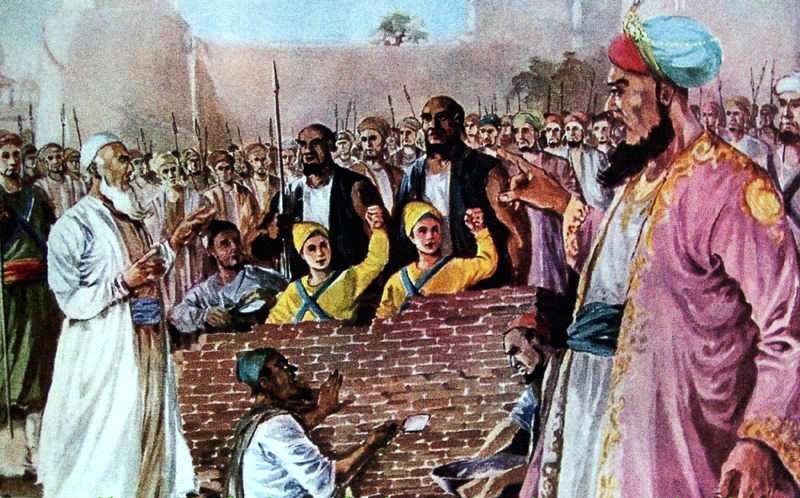
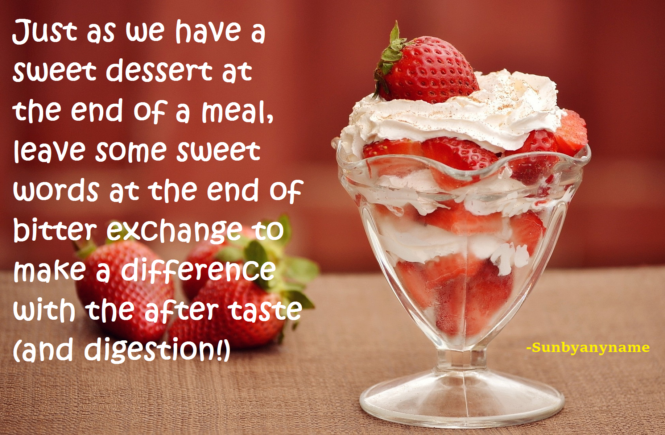
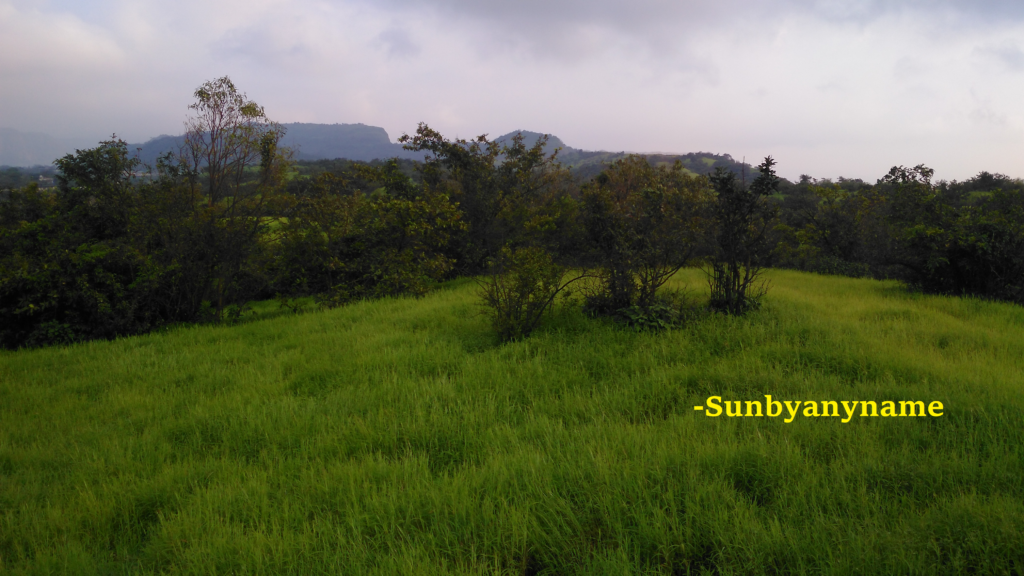
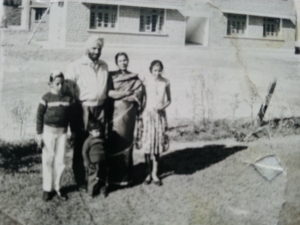 Dad and mom gave us the best education, schooling and life possible. Our style of living and my dad’s passion for giving freely to people belied the scarcity we felt at home. He was a great follower of ‘Atithi devo bhava‘ (The guest is akin to God). The best at home was always given to the guests. My mom was publicly embarrassed by my dad in case she neglected to give the guests something she felt would add to perennial scarcity. For example, lets say, dad had got some sweets and she thought of not serving to the guests, dad would say in front of the guests, “Kyun mithai nahin khilani ehna nu?” (Why are you not serving the sweets to them?)
 My dad went several steps ahead; he had done an akhand paath (continuous reading from start to end) of SGGS ji almost entirely on his own. He believed that God and he existed for each other. His favourite hymn was:
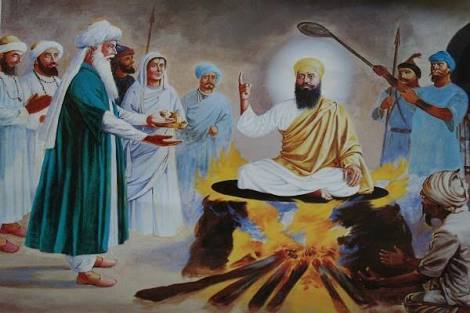
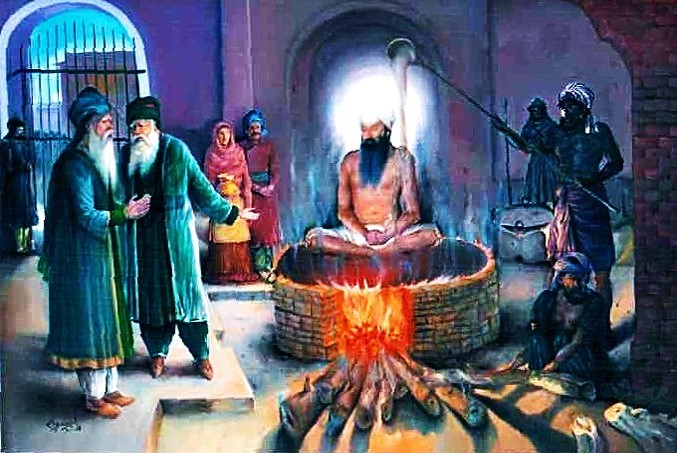
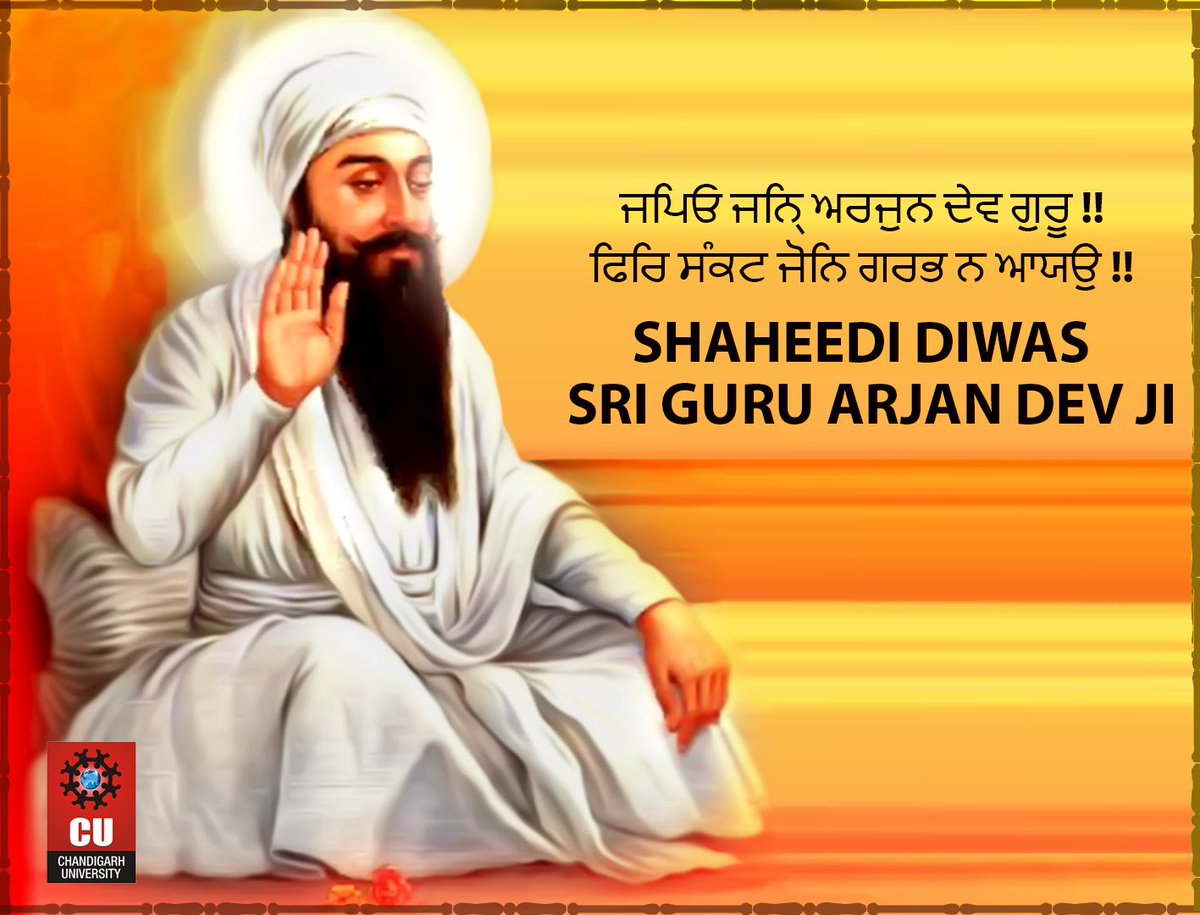



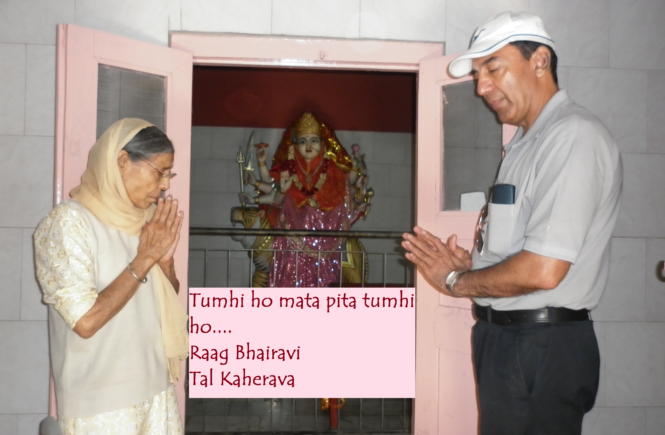
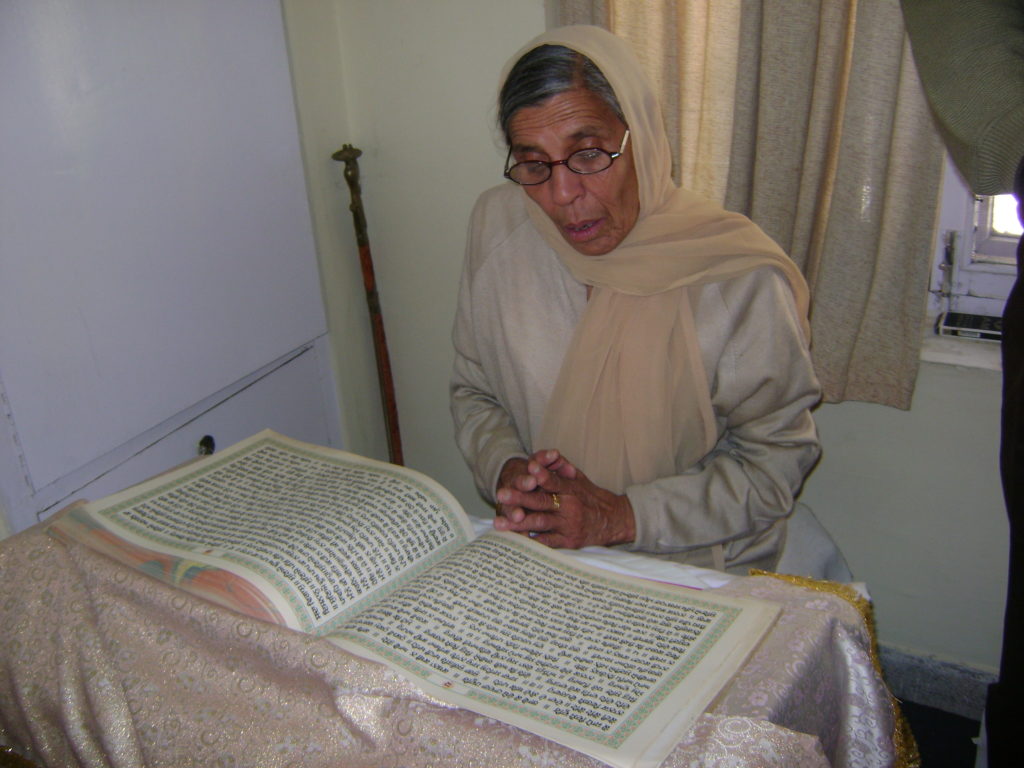
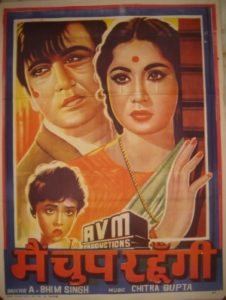 Once again, I have made use of the song in memory of my late mother. The song, originally, is from the