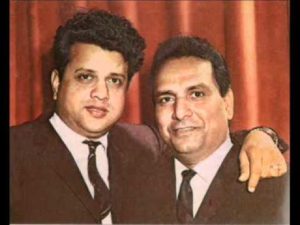
 No other music director has ruled the music scene in Hindi movies as much as Shankar-Jaikishan. Indeed, the name of Shankar-Jaikishan is the most popular name among Hindi music directors.
After it made its debut in Raj Kapoor’s 1949 movie Barsaat, the name Shankar-Jaikishan became synonymous with popular tunes. From the year 1957, when Shankar-Jaikishan won its first Filmfare Award for the movie Chori Chori (that is, eight years after its debut), and until 1973 when it won its last Filmfare Award for the movie Imaan, it was nominated as many times as eighteen for the award and won half the times. The best way to appreciate the excellence of its music is to have a look at some of the movies for which Shankar-Jaikishan missed getting the award though nominated: 1962 movie Jis Desh Mein Ganga Behati Hai, 1964 movie Dil Ek Mandir, 1965 movie Sangam, 1966 movie Arzoo, and 1972 movie Andaz.
Shankar Jaikishan are called by various epithets. However, after their death (Jaikishan died in 1971 and Shankar in 1987), the most befitting epithet for them has been ‘Music Director of the Millennium’.
I became fond of the duo from my teens. The duo’s songs were on everyone’s lips including the one that was voted as the most popular song of Hindi movies: Baharo phool barsao mera mehboob aaya hai.
The duo was imaginative, innovative, and capable of going beyond the traditional. As an example, even though Naushad Ali was credited with introducing raag based songs in Hindi movies, S-J ended up using raagas to make the most popular tunes in Hindi movies. Jaikishan used Bhairavi to compose many of his songs and Shankar became adept at composing based on Shivaranjani. The traditionalists on classical music would have been amazed at how the duo used the raagas. An apt example is the Brahmachari song Dil ke jharokhe mein tujhko bithakar based on Shivaranjani.
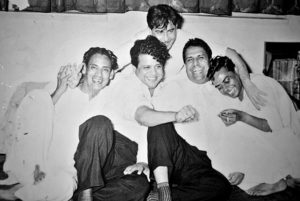
The lyricists who penned most of their songs were Shailendra and Shankar Jaikishan. Unlike S-J who waited for eight years to get its first Filmfare Award, Shailendra won the very first Filmfare Award for Best Lyricist for the 1958 Bimal Roy movie Yahudi’s song: Yeh mera diwanapan hai. He won the next one too for the 1959 movie Anari song: Sab kuchh seekha hamne. Later, he won once again for the 1968 movie Brahmachari song: Main gaoon tum so jao.
Shailendra penned lyrics that took you deep. Indeed, many fans are still trying to find true meaning of some of the lyrics that he wrote; eg, Main nadiya phir bhi main pyaasi.
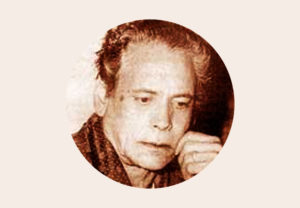 Hasrat Jaipuri, on the other hand, excelled in romantic songs. He is, justifiably, called Shehanshah of Rumaniyat (Emperor of Romance). So, if Raj Kapoor had to sing his heart out to Vyjayanthimala in the Ooty lake in the movie Sangam with O mehbooba, O mehbooba tere dil ke paas hi hai meri manzil-e-maqsud, it has to be Hasrat Jaipuri. If, Shammi Kapoor has to woo Sadhana with Is rang badalti duniya mein insaan ki niyat theek nahin, it has to be Hasrat. And, if it has to be Dharmendra making his love known to Vyjayanthimala with Main kahin kavi na ban jaayun, it has to be janaab Hasrat ji.
When I started singing to my wife, Lyn, I found that Hasrat Jaipuri’s songs are best suited to sing to her.
So, here I am with the first part of six songs that I sang for her. I have discovered that in a blog, six is the ideal number that fans would want to listen to.
Song #1
Jo guzar rahi hai mujh par
After learning a bit of singing (I am still learning), this was the first of HJ-SJ-Rafi songs that I sang.
The occasion was the Wedding Anniversary of Lyn and I two years ago: 12 Dec 21. Though sung in a different context in the movie, I found the lyrics eminently suitable for my mixed feelings about her being in severe Alzheimer’s condition in the midst of COVID when we were by ourselves for more than an year.
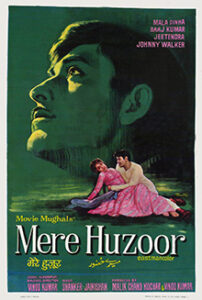
This is from the 1968 Vinod Kumar movie Mere Huzoor starring Raaj Kumar as Nawab Salim, Mala Sinha as Sultanat and Jeetendra as Akhtar Hussain Akhtar.
Salim had been in love with Sultanat. However, Akhtar had earlier saved the life of Salim and the latter had invited him to his palatial bungalow in Lucknow. Akhtar, in the train journey to Lucknow, sees and falls in love with Sultanat, a co-passenger.
This song was sung by Salim when Akhtar and Sultanat break the news about their impending wedding.
I found the lyrics, penned by Hasrat Jaipuri, as most apt for my wife, Lyn, being in advanced state of Alzheimer’s whilst celebrating our wedding anniversary last year.
Here are the lyrics:
जो गुज़र रही है मुझ पर उसे कैसे मैं बताऊँ -२
वो ख़ुशी मिली है मुझको मैं ख़ुशी से मर न जाऊँ -२
मेरे दिल की धड़कनों का ये सलाम तुमको पहुँचे
मैं तुम्हारा हमनशीं हूँ ये पयाम तुमको पहुँचे
उसे बन्दगी मैं समझूँ जो तुम्हारे काम आऊँ
वो ख़ुशी मिली है …
मेरे दिल की महफ़िलों में वो मुक़ाम है तुम्हारा
के ख़ुदा के बाद लब पर बस नाम है तुम्हारा
मेरी आरज़ू यही है मैं तुम्हारे गीत गाऊँ
वो ख़ुशी मिली है …
मेरी ज़िन्दगी में हमदम कभी ग़म न तू उठाना
कभी आएँ जो अँधेरे मुझे प्यार से बुलाना
मैं चिराग़ हूँ वफ़ा का मैं अँधेरे जगमगाऊँ
वो ख़ुशी मिली है …
Please enjoy my rendition of: Jo guzr rahi hai mujhpe use kaise main batayun…
Song #2
Chhalke teri aankhon se
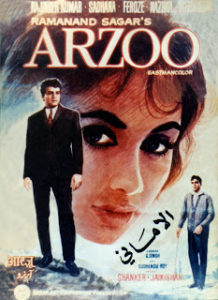 This is from the 1965 Ramanand Sagar movie Arzoo starring Rajendra Kumar and Sadhana. Shankar Jaikishan and Hasrat created very popular songs for the movie such as:
- Ae nargis-e-mastana
- Bedardi balma tujhako
- Aji rooth kar ab kahan jayiyega
- Ai phoolon ki rani baharon ki malika.
This was perhaps the most popular:
छलके तेरी आँखों से शराब और ज़ियादा – ३
खिलते रहें होंठों के गुलाब और ज़ियादा – २
क्या बात है जाने तेरी महफ़िल में सितमगर – ३
धड़के है दिल-ए-खाना-खराब और ज़ियादा – २
इस दिल में अभी और भी ज़ख़्मों की जगह है – ३
अबरू की कटारी को दो आब और ज़ियादा
तू इश्क़ के तूफ़ान को बाँहों में जकड़ ले – २
अल्लाह करे ज़ोर-ए-शबाब और ज़ियादा
खिलते रहे होठों के गुलाब और ज़ियादा
Please enjoy: Chhalke teri aankhon se…
Song #3
Itna hai tumse pyar mujhe
This too I sang to Lyn on our wedding anniversary, 24 Mar 22.
This song is rated as one of the most popular duets in Hindi movies. It was sung by Rajendra Kumar and Vyjayanthimala.
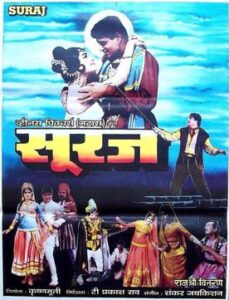 It is from the 1966 T Prakash Rao movie Suraj starring the Jubilee hero Rajendra Kumar and Vyjayanthimala.
It was penned by Hasrat Jaipuri and composed by Shankar Jaikishan.
Here are the lyrics:
र: इतना है तुमसे प्यार मुझे मेरे राज़दार
जितने के आस्मान पर तारे हैं बेशुमार
सु: इत्नना है तुमसे प्यार मुझे मेरे राज़दार
जितने के इस ज़मीन पर ज़र्रे हैं बेशुमार
तेरे सिवा किसी को न लाया निगाह में
लाखों हसीन आये जवानी कि राह में
सदियों से कर रहा था तुम्हारा हि इंतज़ार
इतना है तुमसे …
मैं ने भी तेरे वास्ते कितने जनम लिये
तब दिल के रास्तों पे जले प्यार के दिये
एक दिन ज़रूर पाउंगी इतना था ऐतबार
इतना है तुमसे …
बेख़ुद बना दिया मुझे तेरे सलाम ने
जन्नत अगर मिले तो न लूं तेरे सामने
ये प्यार वो नशा है के जिसका नहीं उतार
इतना है तुमसे …
Please enjoy my rendition of: Itna hai tumse pyar mujhe…
Song #4
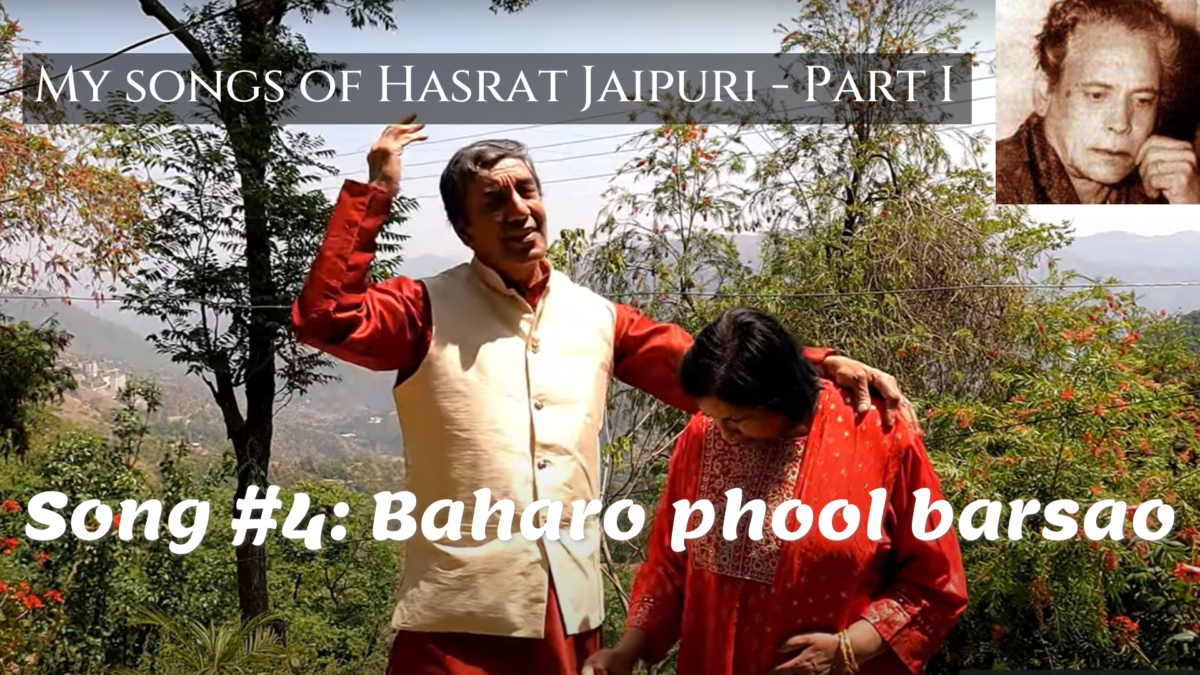
Baharo phool barsao
This is the second song from the 1966 T Prakash Rao movie Suraj starring Rajendra Kumar and Vyjayanthimala.
This was rated in a BBC radio poll in 2013 poll as the popular song in Hindi movies. It also happens to be one of the most popular songs of Rafi Sahib.
It was, indeed, a pleasure singing it:
बहारों फूल बरसाओ
मेरा महबूब आया है – (२)
हवाओं रागिनी गाओ
मेरा महबूब आया है – (२)
ओ लाली फूल की मेंहँदी लगा इन गोरे हाथों में
उतर आ ऐ घटा काजल, लगा इन प्यारी आँखों में
सितारों माँग भर जाओ
मेरा महबूब आया है – (२)
नज़ारों हर तरफ़ अब तान दो इक नूर की चादर
बडा शर्मीला दिलबर है, चला जाये न शरमा कर
ज़रा तुम दिल को बहलाओ
मेरा महबूब आया है – (२)
सजाई है जवाँ कलियों ने अब ये सेज उल्फ़त की
इन्हें मालूम था आएगी इक दिन ऋतु मुहब्बत की
फ़िज़ाओं रंग बिखराओ
मेरा महबूब आया है – (२)
बहारों …
Song #5
Tum mujhe youn bhula na paoge
I am so impressed with this song that I started my Raaga Based Song of the Day series with this song. The song has the most powerful of Hasrat Jaipuri’s lyrics. This includes both the Mohammad Rafi version and Lata Mangeshkar version.
These were composed by Shankar Jaikishan in Raag Jhinjhoti, Tal Kaherava.
Raag Jhinjhoti is a raag named after an apsara. Jhinjhoti is a Raag in Khamaj Thaat. In the modern Thaat system that was created by Vishnu Narayan Bhatkhande (1860–1936), a Thaat is a mode in Hindustani classical music and is a basis for classifying Raagas. Bhatkhande visited a number of gharanas (ad-hoc schools that followed guru-shishya sytem (teacher-pupil system) for passing knowledge down the generations. Interestingly, these gharanas were not open to all and sundry and most often than not a shishya had to prove that he was worthy of being taken as a shishya) (You must listen to Baiju Bawra’s ‘Man tadpat Hari darsan ko aaj‘ (Raag Malkauns, Tal Tintal) to know how a shishya had to prove his single-minded deication).
Surprisingly, the word Raaga doesn’t mean music but colour or dye or shade. But if you think of colours signifying moods, Raagas in music do exactly that. For example, if the colour yellow is the colour of love and red of passion, each one of the raagas is based on mood, time of the day and even season. An easy anology is the Hindi saying: सावन के अंधे को हरा ही हरा दिखाई देता है I You will instantly know that Sawan (Monsoon) is being used as a season, colour and mood.
According to Pandit Bhatkhande, each one of the raagas is based on one thaat (mode) or the other. Although his research with gharanas made him short-list 32 thaats, he finally pruned the list to just ten thaats on which most raagas are based. These are: Bilawal, Kalyan, Khamaj, Bhairav, Poorvi, Marwa, Kafi, Asavari, Bhairavi and Todi. And that’s why I mentioned that Jhinjhoti belongs to Khamaj Thaat.
Almost all songs in Hindi movies based on this raag have an element of self-pity in them, eg, Ghungru ki tarah bajta hi raha hoon main, Koi hamdam na raha, Mere mehboob tujhe, Mose chhal kiye jaaye, and my second most favourite Lata song: Jaa jaa re jaa balamwa from Basant Bahar.
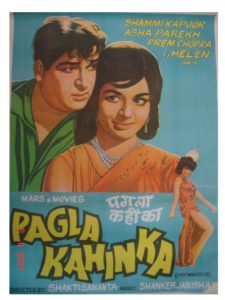
The 1970 movie Pagla Kahin Ka was the most challenging job taken up by Shammi Kapoor. He was a mentally deranged person but as the movie progressed, one was left wondering at the sick mentality of those ostensibly sound in body and mind.
Of course the song Tum mujhe yun bhula na paoge is one of the best of Mohammad Rafi.
I found the lyrics have yet another meaning when I sing it to my wife, Lyn, suffering from Alzheimer’s.
Please enjoy my own singing of Mohammad Rafi version of: Tum mujhe youn bhula na paoge…
तुम मुझे यूँ भुला ना पाओगे
हाँ तुम मुझे यूँ भुला ना पाओगे
जब कभी भी सुनोगे गीत मेरे
संग संग तुम भी गुनगुनाओगे
हाँ तुम मुझे यूँ भुला ना पाओगे
हो तुम मुझे यूँ …
(वो बहारें वो चांदनी रातें
हमने की थी जो प्यार की बातें ) – २
उन नज़ारों की याद आएगी
जब खयालों में मुझको लाओगे
हाँ तुम मुझे यूँ भुला ना पाओगे
हो तुम मुझे यूँ …
(मेरे हाथों में तेरा चेहरा था
जैसे कोई गुलाब होता है ) – २
और सहारा लिया था बाहों का
वो शाम किस तरह भुलाओगे
हाँ तुम मुझे यूँ भुला ना पाओगे
हो तुम मुझे यूँ …
(मुझको देखे बिना क़रार ना था
एक ऐसा भी दौर गुज़रा है ) – २
झूठ मानूँ तो पूछलो दिल से
मैं कहूंगा तो रूठ जाओगे
हाँ तुम मुझे यूं भुला ना पाओगे
जब कभी भी …
Song #6
Ajahun na aaye balma
This was composed by Shankar Jaikishan in Raag Madhuvanti, Tal Kaherava.
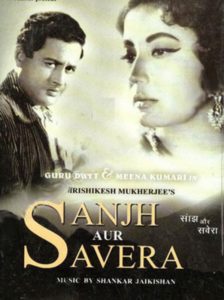 The song is from 1964 Hrishikesh Mukherjee movie Saanjh Aur Savera that had Guru Dutt and Meena Kumari in lead roles. The song is however pictured on Mehmood and Shubha Khote with Mohammad Rafi and Suman Kalyanpur singing for them.
Music Directors loved to compose for Mehmood and Shubha Khote and some really fine classical Raaga based songs are pictured on them. In the same year, for the 1964 movie Ziddi that is, SD Burman composed a song for them which is considered the purest example of Darbari Kanada in Hindi movies; the song was sung by Manna Dey and is: Pyaar ki aag mein tan badan jal gaya.
Madhuvanti belongs to Todi Thaat. As you must have guessed it Madhu means honey and the raag is as sweet as honey in sringar ras depicting love and romance. It is an evening raag like Yaman aur Kalyan.
About Taal Kaherava I have already told you. But since we are in early stages of our learning here it is again:
Kaherava is most popular 8 beat Tal in Hindustani music, with two vibhags of four matra each, first vibhag being clap, second being wave (khali), which makes it:
Clap, 2, 3, 4, wave, 2, 3, 4. Theka is
Dhaa Ge Naa Tee Naa Ka Dhin Naa.
What about other popular songs in Raag Madhuvanti? Madan Mohan composed Rasm e ulfat ko nibhayen to nibhayen kaise in the same Raag and Taal.
Please enjoy in Raag Madhuvanti, Tal Kaherava, Mohammad Rafi and Suman Kalyanpur sing a composition of Shankar Jaikishan, penned by the great Hasrat Jaipuri and picturized on Mehmood and Shubha Khote: Ajahun na aaye balma sawan beeta jaaye..
अजहुँ ना आए बालमा, सावन बीता जाए
हाय रे सावन बीता जाए
नींद भी अंखियन द्वार न आए
तोसे मिलन की आस भी जाए
आई बहार खिले फुलवा
मोरे सपने कौन सजाए
आ … अजहुं …
चांद को बदरा गरवा लगाए
और भी मोरे मन ललचाए
यार हसीन गले लग जा
मोरी उम्र गुज़रती जाए
आ … अजहुं …
I hope you liked my choice of six songs of Hasrat Jaipuri that I sang to my wife, Lyn in the Part I of this post.
Please await songs of Part II.
 Today’s song is from the
  Of all the lyricists that I know of,
  Now, about music director
 Majrooh is the fifth of our lyricists who was a contemporary of Shakeel Badayuni. Out of all these six (*including Shakeel), three have been from Uttar Pradesh, which says something about that region producing some great poets and lyricists.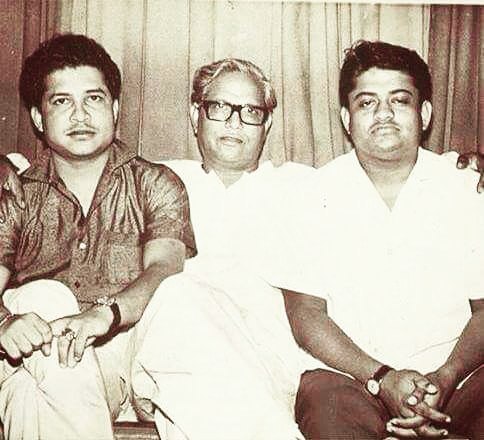
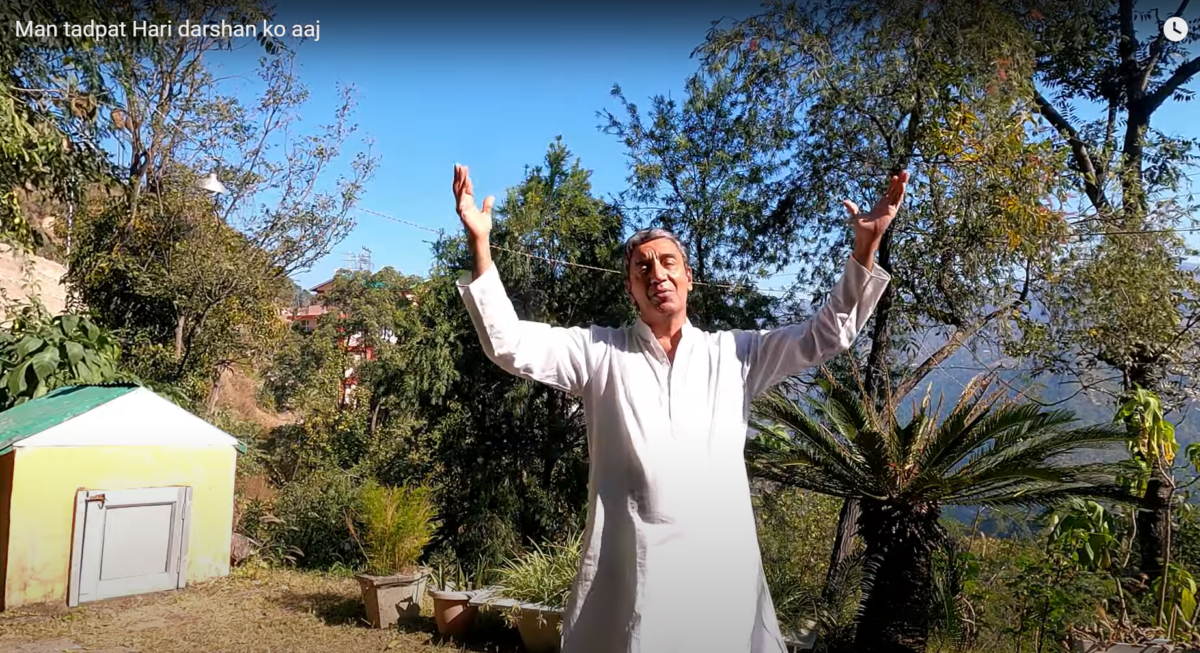

 Malkaush is a late night raaga
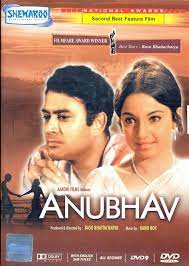 Phool or flower is often compared to blossoming of Love. The last thing that the lovers want is that it should be called infatuation. This is exactly the theme of this Manna De song. This ranks amongst his best. The song is from the 1971 movie Anubhav directed by Basu Bhattacharya and starring Sanjeev Kumar and Tanuja. Lyrics are by Kapil Kumar and music by Kanu Roy. The latter composed it in Raag Desh. You may recall OP Nayyar’s Beqasi hadd se jab guzr jaaye in the same raag.
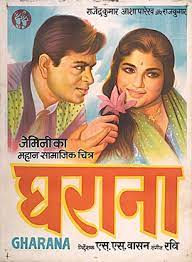 It is from the 1961 SS Vasan movie Gharana starring Raaj Kumar, Rajendra Kumar and Asha Parekh.
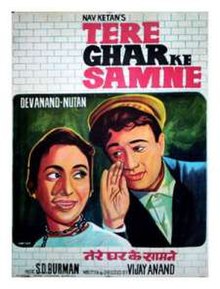 The entire song has been picturised within the Qutab Minar in Delhi. Dev Anand is seen wooing Nutan by this song from one of their four movies together: Tere Ghar Ke Saamne, a Shimla based movie.
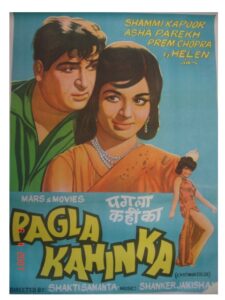 These happen to be the most powerful lyrics penned Hasrat Jaipuri. It is from the 1970 Shakti Samanta movie Pagla Kahin Ka starring Shammi Kapoor, Helen, and Asha Parekh. In a media interview Shammi Kapoor brought out that this was the most challenging role that he enacted.
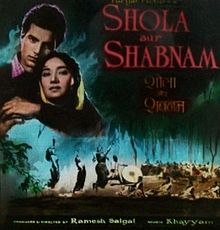
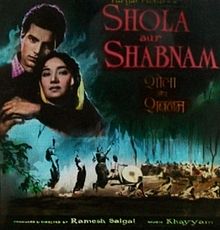 This is the main song of the 1961 Ramesh Sehgal movie Shola Aur Shabnam starring Dharmendra, Tarla Mehta and M Rajan as a triangle. Dharmendra and Tarla were childhood lovers. Dharmendra plays Ravi in the movie! Tarla is Sandhya (By herself, absence of Ravi or Sun). They separate.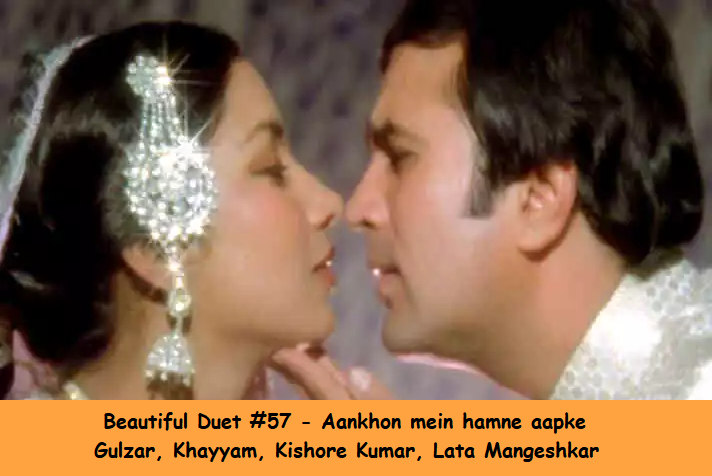
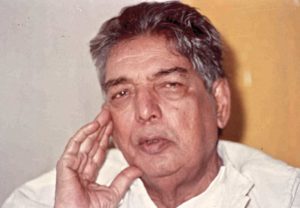
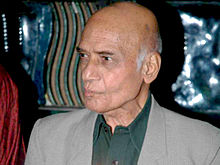 Mohammad Zahur Khayyam was born on 18 Feb 1927 in the village Rahon, near Nawanshahr. This is only 16 Kms away from where I was born some 17 years later. He became famous and I am writing about him.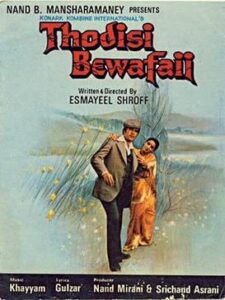
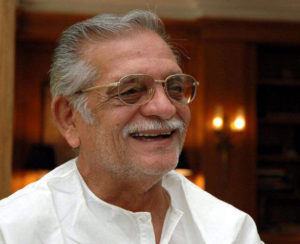
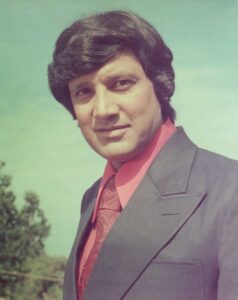 He was a nephew of Dev Anand and had the screen name of Vishal Anand (Dev Anand’s sister was his mother). He produced the 1976 movie Chalte Chalte and decided to act as the hero of the movie opposite Simi Garewal. This was one of the 11 movies that he either produced, directed or acted in.
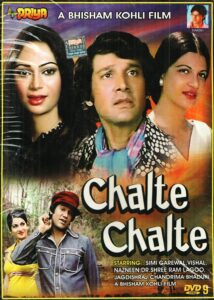 Kohli produced the movie and he had Sunder Das direct it. He as Vishal Anand tried to act in the movie with Simi Garewal.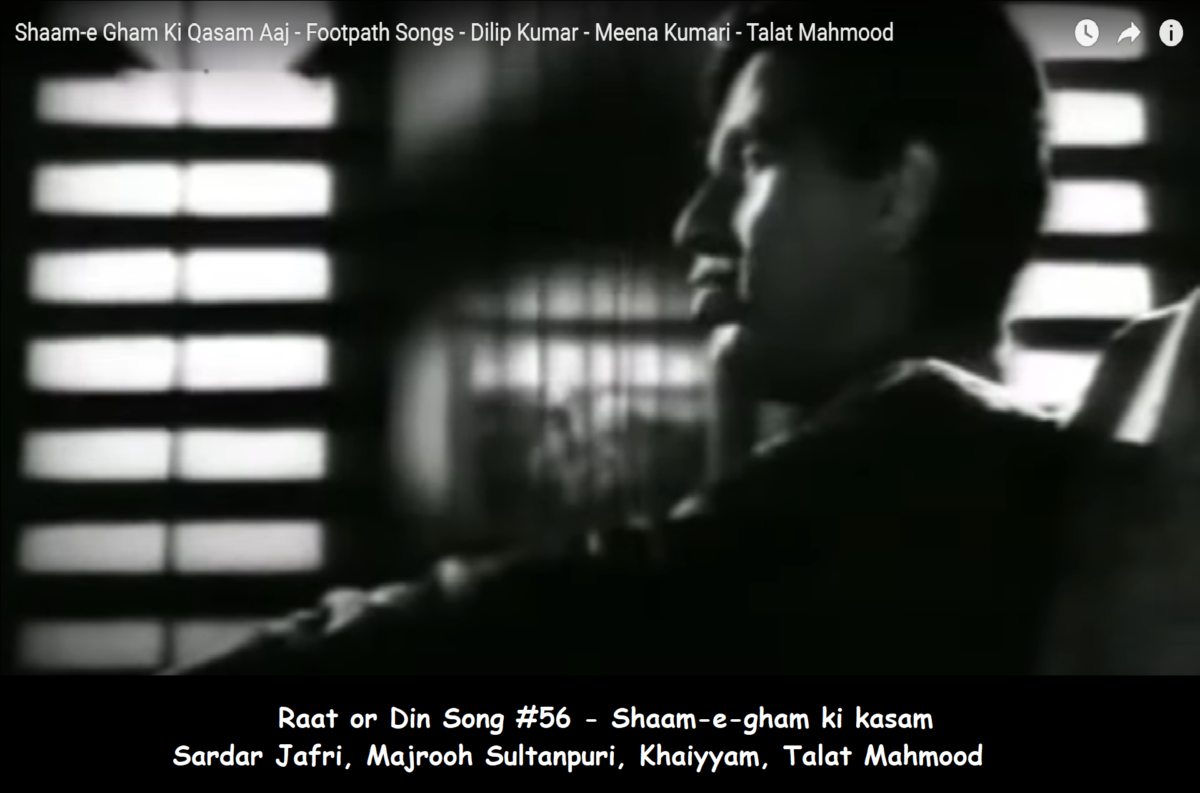
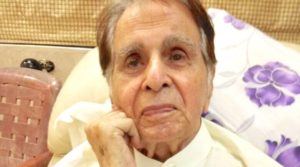 He is 98 years old today and no doubt the entire country awaits to celebrate his hundredth birthday.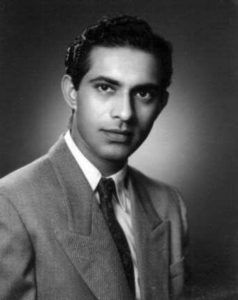
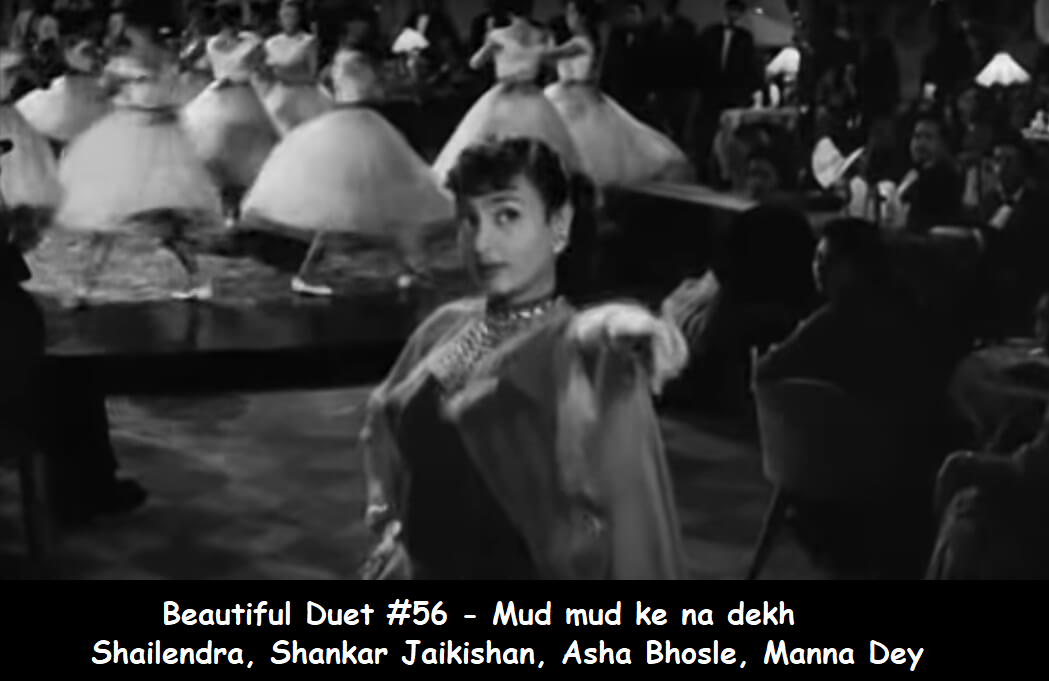
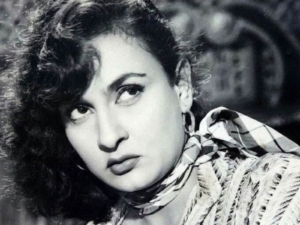 She was born on this date in the year 1932. Her full name was Florence Ezekiel Nadira. As the name suggests, she was a Jew (of a Baghdadi Jewish family).
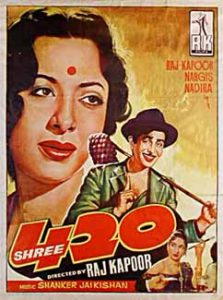 However, the Beautiful Duet that I have taken for you is from the 1955 movie Shree 420, produced and directed by Raj Kapoor. Main lead of the movie were Raj Kapoor and Nargis; Raj Kapoor coming into the city of Bombay from a village but soon learning that being a con man (420) was earning him good life.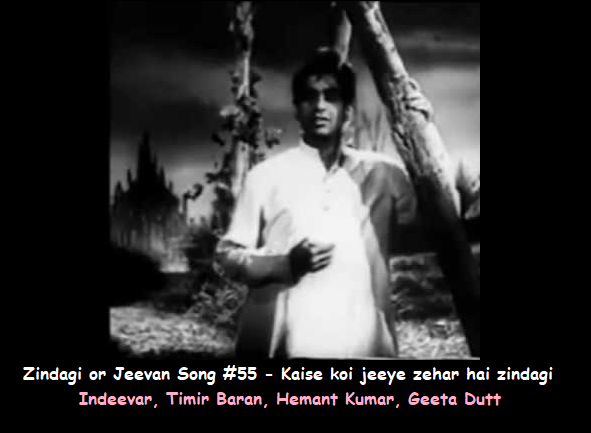
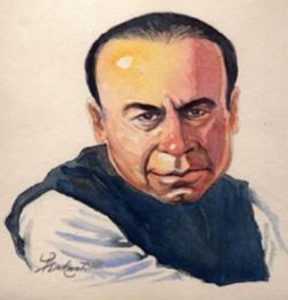 Sahir Ludhianvi, her favourite poet and lyricist is about 37 Kms from the place where I was born (Village Urapur). His poetry and lyrics have, as was the case with most poets and lyricists of that era, a lot of Urdu in them. Now, I studied Urdu in my school. But, then, have someone like behna to appreciate such poetry is delightfully amazing. I have been always inclined towards Love (and not Socialism or even Communism). Hence, by my own inclination, I am more for Shakeel’s poetry than of Sahir. However, I would still place Sahir as an outstanding poet and lyricist. Ye mehlon ye takhton, ye taajon ki duniya, for example, would stay as top-notch poetry for me, if I were to move away from pure Love and into social inequities.
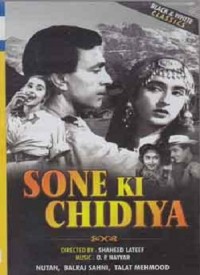 This 1958 movie was directed by Shaheed Latif and starred Talat Mahmood himself in the lead role. Nutan acted opposite him. The title is taken from the destiny of Nutan; as impoverished woman she was neglected by her family. As soon as she became wealthy, they treated her as Sone Ki Chidhiya.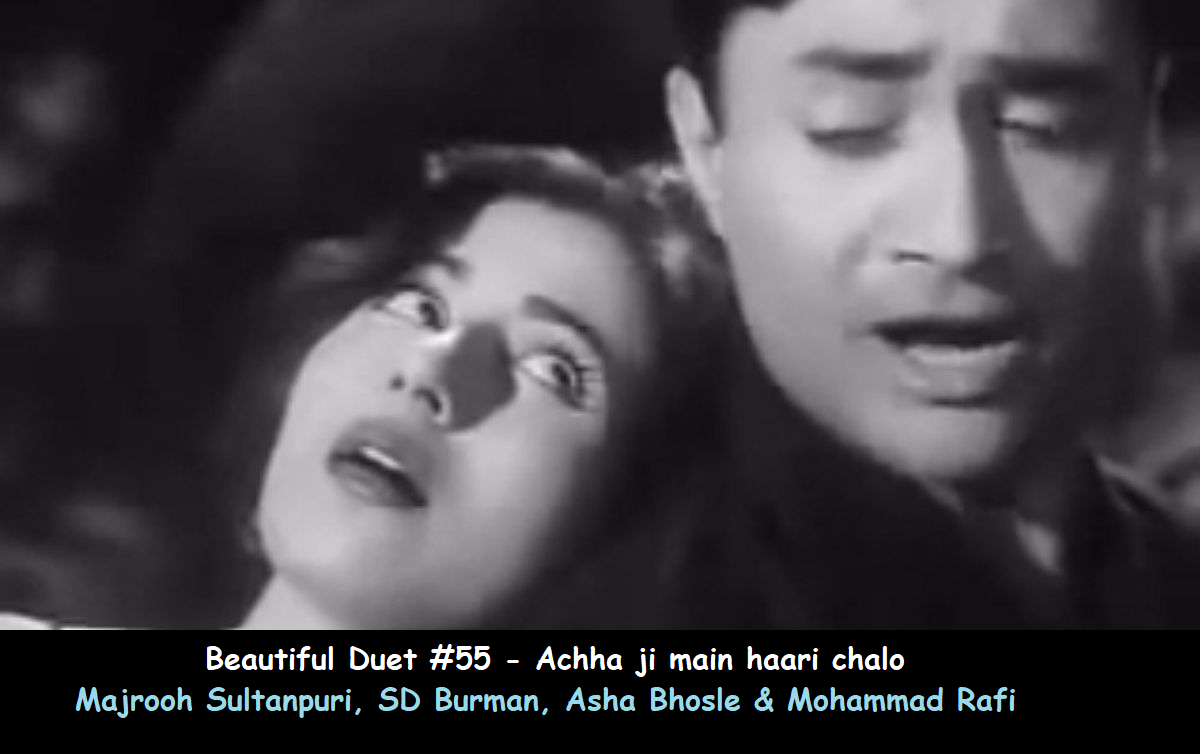
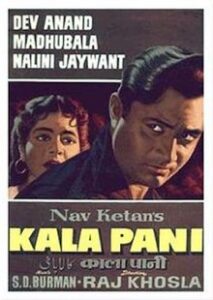 This was the name of the movie produced by Dev Anand’s Navketan Films and directed by Raj Khosla.
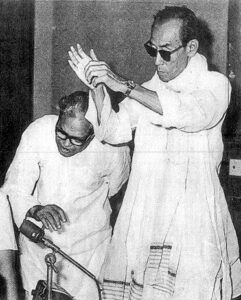 Post 1957 movie Pyaasa when SD Burman developed a rift with Sahir Ludhainvi (after working together for 19 movies), Majrooh moved in with SD Burman to fill the gap. In this movie and this song, therefore, Majrooh’s lyrics were composed by SD Burman, the MD of choice for Dev Anand movies; so much so that Sachin Dev Burman used to insist that his own name had his favourite hero’s name as the middle name.
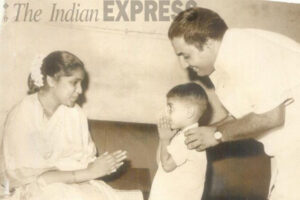 This pair has given us a number of Beautiful Duets. Their best was also picturised on Dev Anand with Raj Khosla’s favourite actress Sadhana: Abhi na jao chhod kar.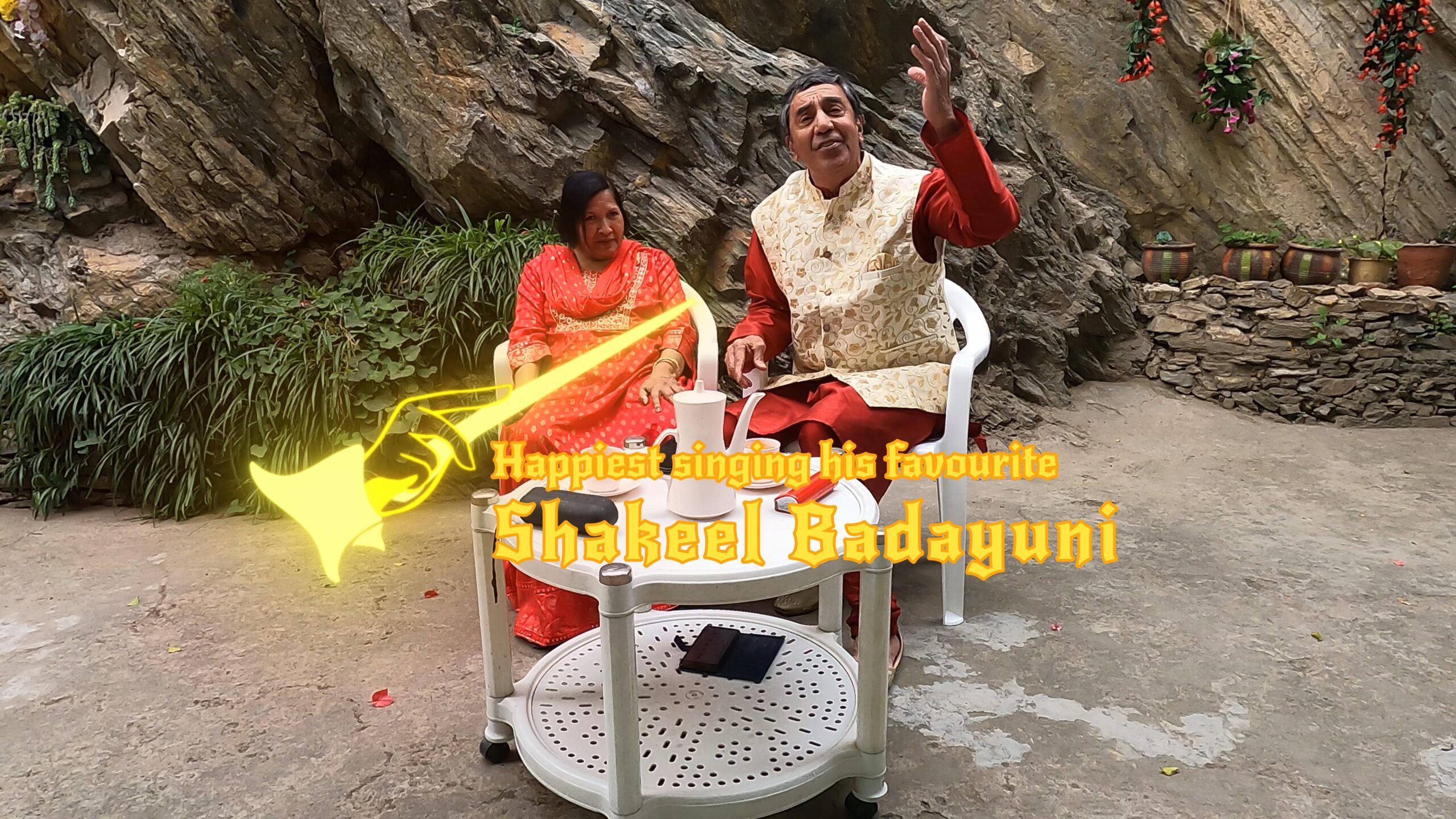
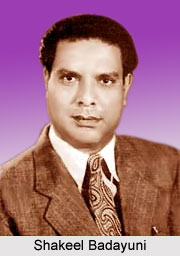 Today is the death anniversary of Shakeel Badayuni, the greatest poet and lyricist. I have penned more than 20 blogs on him. He continues being my favourite. One of the reasons is that the emotions of his songs, ghazals, and nazams come closest to my own.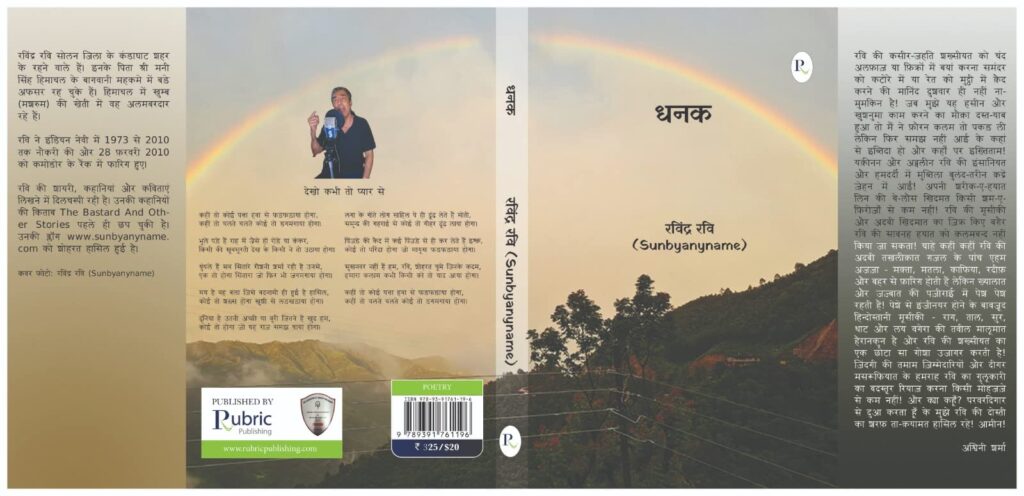
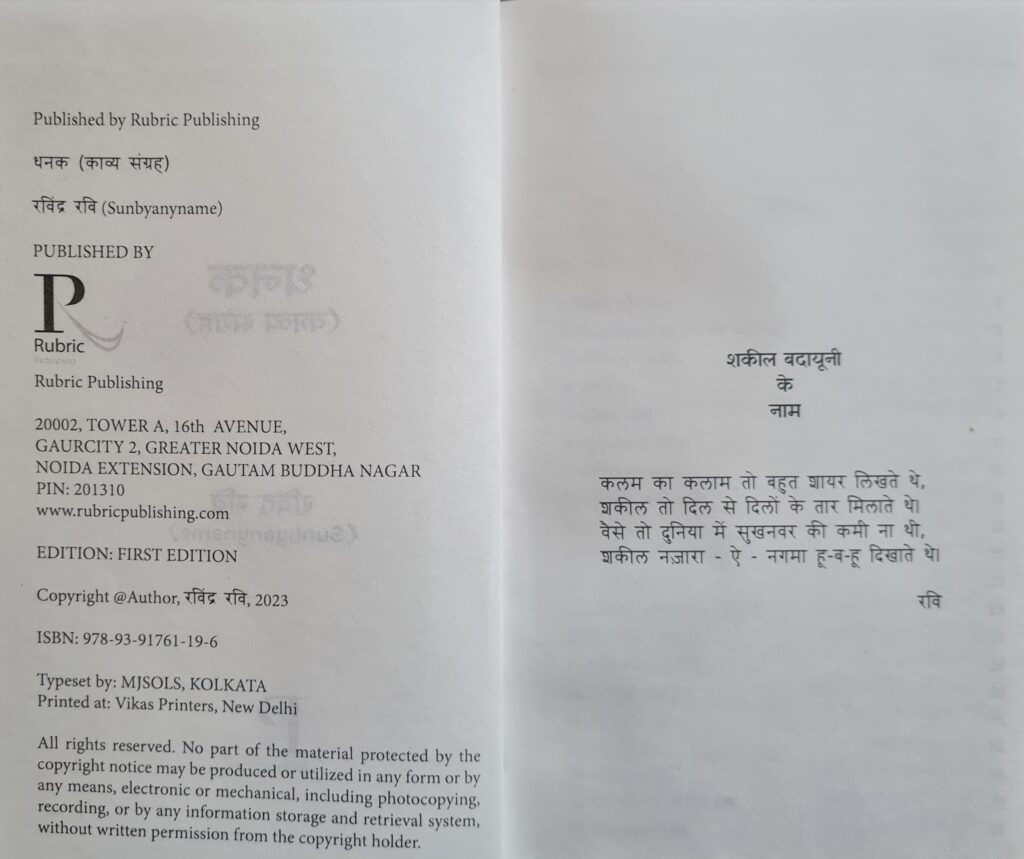
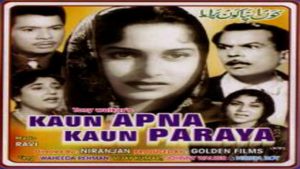 It was composed by Ravi in my favourite Raag Pahadi. Mohammad Rafi sang it. The song was picturised on Vijay Kumar and Waheeda Rehman in the hill station of Nainital for the 1963 movie Kaun Apna Kaun Praya.
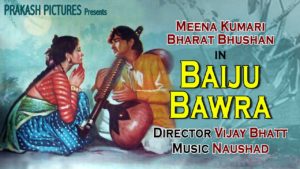
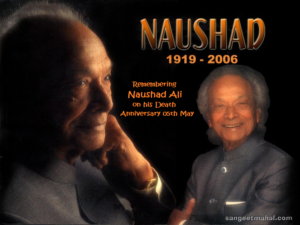 the 1952 Vijay Bhatt movie Baiju Bawra for which the composer and music director Naushad received the only Filmfare Award in his career. Later, he was honoured by the Government of India by bestowing on him Dadasaheb Phalke Award, the highest in India in cinematic excellence.
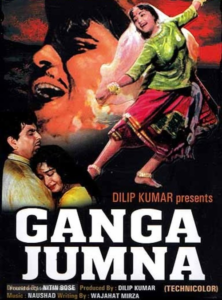 I would call this as an iconic song from the 1961 Nitin Bose (Dilip Kumar production) movie Gunga Jumna starring Dilip Kumar and Vyjayanthimala.
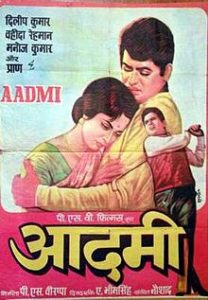 song put together by Shakeel, Naushad and Rafi for the 1968 movie Aadmi starring Dilip Kumar, Waheeda Rehman, and Manoj Kumar.
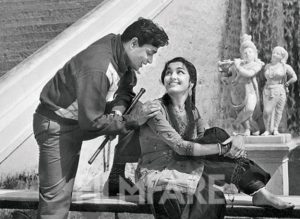 It was filmed for the 1961 SS Vasan (Gemini Productions) super-hit movie Gharana starring Rajendra Kumar and Asha Parekh.
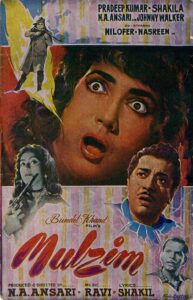 It is from the 1963 movie Mulzim starring Pradeep Kumar and Shakila.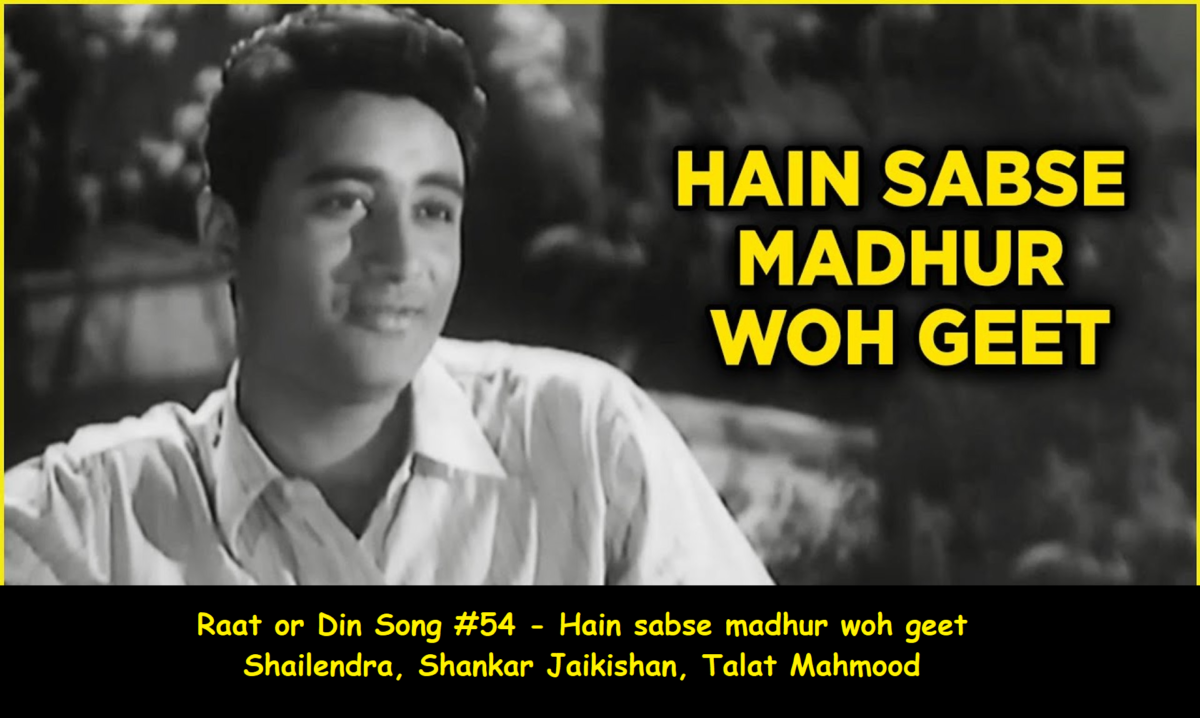
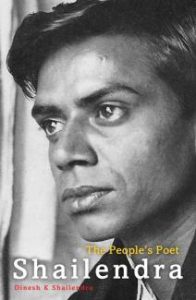 I am not saying it; the lyrics of the song say it! It is a literal translation of Shelley’s famous quote: “Our sweetest songs are those that tell of the saddest thought.”
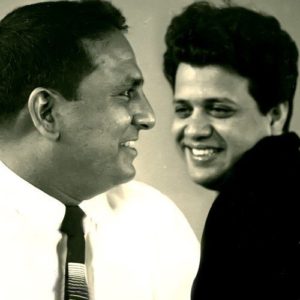 There is no doubt in my mind that they were the wizards of good music and good compositions. The 1953 movie Patita, an Amiya Chakrabarty movie starred Dev Anand and Usha Kiran in the lead roles. There was nothing unique about Dev Anand’s do-gooder role. He had perfected it in Maya too, in 1961 and many others. Hindi films industry has a way of categorising you for certain roles; as indeed it did in making Amitabh Bachchan an ‘Angry Young Man’.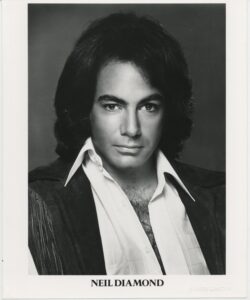
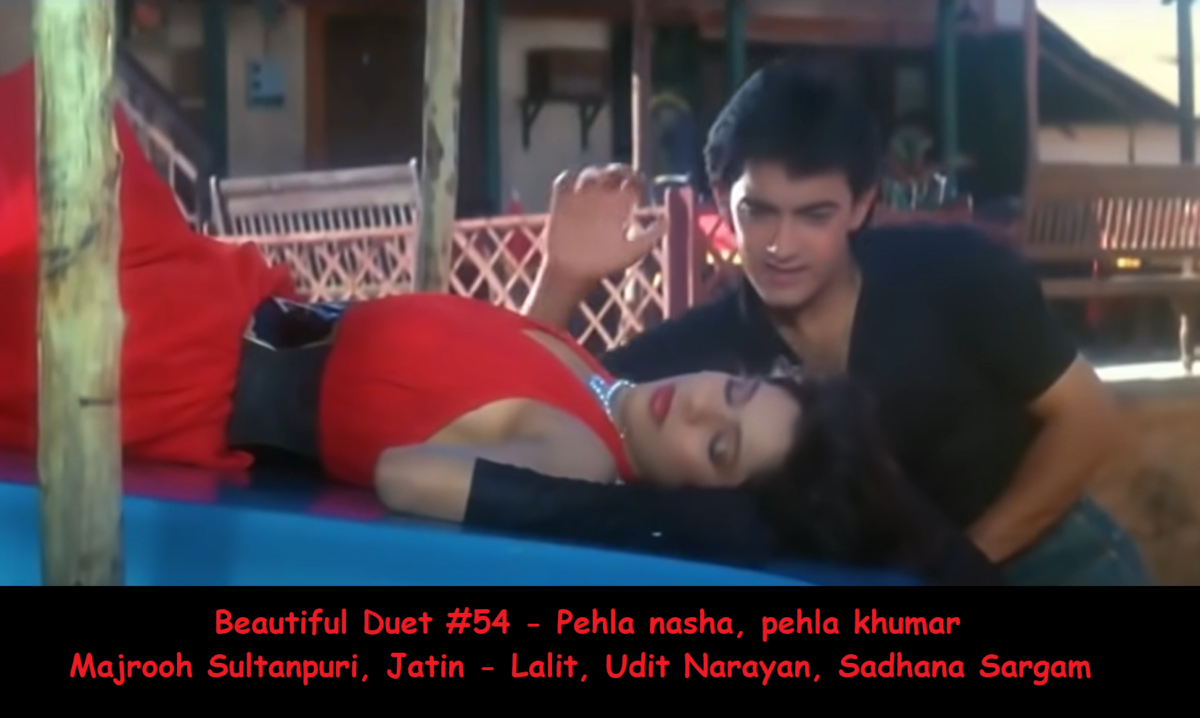
 As I mentioned in the Zindagi or Jeevan song of today: O paalanhare, nirgun aur nyaare, Udit Narayan was born on this day in 1955. One of his early high-points was to be able to sing with Mohammad Rafi in the 1980 movie Unees Bees. He later sang even with Kishore Kumar.
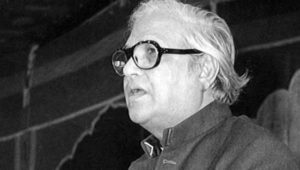 Instead of giving my own poetry at this stage, I want to give you his song about pehla pyaar, 36 years ago, in the 1956 Raj Khosla movie C.I.D., the debut movie of Waheeda Rehman, though this song is picturised on Dev Anand and Kalpana Kartik: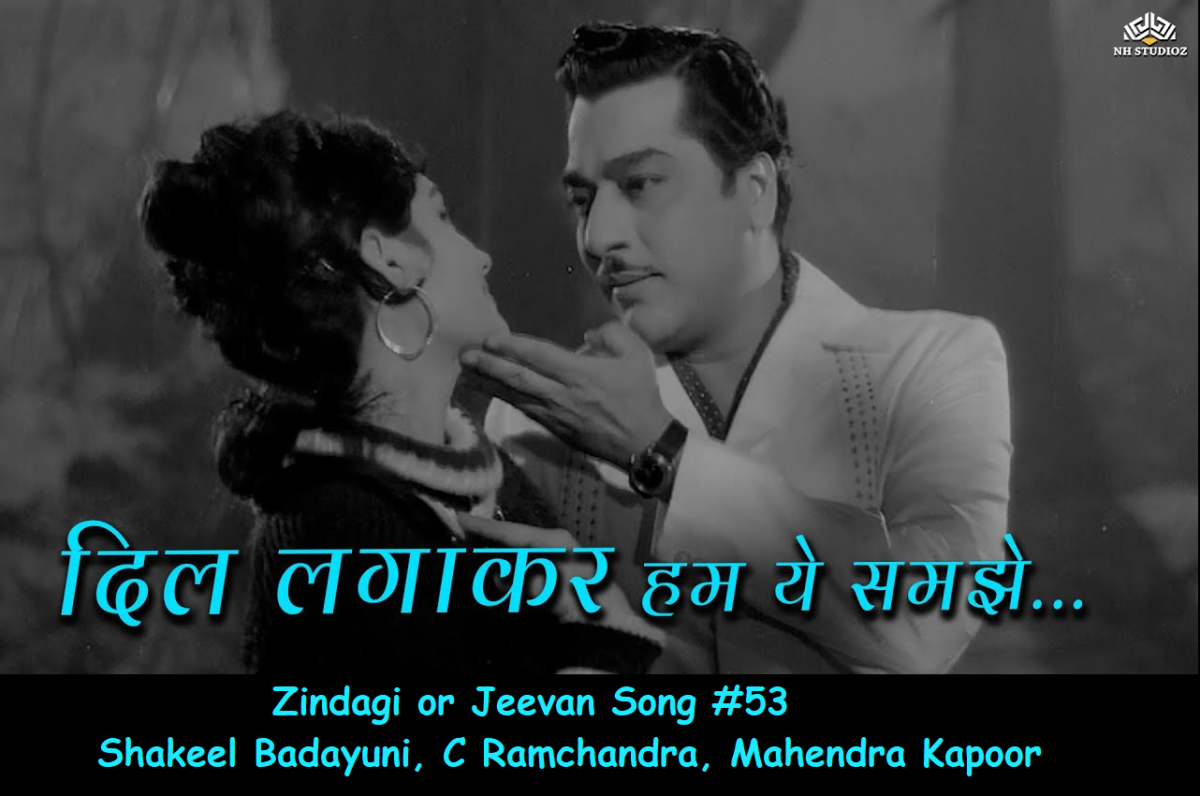
 Truly, the only Zindagi that you experience is when you are in Love. Look at the difference between us Indians and the English as Ian Fleming wrote in a Jemes Bond novel, “You only live twice; once when you are born and once when you look death in the face.” Whereas, we Indians consider Zindagi as the one spent in love.
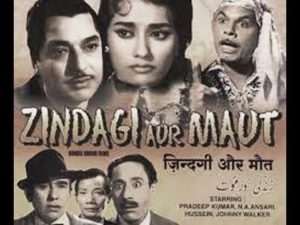 It is from the 1965 movie Zindagi Aur Maut directed by Nisar Ahmad Ansari and starring Pradeep Kumar and Faryal.