All compositions of songs follow some arrangements of notes or swar to represent the bhaav or the mood of the song. The rhythm is provided by the beat or the taal.
Songs, whose compositions align themselves closely with known raagas (known arrangements of notes or swar) are known by those raagas. For example, Jaikishan (of Shankar Jaikishan music duo) was very fond of Raag Bhairavi. He composed many songs in Bhairavi; sometimes, as many as three to four songs in a movie.
Naushad was reputed to have ushered in raaga based songs in Hindi movies. In the 1952 Vijay Bhatt movie Baiju Bawra, Naushad had all 13 soundtracks based on some raaga or the other.
Gradually, most music directors became fond of raaga based songs in Hindi movies. In varying degrees of alignment (from loose to pure) they tried to base their songs on raagas. Some raagas, for them, became their favourites. For example, OP Nayyar had Raag Pilu or Peelu as his favourite, Shankar had Shivaranjani, Khaiyyam had Pahadi, and so on.
Raaga based Hindi movies songs have always fascinated me. This blog has hundreds of posts on raaga based songs.
I started learning singing only about two years ago. The purpose was to sing to my wife Lyn (short for Marilyn) suffering from Alzheimer’s. Since raaga based songs fascinated me, I tried to learn these too.
Here, I give you some of these that I have sung.
Song#1
Zara sun haseena e nazneen
Raag Pahadi, Tal Rupaktal
Raag Pahadi refers to songs named after only one Pahad: the Himalayas. Therefore, This raag is the raag of my place in the hills: Whispering Winds, Kandaghat. It is, therefore, no surprise that it hapens to be my favourite raag.
There is no doubt in my mind that the best of any genre’ of music has been sung by the god of songs: Mohammad Rafi.
The best in Raag Pahadi is also by him: Chaudhvin ka Chand, in Taal Kaherava.
By the way, my favourite lyricist Shakeel Badayuni received his first Filmfare Award in 1961 for this song. Shakeel’s association with Ravi resulted in some remarkably beautiful songs sung by Mohammad Rafi. The theme of describing husn (beauty) of the woman was prominent in these songs. Indeed the second song for which Shakeel received his Filmfare Award in 1962 was also a husn song: Husn wale tera jawab nahin for the movie Gharana.
In 1963 movie Kaun Apna Kaun Praya, Shakeel, Ravi and Rafi made yet another enchanting husn song that Vijay Kumar lip-synced to Waheeda Rehman.
You can feel the Pahadi dhun with Rupaktal. Pahadi is a raag as well as dhun. Let me give you a few songs in Rupaktal though not in Pahadi. Before that: Rupak is unique among the taals in that the first beat (ie, the sam) is khali (ie., represented by a wave of the hand).
wave, 2, 3, clap, 2, clap, 2
Some songs in Rupaktal: Aap ki nazaron ne samajha, Ghar aaja ghir aaye badra sanwariya, Haay re vo din kyun na aaye, Kisi raah pe kisi mod par, Piya tose naina laagi re, Tum gagan ke chandrama and Megha chhaye aadhi raat.
It is, indeed, appropriate that the very first raaga based song recorded in my own singing on YouTube happens to be in Raag Pahadi.
Please enjoy: Zara sun haseena-e-nazneen….
ज़रा सुन हसीना ऐ नाज़नीं
मेरा दिल तुझ ही पे निसार है
तेरे दम से ही मेरे दिलरुबा
मेरी ज़िंदगी में बहार है
हुई जब से मुझ पे तेरी नज़र
मैं हूँ अपने आप से बेख़बर
हुआ जब से दिल में तेरा गुज़र
मुझे चैन है न क़रार है
तेरे हुस्न से जो सँवर गई
वो फ़िज़ाएं मुझको अज़ीज़ हैं
तेरी ज़ुल्फ़ से जो लिपट गईं
मुझे उन हवाओं से प्यार है
ये हसीन फूलों की डालियाँ
तुझे दे रही है सलामियाँ
मुझे क्यों न रश्क़ हो ऐ सनम
तेरे साथ फ़स्ल-ए-बहार है
Song #2
Aye dil mujhe aisi jagah le chal
Raag Adana, Tal Kaherava
As I mentioned, this song is composed in Raag Adana, Tal Kaherava.
Raag Adana belongs to Asavari Thaat. Raag Adana resembles Raag Darbari Kanada, with the difference that Gandhar is forbidden in Aaroh in Adana. This Raag is rendered mostly in Madhya and Tar Saptaks unlike Raag Darbari Kanada, which is more deep and hence is rendered in Madhya and Mandra Saptaks (Octaves). In this Raag, Komal Gandhar and Komal Dhaivat should not be repeated (oscillated) otherwise Raag Darbari Kanada makes its appearance. Like Darbari Kanada, this Raag does not employ Meend and Gamak, as this is a flittering dynamic type melodic form. Its Jati is Shadhav-Smapurna Vakra. It is normally to be sung during the second prahar of the night, that is, between 9 PM and midnight. Adana was a major raga in the 17th century and a combination of the then current ragas Malhar and Kanada. In a ragamala painting from Mewar it is depicted as an ascetic man sitting on a tiger skin, however, Somanatha describes him as Kama the god of love. His Adana was quite different from the raga as it is performed today.

The song Ai dil mujhe aisi jagah le chal jahan koi na ho is from the 1950 Shaheed Lateef movie called Arzoo starring Dilip Kumar, Kamini Kaushal and Shashikala. The movie’s story was penned by Ismat Chugtai who later wrote MS Sathyu’s Garam Hawa.
The song was penned by Majrooh Sultanpuri and composed by Anil Biswas. It was sung by Talat Mehmood.
Please enjoy in Raag Adana, Tal Kaherava: Ai dil mujhe aisi jagah le chal jahan koi na ho….
ऐ दिल मुझे ऐसी जगह ले चल जहाँ कोई न हो
ऐ दिल मुझे ऐसी जगह ले चल जहाँ कोई न हो
अपना पराया मेहरबां ना मेहरबां कोई न हो
ऐ दिल मुझे ऐसी जगह ले चल जहाँ कोई न हो
जा कर कहीं खो जाऊँ मैं नींद आए और सो जाऊँ मैं
नींद आए और सो जाऊँ मैं
जा कर कहीं खो जाऊँ मैं नींद आए और सो जाऊँ मैं
नींद आए और सो जाऊँ मैं
दुनिया मुझे ढूँढे मगर मेरा निशां कोई न हो
दुनिया मुझे ढूँढे मगर मेरा निशां कोई न हो
उल्फ़त का बदला मिल गया वो ग़म लुटा वो दिल गया
वो ग़म लुटा वो दिल गया
उल्फ़त का बदला मिल गया वो ग़म लुटा वो दिल गया
वो ग़म लुटा वो दिल गया
चलना है सब से दूर दूर अब कारवां कोई न हो
चलना है सब से दूर दूर अब कारवां कोई न हो
अपना पराया मेहरबां ना मेहरबां कोई न हो
ऐ दिल मुझे ऐसी जगह ले चल
Song #3
Humse aaya na gaya
Raag Bageshri, Tal Dadra
Raag Bageshri is a Raag of the Kafi Thaat and by now all of us know that Raagas of Kafi Thaat are night raagas. The samay for this raaga is madhyaratri (midnight). Bageshri is a raaga that tells the emotions of a woman waiting for her lover. It is reputed that Mian Tansen first sang it in the court of Emperor Akbar in the 16th century.
Tal Dadra derives its name from Dadra style of singing prevalent in Dadra. It is a six or three beat Tal:
Clap, 2, 3, Wave, 2, 3; that is two vibhags of three matras each. The theka is:
Dhaa Dhin Naa Dhaa Tin Naa
This is from a farcical comedy: Dekh Kabira Roya, a 1957 Amiya Chakravarty movie.
Just like the Jahan Ara songs, this too was sung by Talat Mahmood.
It was penned by Rajinder Krishan and composed by Madan Mohan.
The song is picturised on the middle brother of the trio: Anoop Kumar; the elder being Ashok Kumar and younger being Kishore Kumar (they were together in another comedy: Chalti Ka Naam Gaadi). He is singing it to Shobha Khote. He was Mohan in the movie and she was Kalpana.
Please enjoy: Humse aaya na gaya….
हम से आया न गया तुम से बुलाया ना गया
फ़ासला प्यार में दोनों से मिटाया ना गया
वो घड़ी याद है जब तुम से मुलाक़ात हुई
एक इशारा हुआ दो हाथ बढ़े बात हुई
देखते देखते दिन ढल गया और रात हुई
वो समां आज तलक दिल से भुलाया ना गया
हम से आया न गया
क्या ख़बर थी के मिले हैं तो बिछड़ने के लिये
क़िस्मतें अपनी बनाईं हैं बिगड़ने के लिये
प्यार का बाग बसाया था उजड़ने के लिये
इस तरह उजड़ा के फिर हम से बसाया ना गया
हम से आया न गया
याद रग जाती है और वक़्त गुज़र जाता है
फूल खिलता है मगर खिल के बिखर जाता है
सब चले जाते हैं फिर दर्दे जिगर जाता है
दाग़ जो तूने दिया दिल ने मिटाया ना गया
हम से आया न गया …
Song #4
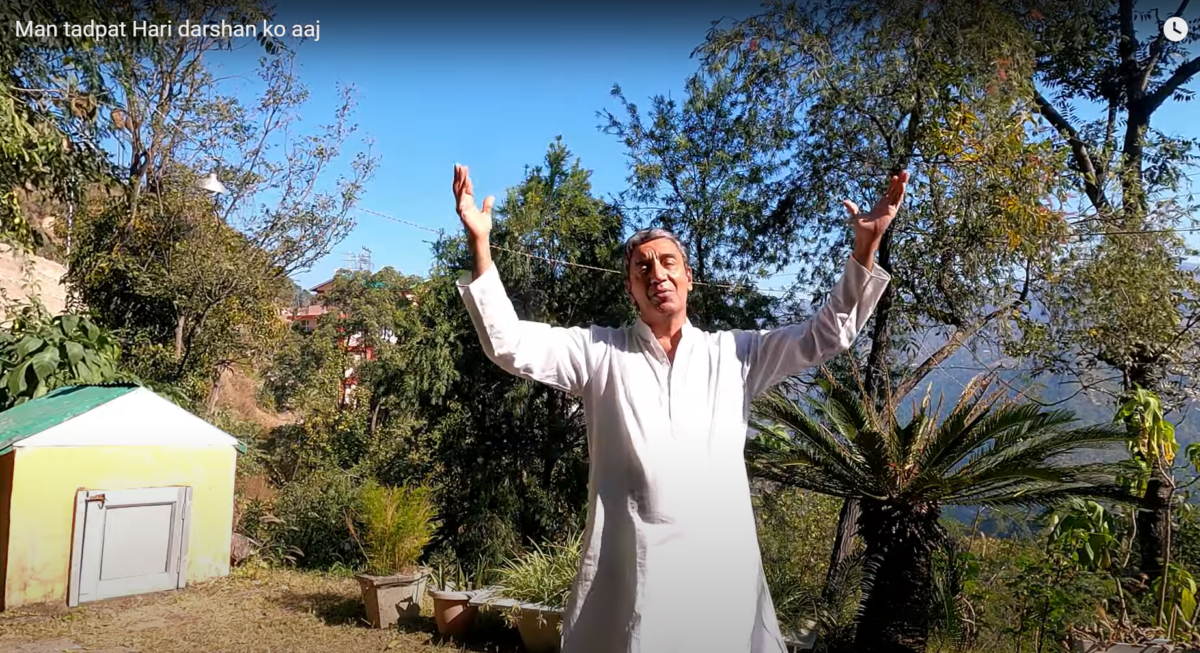
Man tadpat Hari darshan ko aaj
Raag Malkauns, Tintal
Today’s song is in Raag Malkauns or Malkaush and Tal Tintal. Malkaush is another raag dedicated to Lord Shiva like Bhairav. Indeed, it belongs to Bhairavi Thaat. The name Malkaush is derived from the combination of Mal and Kaushik, which means he who wears a garland of snakes; ie, Shiva. It is believed that the raaga was composed by Lord Shiva’s wife Parvati to calm him down. As a matter of interest all pentatonic raagas belong to Shaivait musical school and so does Malkaush.
Now that we know a little more about the Jati of a raaga, it is of pentatonic scale both in ascending and descending scales; that is Audhav-Audhav. The five notes used are: Sa, komal Ga, shuddh Ma, komal Dha, and komal Ni. The two notes that are totally omitted are: Re (Rishab) and Pa (Pancham).
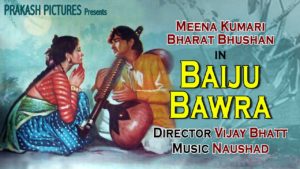 Malkaush is a late night raaga and is calming, soothing and even intoxicating. One would use such a raaga in deep and serious meditation. One of the finest examples of Malkauns in Hindi songs is from the 1952 Vijay Bhatt movie Baiju Bawra that starred Meena Kumari as Gauri and Bharat Bhushan in the title role. The movie got Meena Kumari a Filmfare Award for Best Actress and Naushad Ali his only Filmfare Award for composing the song Tu Ganga ki mauj.
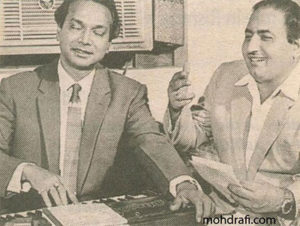
Naushad Ali was one of the greatest music directors in Hindi films. He is one of the three music directors (the other two being Pankaj Mullick and RC Boral) who have been given the highest award in cinema: the Dadasaheb Phalke Award. He has been credited with having introduced Raaga based songs in Hindi movies. Indeed, in the movie Baiju Bawra, each of the 13 songs have been based on some raaga or the other.
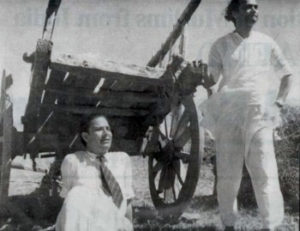
As was often the case, the greatest songs of Naushad were penned by my favourite lyricist: Shakeel Badayuni. Also, as was often the case, their songs were sung by the best singer that we ever had: Mohammad Rafi (Please also read: ‘The Best Of Old Hindi Songs – Rafi, Shakeel, Naushad And Dilip Kumar Together’).
This is also one of the best bhajans in Hindi movies ever made and fits well with the description of Raag Malkaush that I have given: serious, meditative, soothing and calming.
Please enjoy: Man tadpat Hari darshan ko aaj….
मन तड़पत हरि दरसन को आज
मोरे तुम बिन बिगड़े सकल काज
आ, विनती करत, हूँ, रखियो लाज, मन तड़पत…
तुम्हरे द्वार का मैं हूँ जोगी
हमरी ओर नज़र कब होगी
सुन मोरे व्याकुल मन की बात, तड़पत हरी दरसन…
बिन गुरू ज्ञान कहाँ से पाऊँ
दीजो दान हरी गुन गाऊँ
सब गुनी जन पे तुम्हारा राज, तड़पत हरी…
मुरली मनोहर आस न तोड़ो
दुख भंजन मोरे साथ न छोड़ो
मोहे दरसन भिक्षा दे दो आज दे दो आज, …
Song #5
Bhooli hui yaadon
Raag Kalyan, Tal Dadra
Lets now make up for not having given you a song in Raag Kalyan, the basic raag of Kalyan Thaat. It is in Tal Dadra.
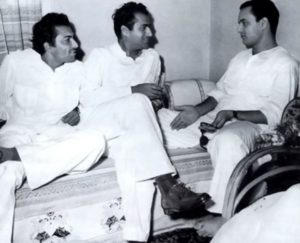
Despite the fact that Madan Mohan‘s first recorded song, in the 1950 movie Aankhen, was sung by Mukesh: Preet lagake maine, Madan Mohan and Mukesh, in 25 years, recorded only nine songs together and were together in just five movies: Aankhen (1950), Samundar (1957), Duniya Na Mane (1959), Sanjog (1961), and Akeli Mat Jaiyo (1963). In Sanjog, Madan Mohan gave Mukesh one of the finest song that the latter is remembered by and I am giving you that today.
Raag Kalyan is the basic raaga of Kalyan Thaat. Its Jati is Sampurna-Sampurna, that is, all seven notes in Aaroha and all seven notes in Avaroha. All the scale notes (called swaras) in the raga are Shuddha, the exception being Teevra Madhyam or prati madhyamam. It is sung during the first prahar of the night, that is, between 6 to 9 PM. Raag Kalyan of Hindustani Music is also known as Raag Yaman in Carnatic Music; however, Raag Yaman Kalyan is a totally different raag. Considered to be one of the most fundamental ragas in the Hindustani Classical tradition, it is thus often one of the first ragas taught to students.
Some of the Hindi films songs composed in raag Shyam Kalyan are:
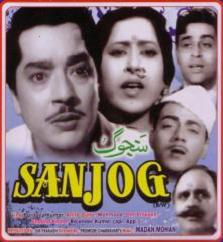
The song Bhooli hui yaadon mujhe itna na sataao is from the 1961 Pramod Chakravorty movie Sanjog that starred Pradeep Kumar and Anita Guha.
The song was penned by Rajendra Krishan and composed by Madan Mohan (Kohli). It was sung by Mukesh, one of the nine of Madan Mohan songs that he sang in 25 years.
Please enjoy in Raag Kalyan, Tal Dadra: Bhooli hui yaadon mujhe itna na sataao….
Song #6
Phir kahin koi phool khila
Raag Desh, Tal Kaherava
Desh, as the name suggests, is a Raaga that is often used for the patriotic fervour such as Vande Mataram. Many of Rabindra Nath Tagore songs (Rabindrasangeet) have been composed in Desh. It is a Raaga that should normally be played during the first quarter of the night.
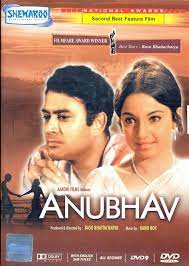 Phool or flower is often compared to blossoming of Love. The last thing that the lovers want is that it should be called infatuation. This is exactly the theme of this Manna De song. This ranks amongst his best. The song is from the 1971 movie Anubhav directed by Basu Bhattacharya and starring Sanjeev Kumar and Tanuja. Lyrics are by Kapil Kumar and music by Kanu Roy. The latter composed it in Raag Desh. You may recall OP Nayyar’s Beqasi hadd se jab guzr jaaye in the same raag.
Please enjoy: Phir kahin koi phool khila, chahat naa kaho isako…
फिर कहीं कोई फूल खिला, चाहत ना कहो उसको – २
फिर कहीं कोई दीप जला, मंज़िल ना कहो उसको
फिर कहीं …
मन का समुंदर प्यासा हुआ, क्यूँ किसी से माँगे दुआ – २
लहरों का लगा जो मेला, तूफ़ां ना कहो उसको
फिर कहीं …
देखें सब वो सपने, खुद ही सजाए जो हमने – २
दिल उनसे बहल जाए तो, राहत ना कहो उसको
फिर कहीं …
I have found that the readers are not able to take in more than six songs at a time in one post. Hence, with this song, I complete the songs of Part I. I hope that you liked my choices and my singing.
Please await songs of Part II.
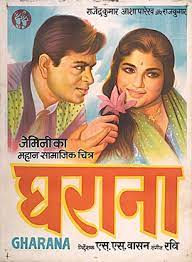 It is from the 1961 SS Vasan movie Gharana starring Raaj Kumar, Rajendra Kumar and Asha Parekh.
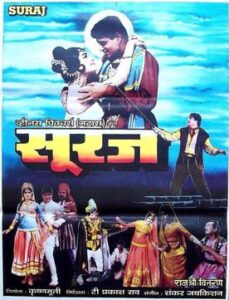 It is from the 1966 T Prakash Rao movie Suraj starring the Jubilee hero Rajendra Kumar and Vyjayanthimala.
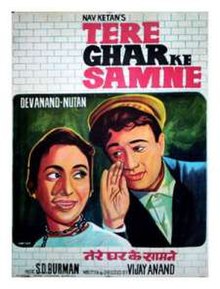 The entire song has been picturised within the Qutab Minar in Delhi. Dev Anand is seen wooing Nutan by this song from one of their four movies together: Tere Ghar Ke Saamne, a Shimla based movie.
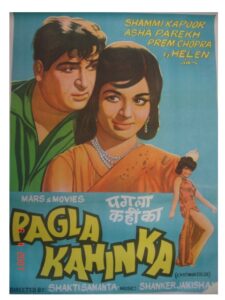 These happen to be the most powerful lyrics penned Hasrat Jaipuri. It is from the 1970 Shakti Samanta movie Pagla Kahin Ka starring Shammi Kapoor, Helen, and Asha Parekh. In a media interview Shammi Kapoor brought out that this was the most challenging role that he enacted.
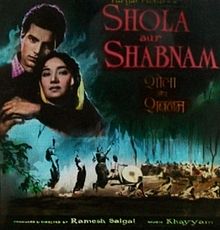 This is the main song of the 1961 Ramesh Sehgal movie Shola Aur Shabnam starring Dharmendra, Tarla Mehta and M Rajan as a triangle. Dharmendra and Tarla were childhood lovers. Dharmendra plays Ravi in the movie! Tarla is Sandhya (By herself, absence of Ravi or Sun). They separate.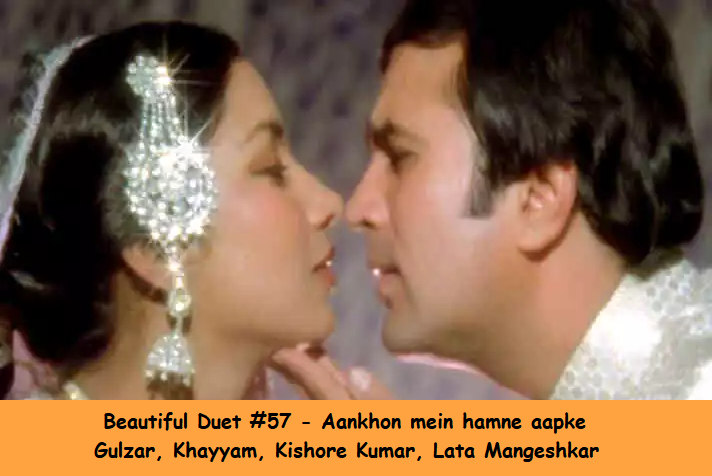
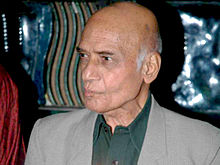 Mohammad Zahur Khayyam was born on 18 Feb 1927 in the village Rahon, near Nawanshahr. This is only 16 Kms away from where I was born some 17 years later. He became famous and I am writing about him.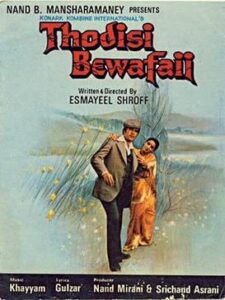
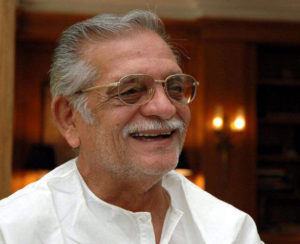
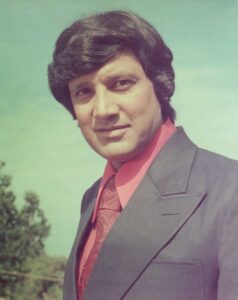 He was a nephew of Dev Anand and had the screen name of Vishal Anand (Dev Anand’s sister was his mother). He produced the 1976 movie Chalte Chalte and decided to act as the hero of the movie opposite Simi Garewal. This was one of the 11 movies that he either produced, directed or acted in.
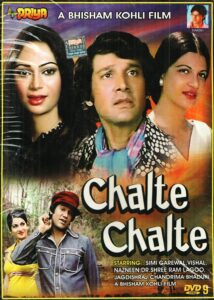 Kohli produced the movie and he had Sunder Das direct it. He as Vishal Anand tried to act in the movie with Simi Garewal.
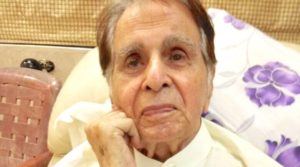 He is 98 years old today and no doubt the entire country awaits to celebrate his hundredth birthday.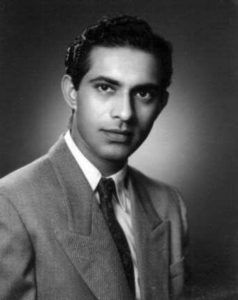
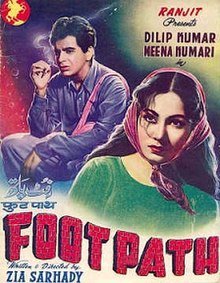
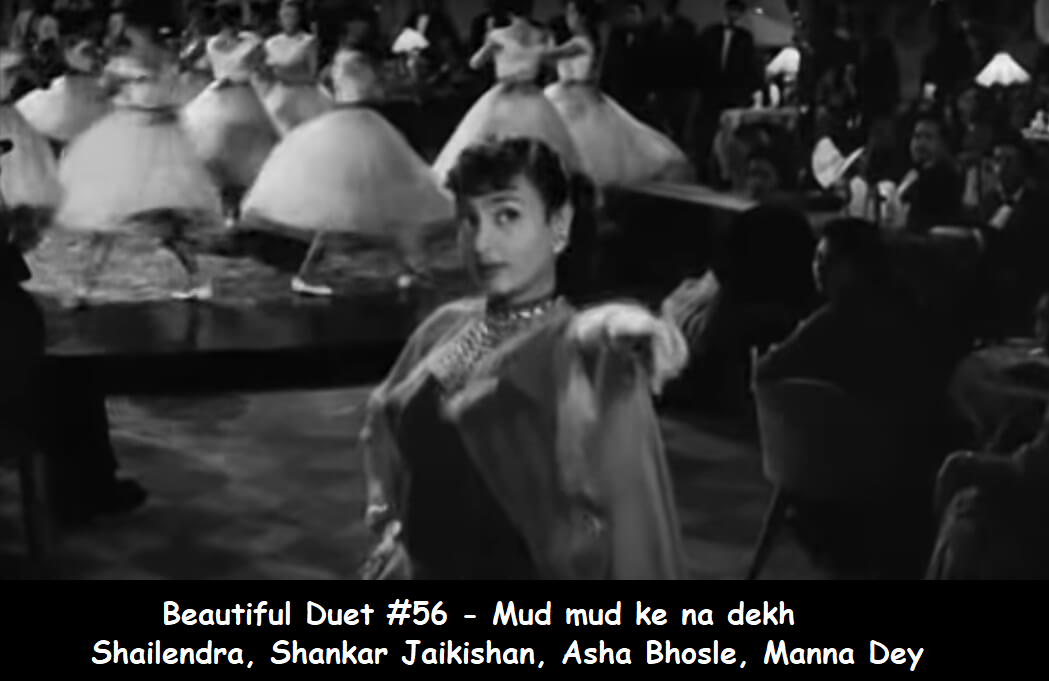
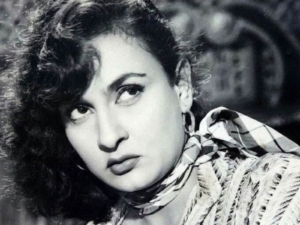 She was born on this date in the year 1932. Her full name was Florence Ezekiel Nadira. As the name suggests, she was a Jew (of a Baghdadi Jewish family).
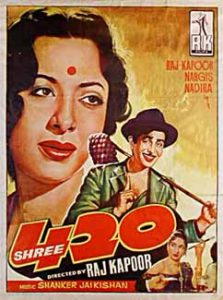 However, the Beautiful Duet that I have taken for you is from the 1955 movie Shree 420, produced and directed by Raj Kapoor. Main lead of the movie were Raj Kapoor and Nargis; Raj Kapoor coming into the city of Bombay from a village but soon learning that being a con man (420) was earning him good life.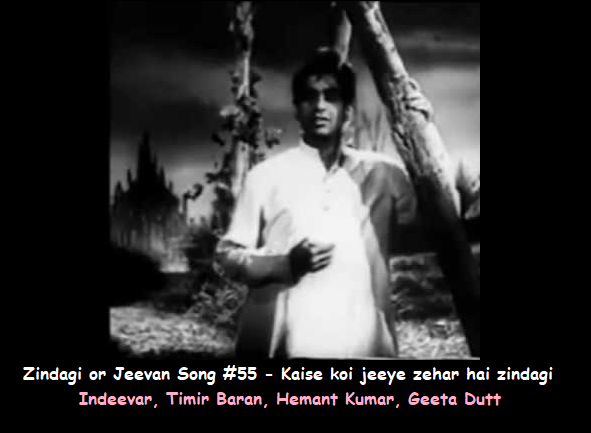
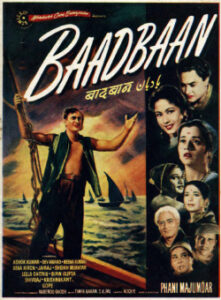
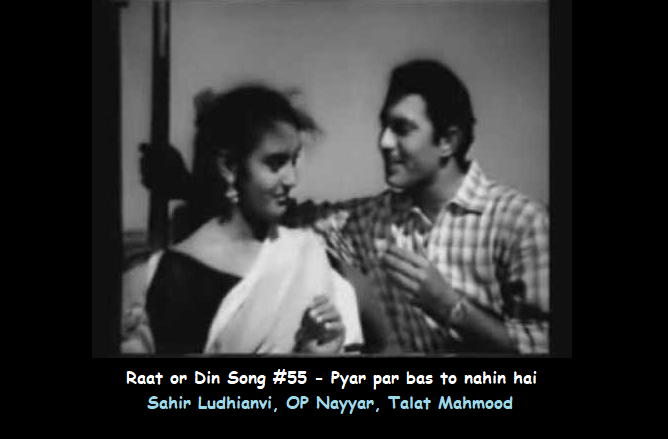
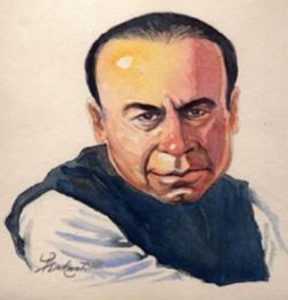 Sahir Ludhianvi, her favourite poet and lyricist is about 37 Kms from the place where I was born (Village Urapur). His poetry and lyrics have, as was the case with most poets and lyricists of that era, a lot of Urdu in them. Now, I studied Urdu in my school. But, then, have someone like behna to appreciate such poetry is delightfully amazing. I have been always inclined towards Love (and not Socialism or even Communism). Hence, by my own inclination, I am more for Shakeel’s poetry than of Sahir. However, I would still place Sahir as an outstanding poet and lyricist. Ye mehlon ye takhton, ye taajon ki duniya, for example, would stay as top-notch poetry for me, if I were to move away from pure Love and into social inequities.
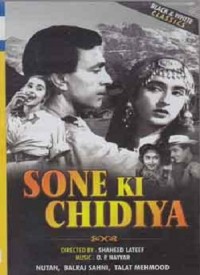 This 1958 movie was directed by Shaheed Latif and starred Talat Mahmood himself in the lead role. Nutan acted opposite him. The title is taken from the destiny of Nutan; as impoverished woman she was neglected by her family. As soon as she became wealthy, they treated her as Sone Ki Chidhiya.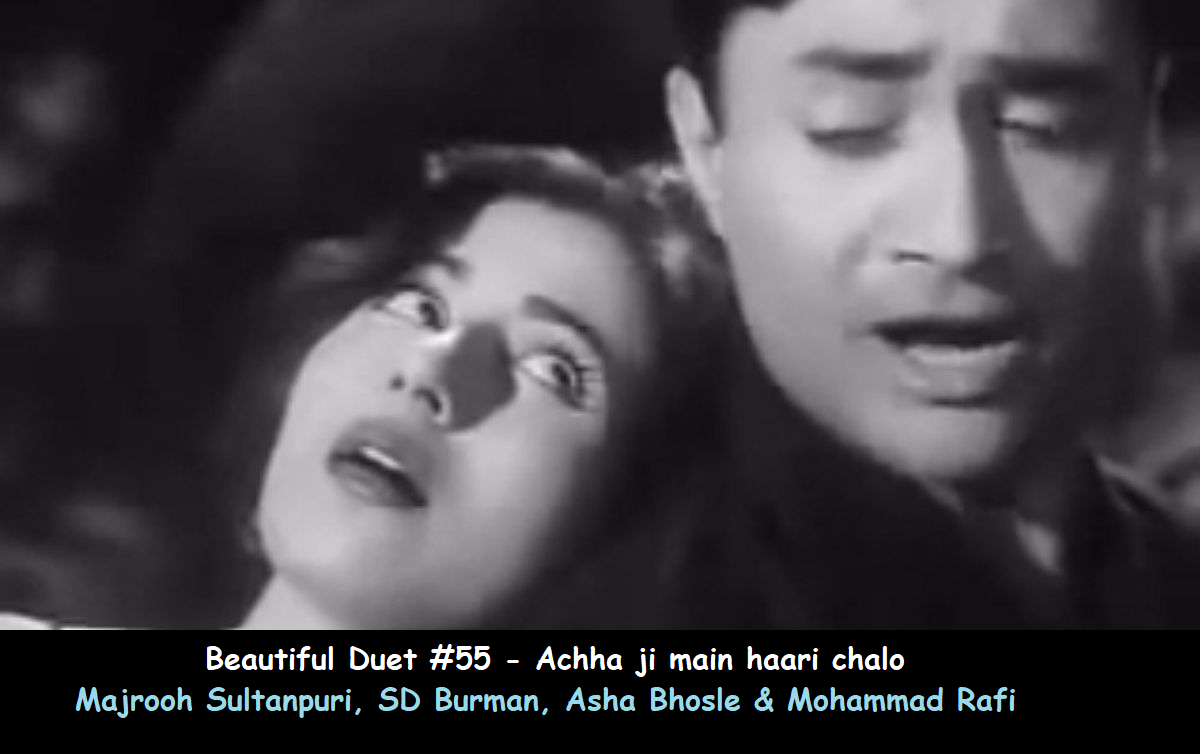
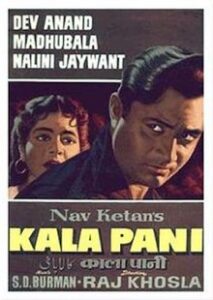 This was the name of the movie produced by Dev Anand’s Navketan Films and directed by Raj Khosla.
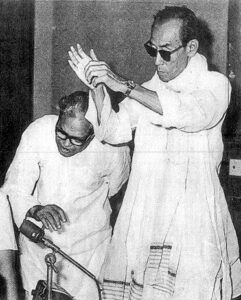 Post 1957 movie Pyaasa when SD Burman developed a rift with Sahir Ludhainvi (after working together for 19 movies), Majrooh moved in with SD Burman to fill the gap. In this movie and this song, therefore, Majrooh’s lyrics were composed by SD Burman, the MD of choice for Dev Anand movies; so much so that Sachin Dev Burman used to insist that his own name had his favourite hero’s name as the middle name.
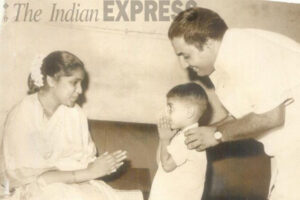 This pair has given us a number of Beautiful Duets. Their best was also picturised on Dev Anand with Raj Khosla’s favourite actress Sadhana: Abhi na jao chhod kar.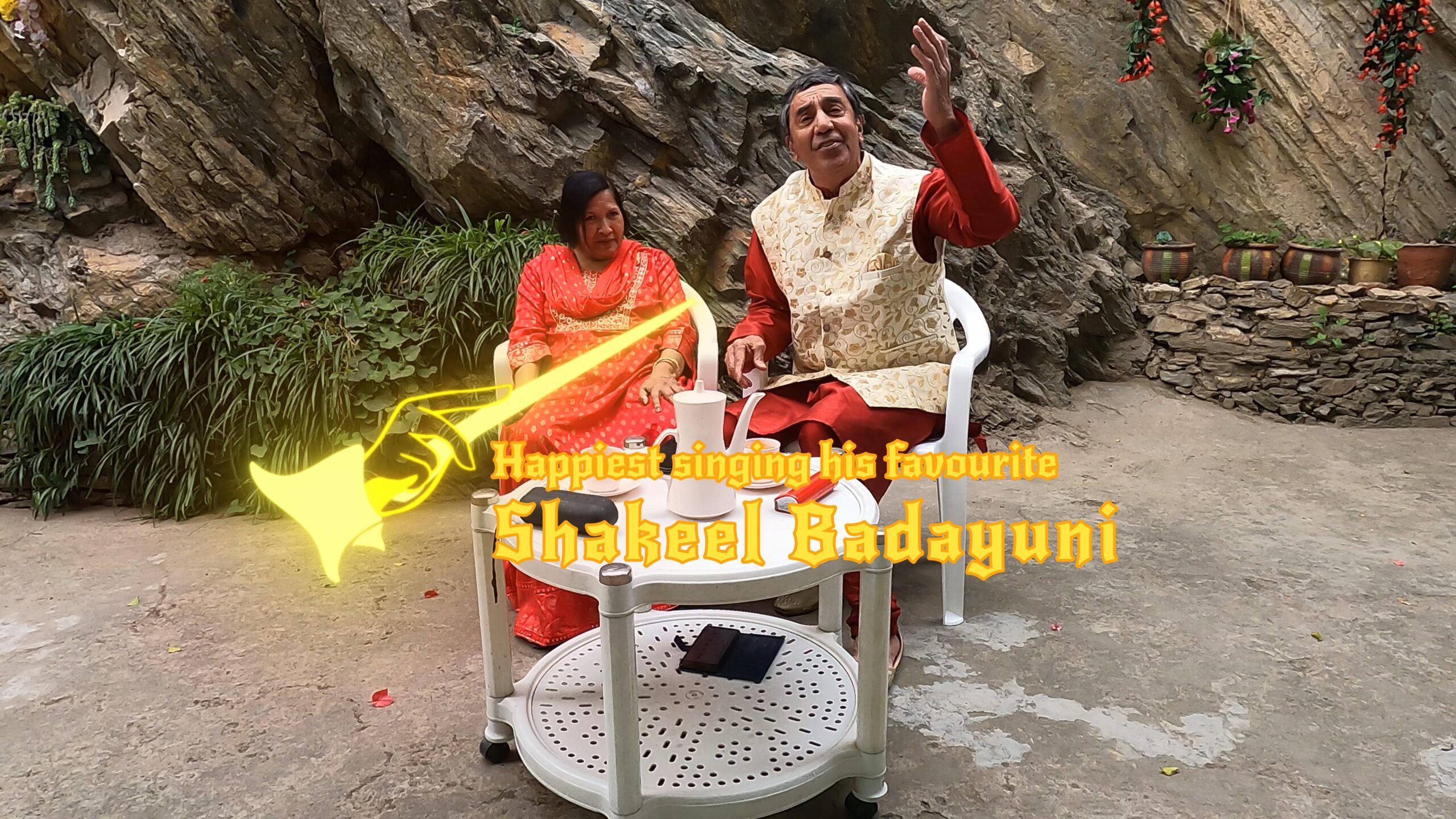
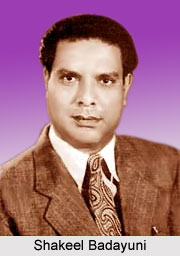 Today is the death anniversary of Shakeel Badayuni, the greatest poet and lyricist. I have penned more than 20 blogs on him. He continues being my favourite. One of the reasons is that the emotions of his songs, ghazals, and nazams come closest to my own.
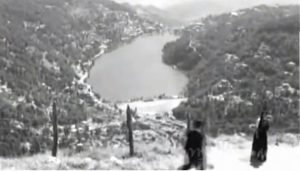
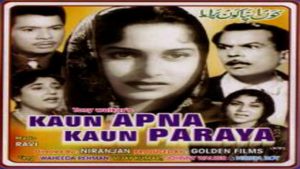 It was composed by Ravi in my favourite Raag Pahadi. Mohammad Rafi sang it. The song was picturised on Vijay Kumar and Waheeda Rehman in the hill station of Nainital for the 1963 movie Kaun Apna Kaun Praya.
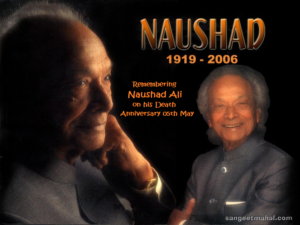 the 1952 Vijay Bhatt movie Baiju Bawra for which the composer and music director Naushad received the only Filmfare Award in his career. Later, he was honoured by the Government of India by bestowing on him Dadasaheb Phalke Award, the highest in India in cinematic excellence.
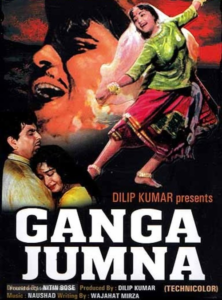 I would call this as an iconic song from the 1961 Nitin Bose (Dilip Kumar production) movie Gunga Jumna starring Dilip Kumar and Vyjayanthimala.
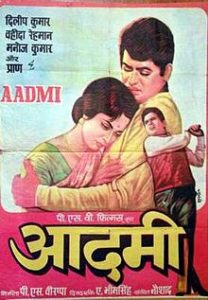 song put together by Shakeel, Naushad and Rafi for the 1968 movie Aadmi starring Dilip Kumar, Waheeda Rehman, and Manoj Kumar.
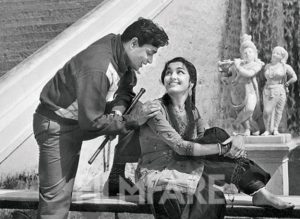 It was filmed for the 1961 SS Vasan (Gemini Productions) super-hit movie Gharana starring Rajendra Kumar and Asha Parekh.
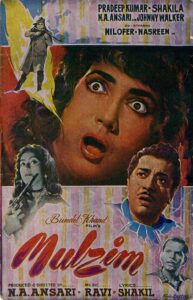 It is from the 1963 movie Mulzim starring Pradeep Kumar and Shakila.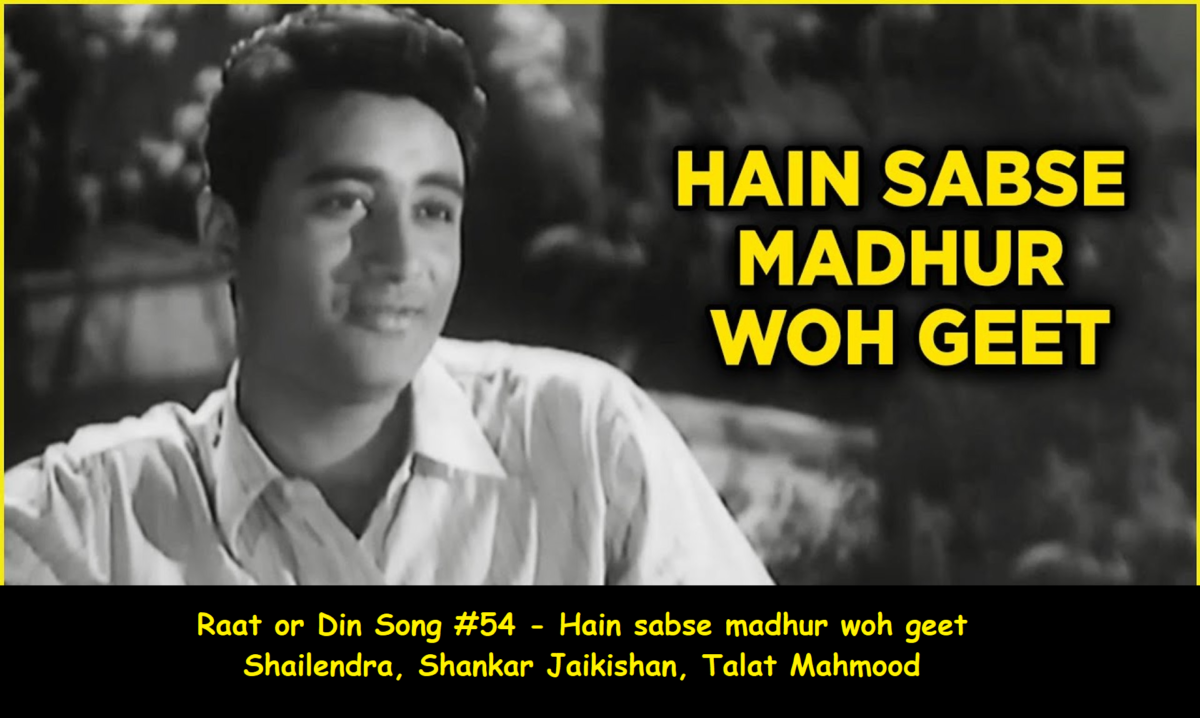
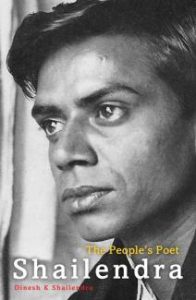 I am not saying it; the lyrics of the song say it! It is a literal translation of Shelley’s famous quote: “Our sweetest songs are those that tell of the saddest thought.”
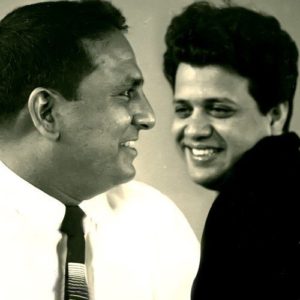 There is no doubt in my mind that they were the wizards of good music and good compositions. The 1953 movie Patita, an Amiya Chakrabarty movie starred Dev Anand and Usha Kiran in the lead roles. There was nothing unique about Dev Anand’s do-gooder role. He had perfected it in Maya too, in 1961 and many others. Hindi films industry has a way of categorising you for certain roles; as indeed it did in making Amitabh Bachchan an ‘Angry Young Man’.
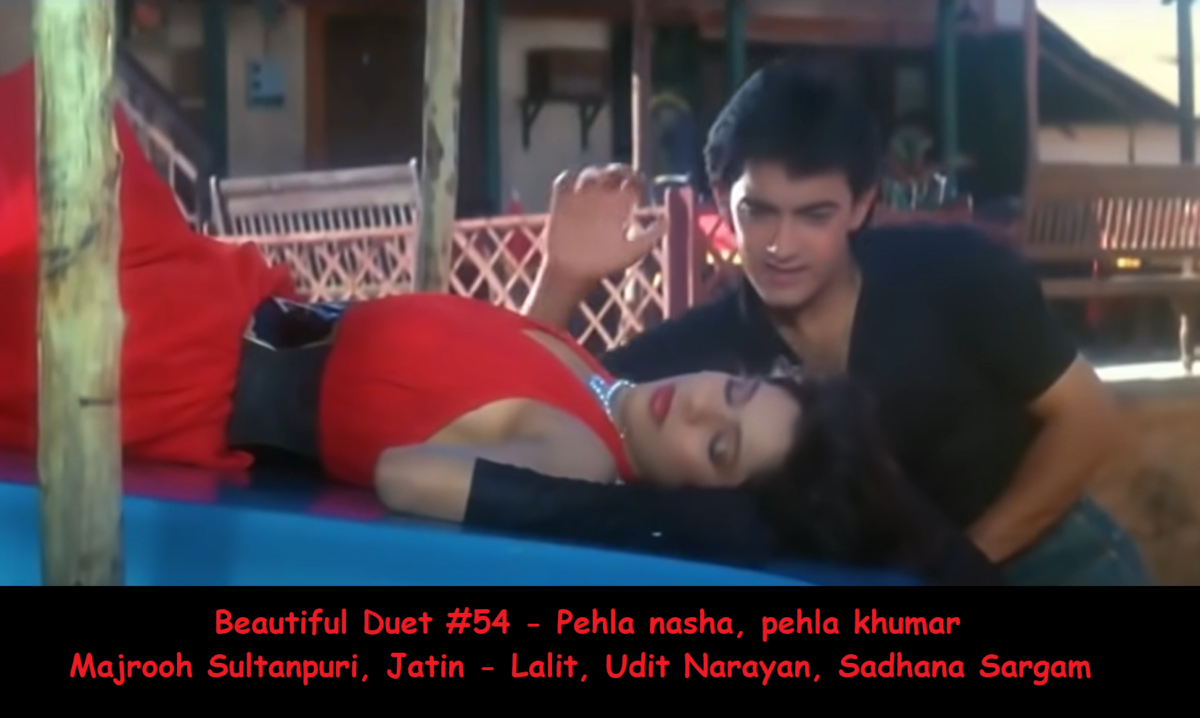
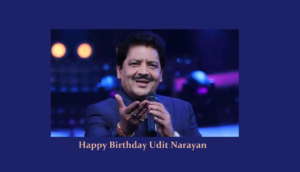 As I mentioned in the Zindagi or Jeevan song of today: O paalanhare, nirgun aur nyaare, Udit Narayan was born on this day in 1955. One of his early high-points was to be able to sing with Mohammad Rafi in the 1980 movie Unees Bees. He later sang even with Kishore Kumar.
 Instead of giving my own poetry at this stage, I want to give you his song about pehla pyaar, 36 years ago, in the 1956 Raj Khosla movie C.I.D., the debut movie of Waheeda Rehman, though this song is picturised on Dev Anand and Kalpana Kartik: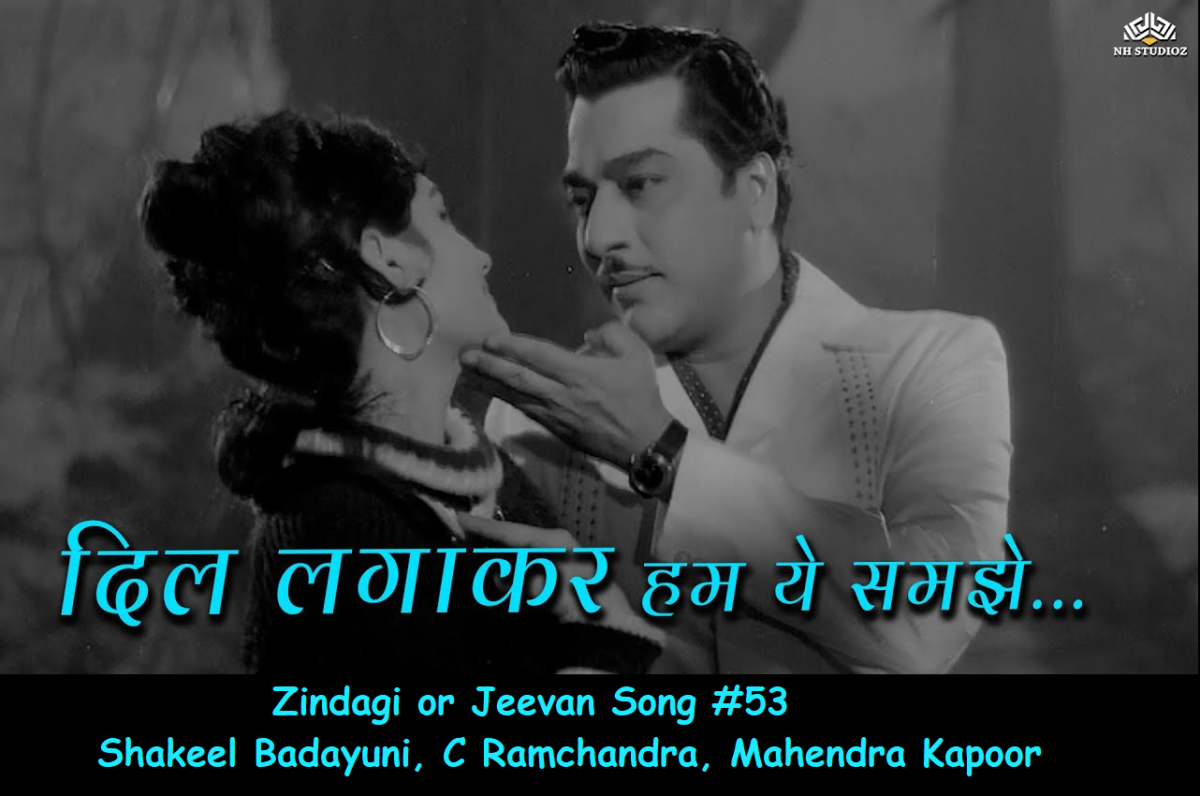
 Truly, the only Zindagi that you experience is when you are in Love. Look at the difference between us Indians and the English as Ian Fleming wrote in a Jemes Bond novel, “You only live twice; once when you are born and once when you look death in the face.” Whereas, we Indians consider Zindagi as the one spent in love.
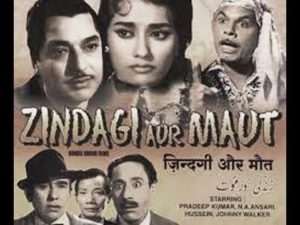 It is from the 1965 movie Zindagi Aur Maut directed by Nisar Ahmad Ansari and starring Pradeep Kumar and Faryal.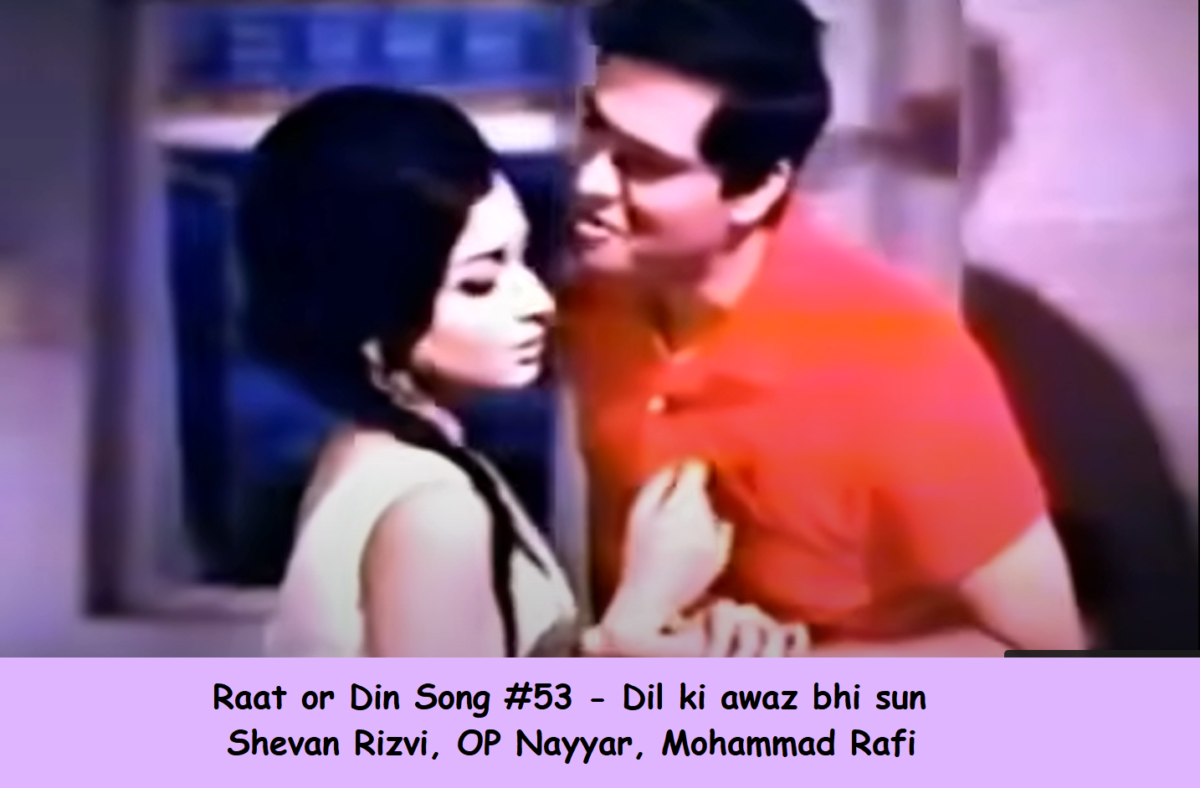
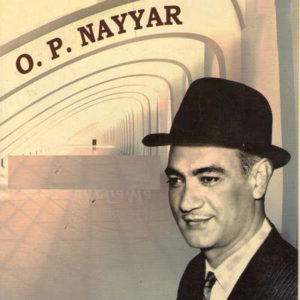 I had promised you a lot more songs from Omkar Prasad Nayyar and here I am again. You will see that the more you see the range of his songs and quality of his compositions, the more you’ll be convinced that he ranks among the greatest composers and music directors that the Hindi films have seen. His being the Music Director of a movie, invariably assured its success. Take this 1968 movie Humsaya from where I have taken this song and you’ll know what I mean:
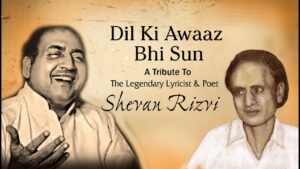 OP Nayyar’s favourite, SH Bihari, was one of the lyricist of the above songs. Hasrat Jaipuri too. However, this song was penned by Shevan Rizvi.
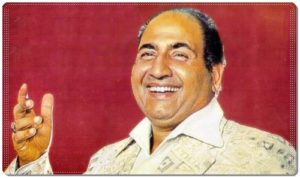 Gradually, people in this group are realising that Mohammad Rafi was the God of Songs. He sang at levels that were unimaginable by others. In every song, including this, his singing was the fastest way to transport the emotions of the song in you.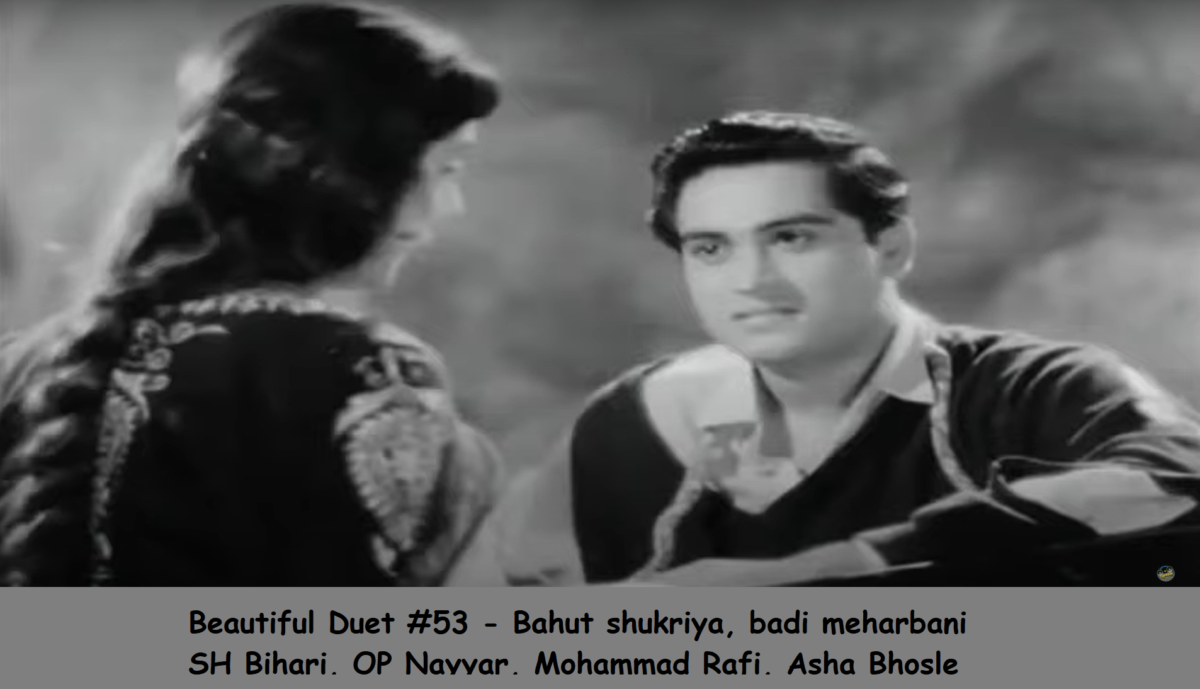
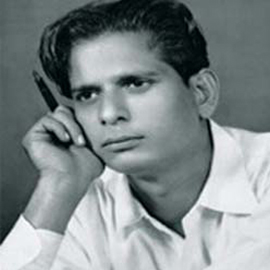 Shamsul Huda Bihari, born in Arrah, Bihar, must rank amongst the most underrated lyricists in the Hindi films industry. And yet, it is pleasantly surprising to see the range and popularity of his songs.
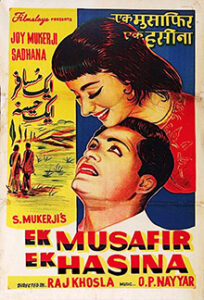
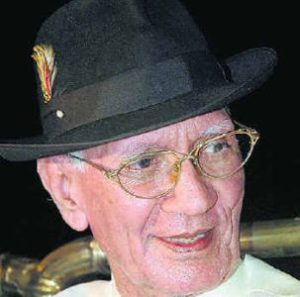 As far as OP Nayyar is concerned, he made all hit songs that include Bahut Shukriya Badi Meherbani, and Mujhe Dekhkar Aapka Muskurana (Ek Mussafir Ek Haseena, 1962); Diwana Huwa Badal, Hai Duniya Usi Ki, Isharon Isharon Mein Dil Lene Waale, Meri Jaan Balle, Phir Thes Lagi Dil Pe, Subhan Allah, Tarif Karun Kya Uski, Kisi Na Kisise Kabhi Na Kabhi, and Balamaa Khulii Havaa Mein (Kashmir Ki Kali, 1964); “Yehi Woh Jagah Hai, Phir Miloge Kabhi, Is Baat Ka Wada Karlo, Aap Se Maine Meri Jaan Mohabbat Ki Hai, Main Shayad Tumhare Liye Ajnabi Hoon, and Mera Pyar Woh Hai Ke (Yeh Raat Phir Na Aayegi, 1966); Zara Haulle Haulle Challo Mere Sajna, Zulfon Ko Hata Le Chehre Se, Aaj Koi Pyar Se, Meri Jaan Tum Pe Sadhke, Jo Dil Ki Tadap Na Jane, and Khuda Huzoor Ko Meri Bhi Zindagi De De (Sawan Ki Ghata, 1966); Raaton Ko Chori Chori, Na Jaane Kyon, Mehfil Mein, Tumhari Mulaqat Se, Yeh Purnoor Chehra, Nazar Nazar Se Milaao, Tum Sab Se Haseen Ho and Kyar Cheez Ho Zaalim (Mohabbat Zindagi Hai, 1966); Chain Se Hamko Kabhi Aapne Jeene Na Diya, and Ek Tu Hai Piya Jis Pe Dil Aa Gaya (Praan Jaaye Par Vachan Na Jaaye, 1974); Badan Gora Haseen Jalwe Tumko Deewaana Meri Jaan,Ghar Apna Bangaal Aur Bambai Mein Hai Sasuraal, Gham Yateemon Ke Jaisa Bhi Sansaar Main Koi Bachcha, Kisko Gale Lagaaye Dil Kiska Todiye, Pyaar Bhara Kajara Aankhiyon Mein Daal Ke, Saaqi Ki Nigaahon Seae Jee Hoga Kya Aage and Zulf Lehraayi To Saawan Ka Mahina Aa Gaya (Khoon Ka Badla Khoon, 1978).