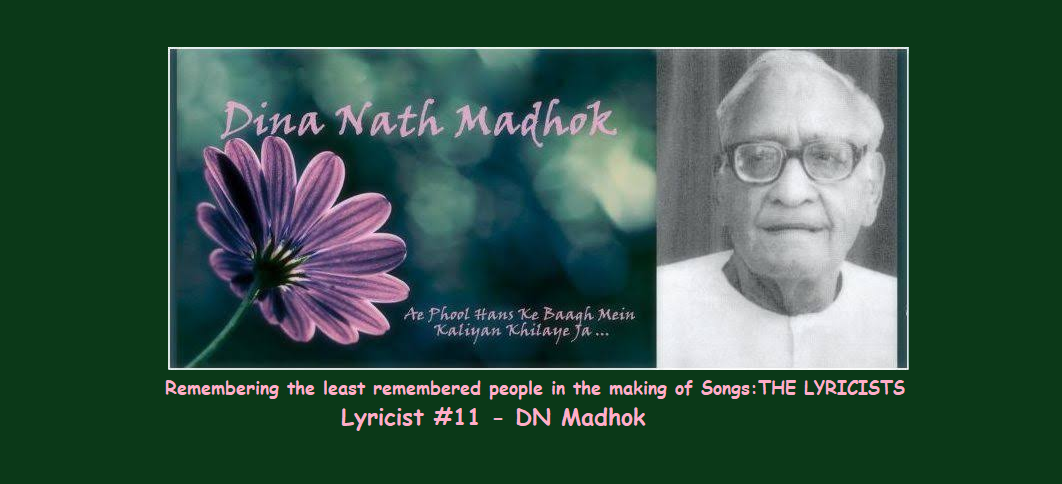
As with all posts on Lyricists, these posts are a compilation of my daily posts on my Facebook page Lyrical.
I hope you liked my choice of songs for Part I.
Lets begin taking up songs for Part II.
Day #10, Song #28
Genda samajh ke uchhalo na sajaniya
On the tenth day, we come to 18th movie of his career that started with the 1932 Radhey Shyam: the 1941 movie Ummeed, a Manibhai Vyas movie starring Ishwar Lal, Prabha, Neela, Noor Jehan, Inayat, Ibraham, and Bhagwan Das.
He paired with the great Khemchand Prakash again and made the following songs:
1. Bandhu Re Mere Bandhu Re
2. Aaja Aaja O Jane Wale
3. Haan Ambva Pe Bole Koyaliya
4. More Aangan Me Aaja Piya
5. Jivan Ka Balidan Kar De
6. Genda Samajh Ke Uchalo Na Sajaniya
7. Jaago Ji Nandlal
8. Motor Dhire Dhire Hank Re Driver
Song #6 was sung by Noor Jehan and Ishwar Lal, both acting in the movie.
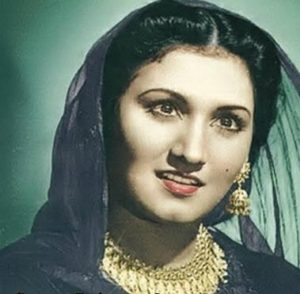 Noor Jehan was born on 23 Sep 1926 and hence she was only 14 years old when she acted and sang in this movie. She had begun her career as a child artiste in 1935 Punjabi movie Pind Di Kudi and hence this role was her first adult role before she acted as the main lead opposite Pran in the 1942 movie Khandan.
Please enjoy Noor Jehan and Ishwar Lal singing: Genda samajh ke uchhalo na sajaniya…
Day #10, Song #29
Madhukar Shyam hamare chor
With the first movie of 1942, DN Madhok tasted unprecedented success.

The movie’s name was Bhakta Surdas; a Chaturbhuj Doshi movie starring KL Saigal in the first movie after he moved to Bombay from Calcutta.
All this while, most of the movies for which I have given you songs was Ranjit Moviestone productions. The company began production of silent films in 1929 under the banner Ranjit Film Company and by 1932 (when DN Madhok began his career) had made 39 pictures, most of them social dramas. The company changed its name to Ranjit Movietone in 1932 and during the 1930s produced numerous successful talkies at the rate of about six a year. At this time, the studio employed around 300 actors, technicians and other employees. It packed up in 1960s.
Bhakta Surdas was produced under the banner Ranjit Studios. It starred, as I told you, KL Saigal, Khursheed, Monica Desai, Nagendra, M. Saigal and N. Desai.
The movie had 13 songs in all; all penned by DN Madhok and all composed by Gyan Dutt:
1 “Nainheen Ko Raah Dikha Prabhu” K. L. Saigal
2 “Nis Din Barsat Nain Hamaare” K. L. Saigal
2 “Kadam Chale Aage Man Paachhe Bhaage” K. L. Saigal
3 “Madhukar Shyaam Hamaare Chor” K. L. Saigal
4 “Maiya Mori Mai Nahi Makhan Khayo” K. L. Saigal
5 “Din Se Dugunee Ho Jaye Ratiya Hai” K. L. Saigal
6 “Rain Gayi Ab Hua Savera” K. L. Saigal
7 “Manwa Krishna Naam Rate Ja” K. L. Saigal
8 “Madhur Madhur Gaa Re Manawa” Khursheed
9 “Chandani Rat Aur Tare Khile Ho” Khursheed, Saigal
10 “Sar Pe Kadamb Ki Chhainya Muraliya Baje Re” Saigal, Rajkumari
11 “Panchhi Bawara Chand Se Preet Lagaaye” Khursheed
12 “Naina Re Dekhe Unake Nain” Khursheed
13 “Jis Jogi Ka Jog Liya” Khursheed, Saigal
As you would have guessed it, we shall be spending quite some time on these songs.
Lets start with the best song of the movie sung by KL Saigal.
Please enjoy: Madhukar Shyam hamare chor…
madhukar shyaam hamaare chor
madhukar shyaam hamaare chor
madhukar shyaam hamaare chor
madhukar shyaam hamaare chor
man har lino maadhuri murat
man har lino maadhuri murat nirakh nain ki kor
shyaam hamaare chor chor
shyaam hamaare chor
madhukar shyaam hamaare chor
sir pe jaake mukat suhaaye
sir pe jaake mukat suhaaye
maathe tilak nain kajaraare
maathe tilak nain kajaraare
mukh sudar jyun bhor
shyaam hamaare chor chor
shyaam hamaare chor
madhukar shyaam hamaare chor
surdas ke chor kanhaiya manmohan murali ke bajaiya
surdas ke chor kanhaiya manmohan murali ke bajaiya
manmohan murali ke bajaiya
natakhat nandakishor, chor
shyaam hamaare chor
madhukar shyaam hamaare chor
shyaam hamaare chor
shyaam hamaare chor
shyaam hamaare chor
madhukar shyaam hamaare chor
Day #10, Song #30
Nainheen ko raah dikha prabhu
Today has been a very good day so far. In the first song, I covered for you the first song of Noor Jehan on the lyrics of DN Madhok as an adult; a duet with Ishwarlal (his last movie in 1941: Ummeed): Genda samajh ke uchhalo na sajaniya. After that I covered one song from KL Saigal’s first movie after he moved to Bombay from Calcutta: Bhakta Surdas: Madhukar Shyam hamare chor.
Let’s end tonight with a bhajan that was sung by KL Saigal and became very popular.
Please enjoy: Nainheen ko raah dikha prabhu…
nain hi ko rah dikha prabhu nain hi ko rah dikha prabhu
pag pag thokar khau mai
nain hi ko rah dikha prabhu pag pag thokar khau mai
nain hi ko
tumhari nagariya kee kathin dagariya
tumhari nagariya kee kathin dagariya
chalat chalat gir jau mai prabhu
nain hi ko rah dikha prabhu pag pag thokar khau mai
nain hi ko rah dikha prabhu
chahu or mere ghor andhera bhul naa jau dwar teraa
chahu or mere ghor andhera bhul naa jau dwar teraa
ek bar prabhu hath pakad lo
ek bar prabhu hath pakad lo
ek bar prabhu hath pakad lo
mann kaa dip jalau mai, prabhu
nain hi ko rah dikha prabhu pag pag thokar khau mai
nain hi ko
Day #11, Song #31
Panchhi bawara chand se preet lagaye
We had, on the 10th Day, started with the songs of the 1942 Chaturbhujh Doshi movie Bhakta Surdas starring KL Saigal in the title role.
We also took up two out of 13 beautiful songs composed by the great Gyan Dutt and sung by the great KL Saigal: 1. Madhukar Shyam hamare chor and 2. Nainheen ko raah dikha prabhu.
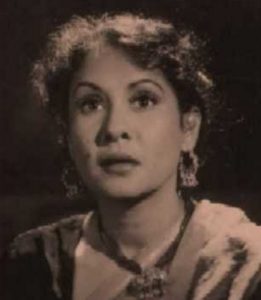 Today, we start with a delightful song sung by Khursheed Bano. The video is of course not from this movie.
Please enjoy: Panchhi bawara chand se preet lagaye…
panchhi baawra
panchhi baawra
chand se prit lagaye
chand se prit lagaye
panchhi baawra
chand se prit lagaye
chand se prit lagaye
saya dekh nadi me murakh
phula nahi samaye
saya dekh nadi me murakh
phula nahi samaye
wo harjaai taaro ke sang
wo harjaai taaro ke sang
apni rass rachaye
chand se prit lagaye
panchhi baawra
kaun bataye tujhe chakora
kaun bataye tujhe chakora
gore man ke kaale
kaun bataye tujhe chakora
gore man ke kaale
jyun-jyun prit badhayega tu
jyun-jyun prit badhayega tu
tyun-tyun wo ghat jaye
chand se prit lagaye
panchhi baawra
chand se prit lagaye
chand se prit lagaye
panchhi baawra
Day #11, Song #32
Rain gayi ab hua savera
We have already taken up three songs out of 13 from the 1942 Churbhujh Doshi movie Bhakta Surdas with KL Saigal in the title role.
Let’s take another beautiful song penned by DN Madhok, composed by Gyan Dutt and sung by KL Saigal.
Please enjoy: Rain gayi ab hua savera…
rain gayi ab huaa savera, yaad teri ne ghera hai
rain gayi ab huaa savera, yaad teri ne ghera hai
rain gayi ab huaa savera
tumase nain lagake saajan, tumase nain lagake saajan
duniya se munh phera hai, rain gayi ab hua savera
tum to dil ki dhadakan banake, dil me aake baith gaye
tum to dil ki dhadakan banake, dil me aake baith gaye
is ghar ko jo kho baitha hai, is ghar ko jo kho baitha hai
us ka kaun basera hai, rain gayi ab hua savera
man ke panchhi soch-samajh le, vo jaadu ki nagari hai
man ke panchhi soch-samajh le, vo jaadu ki nagari hai
sambhal sambhal kar ghar aana, nazaro ne jaal bakhera hai
rain gayi ab hua savera, yaad teri ne ghera hai
rain gayi ab hua savera
Day #11, Song #33
Chandani raat aur taare khile hon
We have already taken up four songs of the 13 from the 1942 Chaturbhuj Doshi movie Bhakta Surdas.
As I said, this was the first movie of KL Saigal after he moved to Bombay. He became known as the singing-star after the movie.
This movie was also the first big success of Khursheed Bano.
Hence, before I end today, let me give you a song sung by both KL Saigal and Khursheed Bano.
Please enjoy: Chandani raat aur taare khile hon…
chandani raat aur tare khile ho
chandani raat aur tare khile ho
chandani raat aur tare khile ho
taro ki chhaiya me do dil mile ho
taro ki chhaiya me do dil mile ho
chandani raat aur tare khile ho
chandani raat aur tare khile ho
badariya me chanda ghadi bhar ko jaye
badariya me chanda ghadi bhar ko jaye
koyi mere kano me kuchh kehne aaye
koyi mere kano me kuchh kehne aaye
manu toh hans de, na manu toh ruthe
manu toh hans de, na manu toh ruthe
duniya jise chahe woh silsile ho
duniya jise chahe woh silsile ho
chandani raat aur tare khile ho
chandani raat aur tare khile ho
mai chup hu, mai chup hu toh unka jiya baitha jaye
mai chup hu, mai chup hu toh unka jiya baitha jaye
mai toku, mai toku toh unka jiya talamalaye
kabhi mai manayu kabhi woh manaye
kabhi mai manayu kabhi woh manaye
nigahe mile gul sare khile ho
kabhi mai manayu kabhi woh manaye
chandani raat aur tare khile ho
chandani raat aur tare khile ho
taro ki chhaiya me do dil mile ho
taro ki chhaiya me do dil mile ho
chandani raat aur tare khile ho
chandani raat aur tare khile ho
Day #12, Song #34
Tu kaunsi badli mein mere chand hai aaja
I am sorry for the long break from 21st Feb due to my sickness. Even though I am still sick, here I am in a limited way.
We took up four songs of the 1942 movie Bhakta Surdas composed by Guan Dutt.
His next movie in 1942 was Jhankar, a S Khalil movie starring Chandra Mohan, Pramila and Azurie. Bashir Dehlvi composed following songs penned by DN Madhok:
1. Kahe Ko Byahi Bades Ri Lakhi Babul
2. Hum To Do Bol Kehke Hare Hai
3. Jaao Ji Mere Babu Ji Tumse Na Bolenge
4. Naino Me Aaja
5. Raat Haneri Mahi Ve Vach Chamakan Tare
6. Dil Ki Dhadkan Par Gaa
7. Is Dil Ka Thikana Kaun
8. Naihar Se Mai Chali Peehar Ko
9. Padosan Ka Ladka More Mann Bhaye
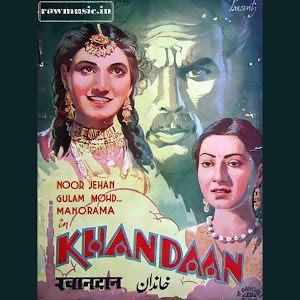
His next movie in 1942 was Khandaan; a Shaukat Hussain Rizvi movie starring Pran, Noor Jehan, Ghulam Mohammad and M Ajmal.
“It was written by author Imtiaz Ali Taj and made in Pancholi’s Lahore studio. For the first time in British India, there was a lot of “ahead of film release” publicity for this film. As a result, this became a much-awaited film for the Indian public and became a hit film when released.”
Ghulam Haider composed the following songs penned by Deena Nath Madhok and these were very well received:
1. “Mere Liye Jahan Mein Chaen Hai Naa Qaraar Hai” – Noor Jehan
2. “Tu Kaunsi Badli Mein Mere Chand Hai Aaja” – Noor Jehan
3. “Khelenge Hum Aankh Macholi” – Noor Jehan
4. “Mere Baagh Ka Mali Phir Aagaya” – Shamshad Begum
5. “Maar Gayi Re Hamein Teri Nazaria” – Noor Jehan
6. “Udja Udja Panchhi Udja” – Noor Jehan & Ghulam Haider
7. “Chalo Paniya Bharan Ko Chalein” – Shamshad Begum & Nasim Akhtar
8. “Mere Mann Ka Panchhi Kyun Bole” – Noor Jehan
9. “Meri Ammi Ka Raj Bhala” – Shamshad Begum
Lets start with the best song of the movie sung by Noor Jehan.
Please enjoy: Tu kaunsi badli mein mere chand hai aaja…
tu kaun si badli me mere chand hai aa ja
tu kaun si badli me mere chand hai aaja
tare hai mere jakhme jigar in me sama ja
tare hai mere jakhme jigar in me sama ja
tu kaun si badli me mere chand hai aaja
dil dhund raha hai dil dhund raha hai
ke mera chand kaha hai
dil dund raha hai dil dund raha hai
ke mera chand kaha hai
choti si jhalak de ke meri id banaja
choti si jhalak de ke meri id banaja
tare hai mere jakhme jigar in me sama ja
tare hai mere jakhme jigar in me sama ja
tu kaun si badli me mere chand hai aaja
pehlu me liye
haye pehlu me liye baithi hu mai
dard bhara dil pehlu me liye
haye pehlu me liye baithi hu mai
dard bara dil mar jau ya jiti rahu
ye to bata ja mar jau ya jiti rahu
ye to bata ja tare hai mere jakhme jigar
in me sama ja
tare hai mere jakhme jigar in me sama ja
tu kaun si badli me mere chand hai aaja
tare hai mere jakhme jigar in me sama ja
tu kaun si badli me mere chand hai aaja
Day #12, Song #35
Mere liye jahanm mein chain na karaar hai
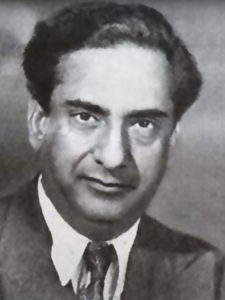 After a long absence due to my sickness, I am somewhat back and we started off with songs of the 1942 movie Khandaan that were composed by Ghulam Haider.
The first songs that we took up was sung by Noor Jehan: Tu kaun si badli mein mere chand hai aaja.
The second one too was sung by Noor Jehan.
Please enjoy: Mere liye jahanm mein chain na karaar hai…
mere liye jahan me mere liye jahan me
chain hai na karar hai mere liye jahan me
chain hai na karar hai dil me hai bekarariya
dil me hai bekarariya aankho me intejar hai
dil pe jara si thes di dil pe jara si thes di
yas ka rang bhar diya dil pe jara si thes di
yas ka rang bhar diya dhire se mukura diye
dhire se mukura diye kehne lage ye pyar hai
mere liye jahan me chain hai na karar hai
aankho me fir utar gaya aankho me fir utar gaya
duniya ka dard bhar gaya aankho me fir utar gaya
duniya ka dard bhar gaya thame jigar sune koi
gana nahi pukar hai mere liye jahan me
chain hai na karar hai dil me hai bekarariya
dil me hai bekarariya aankho me intejar hai
Day #12, Song #36
Pee le pee le more raja pee le
After a long absence from this page, I have already given you two delightful songs sung by Noor Jehan for the 1942 movie Khandaan that were composed by Ghulam Haider.
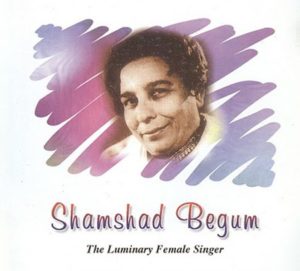 And now we have a song sung by Shamshad Begum.
Please enjoy: Pee le pee le more raja pee le…
pi le, pi le ho more raja
pi le, pi le
dojakh se na dar more raja
more raja ho more raja
pi le, pi le ho more raja
pi le, pi le
dojakh se na dar more raja
more raja o more raja
pi le, pi le
angur me rahti thi
angur me rahti thi
dilo me rehti hai o more raja
dilo me rehti hai
aur sanchi chilman se
ho more saiya yu ja ke kehti hai
aur sanchi chilman se
ho more saiya yu ja ke kehti hai
pine ka jamana hai
inkaar na kar
more raja ho more raja
pi le, pi le
more raja pi le, pi le
dojakh se na dar more raja
more raja ho more raja
pi le, pi le
purnur afsaana hai, purnur afsaana hai
?kahani hai, o more raja
?kahani hai
sukh dukh ke budhaape me ha
sukh dukh ke budhaape me
o more saiya ,saiya re
baki kya jawani hai
Day #13, Song #37
Roothna pyar mein hai karwat ka badal jaana
Before we come to his next movie: the 1942 movie Maheman, lets take stock:
Deena Nath Madhok amongst the first generation of Lyricists in Hindi movies, the others being Kavi Pradeep and Kidar Sharma.
Whereas Raja Harishchandra was the first Indian movie in 1913, the first movie with sound was Alam Ara in 1931. Immediately after that, from his 1932 movie Radhey Shyam, we have been following his career.
So far, I have given you 36 of his songs from 21 movies with 221 songs; the last one being nine songs that he wrote for the 1942 movie Khandaan out of which I gave you three.

Lets now turn to his next movie of 1942: Maheman, a Chaturbhuj Doshi movie starring Madhuri, Ishwarlal, Mubarak, Bhagwandas and Shamim.
The great composer Khemchand Prakash composed following songs penned by DN Madhok:
1 “Aayi Atariya Pe Sone Na Sone Diya” Shamim Akhtar
2 “Kya Chain Se Baithe Hain Baichain Mujhe Kar Ke” Rajkumari
3 “Meri Jholi Mein Hain Mere Chor” Rajkumari, Kesari
4 “Daga Deke Chale Nahin Jana” Sunila Das Gupta
5 “Bana Na Taan Gori” Rajkumari
6 “Akele Honge Ri Chal Jamna Ke” Rajkumari, Kesari
7 “Is Ghoomti Duniya Mein Hai Kiska Thikana” Shamim
8 “Roothna Pyar Mein Hai Karwat Ka Badal Jana” Bulo C. Rani
9 “Yeh Mere Bhaiya Yeh Unka Dil Hai” Shamim
10 “Zara Dheere Ho Dheere Sajanwa” Shamim, Rama Shukul
11 “Teer Unke Kaleje Ka Us Paar Nahin Hota” Shamim Akhtar
12 “Saiyan Gaye Pardes Main Soye Rahi” Sunila Das Gupta
Please pay attention to song #8 sung by no other than the composer Bulo C Rani. He too started, like DN Madhok, under the banner of Ranjit Moviestone, but, seven years after him in 1939. Since then he scored music for 71 movies. His death, at the age of 73 years, on 24 May 1993, was a tragedy. Not able to get any assignments, he committed suicide; the fate of a very early composer in Hindi movies.
Lets, therefore, listen to the song sung by him.
Please enjoy: Roothna pyar mein hai karwat ka badal jaana…
Day #13, Song #38
Kya chain se baithe hain bechain mujhe kar ke
Whilst taking stock with the last song from the 1942 Chaturbhuj Doshi movie Mehman, you must have realised how hard life was with the pioneers in production of songs. We learnt that Bulo C Rani, composer in 71 movies, committed suicide in 1993, at the age of 73, since he wasn’t getting any assignments to keep him going.
Now look at the singer Rajkumari Dubey. She was singing in a chorus in Pakeezah when Naushad saw her and realised what a comedown it was for her from being a lead singer in 40s to becoming part of chorus to keep body and soul together.
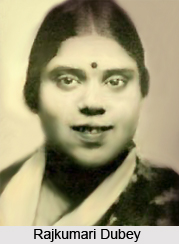 Hence, my second choice of song, from the 1942 movie Mehman is the one sung by Rajkumari.
Please enjoy: Kya chain se baithe hain bechain mujhe kar ke…
kya chain se baithe hai
bechain mujhe kar ke
kya chain se baithe hai
bechain mujhe kar ke
kurban mai ho jau
dekho jo najar bhar ke
kurban mai ho jau
dekho jo najar bhar ke
kya chain se baithe hai
bechain mujhe kar ke
kah do agar sambhala hai
aisa teri ulfat ko
kah do agar sambhala hai
aisa teri ulfat ko
ham aah bhi barte hai
sach kehte hai dar dar ke
ham aah bhi barte hai
sach kehte hai dar dar ke
ek hath jigar pe hai
ek dil ko sambhale hai
ek hath jigar pe hai
ek dil ko sambhale hai
ham teri mohabbat me
jite bhi hai mar mar ke
ham teri mohabbat me
jite bhi hai mar mar ke
Day #13, Song #39
Ye mere bhaiya ye unka dil hai
For the third song (out of 12) of the 1942 Chaturbhuj Doshi movie Mehman (DN Madhok’s 22nd movie), I have chosen a Shamim song.
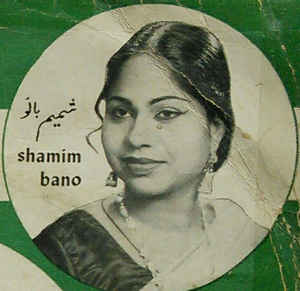
Who was Shamim; any guesses ladies and gentlemen? Shamim Bano was related to both Khursheed Bano and Meena Kumari. She was actor singer in this movie. However, her best role was opposite Dilip Kumar in 1944 movie Jwar Bhata. “She was the second wife of famed Pakistani film director and producer Anwar Kamal Pasha, and thus daughter-in-law of poet, writer and scholar Hakim Ahmad Shuja.”
She migrated to Pakistan in 1947.
Lets enjoy a delightful song penned by DN Madhok, composed by Khemchand Prakash and sung by Shamim Bano for the 1942 Chaturbhuj Doshi movie Mehman: Ye mere bhaiya ye unka dil hai…
ye mere bhaiya ye unka dil hai
ye meri bhabhi mukhade pe til hai
ye meri bhabhi mukhade pe til hai
ye mere bhaiya ye unka dil hai
ye mere bhaiya ye unka dil hai
ye meri bhabhi mukhade pe til hai
ye meri bhabhi mukhade pe til hai
ye mere bhaiya ye unka dil hai
bhabhi hai gori dil kala kala
bhabhi hai gori dil kala kala
par is kaale ka sab hai ghotala
par is kaale ka sab hai ghotala
ye mere bhaiya ye unka dil hai
ye mere bhaiya ye unka dil hai
ye meri bhabhi mukhade pe til hai
ye meri bhabhi mukhade pe til hai
bhaiya to jaa se iska ghayal hai
bhaiya to jaa se iska ghayal hai
bhabhi ke til pe bhaiya ka dil hai
bhabhi ke til pe bhaiya ka dil hai
ye mere bhaiya ye unka dil hai
ye mere bhaiya ye unka dil hai
ye meri bhabhi mukhade pe til hai
ye meri bhabhi mukhade pe til hai
ye mere bhaiya ye unka dil hai
ye mere bhaiya ye unka dil hai
ye meri bhabhi mukhade pe til hai
ye meri bhabhi mukhade pe til hai
Day #14, Song #40
Jhan jhan veena baje
We shall be completing two weeks of Lyricist #11 (not in any particular ranking or order) DN Madhok.
We are in the 11th year of his career: 1942.
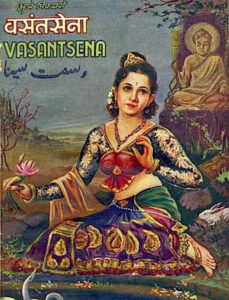
His next movie in 1942 was Vasantsena (if you recall that was the name of the courtesan played by Rekha in Shashi Kapoor’s Utsav).
It was a Gajanan Jagirdar movie starring Jagirdar, Vanmala, Shahu Modak, E Tarapore, Navin Yagnik, and Sunalini Devi.
Master Krishnarao composed the following songs penned by him and Neelkanth Tewari:
1. Dekho Gagan Ke Dwar
2. Ja Re Papiha Piya Ko Suna De
3. Mann Basiya Tan Rasiya
4. Utho Chalo Aage Badho
5. Chuk Karti Ye Gaadi Chalti Jati
6. Duniya Ki Asha
7. Jhan Jhan Beena Baje
8. Preet Lagani Us Chand Se
9. Vasant Sena Rani
Please enjoy Shahu Modak and Vanmala singing: Jhan jhan veena baje…
Day #14, Song #41
Hum tumse maangte hain

His next movie in 1942 was Zamindar, a Moti Gidwani movie starring Gulam Mohammad, Shanta Apte, M Ismail, S D Narang, Akhtar, G N Butt, Manorama, Durga Khote, and Anwari.
Ghulam Haider composed one of his songs; the others were penned by Behzad Lakhnavi, Qamar Jalalabadi, and Nazim Panipati: Armaan tadapate hain pehlu mein mere aake.
His next movie was his last one in 1942: Zevar; a K Amar Nath movie starring Jayant, Indurani, E Billimoria, Raaj, and Veen Badri Prasad.
He shared credit with Sahir to write the following songs that were composed by Pandit Badri Prasad:
1. Aayenge Jab Pyare Sajan Aayenge
2. Bas Aahe Bharti Hu
3. Mora Bala Jobanwa Chhalka
4. Wo Ghir Ghir Ke Aayi Hai
5. Albela Jivan Ek Pagli
6. Man Ki Bhent Chadhaye Ja
7. Tohe Prem Se Khana Khilau Sajni
8. Zara Humse Milo
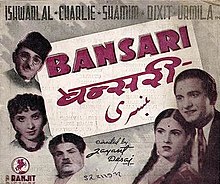
His first movie in 1943 was Bansari. It was a Jayant Desai movie. it starred Ishwarlal, Noor Mohammed Charlie, Dixit, Shamim Akhtar, Kesari and Urmila.
All songs were composed by Gyan Dutt and all but one were penned by DN Madhok:
1 “Aaya Aaya Karo Idhar Bhi Meri Jaan” Noor Mohammed Charlie D. N. Madhok
2 “Cham Cham Chamke Jyoti Sakhi Ri” Shamim D. N. Madhok
3 “Dard Jaaye Na” Shamim Pandit Indra
4 “Dil Lagaya Tha Dillagi Ke Liye” D. N. Madhok
5 “Jab Se Mali Teri Dar Ki Khak” D. N. Madhok
6 “Hum Tumse Mangte Hain” Amirbai Karnataki D. N. Madhok
7 “Kachche Rang Tihare Sajanwa” Ishwarlal, Shamim D. N. Madhok
8 “Mere Man Ko Meri Jaan Ko” Charlie D. N. Madhok
9 “Rasiya Ho Rasiya Ho Hamare Raja Vilayti” Leela Sawant, Bulo C Rani Pandit Indra
Please enjoy Amirbai Karnataki singing: Hum tumse maangte hain…
Day #14, Song #42
Mere naina tujhe dhoonde hain sawariya
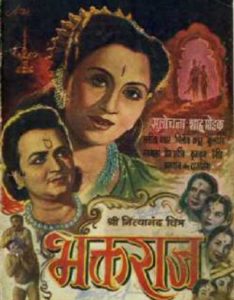
In his next movie in 1943: Bhakta Raj, you won’t believe who came on the scene to compose his songs. Well it was Chitalkar Ramchandra!
It was a Jayant Desai movie and also his production. The cast included Vasanti, Vishnupant Pagnis, E. Billimoria, Kaushalya and Dixit.
C Ramchandra composed the following songs penned by him:
1 “Jaag Musafir Chal De Aage”
2 “Mat Kar Tu Abhimaan” Vasanti, Vishnupant Pagnis
3 “Prabhu Ji Mere Aao” Vishnupant Pagnis
4 “Prabhu Aaye Tere Dwaar” Kaushalya, Kanti Lal, Vishnupant Pagnis
5 “Bahaar Aayi Hai” Amirbai Karnataki
6 “Bolo Bolo Re Prabhu Ji” Vasanti
7 “Kahaan Kaala Kaala Main Tera Matwala” Vasanti
8 “Kaisa Sundar Sama Suhana” Vasanti
9 “Jo Hum Bhale Bure Toh Tere” Kaushalya, Vishnupant Pagnis
10 “Mere Naina Tujhe Dhundhe Hai Sawariya” Kaushalya
11 “More Raja Ji Ho More Raja Ji” Rajkumari
To start with please enjoy Kaushalya singing: Mere naina tujhe dhoonde hain sawariya…
Day #15, Song #43
Shabnam kyun neer bahaye
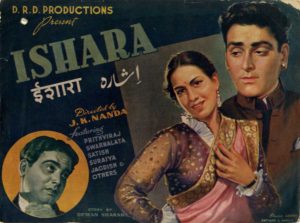
His third movie in 1943 was Ishara, a JK Nanda movie starring Prithviraj Kapoor, Suraiya, Swarnlata, Jagdish Sethi, Satish, K. N. Singh, Vatsala Kumtekar, Masood, and Pratimadevi.
That’s big league indeed.
DN Madhok wrote the following songs that were composed by Khurshid Anwar:
1. Shabanam Kyun Nir Bahaaye Gauhar Sultana
2. Rang Rangeela Phagan Aaya
3. Bago Me Koyal Boli Suraiya
4. Dil Le Ke Daga Nahi Dena Vatsala Kumthekar
5. Sajanva Aa Jaa Re Gauhar Sultana
6. Panaghat Pe Muraliyaa Baaje Suraiya
7. Ishk Kaa Dard Sohana Ho Vatsala Kumthekar
8. Dhire Dhire Bol Mere Raja GM Durrani, Rajkumari
9. Hame Gham De Ke Na Jao Sajan Gauhar Sultana
These are all such lovely songs that I feel like giving you all. However, I shall select the best three.
The first one is a most beautiful song not just penned by DN Madhok but sung beautifully by Gauhar Sultana.
Please enjoy: Shabnam kyun neer bahaye…
shabanam kyun nir bahaaye
shabanam kyun nir bahaaye
duniyaa soye
aur ye roye jaaye
shabanam kyun nir bahaaye
jaise niradhan ke rone par
jaise niradhan ke rone par
hansate hai dhanavaan
vaise shabanam ke rone par
vaise shabanam ke rone par
kaliyo ki musakaan
shabanam roye
kaliyo kaa munh dhoye
apani jaan ganvaa kar pagali
jag me phul khilaaye
apani jaan ganvaa kar pagali
jag me phul khilaaye
shabanam kyun nir bahaaye
shabanam kyun nir bahaaye
murakh hai jo chaar ghadi ke
murakh hai jo chaar ghadi ke
jiwan par itaraate hai
hasate phulo ko dekho jo
hasate phulo ko dekho jo
khilate hi murajhaate hai
shabanam roye
murakh gaafil soye
ro-ro ke shabanam is jhuthe
jag kaa bhed bataaye
ro-ro ke shabanam is jhuthe
jag kaa bhed bataaye
shabanam kyun nir bahaaye
shabanam kyun nir bahaaye
Day #15, Song #44
Panghat pe muraliya baaje
We just started taking up songs of the 1943 JK Nanda movie Ishara starring Prithviraj Kapoor, Suraiya and Swaranlata.
Nine songs were penned by Deena Nath Madhok. These were all composed by Khurshid Anwar. I gave you one: Shabnam kyun neer bahaye sung by Gauhar Sultana.
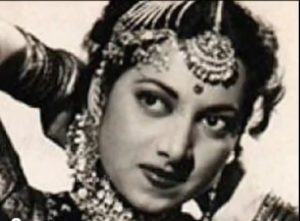 Here is now the eagerly awaited song sung by singing star Suraiya; the first one by her with DN Madhok.
Please enjoy: Panghat pe muraliya baaje…
panghat pe muraliya baaje
aa ha ha panghat pe
panghat pe panghat pe
panghat pe muraliya baaje
mohan ke mukh taak chakori
mohan ke mukh taak chakori
chauk kahu kahu saaje
chauk kahu kahu saaje
aa ha ha panghat pe
panghat pe panghat pe
panghat pe muraliya baaje
ek or jamuna lahraye
ek or jamuna lahraye
duji or san shor machaye
duji or san shor machaye
bich me shyam biraje
bich me shyam biraje
aa ha ha panghat pe
panghat pe panghat pe
panghat pe muraliya baaje
tere sang bijli muskayi
tere sang bijli muskayi
man me ghor ghata hai chhayi
man me ghor ghata hai chhayi
ghat paar koi hari pukare
ghat paar koi hari pukare
man ke payal baaje
man ke payal baaje
panaghat pe muraliyaa baaje
aa ha ha panghat pe
panghat pe panghat pe
panghat pe muraliya baaje
panghat pe
Day #15, Song #45
Ishq ka dard suhana ho
And now for the last song of the 1943 JK Nanda movie Ishara starring Prithviraj Kapoor, Swaranlata and Suraiya.
Here is the third song tonight out of nine penned by DN Madhok and composed by Khurshid Anwar.

Please enjoy Vatsala Kumthekar singing: Ishq ka dard suhana ho…
ishq ka dard sohana ho
ishq ka dard sohana ho
ishq ka dard sohana ho
ishq ka dard sohana
ek pahlu me diya dil to diya kya tune
ek pahlu me diya dil to diya kya tune
iss tarah dard se khali hai kiya kya tune
iss tarah dard se khali hai kiya kya tune
kabhi dil se jigar me aana ho
dil se jigar me aana ho
ishq ka dard sohana ho
ishq ka dard sohana ho
ishq ka dard sohana
tu tadapta hai jara
tu tadapta hai jara
unke chale jane se
kyun nahi maanta haye
kyun nahi maanta haye
mere samjhane se
mere dil ko tumhi samjhana ho
dil ko tumhi samjhana ho
ishq ka dard sohana ho
ishq ka dard sohana ho
ishq ka dard sohana
Day #16, Song #46
Ek tu ho ek main hoon
Ladies and gentlemen,
 Now for the first time in the career of Deena Nath Madhok that started with the 1932 movie Radhey Shyam, I am excited to tell you that his next movie in 1943: Kanoon was an Abdul Rashid Kardar movie.
Why this excitement? AR Kardar launched the career of Majrooh Sultanpuri and later Shakeel Badayuni and so many others! That’s why.
Having no formal training in film-making, Kardar started film industry in Lahore at a time when most films were made either in Calcutta or in Bombay.
Eleven years after the first movie in India, Dadasaheb Phalke’s Raja Harishchandra, Kardar released The Daughters of Today in Lahore.
In 1930 he shifted to Calcutta and made films under East India Film Company. In 1937 he shifted to Bombay and joined Ranjit Moviestone whose films I have been giving you all this while.
In 1940 he set up his own Kardar Productions and set up the finest studio of those times (air-conditioned make-up rooms!): Kardar Studios.
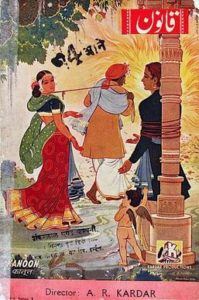
Kanoon was thus a Kardar Production and also directed by him. The film starred Shahu Modak, Mehtab, Gajanan Jagirdar, Nirmala Devi, Ulhas and Badri Prasad.
The movie was the second one of DN Madhok with Naushad.
Naushad’s first film was also with DN Madhok: the 1940 movie Prem Nagar. From the 13 songs in the movie, I gave you on 08 Jan, two of them: Main kali baag mein tu bhanwra, and Ambua pe baitha panchhi kya bole.
In this movie Naushad composed the following songs of DN Madhok:
1 “Aaye Jawani Jaaye Jawani” Suraiya, Shyam
2 “Aa More Saiyan Jiya Kalpaye” Nirmala Devi
3 “Bolo Bolo Re Sajanwa” Nirmala
4 “Saiyaan Khade More Dwaar Mein” Nirmala
5 “Ek Dil Tera Ek Dil Mera” Suraiya, Shyam
6 “Toot Gaya Ek Tara Mann Ka” Suraiya, Shyam
7 “Ek Tu Ho Ek Main Hoon” Suraiya
8 “Suno Fariyad Meri” Nirmala
Lets listen to song #7 sung by Suraiya for Mehtab.
Please enjoy: Ek tu ho ek main hoon…
ik tu ho ek main hu
aur nadi ka kinara ho
sama pyara pyara ho
ho ho ho ho ho ho, hu
ik tu ho ek main hu
aur nadi ka kinara ho
sama pyara pyara ho
ho ho ho ho ho ho, hu
dil ki baat labo pe aaye, haye
dil ki baat labo pe aaye
labo pe aaye kahi na jaye
labo pe aaye kahi na jaye
aankho ka ishara ho
aur koyi naa chara ho
ho ho ho ho ho ho, hu
ik tu ho ek main hu
aur nadi ka kinara ho
sama pyara pyara ho
ho ho ho ho ho ho, hu
purab se ik badal aaye, haye
purab se ik badal aaye
aa ke chanda par chha jaye
aa ke chanda par chha jaye
dhima sa ujiyara ho
hath me hath tumhara ho
ho ho ho ho ho ho, hu
ik tu ho ek main hu
aur nadi ka kinara ho
sama pyara pyara ho
ho ho ho ho ho ho, hu
Day #16, Song #47
Bolo bolo re sajanva main teri kya…
We have started taking up songs of the 1943 movie Kanoon, AR Kardar’s first movie with DN Madhok and Naushad’s second movie with him after Prem Nagar of 1940.
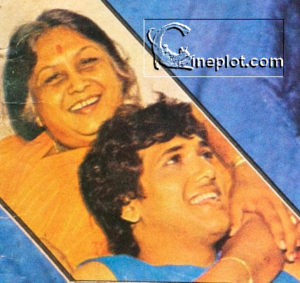 For the second song I have selected one sung by Nirmala Devi.
Who was she? Well, she was actor Govinda’s mother!
She was an actress – singer of 1940s as also a Hindustani classical vocalist of Patiala Gharana.
Please enjoy: Bolo bolo re sajanva main teri kya…
bolo bolo ha bolo bolo re sajanva
mai teri kya
bolo bolo ha bolo bolo re sajaniya
mai tera kya
tum ho mere vo ho kehte hue sharmaau
tum ho mere vo ho kehte hue sharmaau
tum ho meri vo aao tumhe batlau
tum ho meri vo aao tumhe batlau
ri sajaniya mai tera kya
bolo bolo ha bolo bolo re sajanva
mai teri kya
tum ho mere man ki peeda
man ki peeda
tum ho mere man ki peeda
din din badhti jaye, din din badhti jaye
banke bel darwa laagu
banke bel darwa laagu
fir bhi chain na aaye
fir bhi chain na aaye
re sajanva mai teri kya
bolo bolo ha bolo bolo re sajanva
mai teri kya
Day #16, Song #48
Aaye jawani jaaye jawani
Ladies and gentlemen,
I hope you are as overwhelmed by the first two songs of the 1943 AR Kardar movie Kanoon, penned by DN Madhok and sung by Suraiya and Nirmala Devi.
The next one is sung by Shyam and Suraiya and is equally beautiful.
All these songs were composed by Naushad in his second movie with DN Madhok after the 1940 movie Prem Nagar.
Please enjoy: Aaye jawani jaaye jawani…
aaye jawani jaye jawani
jake fir na aaye
aaye jawani jaye jawani
jake fir na aaye
chidiyo ne chug liya khet ko
jaat khada pachataye
chidiyo ne chug liya khet ko
jaat khada pachataye
kaho ye juth baat hai
to fir pi lo kha lo
jawani ke gun ga lo, jawani ke gun ga lo
jawani ke gun ga lo, jawani ke gun ga lo
aaye jawani jaye jawani
jake fir na aaye
chidiyo ne chug liya khet ko
jaat khada pachataye
kaho ye juth baat hai
to fir pi lo kha lo
jawani ke gun ga lo
jawani ek mauj ka naam
jawani ek mauj ka naam
ke jisme nahi hosh ka kaam
ke jisme nahi hosh ka kaam
kaho ye juth baat hai
to fir pi lo kha lo
jawani ke gun ga lo
jawani me ankhiya bhi bole
dil ke bhed nigahe khole, dekhne
haye dekhne wale dagmag dole
dekhne wale dagmag dole
kaho ye juth baat hai
to fir pi lo kha lo
jawani ke gun ga lo
aaye jawani jaye jawani
jake fir na aaye
aaye jawani jaye jawani
jake fir na aaye
chidiyo ne chug liya khet ko
jaat khada pachataye
chidiyo ne chug liya khet ko
jaat khada pachataye
kaho ye juth baat hai
to fir pi lo kha lo
Day #17, Song #49
Papihara kaae machave shor
Yesterday, I noticed, how excited we all were listening to songs of an AR Kardar movie having DN Madhok songs composed by Naushad.
And now we shall see more and more of them.
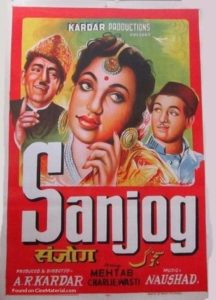
Indeed the very next movie in 1943: Sanjog was again an AR Kardar movie starring Mehtab, Noor Mohammad Charlie, Ulhas and Wasti.
Once again we had Suraiya singing for Mehtab.
Here are all the songs of the movie:
1. Aa More Sanwre Saiya Mora Jiya Lahraye Suraiya
2.O O Ae Ae Kaun Gali Ka Chhora Pukare
3. Ek Dilwala Ek Dilwali Noor Mohammad Charlie, Suraiya
4. Koi Chutki Si Mere Dil Me Liye Jaye Suraiya
5. Papihara Kaae Machave Shor Noor Mohammad Charlie
6. Palat Tera Dhyan Kidhar Hai Noor Mohammad Charlie
7. Udte Hue Panchhi Kaun Inko Bataye Suraiya, Noor Mohammad Charlie
8. Ho Mori Gali More Raja Mori Kasam Aaja Suraiya
9. Jaan Bachi So Laakho Paaye
We shall take up three of the songs: one each by Noor Mohammad Charlie and Suraiya and then a duet between them.
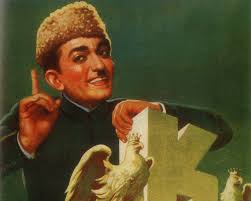
Lets start with Noor Mohammad Charlie.
Please enjoy: Papihara kaae machave shor… (comedy all the way!!)
papihara kahe machave shor shor
paye jo sun na paye jo sun na paye
sas na nandiya dore hi dore
hi dore ye pankh marore marore
marore marore marore
papihara kahe machave shor shor shor
o o papiha tujhe meri kasam
chup rah zara abhi aane ko hai
jalim tujhe kya ho gaya tere pihu pihu karne se
wo bewafa yaad aaye hai tu zuda tadpaye hai
aur aur aur aur dil zuda tadpaye hai
nadi ka kinara bolan water mor ka pankha
patli patli patli patli patli patli patli patli
ungaliya ungaliya phulo ki shehar
haye re haye jiya balkhaye jo sun na paye
sas na nandiya dore hi dore
hi dore ye pankh marore marore
marore marore marore
papihe kahe machave shor shor shor
Day #17, Song #50
Aa more sanware sainyan mora jiya lahraye
We had decided to take up three songs of the 1943 AR Kardar movie Sanjog starring Mehtab and Noor Mohammad Charlie.
We decided to take up one song each of Noor Mohammad Charlie (singing for himself) and Suraiya (singing for Mehtab) and then a duet sung by both.
We already know that this was the third movie in which DN Madhok’s songs were composed by Naushad.
Here is the second song sung by Suraiya for Mehtab.
Please enjoy: Aa more sanware sainyan mora jiya lahraye…
aa more sanware saiya mora jiya lahraye
aa more sanware saiya mora jiya lahraye
kale kale badal chhaye
do tin sawan bhi kho jaye haye
aa more sanware saiya
aa more sanware saiya mora jiya lahraye
leke sirahne ki aoth mai roye roye jau re
mai roye roye jau re tori kasam more raja
akeli ghabrau re akeli ghabrau re
bali mori umar sanware
ro ro naina bhare banware haye
aa more sanware saiya
aa more sanware saiya mora jiya lahraye
yaad tumhari jab aaye mera jiya baitha jaye
mera jiya baitha jaye ankho se nikle pani
aur dil se nikle haye hamare dil se nikle haye
dil ki bat kahi na jaye
aur kahe bina bhi raha na jaye
haye aa more sanware saiya
aa more sanware saiya mora jiya lahraye
mori atariya jo aao mai ankhiya bichhaungi
mai ankhiya bichhaungi abhi na aye more raja
mai jag ko sunaungi mai jag ko sunaungi
sab kuch karna prit na karna
prit hai maut bina ka marna haye
aa more sanware saiya
aa more sanware saiya mora jiya lahraye
Day #17, Song #51
Udte huye panchhi kaun inko bataye
In the last sung from the 1943 AR Kardar movie Sanjog, you must have enjoyed how Naushad brought in (in Hindi movies) piano in the songs (here we had Mehtab playing it whilst lip-suncing for Suraiya in the song: Aa more sanware sainyan mora jiya lahraye).
To end tonight (not that anyone would want a night like this to end), we have the promised duet between Noor Motammad Charlie singing for himself and Suraiya singing for Mehtab.
Here is a bet that I am sure I can’t lose: let me know if any of you watched it once and got it over with! (It is so typically a Naushad composition that you want it to go on and on).
Please enjoy: Udte huye panchhi kaun inko bataye…
udte huye panchhi kaun inko bataye
jo pas me baithe hai jo pas me baithe hai
dil unka hua jaye udte huye panchhi
udte huye panchhi kya tujhse kahu haye
jo pas me baithe hai jo pas me baithe hai
wo hamko bade bhaye udte huye panchhi
muh ki bate sari jhutho ke jhuthe dilase
muh ki bate sari jhutho ke jhuthe dilase
koi mar jaye unki bala se
koi mar jaye unki bala se udte huye panchhi
udte huye panchhi kaun inko bataye
jo pas me baithe hai jo pas me baithe hai
hum unko bade bhaye udte huye panchhi
ho dil hai hasrato se bhara re
ye na lagi jane zara re
dil hai hasrato se bhara haye re haye re haye
ye na lagi jaane zara
dil me aake dekh mere kaun khota kaun khara
dil me aake dekh mere kaun khota kaun khara
udte huye panchhi udte huye panchhi
kya tujhse kahu haye
jo pas me baithe hai jo pas me baithe hai
wo hamko bade bhaye udte huye panchhi
udte huye panchhi
Day #18, Song #52
Sapt suran teen graam gaavo sab gunijan
If you think that it is raining good songs, you may just be right.
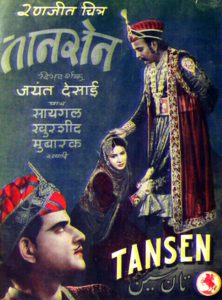
His next movie in 1943 was Tansen, a Jayant Desai movie starring KL Saigal and Khursheed Bano.
Can you guess who composed the songs of the movie? Well, it was none other than Khemchand Prakash and this time you are really in for a treat; I shall tell you as we go along.
1. “Ghata Ghanaghor Ghor” Khursheed Bano
2. “Aao Gori Aao Shyama” Khursheed Bano
3. “Kahe Guman Kare Re Gori” Kundan Lal Saigal
4. “Rumajhum Rumajhum Chaal Tihaari” Kundan Lal Saigal
5, “Baag Laga Dun Sajani” Kundan Lal Saigal
6. “More Balpan Ke Sathi Chhaila Bhul Jaio Na” Kundan Lal Saigal, Khursheed Bano
7. “Sapt Suran Tin Graam Gaavo Sab Gunijan” Kundan Lal Saigal
8. “Ho Dukhiya Jiyara Rote Naina” Khursheed Bano
9. “Ab Raja Baye More Balam” Khursheed Bano
10. “Binaa Pankh Panchhi Hun Main” Kundan Lal Saigal
11. “Diya Jalao” Kundan Lal Saigal
12. “Din Soona Sooraj Bina” Kundan Lal Saigal
13. “Baraso Re” Khursheed Bano
Only four of the above songs were penned by DN Madhok; the others were by Pandit Indra. DN Madhok’s songs were: Songs #s 7, 9, 10, and 12.
We shall be taking up all four.
To start with let’s take up Song #7 sung by Kl Saigal in the title role.
Please enjoy: Sapt suran teen graam gaavo sab gunijan…
sapt suran tin graam gaavo sab gunijan
ikkis murchhanaa baan-taan ko milaavo
ikkis murchhanaa baan-taan ko milaavo
audhava sakiran svar sampuran raag bhed
audhava sakiran svar sampuran raag bhed
alakaar bhushan ban
alakaar bhushan ban
raag ko sajaavo
sapt suran
saa sur saadho man, re apane rab ko dhyaan
saa sur saadho man, re apane rab ko dhyaan
gaadhaar tajo gumaan
gaadhaar tajo gumaan
madhyam moksha paavo
pacham parameshvar, dhaivat dharo dhyaan
pacham parameshvar, dhaivat dharo dhyaan
ni nit din prabhu charan shital aavo
sapt suran tin gram gaavo sab gunijan
ikkis murchhanaa taan-baan ko milaavo
audhava sakiran svar sampuran raag bhed
audhava sakiran svar sampuran raag bhed
alakaar bhushan ban
raag ko sajaavo
Day #18, Song #53
Bina pankh panchhi hoon main
We just started taking up songs of the 1943 Jayant Desai movie Tansen starring KL Saigal in the title role and Khursheed Bano as his beloved Tani.
Thirteen songs of the movie were composed by Khemchand Prakash. However, DN Madhok wrote only four; the others were penned by Pandit Indra.
We took up one sung by KL Saigal.
The second one has also been sung by Saigal.
Please enjoy: Bina pankh panchhi hoon main…
binaa pakh pachhi hun main, kaise ud aaun main
man ki vythaa ab kaase sunaau main
dil me teri yaad hai
aur hotho pe fariyaad hai
dil me teri yaad hai
aur hotho pe fariyaad hai
aansu hai sahme huye
aur pahre pe saiyaad hai
aansu hai sahme huye
aur pahre pe saiyaad hai
hasrate khaamosh hai, hasrate khaamosh hai
duniyaa meri barbaad hai
binaa pakh pachhi hun main, kaise ud aaun main
Day #18, Song #54
Ab raja bhaye more balam
And now for the third song from the 1943 Jayant Desai movie Tansen with KL Saigal in the title role and Khursheed Bano as his beloved Tani.
This too was composed by Khemchand Prakash.
This was sung by Khursheed Bano.
Lets try to understand this song through the story:
Tansen (KL Saigal) is an orphan. He is trained to become a great singer. He falls in love with Tani (Khursheed Bano here) who is a shepherdess in a jungle.
Emperor Akbar is looking for a musician in his team of Navratnas. His messengers search for and find Tansen. They persuade him to go to Akbar’s court and sing. He refuses but through their persuation reaches his court. Akbar is impressed and makes him a navratna.
Meanwhile Tani comes looking for him through this song. Akbar tells her that Tansen is married and she returns to the jungle broken hearted. Akbar’s idea was that the sorrow of losing his beloved would make Tansen sing even better. However, now, Tansen refuses to sing.
Zehen Khan, one of Akbar’s musicians, tricks him into singing in Raag Deepak (Diya jalao; penned by Pandit Indra). Tansen’s singing lights all the candles and Tansen is badly burnt. Only Tani singing in Raag Megh Malhar (Barsao re, also penned by Pandit Indra) would finally cure him.
Please enjoy: Ab raja bhaye more balam…
ab raja bhaye more balam
wo din bhul gaye
ab raja bhaye more balam
wo din bhul gaye
meri gali me sanjh savere
meri gali me sanjh savere
mare sau sau fere
mare sau sau fere
aankh me aasu bhar bhar bole
aankh me aasu bhar bhar bole
ji na lage bin tere
ji na lage bin tere
wo dil bhul gaye
ab raja bhaye more balam
wo din bhul gaye
gaga ke wo hame sunaye
gaga ke wo hame sunaye
man ki ram kahani
gaga ke wo hame sunaye
man ki ram kahani
ro ro kar ab mai ye bolu
ro ro kar ab mai ye bolu
janu preet nibhani
janu preet nibhani
wo dil bhul gaye
ab raja bhaye more balam
wo din bhul gaye
ab raja
I hope you liked my choice of songs for Part II.
Please await song of Part III.
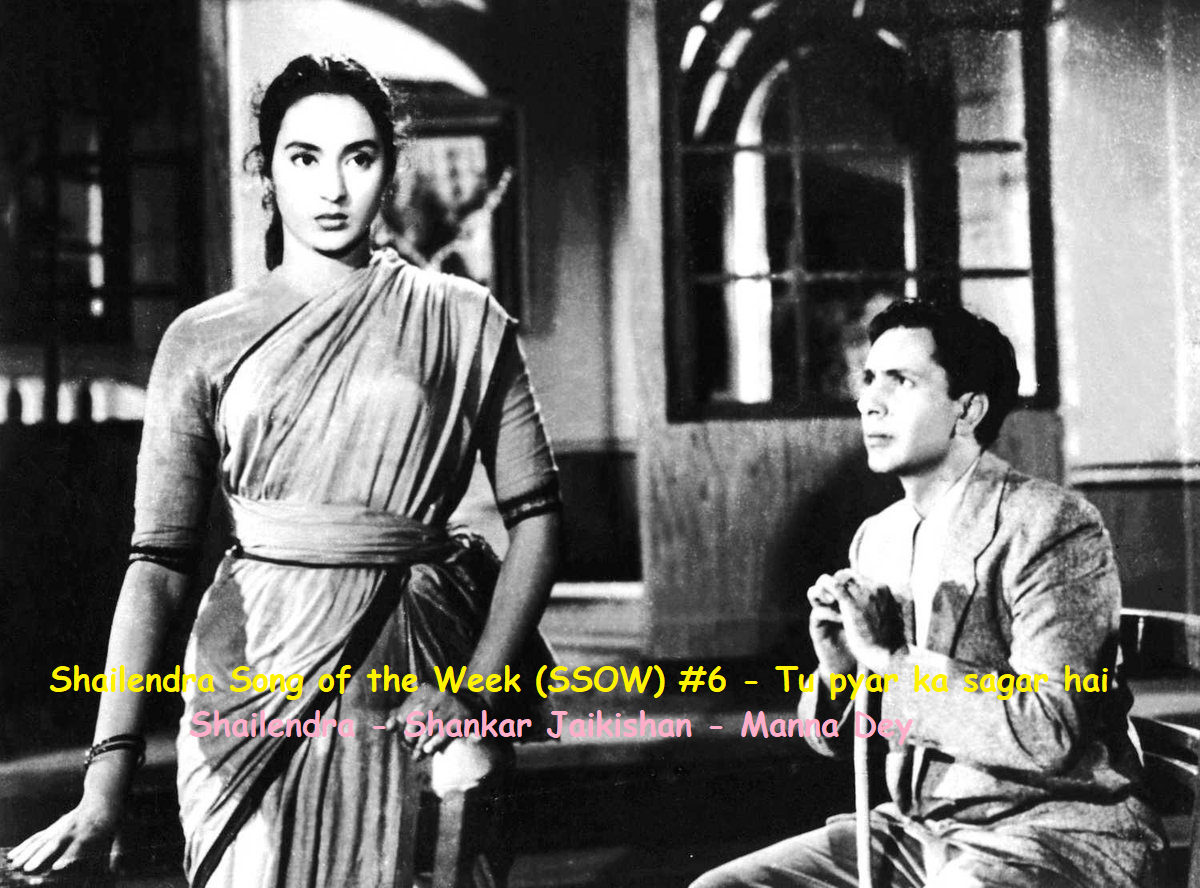
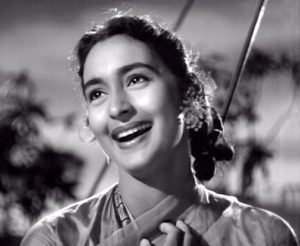 After W#04 song Ab ke baras bhej bhaiya ko babul wherein, in a jail for murder, the song (though not lip-synced by her) spoke accurately about her emotions. Ditto with this hymn sung by Manna Dey in the 1955 Amiya Chakravarty movie Seema starring Nutan and Balraj Sahni.
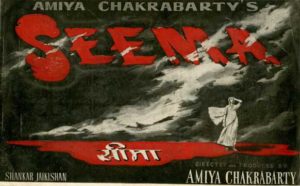 The story is about this young girl Gauri (Nutan) who is ill treated by her aunt after she becomes an orphan, is wrongly accused of stealing a necklace, is rebellious, and often misunderstood until she takes shelter under kind-hearted Balraj Sahni (Ashok) in Shree Satyanand Anathalaya. Some of the songs that helped progress the story and her emotions are:
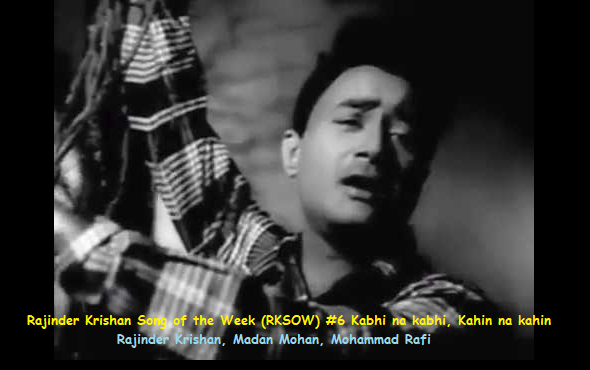
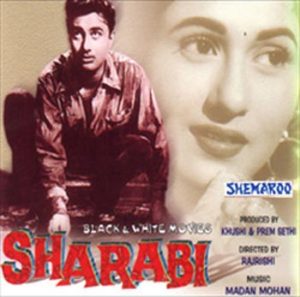 Dev Anand as Keshav in 1964 Raj Rishi movie Sharabi didn’t have to be Corona positive to kill himself; he had liquor and he was, in the movie, on a path of self-destruction faster than any virus could. He had promised to reform (most drunkards do it and such resolves of theirs are often inscribed on the tombstones). However, if Hindi movies are to be believed, all (without exception) drunkards, prostitutes (or courtesans) and dacoits are merely victims of circumstances.
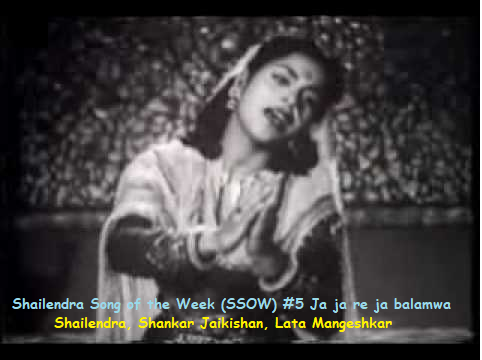
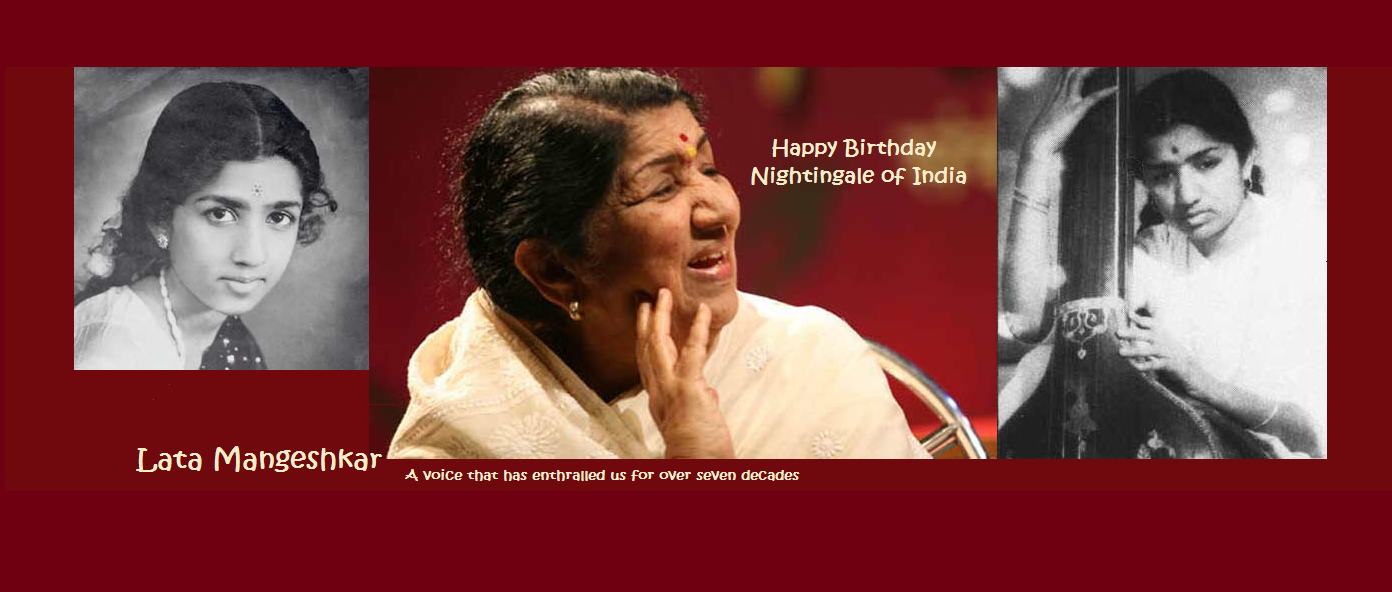
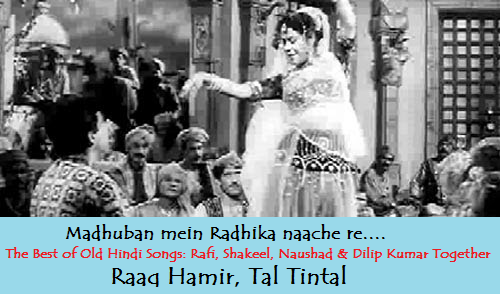
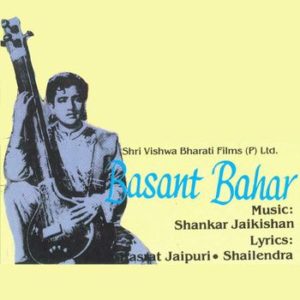 The song is from the 1956 movie Basant Bahaar and its lyrics are a marvel produced by the great Shailendra and its composition is by my favourite music duo: Shankar Jaikishan. Its raag is Jhinjhoti and tal is Tintal.
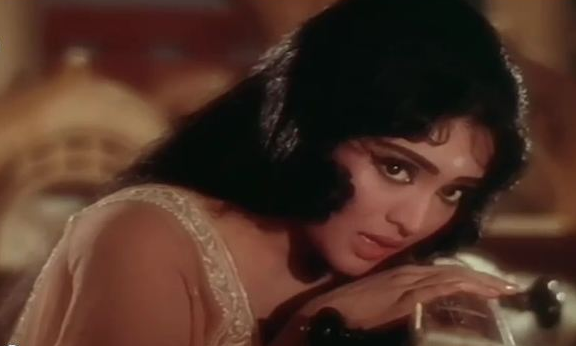
 Kumkum was also born Zaibunnissa in Hussainabad, Sheikhpura Bihar. She was the discovery of Guru Dutt (as was Waheeda Rehman) and the CID song Ye hai Bombay meri jaan was picturised on her.

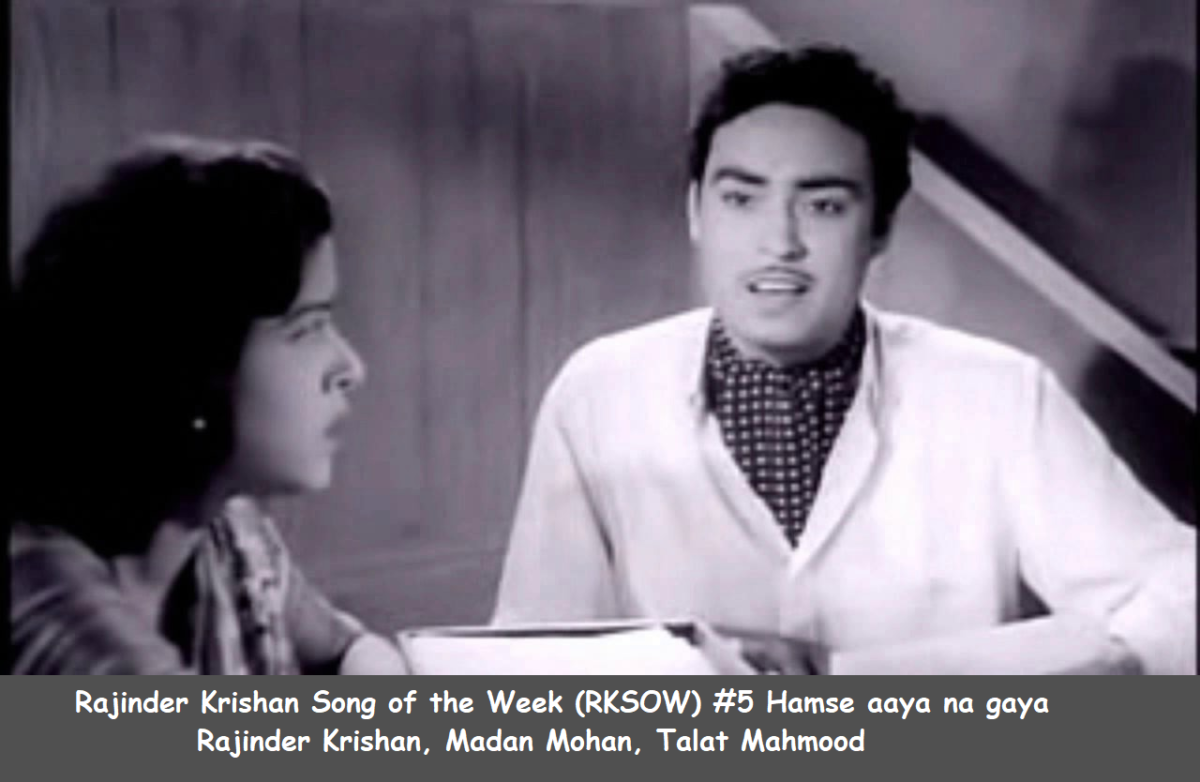
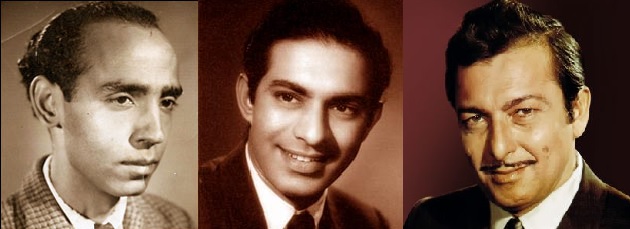 In the last song and elsewhere many times before, I have mentioned that the most memorable songs of Lata Mangeshkar were composed by her bhaiya Madan Mohan. These were penned either by Raja Mehdi Ali Khan or by Rajinder Krishan.




 Adornment of music makes the lyrics come alive and add to their meaning. You have to give it to S-J, as always that their composition and music help you complete the picture of the protagonist’s emotions, in this case Rajendra Kumar. No one could have done a better job.

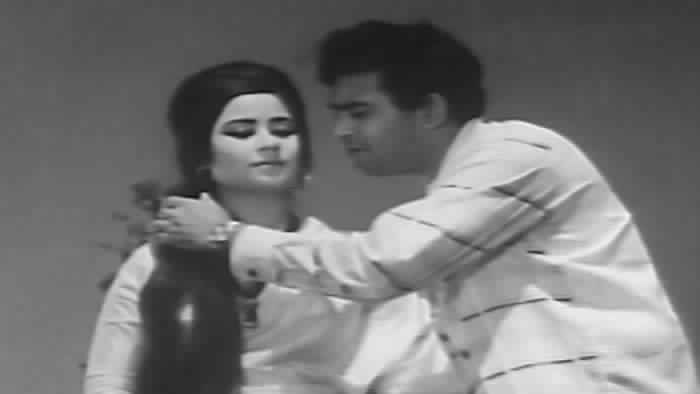
 In such a scenario, I think, Rajinder Krishan can be excused for letting the hero (Biswajeet) notice on the wet body of the heroine (Rajshree), of all the things, Zulf. Many around the world would say: “Hair today, gone tomorrow.” But, as far as Indians are concerned hair are here to stay forever and ever.
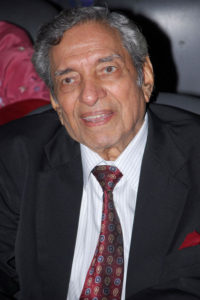 Ravi was one music director who learnt music by observation but managed to learn far better than those formally trained. What is more he even learnt Hindustani classical music and many of his songs are raaga based. This one is in Raag Pilu or Peelu, Tal Kaherava. Pilu is, as it is a raag of devotion and piety and if you look at the hero Biswajeet, you would notice that he is full of these two feelings and not seduction which would be the case, say, in Shammi Kapoor’s song Is rang badalti duniya mein insaan ki neeyat theek nahin (Hasrat – Shankar Jaikishan – Mohammad Rafi) or Joy Mukherjee singing to Asha Parekh: Aa ja re aa zara (Love In Tokyo).
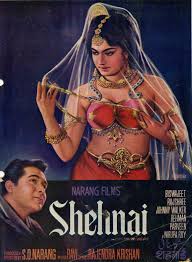 This 1964 movie was produced and directed by SD Narang and is not based on a musical instrument or on the lifetime of a musician. On the other hand, the film is about n IAF pilot’s widow who goes through hardship and loneliness in order to fulfil her husband’s last wish to make her son an Air Force pilot. It is anybody’s guess as to why they named it Shehnai!
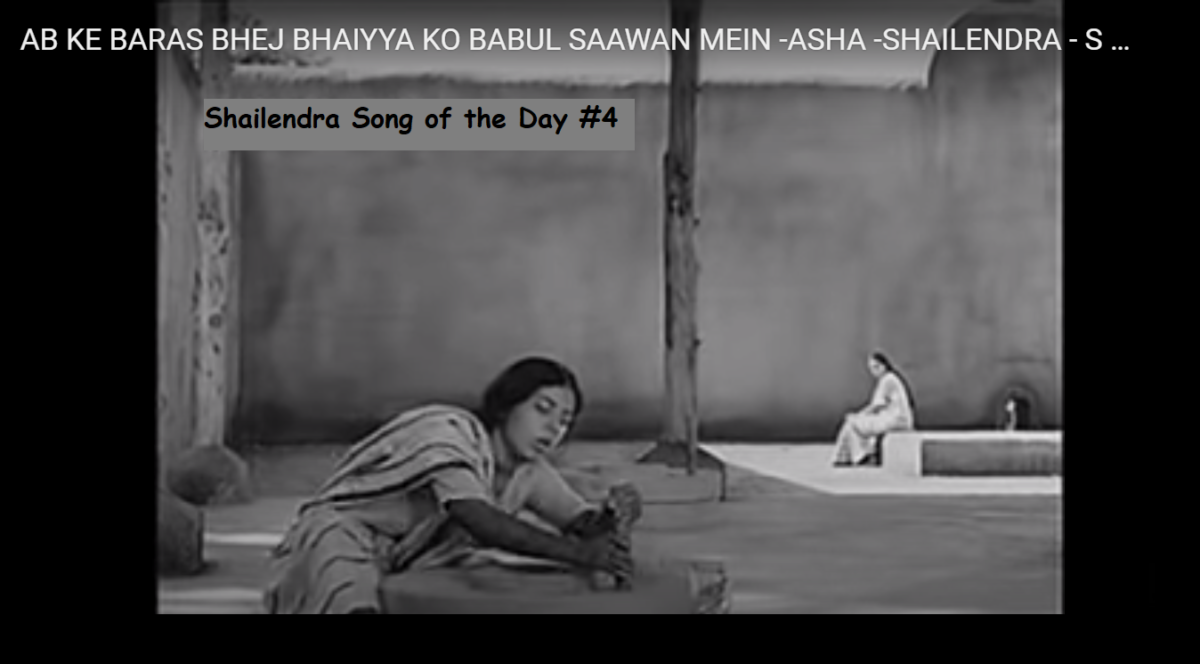
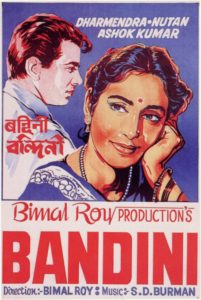 Bimal Roy‘s handling of the theme and not just the name Bandini (Imprisoned or In Bondage) has been handled with great sensitivity. Nutan as Kalyani is in prison for most part of the movie due to a murder she committed (more by accident than design). She longs of freedom because she is young and has dreams of her own. However, in the end she herself chooses bondage over freedom offered to her as two choices: Dharmendra as the kind hearted jail-doctor: Deven who cares for her and Ashok Kumar as freedom-fighter (master stroke by Nabendu Ghosh who wrote the screenplay) Bikash who leaves her in the village pining for him but never returns back. In the end, like I said, because of a chance meeting at a railway station, she chooses to be Bandini to Ashok Kumar as the notes of another Shailendra song play: Mere saajan hain us paar.
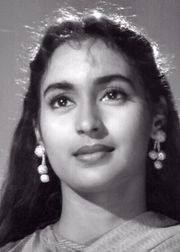 The role of Kalyani was offered to Vyjayanthimala who had already done two movies with Bimal Roy: Devdas and Madhumati. She was busy and hence the role went to Nutan who then gave the performance of her life and walked away with the Best Actress Award.