I started this series on my Facebook group Yaad Kiya Dil Ne on 18 Aug 20. Since then, many other members have put up these songs. Here, I shall be giving you one of my own, per day.
This is the Song #57 in the series. I hope you liked Song #56 – Shaam-e-gham ki kasam.
Song #58
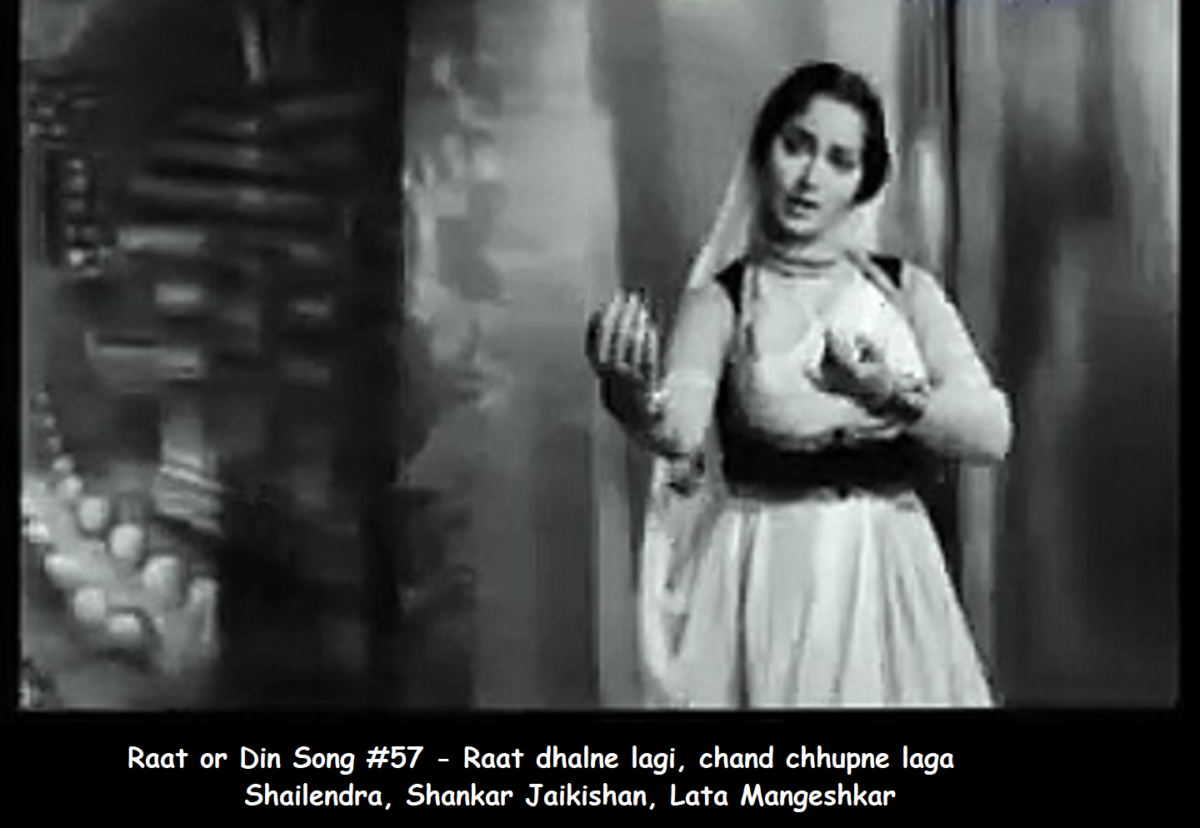
Raat dhalne lagi, chand chhupne laga, aa aa bhi jaa
Theme-word: The first word of the song
Remembering Raj Kapoor and Shailendra on Their Birth and Death Anniversaries Respectively, 14th Dec
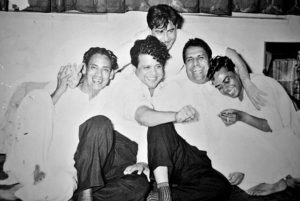
What a coincidence that one was born this day and the other died? Did the one who was born ensured the death of the other one. However cruel it may sound but it appears to be the case.
This song is from the only production of the Lyricist Shailendra: Teesri Kasam that was released in the year of his premature death on 14 Dec. He and Hasrat Jaipuri were the finds of Raj Kapoor and gave delightfully beautiful song in all Raj Kapoor movies that were composed by the “house-musicians” of Raj Kapoor: Shankar Jaikishan.
Shailendra thought he had everything good going for him. He had got Basu Bhattacharya to direct the movie. Yes, of course, it won the National Award for Best Feature Film that year.
However, Raj Kapoor wanted to ensure the success of his 1964 movie Sangam by itself and hence delayed the release of Teesri Kasam. As a producer, it affected Shailendra’s money situation so much that he almost became bankrupt. In addition, this classic wasn’t a commercial success despite Raj Kapoor and Waheeda Rehman being the lead actors and memorable songs composed by Shankar Jaikishan on the lyrics of mostly Shailendra (7 out of 10), the others being those of Hasrat Jaipuri.
Teesri Kasam – 1966 Movie
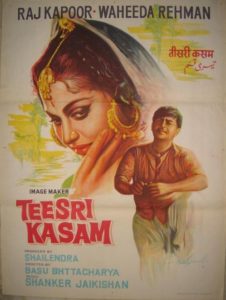 The movie had a story based on a story Mare Gaye Gulfam by Hindi novelist Phanishwarnath Renu. I am not going into the three wows as almost everyone knows about them. Suffice it to say that Waheeda Rehman as Hirabai traveling with a Nautanki had more than adequate opportunities for song and dance. This too is a nautanki dance and song just as Paan khaye sainyan hamaro, Mare gaye gulfaam, and Haay ghazab kahin tara toota.
The Lyrics
Here are the remarkably beautiful lyrics penned by Shailendra:
रहेगा इश्क़ तेरा ख़ाक में मिलाके मुझे
हुए हैं इब्तेदा में रंज इन्तेहाँ के मुझे
आ आ आ…
आ आ भी जा
रात ढलने लगी
चाँद छुपाने चला आ आ आ
आ आ भी जा
रात ढलने लगी
चाँद छुपाने चला आ आ आ
हो आ आ भी जा
तेरी याद में बेख़बर
शमा की तरह रात भर
तेरी याद में बेख़बर
शमा की तरह रात भर
जाली आरज़ू दिल जला
आ आ भी जा
रात ढलने लगी
चाँद छुपाने चला आ आ आ
आ आ भी जा
रात ढलने लगी हो
चाँद छुपाने चला आ आ आ
हो आ आ भी जा
उफ़क पर खड़ी है सेहर
अन्धेरा है दिल में इधर
उफ़क पर खड़ी है सेहर
हो अन्धेरा है दिल में इधर
वहीं रोज़ का सिलसिला
आ आ भी जा रात ढलने लगी
चाँद छुपाने चला
आ आ भी जा
रात ढलने लगी हो
हो ओ चाँद छुपाने चला
हो आ आ भी जा
My Own Poetry
Na Jaane Tum Kab Aaoge?
हसीं चाँद है, फ़िज़ा है, रुत भी है लेकिन,
न तू आयी, न तेरी ख़बर आयी।
चांदनी चुभती है, फ़िज़ा जलती है,
रुत भी बेकसी की लहर लायी।
तेरी मदहोश आंखों के जाम नहीं भूले,
पर आज वो सिर्फ ज़हर लायी।
वो खुशबू नहीं है शाम – ए – बहार में,
जैसे होके खिज़ा के घर आई।
तू न आई न जाने क्यूं लगता है,
ज़िन्दगी यादों के मरहलों पे ठहर आयी।
आते आते कई सदियां बीत गयीं, रवि,
शब-ए-ज़िन्दगी की न सहर आयी।
The Song
Ladies and gentlemen, please enjoy: Raat dhalne lagi, Chand chhupne laga, aa aa bhi jaa…
I hope you liked my choice of Raat or Din Song #57.
Please await Raat or Din Song #58 – Tum pukar lo.
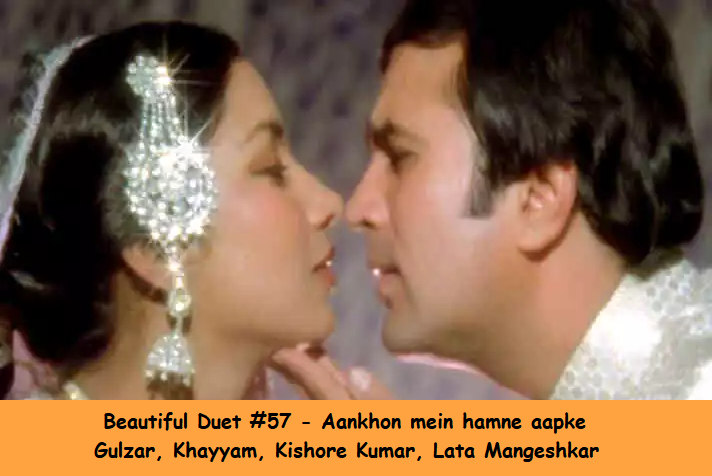
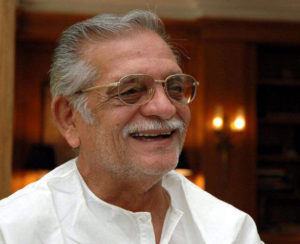
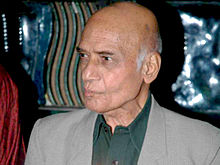 Mohammad Zahur Khayyam was born on 18 Feb 1927 in the village Rahon, near Nawanshahr. This is only 16 Kms away from where I was born some 17 years later. He became famous and I am writing about him.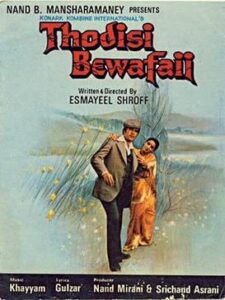
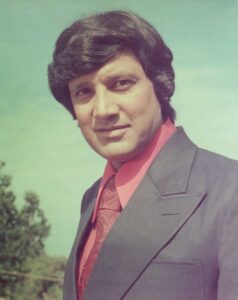 He was a nephew of Dev Anand and had the screen name of Vishal Anand (Dev Anand’s sister was his mother). He produced the 1976 movie Chalte Chalte and decided to act as the hero of the movie opposite Simi Garewal. This was one of the 11 movies that he either produced, directed or acted in.
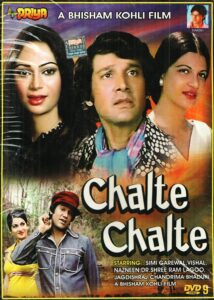 Kohli produced the movie and he had Sunder Das direct it. He as Vishal Anand tried to act in the movie with Simi Garewal.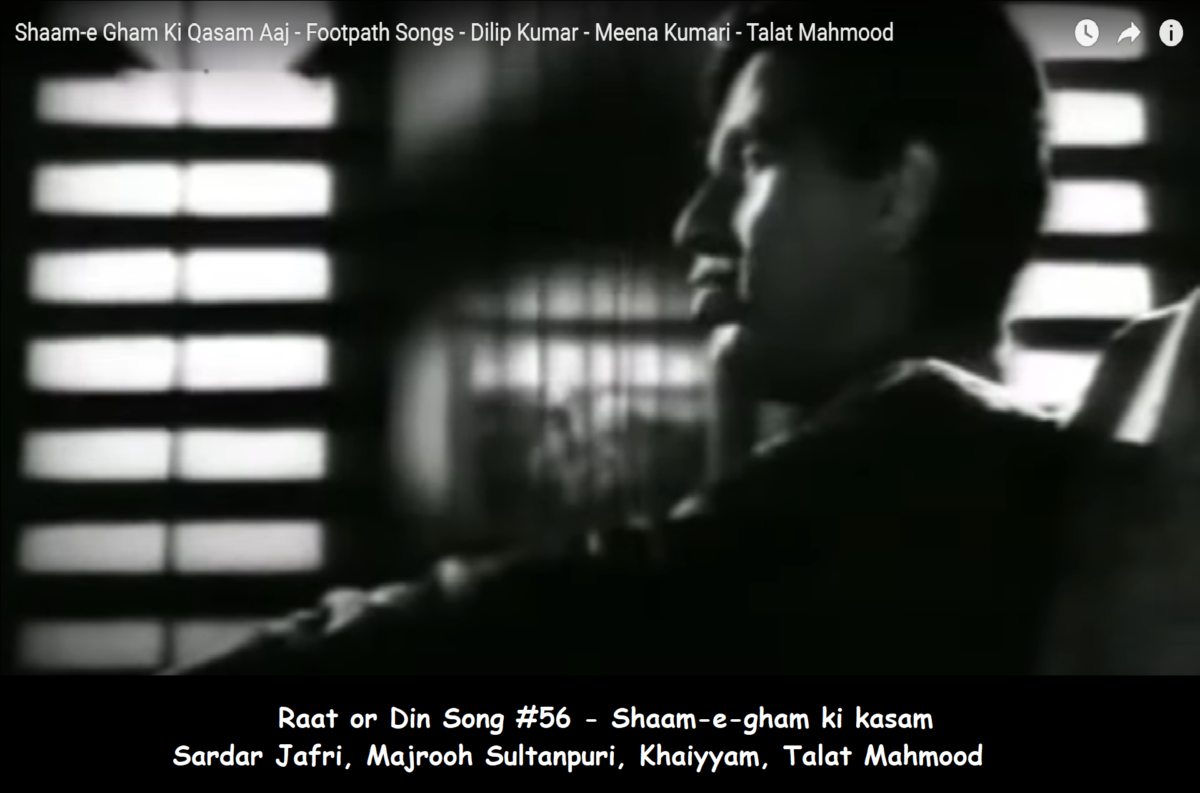
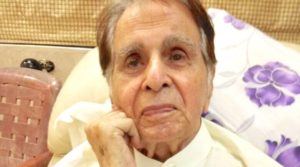 He is 98 years old today and no doubt the entire country awaits to celebrate his hundredth birthday.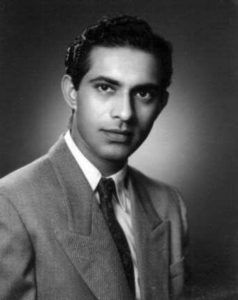
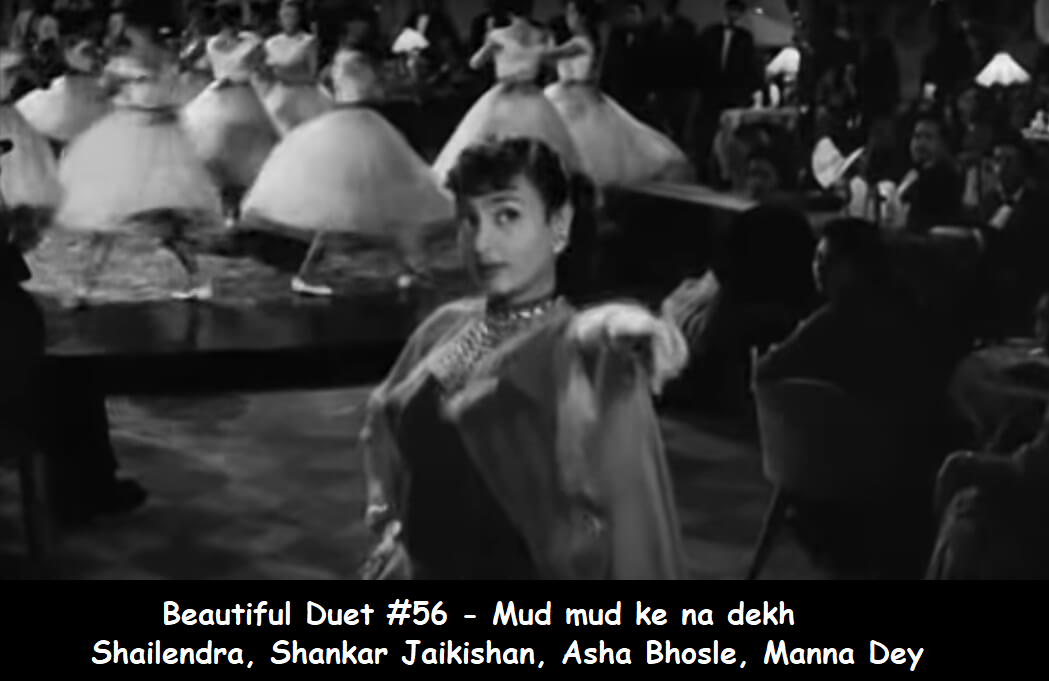
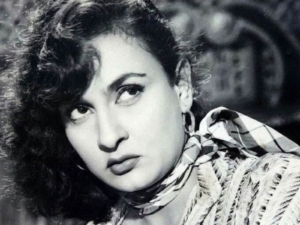 She was born on this date in the year 1932. Her full name was Florence Ezekiel Nadira. As the name suggests, she was a Jew (of a Baghdadi Jewish family).
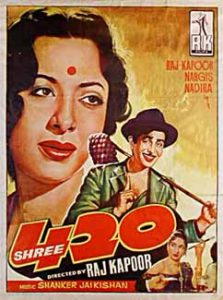 However, the Beautiful Duet that I have taken for you is from the 1955 movie Shree 420, produced and directed by Raj Kapoor. Main lead of the movie were Raj Kapoor and Nargis; Raj Kapoor coming into the city of Bombay from a village but soon learning that being a con man (420) was earning him good life.
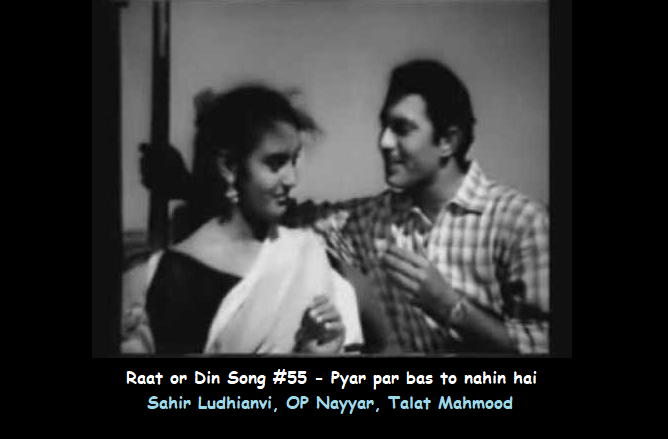
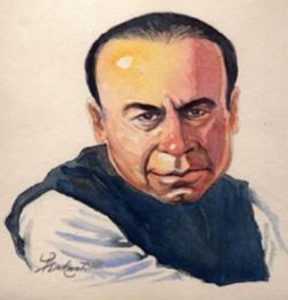 Sahir Ludhianvi, her favourite poet and lyricist is about 37 Kms from the place where I was born (Village Urapur). His poetry and lyrics have, as was the case with most poets and lyricists of that era, a lot of Urdu in them. Now, I studied Urdu in my school. But, then, have someone like behna to appreciate such poetry is delightfully amazing. I have been always inclined towards Love (and not Socialism or even Communism). Hence, by my own inclination, I am more for Shakeel’s poetry than of Sahir. However, I would still place Sahir as an outstanding poet and lyricist. Ye mehlon ye takhton, ye taajon ki duniya, for example, would stay as top-notch poetry for me, if I were to move away from pure Love and into social inequities.
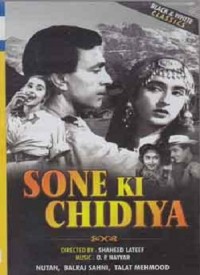 This 1958 movie was directed by Shaheed Latif and starred Talat Mahmood himself in the lead role. Nutan acted opposite him. The title is taken from the destiny of Nutan; as impoverished woman she was neglected by her family. As soon as she became wealthy, they treated her as Sone Ki Chidhiya.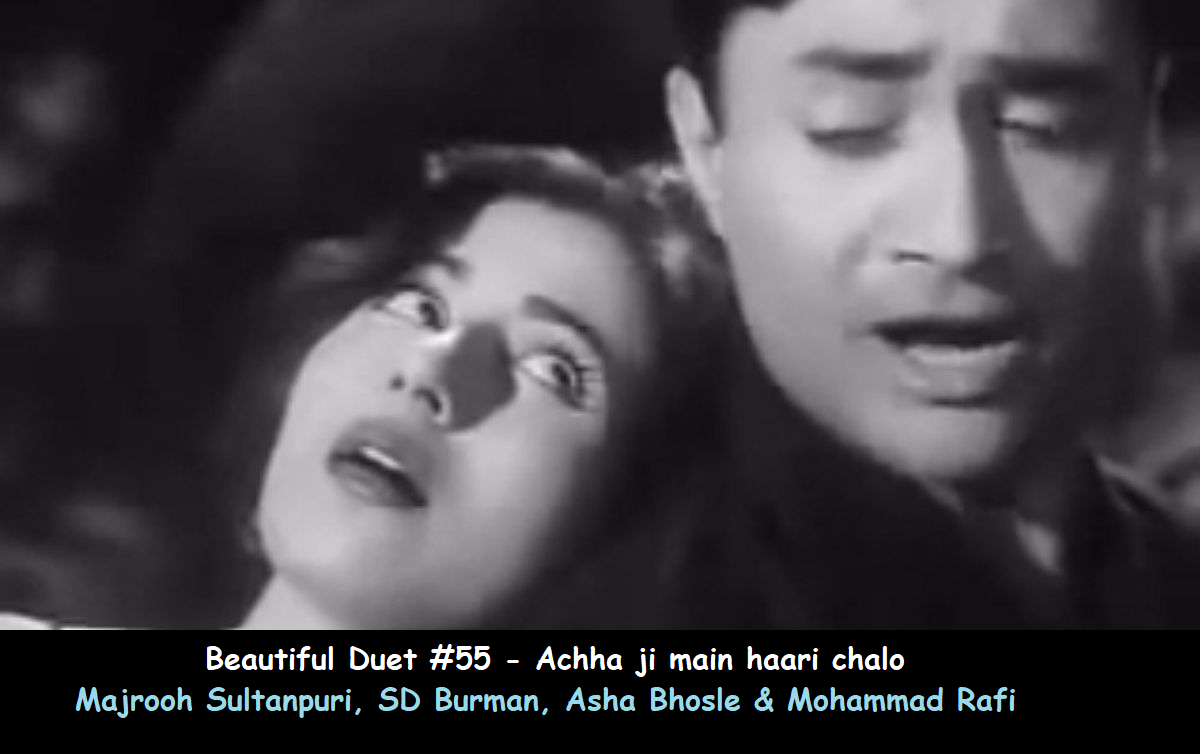
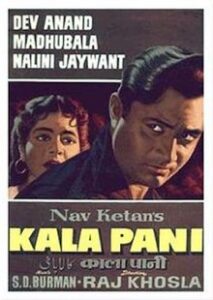 This was the name of the movie produced by Dev Anand’s Navketan Films and directed by Raj Khosla.
 Post 1957 movie Pyaasa when SD Burman developed a rift with Sahir Ludhainvi (after working together for 19 movies), Majrooh moved in with SD Burman to fill the gap. In this movie and this song, therefore, Majrooh’s lyrics were composed by SD Burman, the MD of choice for Dev Anand movies; so much so that Sachin Dev Burman used to insist that his own name had his favourite hero’s name as the middle name.
 This pair has given us a number of Beautiful Duets. Their best was also picturised on Dev Anand with Raj Khosla’s favourite actress Sadhana: Abhi na jao chhod kar.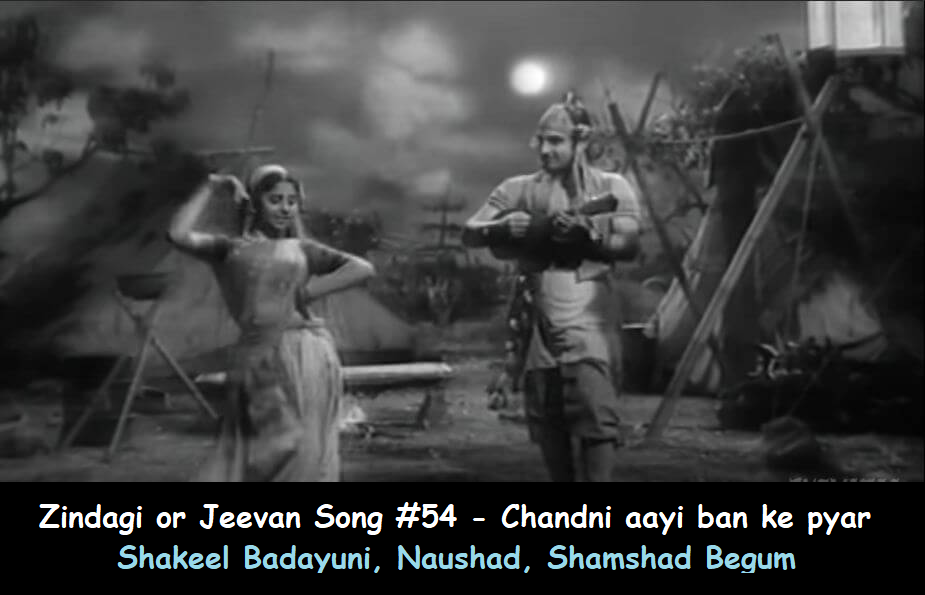
 She was 19 years old when Dulari was released. It was an important movie in her career as it was an Abdul Rashid Kardar movie that starred Madhubala in the title role and also Geeta Bali and Suresh. You see her at the end of the heavenly song: Suhani raat dhal chuki.
 Goes without saying that the songs of the movie were penned by Shakeel Badayuni and composed by Naushad.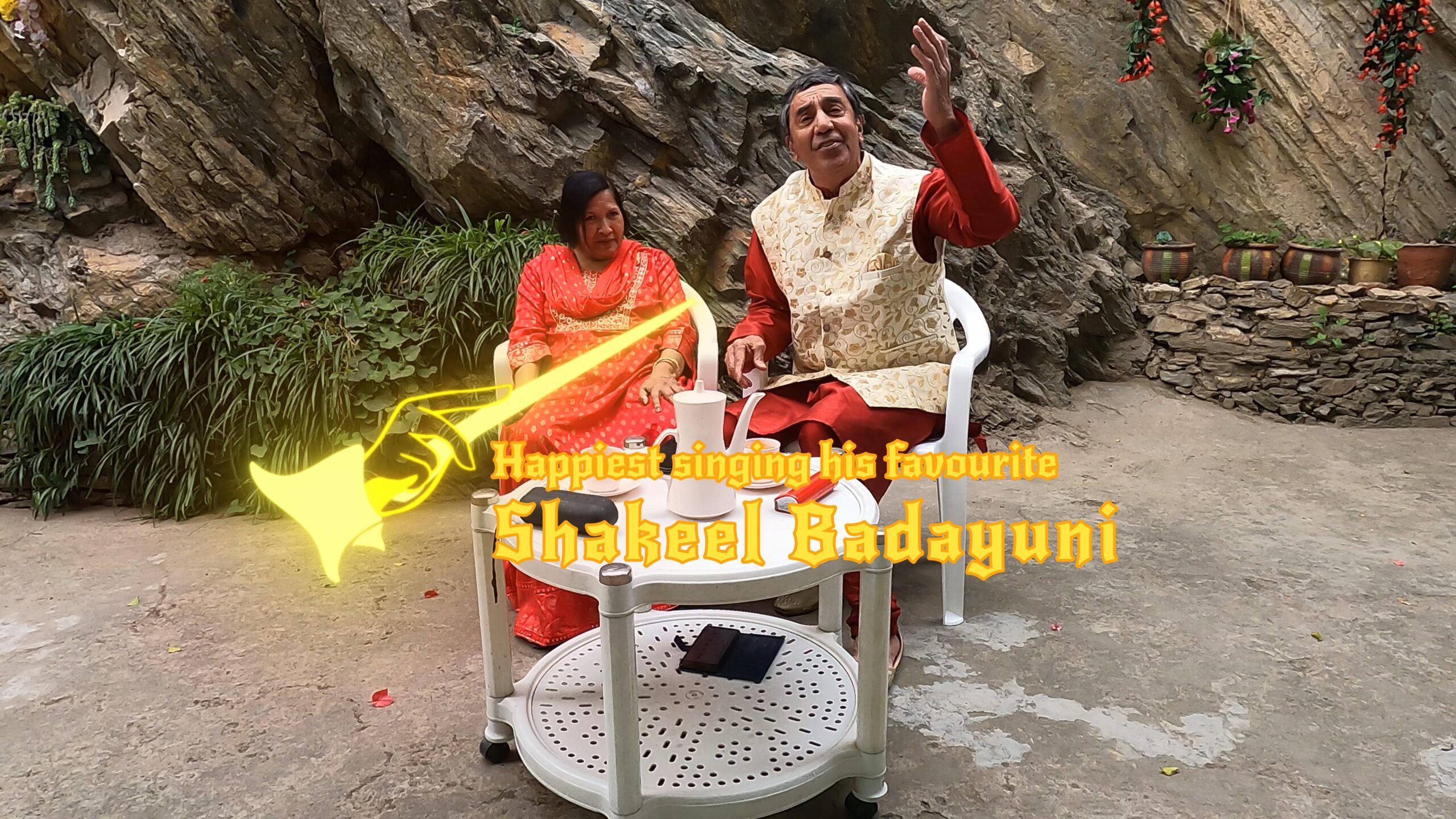
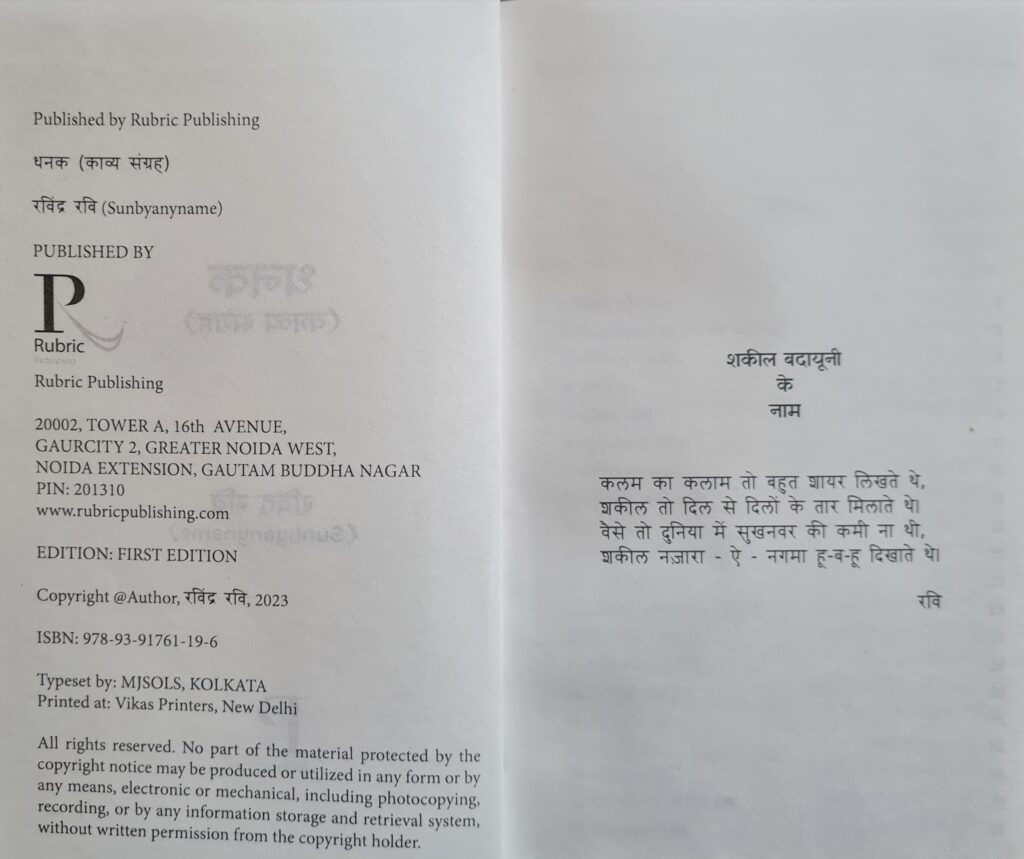
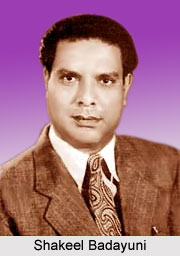 Today is the death anniversary of Shakeel Badayuni, the greatest poet and lyricist. I have penned more than 20 blogs on him. He continues being my favourite. One of the reasons is that the emotions of his songs, ghazals, and nazams come closest to my own.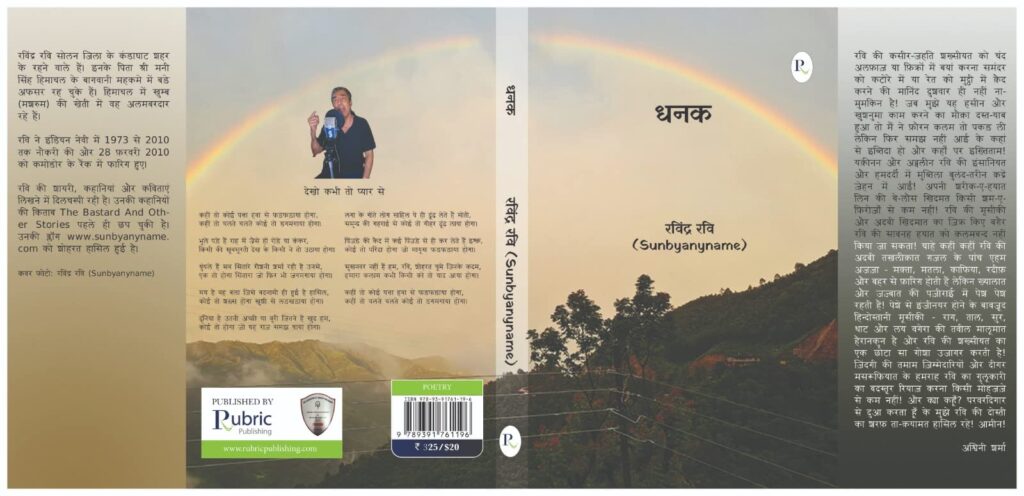
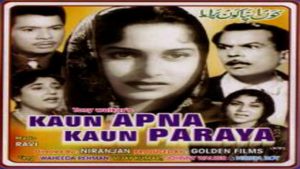 It was composed by Ravi in my favourite Raag Pahadi. Mohammad Rafi sang it. The song was picturised on Vijay Kumar and Waheeda Rehman in the hill station of Nainital for the 1963 movie Kaun Apna Kaun Praya.
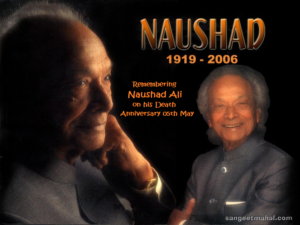 the 1952 Vijay Bhatt movie Baiju Bawra for which the composer and music director Naushad received the only Filmfare Award in his career. Later, he was honoured by the Government of India by bestowing on him Dadasaheb Phalke Award, the highest in India in cinematic excellence.
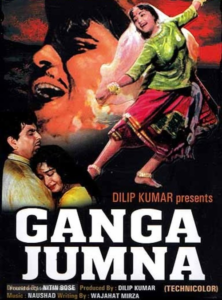 I would call this as an iconic song from the 1961 Nitin Bose (Dilip Kumar production) movie Gunga Jumna starring Dilip Kumar and Vyjayanthimala.
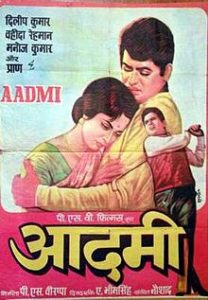 song put together by Shakeel, Naushad and Rafi for the 1968 movie Aadmi starring Dilip Kumar, Waheeda Rehman, and Manoj Kumar.
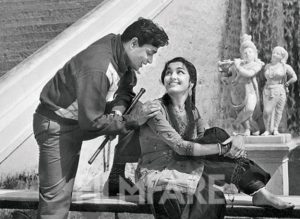 It was filmed for the 1961 SS Vasan (Gemini Productions) super-hit movie Gharana starring Rajendra Kumar and Asha Parekh.
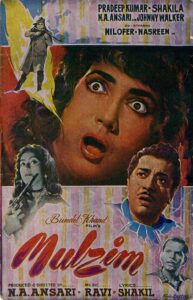 It is from the 1963 movie Mulzim starring Pradeep Kumar and Shakila.
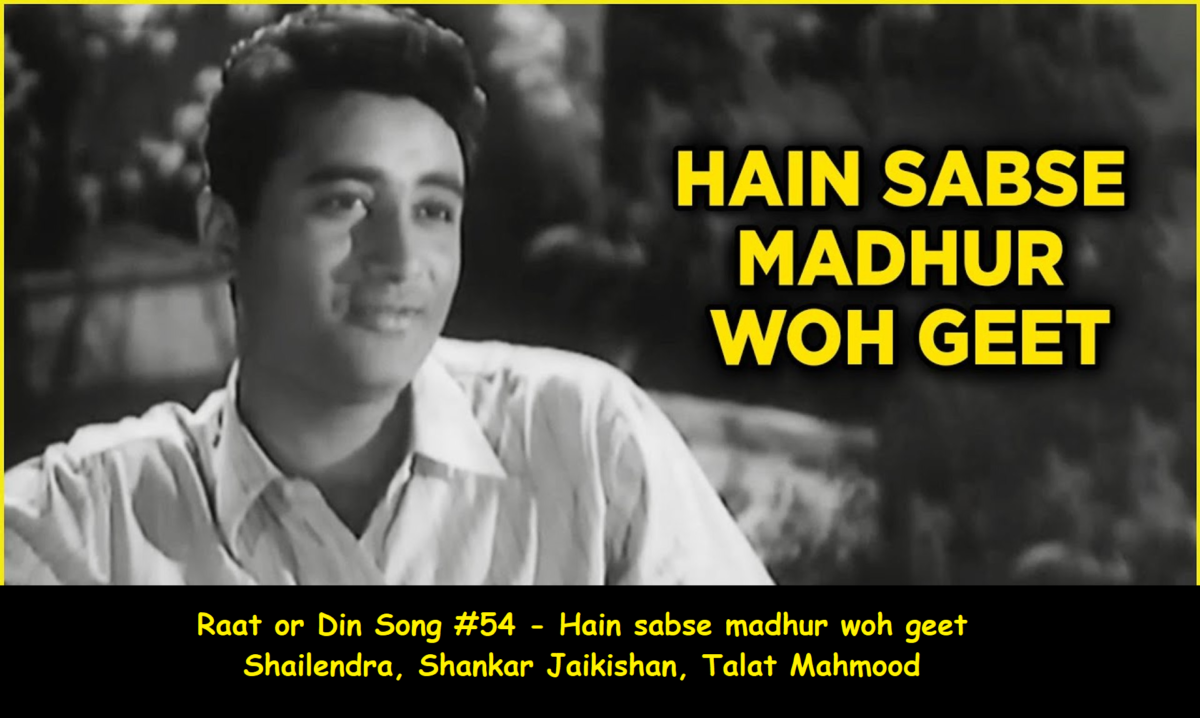
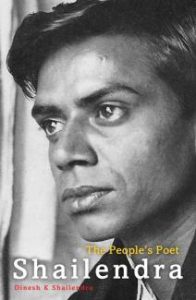 I am not saying it; the lyrics of the song say it! It is a literal translation of Shelley’s famous quote: “Our sweetest songs are those that tell of the saddest thought.”
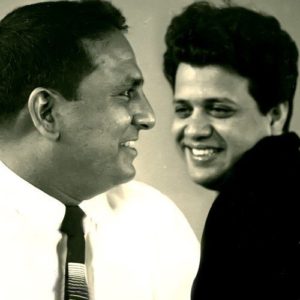 There is no doubt in my mind that they were the wizards of good music and good compositions. The 1953 movie Patita, an Amiya Chakrabarty movie starred Dev Anand and Usha Kiran in the lead roles. There was nothing unique about Dev Anand’s do-gooder role. He had perfected it in Maya too, in 1961 and many others. Hindi films industry has a way of categorising you for certain roles; as indeed it did in making Amitabh Bachchan an ‘Angry Young Man’.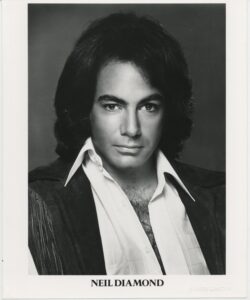
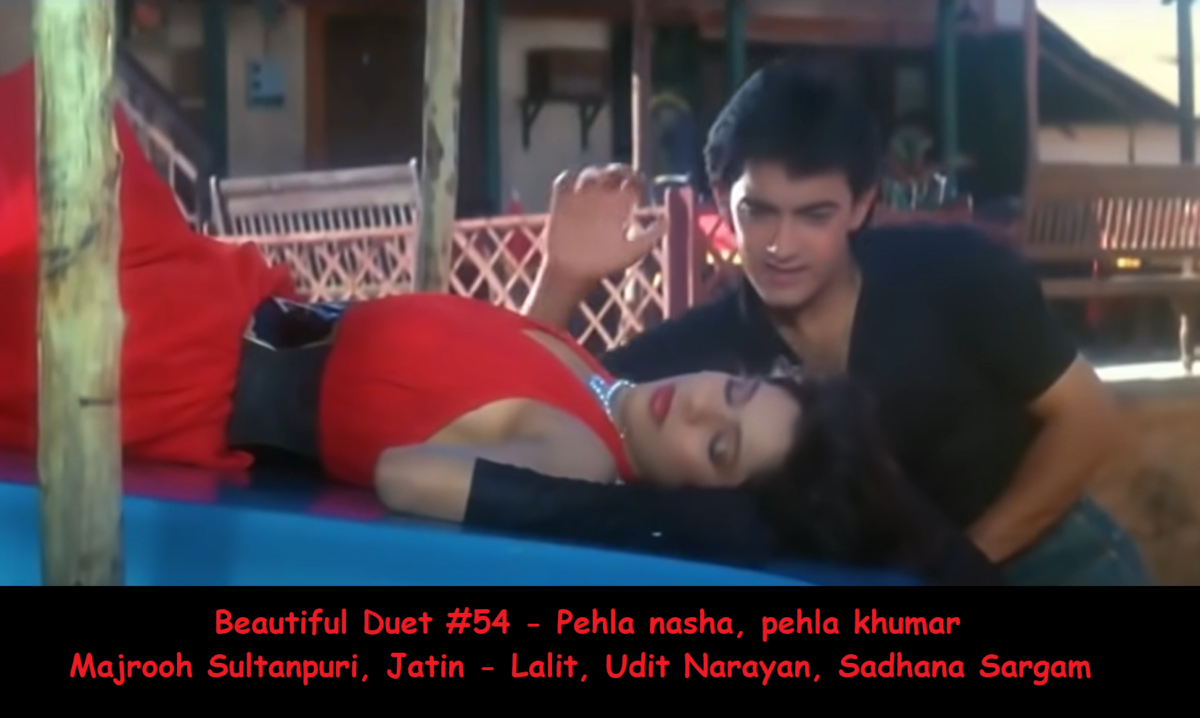
 As I mentioned in the Zindagi or Jeevan song of today: O paalanhare, nirgun aur nyaare, Udit Narayan was born on this day in 1955. One of his early high-points was to be able to sing with Mohammad Rafi in the 1980 movie Unees Bees. He later sang even with Kishore Kumar.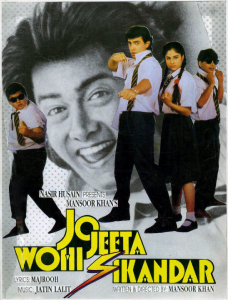
 Instead of giving my own poetry at this stage, I want to give you his song about pehla pyaar, 36 years ago, in the 1956 Raj Khosla movie C.I.D., the debut movie of Waheeda Rehman, though this song is picturised on Dev Anand and Kalpana Kartik: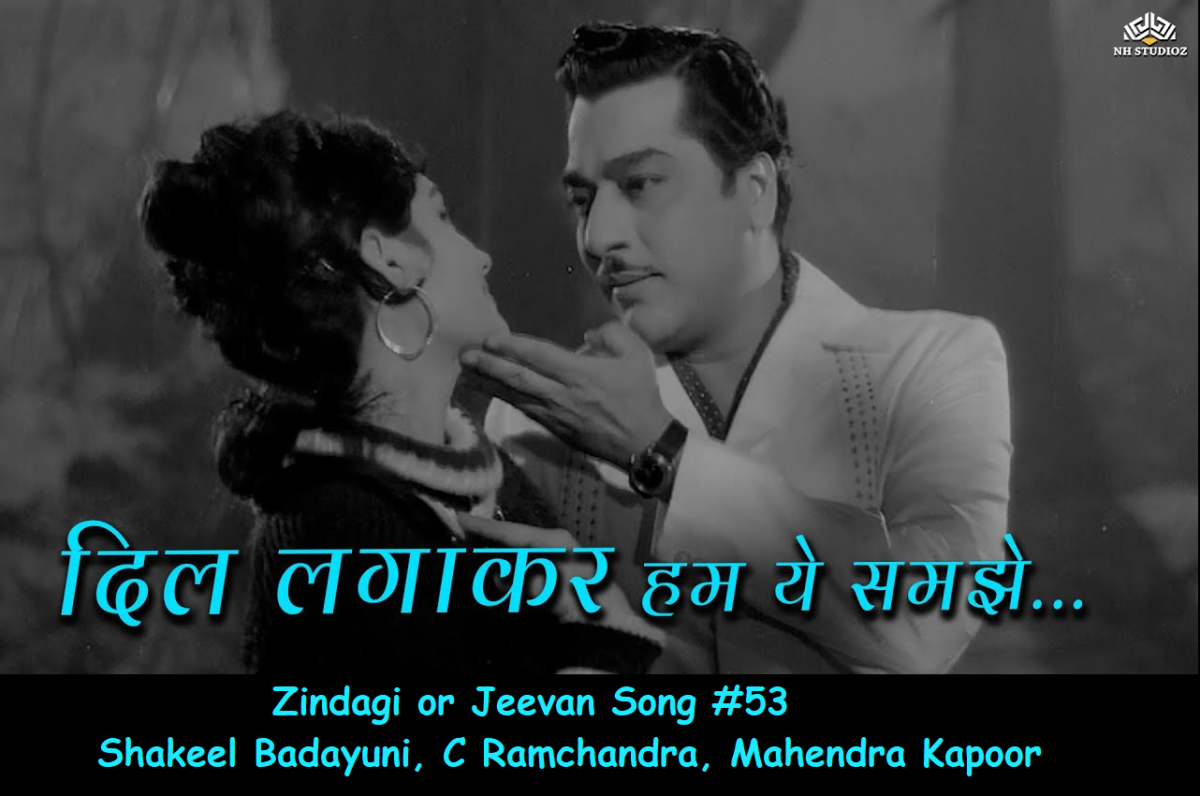
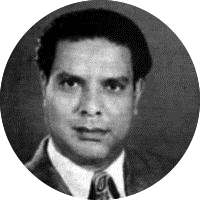 Truly, the only Zindagi that you experience is when you are in Love. Look at the difference between us Indians and the English as Ian Fleming wrote in a Jemes Bond novel, “You only live twice; once when you are born and once when you look death in the face.” Whereas, we Indians consider Zindagi as the one spent in love.
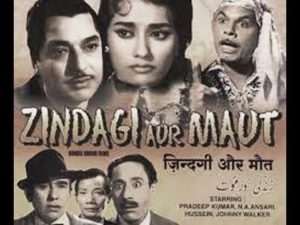 It is from the 1965 movie Zindagi Aur Maut directed by Nisar Ahmad Ansari and starring Pradeep Kumar and Faryal.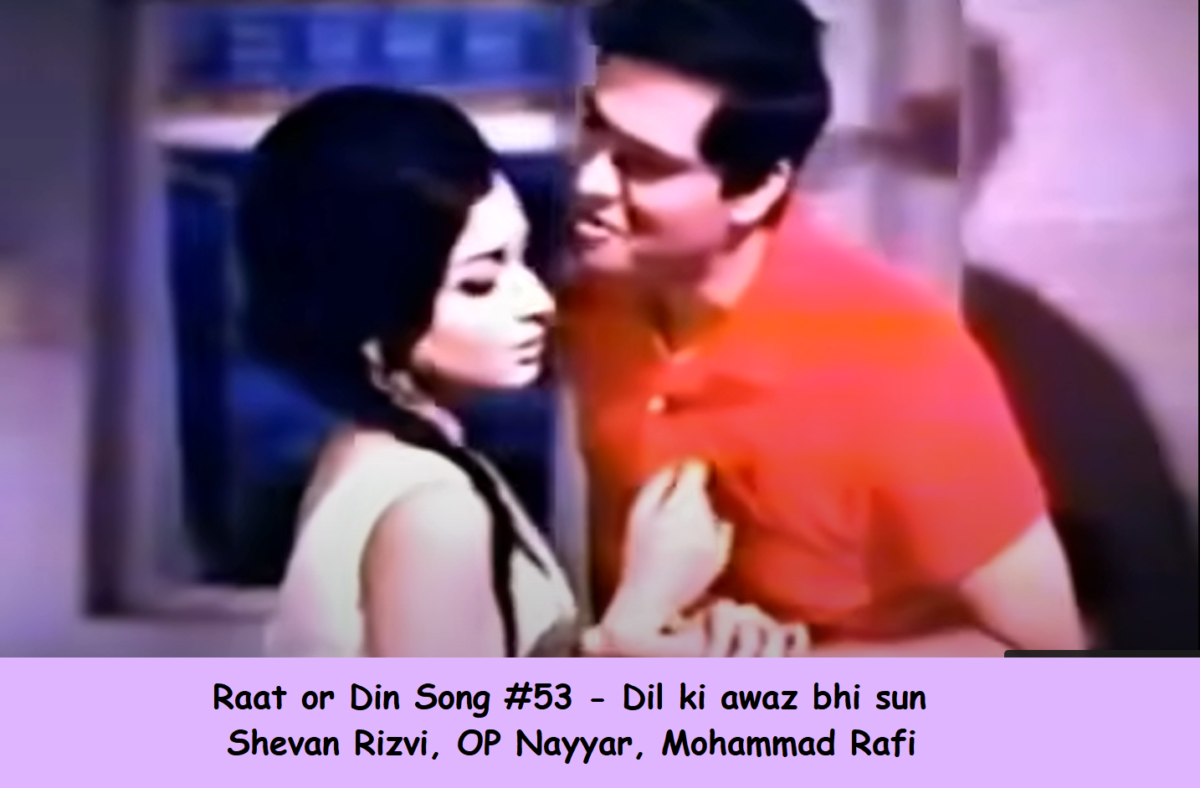
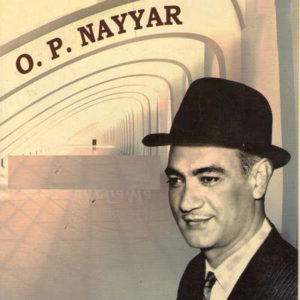 I had promised you a lot more songs from Omkar Prasad Nayyar and here I am again. You will see that the more you see the range of his songs and quality of his compositions, the more you’ll be convinced that he ranks among the greatest composers and music directors that the Hindi films have seen. His being the Music Director of a movie, invariably assured its success. Take this 1968 movie Humsaya from where I have taken this song and you’ll know what I mean:
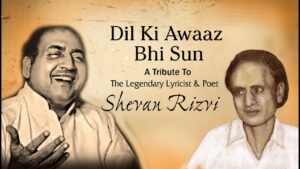 OP Nayyar’s favourite, SH Bihari, was one of the lyricist of the above songs. Hasrat Jaipuri too. However, this song was penned by Shevan Rizvi.
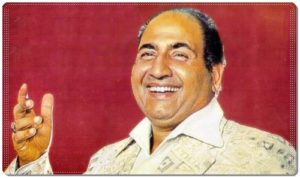 Gradually, people in this group are realising that Mohammad Rafi was the God of Songs. He sang at levels that were unimaginable by others. In every song, including this, his singing was the fastest way to transport the emotions of the song in you.