I am putting up Part III of a post that I published Part II of on his birth anniversary on 24 Dec 22.
I have always maintained that there has been no singer, male or female, like Mohammad Rafi. With his singing, he conveyed to us, what can one do to lyrics and composition simply by singing with his kind of passion, modulation, range, style and aura. Indeed, he made many songs immortal by just singing them. Irrespective of the awards and honours bestowed on other singers, more often than not due to political reasons, many like me feel that Mohammad Rafi was beyond awards including Bharat Ratna. Therefore, to be able to sing the songs earlier sung by Mohammad Rafi is a blessing and honour. This doesn’t, by any stretch of imagination, mean that anyone of us can match his prowess. It only means that we can take lots of joy and pride in the fact that we lived in the era when he was alive and fondly sing his songs to relive their magic. The songs of Part I have been:
- Aaj purani raahon se koi mujhe awaaz na de.
- Man tadpat Hari darshan ko aaj.
- Chhalke teri aankhon se.
- Hai duniya usi ki zamana usi ka.
- Paas baitho tabiyat behal jayegi.
- Tujhe kya sunayun main dilruba.
The songs of Part II have been:
- Zara sun haseena-e-nazneen.
- Ek haseen shaam ko dil mera kho gaya.
- Ajahun na aaye balma sawan beeta jaaye.
- Jo guzar rahi hai mujhpe use kaise main batayun.
- Jaan-e-bahar husn tera bemisaal hai.
- Tum ek baar mohabbat ka imtihaan to lo.
Lets start with Part III songs.
Song #13 – Aane se uske aaye bahar
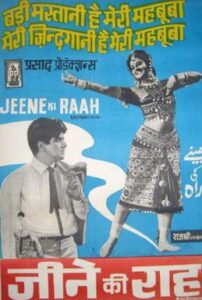
This song is by the most versatile pair of Lyricist Anand Bakshi with Composer Laxmikant Pyarelal. Whilst many such pairs were known to be perennially together by making as many as nineteen movies together, such as Shakeel Badayuni and Naushad, and Sahir Ludhianvi and SD Burman, this extraordinary pair did as many as 302 movies together. The movie from where this songs has been taken is the 1969 LV Prasad movie Jeene Ki Raah starring Jeetendra and Tanuja. The song was one of the most popular songs of that era. As it is the song had superb lyrics and composition. On top of that, Mohammad Rafi sang with unmatched verve.
Please enjoy my rendition of: Aaane se uske aayi bahar…
आने से उसके आये बहार, जाने से उसके जाये बहार
बड़ी मस्तानी है मेरी महबूबा
मेरी ज़िन्दगानी है मेरी महबूबा…
गुनगुनाए ऐसे जैसे बजते हों घुंघरू कहीं पे
आके पर्वतों से, जैसे गिरता हो झरना ज़मीं पे
झरनो की मौज है वो, मौजों की रवानी है मेरी महबूबा
इस घटा को मैं तो उसकी आँखों का काजल कहूँगा
इस हवा को मैं तो उसका लहराता आँचल कहूँगा
हूरों की मलिका है परियों की रानी है मेरी महबूबा
बीत जाते हैं दिन, कट जाती है आँखों में रातें
हम ना जाने क्या क्या करते रहते हैं आपस में बातें
मैं थोड़ा दीवाना, थोड़ी सी दीवानी है मेरी महबूबा
बन संवर के निकले आए सावन का जब जब महीना
हर कोई ये समझे होगी वो कोई चंचल हसीना
पूछो तो कौन है वो, रुत ये सुहानी है, मेरी महबूबा
Song #14 – Govinda aala re aala
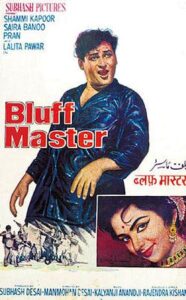
If there is one avatar of God that I adore, it is Krishna. My mother was named after the eighth guru of the Sikhs: Herkrishan, who in turn was named after Krishna. In the year 2021, Janmashtami was celebrated on 30 Aug and Lyn and I happened to be in Whispering Winds, Kandaghat. To sing a bhajan on that auspicious day, I couldn’t think of anything better or more popular than this one. This was penned by Rajinder Krishan and composed by Kalyanji Anandji for the 1963 Manmohan Desai movie Bluff Master starring Shammi Kapoor in the title role, supported by Saira Banu. Mohammad Rafi made it as the most popular Janmashtami song of all times.
Please enjoy my rendition of: Govinda aala re aala…
र : गोविंदा आला रे आला ज़रा मटकी स.म्भाल बृजबाला
को : गोविंदा आला रे …
र : अरे एक दो तीन चार संग पाँच छः सात हैं ग्वाला
को : अरे एक दो तीन …
र : आई माखन के चोरों की सेना
को : आई माखन के चोरों की सेना
र : ज़रा बचके स.म्भल के जी रहना
को : ज़रा बचके स.म्भल के जी रहना
र : बड़ी नटखट है फ़ौज कहीं आई जो मौज
( नहीं बचने का ) -२ कोई भी ताला ताला
गोविंदा आला रे …
हो कैसी निकली है झूम के ये टोली
को : हो कैसी निकली है झूम के ये टोली
र : आज खेलेगी दूध से ये होली
को : आज खेलेगी दूध से ये होली
र : भीगे कितना भी अंग ठंडी हो ना उमंग
( पड़े इनसे ) -२ किसी का न पाला पाला
गोविंदा आला रे …
Song #15 – Mittar pyaare nu.
This hymn was written, composed and sung by the tenth guru of the Sikhs: Guru Gobind Singh.
Guru Gobind Singh was the finest example of scholar-warrior in the Indian history. The Gurus were spiritual leaders but, when a war was imposed on them by the cruelties of the mughals, they took up sword to fight for the just cause. When he was told that the mughals outnumbered the Guru’s warriors, he came up with the slogan that each one of his warriors is equivalent to ‘sawa lakh‘ (1.25 lakhs). A few years later, in the Battle of Saragarhi (acknowledged by the UN as one of the bravest battles ever fought in the world (see Wikipedia), his disciples, just 21 in number fought against 10000 Afghans without accepting defeat).
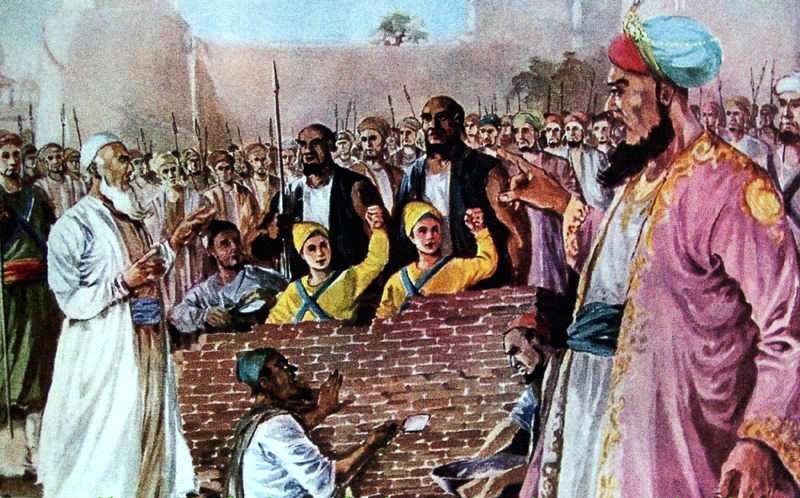
How was this leadership possible? Simple, by setting a personal and familial example. Guru ji let go of all his personal comforts and fought like any of his other warriors, accepting hardships, accepting despondency and moving on (this is not mythological; this is recorded history). He sacrificed his four sons at tender ages: Jujhar Singh (b. 1691), Zorawar Singh (b. 1696) and Fateh Singh (b. 1699) and Ajit Singh ((b. 1687) in the battle. They were so young when they achieved martyrdom that when I was small, I used to listen to this poem:
“Nanhe nanhe bachche chine’ gaye deewaron mein, Muskraahat bhi na jinaki chheen paaya tha zamaana, Laal aise hi hamaari veer mitti ne jamen hain, Sar kataana theek hai jinake liye galat gardan jhukaana.” (Small, tender children were paved in the walls, The world had not yet stolen their smiles, Lads like that our brave soil had produced, For them it was right to get their heads severed but wrong to bend the neck (in slavery).
And when their mother (an equal partner in this leadership) was told about their sacrifice, she had this to say: “Chaar muye to kyaa huya Jeevat kayi hazaar” (So what I lost four sons, I have thousands more)
I am inspired by this hymn because suddenly whilst listening to this I am raised to that level whence I realise that God as a friend is beyond despondency, beyond all worldly pleasures. He calls you to do your duty (as Lord Krishna directed Arjuna in the Battle of Mahabharat) and not to worry about the results since He would take care of them. Interim trials and tribulations should never shake your faith.
This beautiful hymn by Guru Gobind Singh, was recited in the Machhivara forest when he was separated from everyone after leading them in the Battle of Chamkaur; not everyone because the connection to the Lord remained strong as always.
Please enjoy my rendition of: Mittar pyaare nu…
Mitr piyaare nu haal mureeda da kehnaa ॥ Tudh bin rog rajaaeeaan da oudhan naag nivaasa de rehna ॥ Sool suraahi khanjar piyaala bing kasaaeeaan da sehna ॥ Yaararre da saanoo saathhar changaa bhathh khaerriaa da rehna ॥
Tell the beloved friend (the Lord) the plight of his disciples. Without You rich blankets are a disease and the comfort of the house is like living with snakes. Our water pitchers are like stakes of torture and our cups have edges like daggers. Without You we are like animals at the hands of butchers. Our Beloved Lord’s straw bed is more pleasing to us than living in costly mansions.
Song #16 – Nigaahen na phero chale jayenge hum
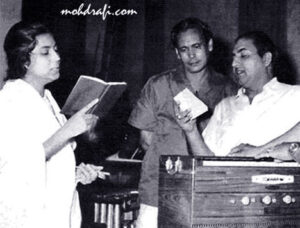 This is one of my favourite songs sung separately (not as duet) by Mohammad Rafi and Suman Kalyanpur.
It is from the unreleased 1959 movie Black Prince.
The song was penned by Upendra and composed by Dulal Sen.
Please enjoy my rendition of Mohammad Rafi version of: Nigahen na phero…
निगाहे न फेरो चले जायेंगे हम
निगाहे न फेरो चले जायेंगे हम
मगर याद रखें के याद आयेंगे हम
याद आयेंगे हम
निगाहे न फेरो चले जायेंगे हम
तुमने जादू किया है नज़रों से नज़रे मिलके
तुमने जादू किया है नज़रों से नज़रे मिलके
आशिया अब तो बना मेरे पहलु में आके
न दामन छुड़ाना बेहक जायेंगे हम
याद आयेंगे हम
निगाहे न फेरो चले जायेंगे हम
भीगा भीगा है शामा हम तुम दोनों है यहाँ
भीगा भीगा है शामा हम तुम दोनों है यहाँ
क्यों न खो जाये सनम दिल की धड़कन है जवा
न तड़पाओ इतना के मर जायेंगे हम
याद आयेंगे हम
निगाहे न फेरो चले जायेंगे हम.
Song #17 – Aise to na dekho
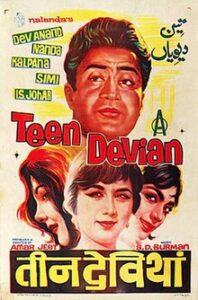
This song from the 1965 Amarjeet movie Teen Devian was sung stunningly beautifully by Mohammad Rafi as he did with most songs that Mohammad Rafi sang for the music director SD Burman. The movie starred Dev Anand and Simi Grewal, Nanda and Kalpana as the three goddesses (Teen Devian).
The lyrics of the song were penned by Majrooh Sultanpuri. SD Burman composed these in Raag Gara.
Please enjoy my rendition of: Aise to na dekho…
ऐसे तो न देखो, के हमको नशा हो जए
ख़ूबसूरत सी कोई हमसे ख़ता हो जाए (२)
ऐसे तो न देखो
तुम हमें रोको फिर भी हम ना रुकें
तुम कहो काफ़िर फिर भी ऐसे झुकें
क़दम-ए-नाज़ पे इक सजदा अदा हो जाये
ऐसे तो न देखो
यूँ न हो आँखे रहें काजल घोलें
बढ़ के बेखुदी हंसीं गेसू खोलें
खुल के फिर ज़ुल्फ़ें सियाह काली बला हो जाये
ऐसे तो न देखो
हम तो मस्ती में जाने क्या क्या कहें
लब-ए-नाज़ुक से ऐसा न हो तुम्हें
बेक़रारी का गिला हम से सिवा हो जाये
ऐसे तो न देखो
Song #18 – Mujhe le chalo aaj phir us gali mein

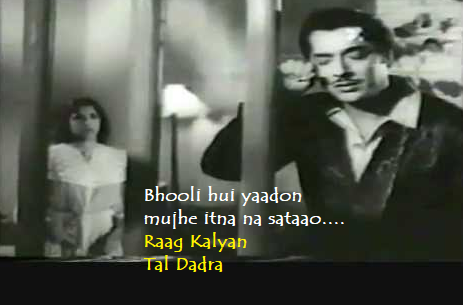
Dev Anand made an image for himself as the romantic hero with a tilt in his walk and super chemistry with all his heroines. However, he also perfected his roles and songs of sadness. In the 1964 Raj Rishi movie Sharabi that had Madhubala as the object of his love, Dev Anand got ample opportunity to polish the sad role and songs. Madan Mohan together with Rajinder Krishan created some unforgettable songs such as this one, Sawan ke mahine mein, and Kabhi na kabhi kahin na kahin koi na koi to aayega. This was the most melancholic of them all.
Please enjoy my rendition of: Mujhe le chalo aaj phir us gali mein…
मुझे ले चलो, आज फिर उस गली में
जहाँ पहले-पहले, ये दिल लड़खड़ाया
वो दुनिया, वो मेरी मोहब्बत की दुनिया
जहाँ से मैं बेताबियाँ लेके आया
मुझे ले चलो …
जहाँ सो रही है मेरी ज़िंदगानी
जहाँ छोड़ आया मैं अपनी जवानी
वहाँ आज भी एक चौखट तज़ा
मोहब्बत के सजादों की होगी निशानी -२
मुझे ले चलो …
वो दुनिया जहाँ उसके नक़्श-ए-कदम हैं
वहीं मेरी खुशियाँ, वहीं मेरे ग़म हैं
मैं ले आऊँगा खाक उस रहगुज़र की
के उस रहगुज़रा की, तो ज़र्रे सनम है -२
मुझे ले चलो …
वहाँ एक रँगेएं चिलमन के पीछे
चमकता हुआ उसका, रुख़सार होगा
बसा लूँगा आँखों में वो रोशनी मैं
यूँ ही कुछ इलाज-ए-दिल-ए-ज़ार होगा -२
मुझे ले चलो …
मुझे ले चलो, आज फिर उस गली में
जहाँ पहले-पहले, ये दिल लड़खड़ाया
वो दुनिया, वो मेरी मोहब्बत की दुनिया
जहाँ से मैं बेताबियाँ लेके आया
मुझे ले चलो …
In the third part, once again, I have given you a wide range of songs of the greatest singer Mohammad Rafi. I hope you liked my selection.
So as not to make the post longer than 30 minutes of your listening pleasure, I give you only six songs at a time.
Please await songs of Part IV.
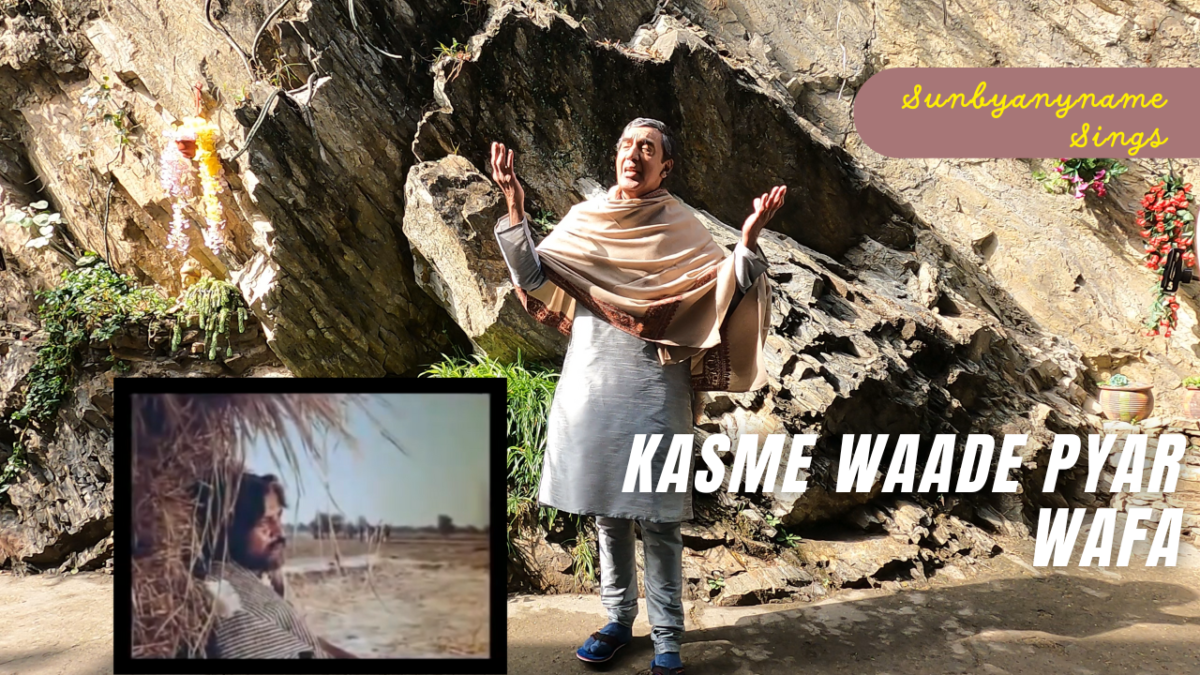
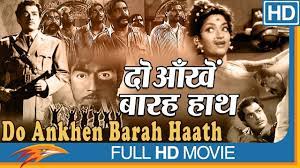 I saw this 1957 V Shantaram movie, Do Aankhen Barah Haath on a portable screen in our Jawahar Colony in the Himachal town of Mandi. The film had an impressive legacy: it won the 1957 National Film Award. It won a Silver Bear at the Berlin International Film Festival. It also won a Golden Globe Award for the best film produced outside the United States.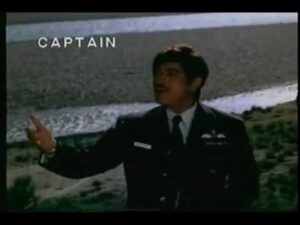
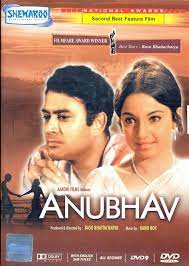 Phool or flower is often compared to blossoming of Love. The last thing that the lovers want is that it should be called infatuation. This is exactly the theme of this Manna De song. This ranks amongst his best. The song is from the 1971 movie Anubhav directed by Basu Bhattacharya and starring Sanjeev Kumar and Tanuja. Lyrics are by Kapil Kumar and music by Kanu Roy. The latter composed it in Raag Desh. You may recall OP Nayyar’s Beqasi hadd se jab guzr jaaye in the same raag.
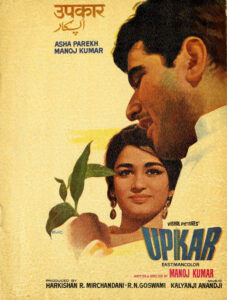 Our late Prime Minister Lal Bahadur Shastri gave the nation a motto: Jai Jawan, Jai Kissan. He asked actor Manoj Kumar who enacted the role of Bhagat Singh in Shaheed to make a movie based on soldiers and farmers. Manoj Kumar came up with his 1967 directorial debut movie Upkar that was the top box office hit of that year. It won as many as seven awards at the Filmfare Awards and won the Second Best Feature Film Award at the National level.
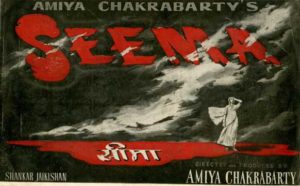 I have taken the song from the 1955 Amiya Chakraborty movie Seema starring Nutan and Balraj Sahni.
 Incidentally, both the movies won Nutan Best Actress Awards, as did three other movies: Sujata, Milan and Main Tulsi Tere Aangan Ki.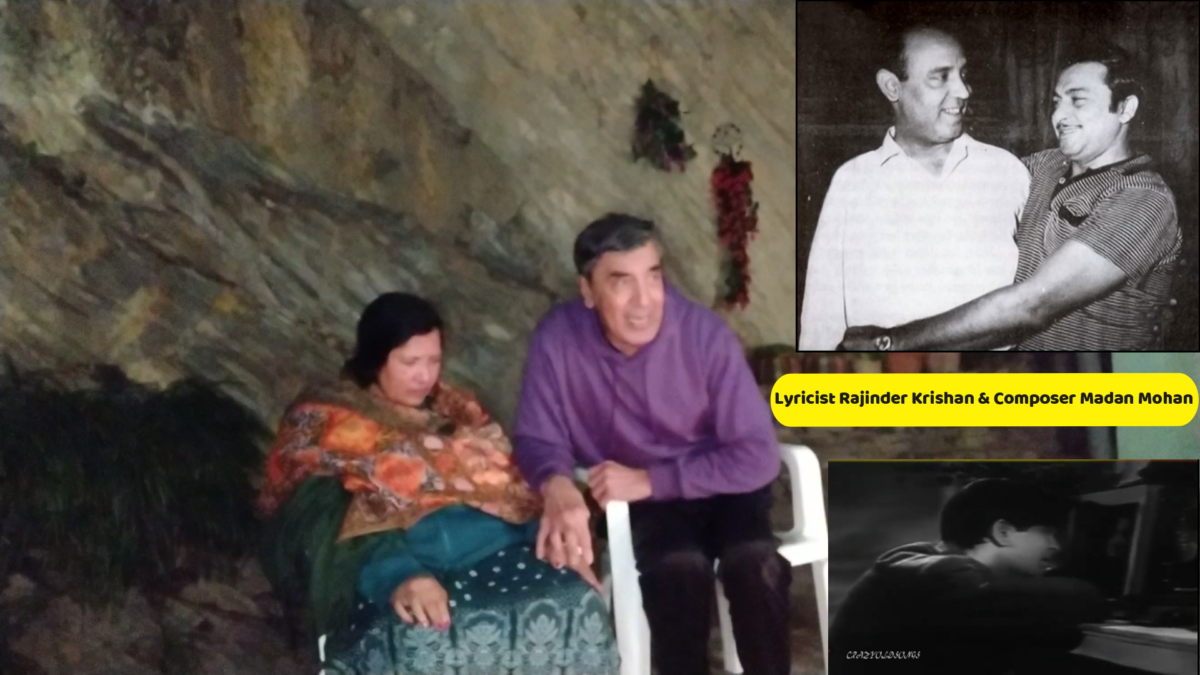
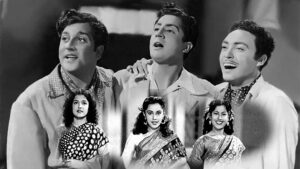 The song is from a 1957 farcical comedy Dekh Kabira Roya directed by Amiya Chakravarty. Three artistes: a singer, painter and writer, ie, Anoop Kumar as Mohan, Daljit as Pradeep, and Jawahar Kaul as Ranjit, have their talents mixed up as they fall in love with three girls: Ameeta as Geeta, Anita Guha as Rekha and Shubha Khote as Kalpana. Their feigned talents as per the liking of their girl friends lead to the farcical comedy.
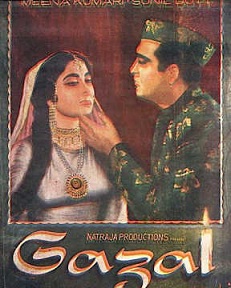
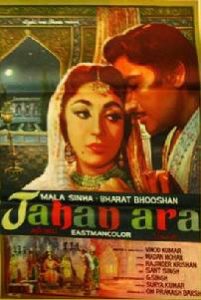 This ghazal is from the 1964 Vinod Kumar movie Jahan Ara starring Prithviraj Kapoor as Shah Jahan and Mala Sinha as his daughter from his favourite wife Mumtaz. At her death two things happened: One, of course, was that Shah Jahan built one of the seven wonders of the world: Taj Mahal and the second was that Mumtaz loved Shah Jahan so much that she took a promise from Jahan Ara that she would, after Mumtaz, look after her father Shah Jahan and not get married.

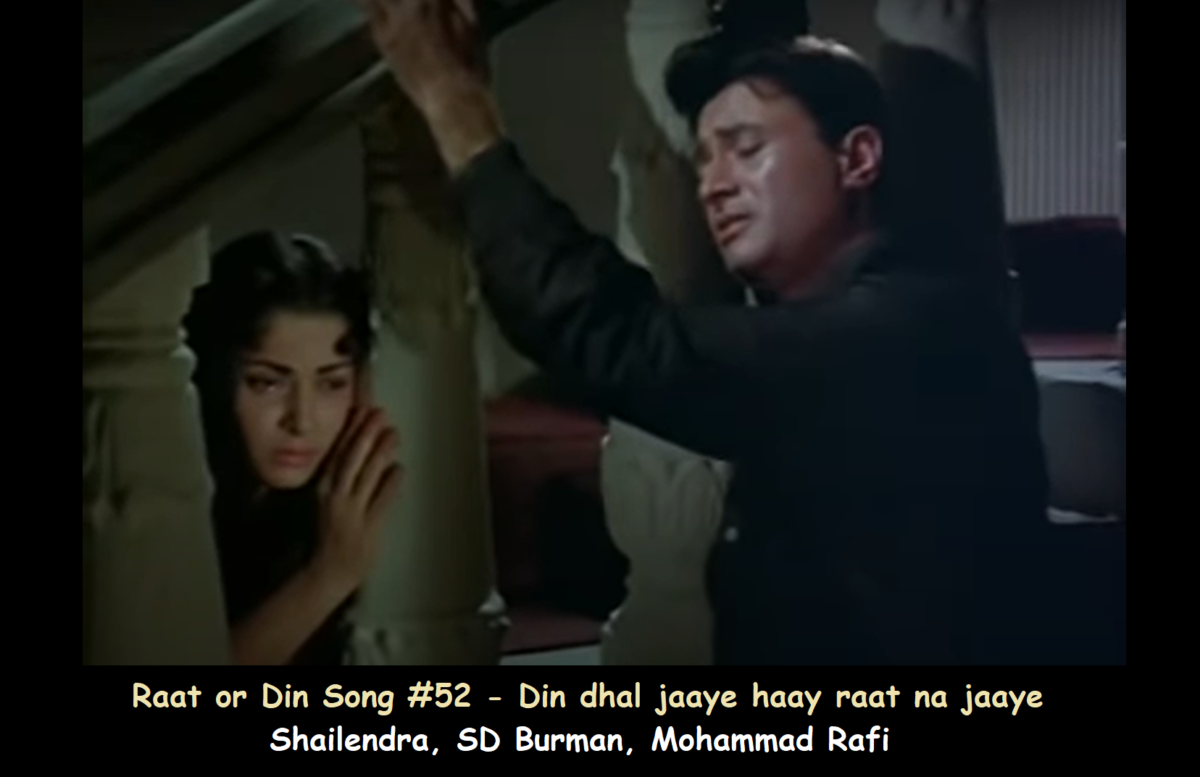
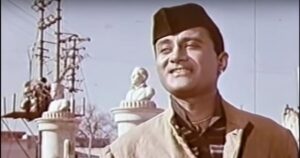 Dev Anand died young on this day in 2011, at the age of 88 years. Before dying, he had wooed women who were not even born at the time when he had reached half his age.
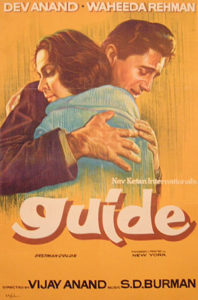 Seeing Dev Anand movies was a favourite pastime with all of us; eg, I haven’t come across any of my friends who hasn’t see the 1965 movie Guide. The three Anand brothers were in the movies: Chetan Anand, Vijay Anand and Dev Anand and in their own ways left marks. This movie was produced by Dev Anand’s Navketan Films and directed by Vijay Anand. It starred Waheeda Rehman having been married to Kishore Sahu an archaelogist who had more interest in ruins than in his wife. And hence, Waheeda fell for Raju Guide Dev Anand.
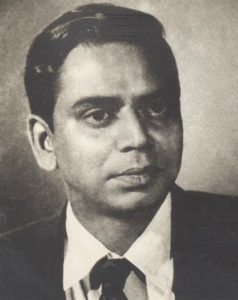 They paired together from the days of 1951 movie Buzdil. It is in the 1963 Bimal Roy movie Bandini that they developed a rift and thus Sampooran Singh Kalra was brought in by SD Burman to write songs and we all gained from his lyrics (later to emerge as the most successful lyricist Gulzar).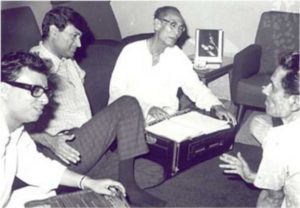
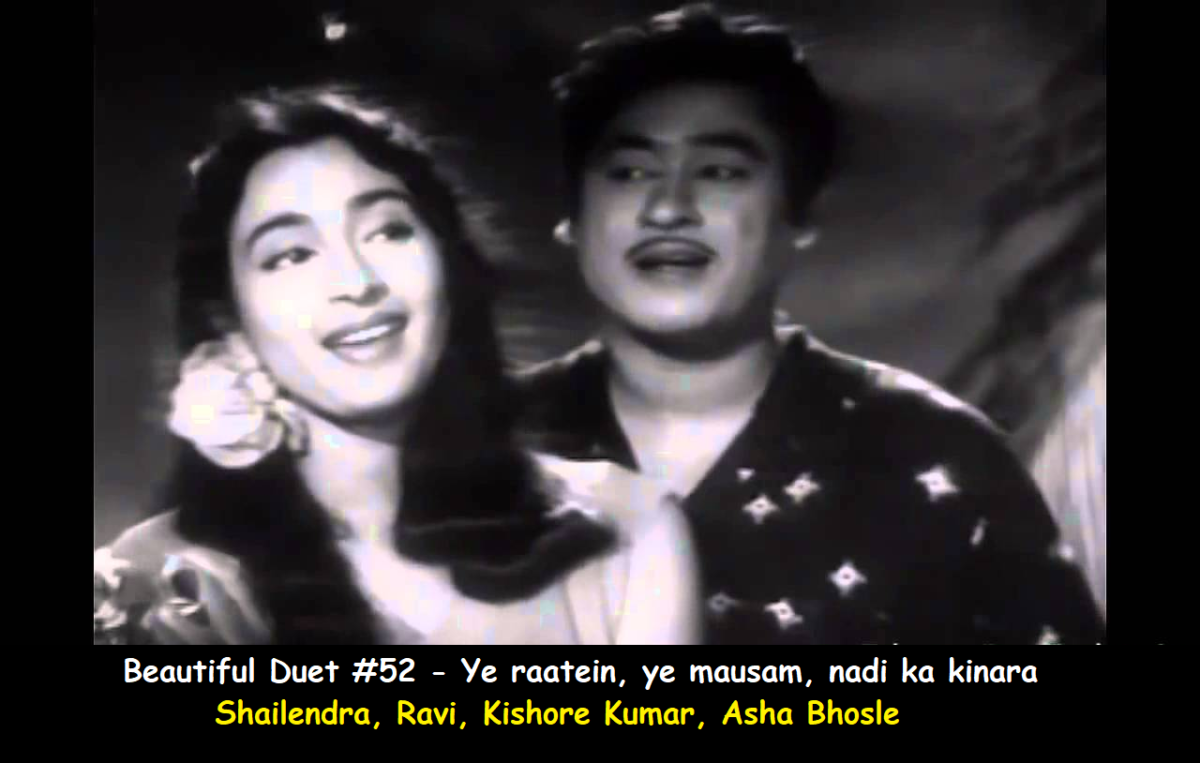
 Many of Ravi’s songs are similar to those of OP Nayyar and it amazes us no end since the forte’ of Ravi was sitar based serious songs (such as Tora man darpan kehlaye and songs that were dripping with despondency (Lo aa gayi unki yaad woh nahin aaye). Two songs that come to mind are: One, from China Town, ie, Baar baar dekho (Lyrics by Majrooh who, as I told you today itself, often paired with OP Nayyar), and this one penned by Shailendra.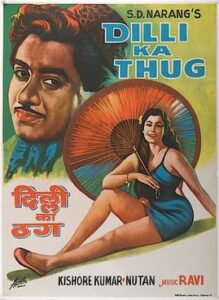
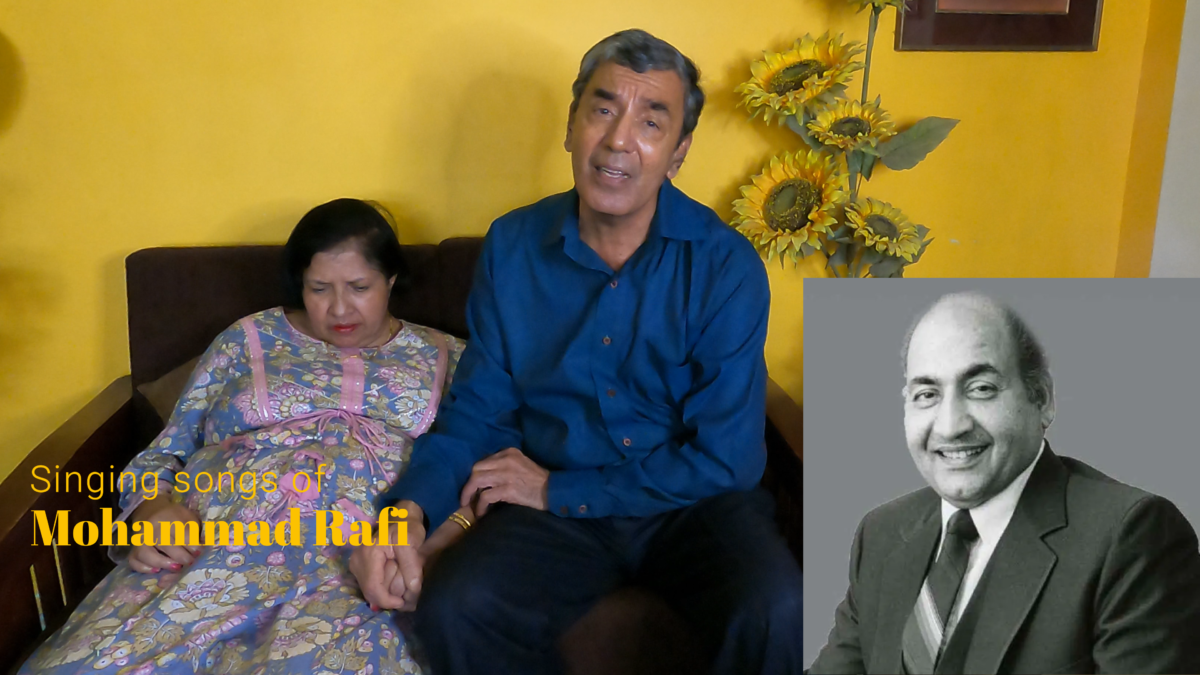
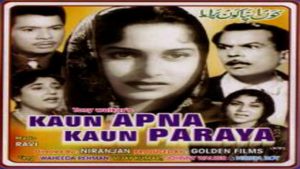 As always, I want to start with my favourite poet and lyricist: Shakeel Badayuni. This blog has more posts on him than on any other lyricist.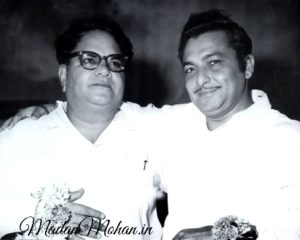

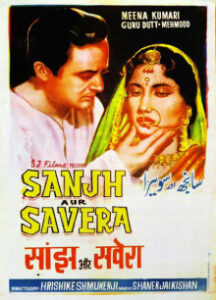 This song is from the 1964 Hrishikesh Mukherjee movie Saanjh Aur Savera starring Meena Kumari and Guru Dutt besides the comedy duo of Mehmood and Shubha Khote.

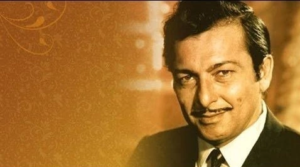 Madan Mohan