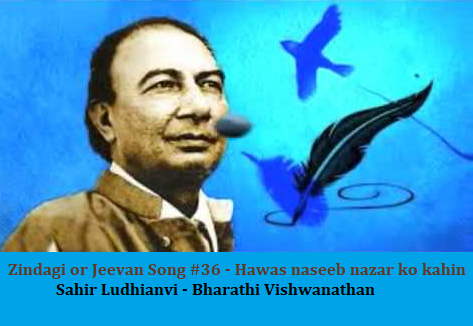
Zindagi or Jeevan Songs Series
I started this series on my Facebook group Yaad Kiya Dil Ne on 18 Oct 20. Since then, many other members have put up these songs. Here, I shall be giving you one of my own, per day.
I hope you liked my choice for Song #35 – Aaj sajan mohe ang laga le in Zindagi or Jeevan Songs series. Let’s start with Song #36.
Song #36
Hawas-naseeb nazar ko kahin qaraar nahin
Theme-word: Occurs thrice in the ghazal, the first one in the misra: Abhi hayat ka mahaul khushgavar nahi
The Advantages I Gained in My Formative Years
I lived during my childhood and boyhood in Himachal since my father was posted there. After the primary school, we had to take up Urdu as the second language. This helped me a lot to understand the intricacies of this language that I call ‘The Language of the Heart‘ (If you have time, please go through two of my essays on it: 1. Urdu – A Language of the Heart and 2. Hasya Panktiyan of the Day #48 – Zaalim Ustaad Urdu Ka
It doesn’t end there. Having been born in a Sikh family, I acquired the love for Sri Guru Granth Sahib from my parents. Among other things, this helped me gain a basic understanding of Raagas (there are sixty raagas in SGGS including the one devised by the ninth Guru: Guru Tegh Bahadur).
Most Hindi songs of the era were penned in Urdu or at least contained considerable Urdu words. Even typically Hindi poets and lyricists like Neeraj and Bharat Vyas too delved in Urdu. It wasn’t considered necessary to leave this indigenous language of India only to a particular community.
These advantages, therefore, brought me closer to lyricists and poets who wrote beautifully in Urdu. Thanks to this love, my favourite continues being Shakeel Badayuni and others such as Sahir, Majrooh, Hasrat Jaipuri and Raja Mehdi Ali Khan continued to influence me throughout.
Ghazals of Sahir Ludhainvi
Sahir Ludhianvi
(08 Mar 1921 – 25 Oct 1980)
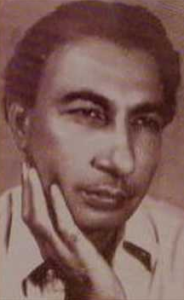 Sahir was his takhallus. If Shakeel means Handsome, Sahir means Magician. He was born as Abdul Hayee on 08 Mar 1921 in Ludhiana (Punjab). He emerged as one of the greatest poets and lyricists of his era. If his poetry and lyrics often favoured women and women’s causes, eg, his famous poem/song Aurat ne janam diya mardon ko; there was a strong reason for it. He was only 13 when his father married again. His mother, Sardar Begum, took the bold step of leaving his father renouncing all rights in the property. The father was not satisfied and wanted possession of young Abdul. As early as in 1935 in India, the mother won!
I know a number of anecdotes of his in Khalsa High School, Ludhiana. He was fined Rupees Five for sitting with a female in principal’s lawn. He took out ten rupees and said he would do it again! He was expelled and shifted to Lahore.
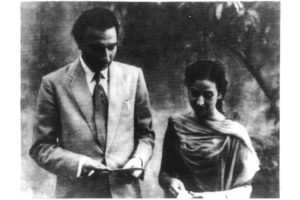 His most talked about love affair was with the writer Amrita Pritam who became an ardent fan of his poetry.
He has written some of the finest lyrics for Hindi movies such as Taj Mahal, Hum Dono, and Gumraah.
His non filmy ghazals and nazams are equally famous.
Here I give you a favourite of mine (I reckon it is his greatest).
As a Lyricist, your ambit is small (as dictated by the plot). However, as a Poet your writings often reflect the state of your mind and your own personal emotions. I would urge you to consider that whilst reading further.
HAWAS NASEEB NAZAR KO KAHIN QARAAR NAHIN
Havas-nasib nazar ko kaheen qarar nahi
Main muntazir hun magar tera intazar nahi
(Havas-nasib = destined for lust; qarar = rest, repose; muntazir = expectant)
Hamin se rang-e-gulistan hamin se rang-e-bahar
Hamin ko nazm-e-gulistan pe ikhtiyar nahi
(rang-e-gulistan = colour of garden; rang-e-bahaar = colour of spring; nazm-e-gulistan = poem of garden; ikhtiyaar = control)
Abhi na chhed mohabbat ke geet ae mutarib
Abhi hayat e mahaul khushgavar nahi
(mutarib = singer, minstrel; hayat = life; mahaul = atmosphere; khushgavar = agreeable, pleasant)
Tumhare ahd-e-wafa ko ahad main kya samajhun
Mujhe khud apni mohabbat ka aitabar nahi
(ahd-e-wafa = promise of fidelity; ahd = promise; aitbaar = belief)
Na jane kitne gile is mein muztarib hai nadim
Wo ek dil jo kisi ka gilagusar nahi
(Gile = complaints; muztarib = restless; nadim = favourite courtier of a king; gilagusar = complainant)
Gurez ka nahi qayal hayat se lekin
Jo sach kahun to mujhe maut nagavar nahi
(Gurez = escape, evasion; qayal = agree, consent; hayat = life; nagavar = unpleasanr)
Ye kis maqam pe pahuncha diya zamane ne
ki ab hayat pe tera bhi ikhtiyar nahi
(maqam = place, position; hayat = life; ikhtiyaar = control)
My Own Poetry
MERA WAFA PE SHAQ NA KARNA
अपनी ही ज़िन्दगी पर अब मुझे इख़्तियार नहीं,
इलाज ए मरीज़ मेरा हो, मुझे इंतजार नहीं ।
दिल की बेक़रारी जब मुझे समझ आने लगी,
देखता क्या हूँ मैं अब दिल – ए – बेक़रार नहीं ।
जाने क्या राख के ढेर में खोजते रहते हो,
इन खिज़ाओं में अब कहीं कोई बहार नहीं ।
मोहब्बत में बस यही रह गया था देखने को,
अपनी ही मुहब्बत पर मुझे ऐतबार नहीं I
जाम तेरा लब पे आने से पहले ही सूख गया,
फिर भी तेरे मैखाने से मैं बेज़ार नहीं I
मेरे मरने के बाद तुम्हे खुद एहसास होगा,
जुर्म हुआ ज़रूर है, पर मैं गुनहगार नहीं I
तमन्नाओं का किया खून, आरज़ूओं को जला डाला,
अपने किये का मैं फिर भी शर्मसार नहीं I
तू न समझे पर लोग समझ जायेंगे, रवि,
मैंने मर के भी निभाई है, मैं बेवफा दार नहीं I
The Ghazal
Ladies and gentlemen, for once I have tried not to give you Mohammad Rafi’s rendition of the greatest ghazal by this great poet and lyricist. I am giving you the one sung by Bharathi Vishwanathan.
Please enjoy: Hawas naseeb nazar ko kahin qaraar nahin…
I hope you enjoyed my choice for Song #36 in the series.
Please await Song #37 – Ek haseen shaam ko dil mera kho gaya.
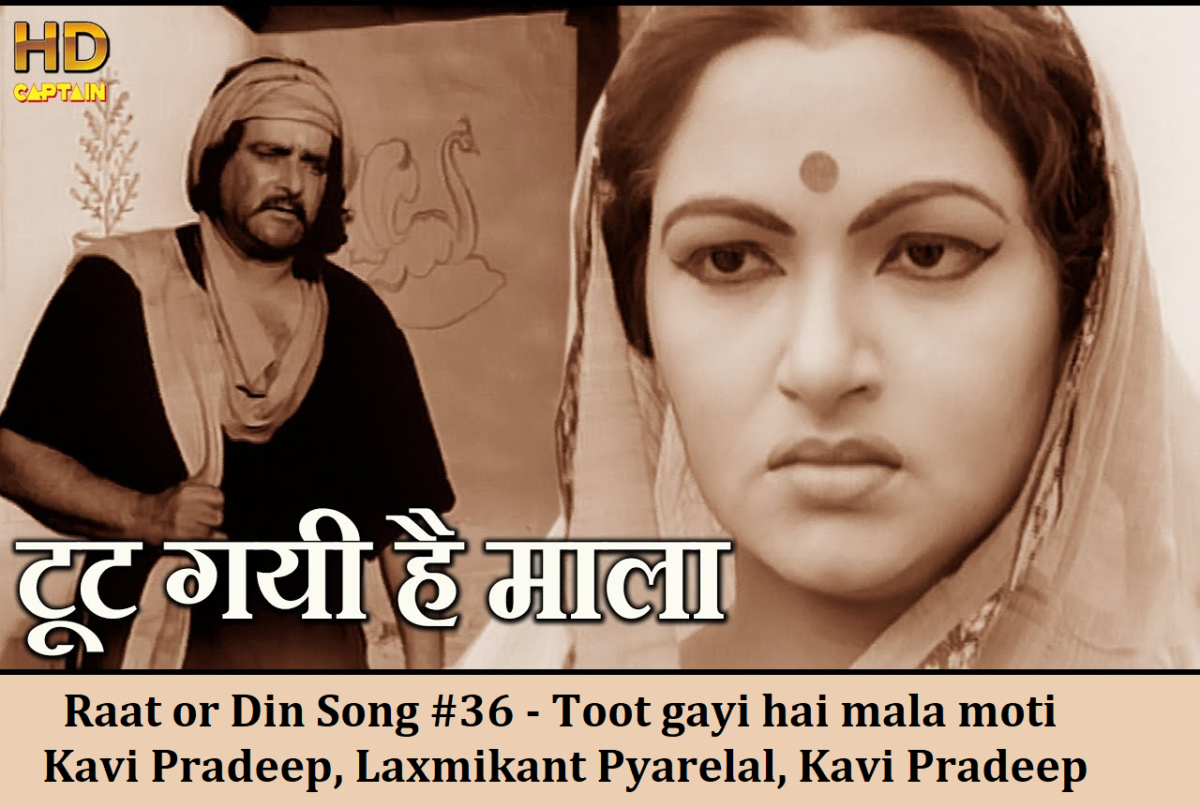
 He was born on this day in 1906 in Tehsil Samundri, Lyallpur District of that part of Punjab, which is in Pakistan now.
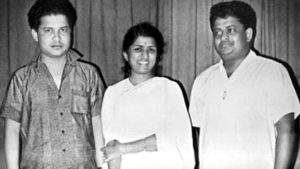 Today, also happens to be the Birth Anniversary of Laxmikant. Laxmikant Pyarelal composed songs for this movie too in 1963, the same year that they composed songs for Parasmani whose song Woh jab yaad aaye bahut yaad aaye I have given you in Zindagi or Jeevan Songs today.
 This song was sung too by Kavi Pradeep. Prithviraj didn’t go about singing and dancing in his movies. However, there are many songs picturised on him.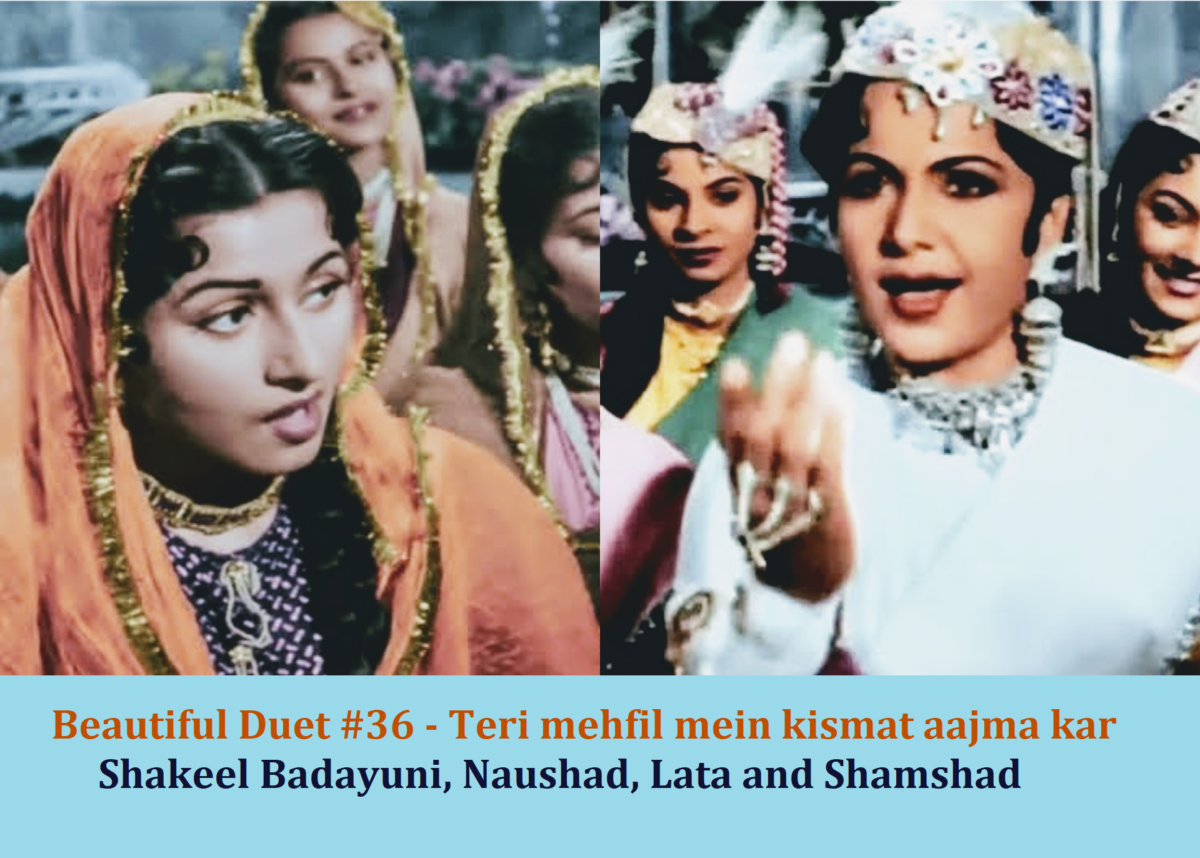
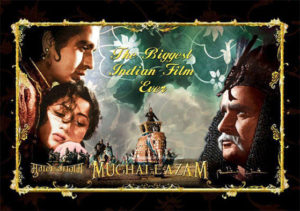
 I am so fond of Shakeel Badayuni, my favourite lyricist, that I keep writing something or the other for and of him. On my blog, there is already a post on the unforgettable songs of Mughal-e-Azam (Songs like Mohe panghat pe and Jab pyar kiya to darna kya have inspired other songs, hymns and even movies). However, this qawwali or song must find a mention in the Beautiful Duets series.
 There is a saying that in every life a little rain must fall. I feel that in every life, a little of Shakeel must be there; else your life won’t be complete!
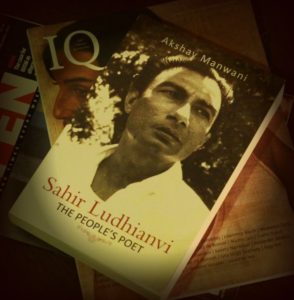 He was born on 08 Mar 1921 in Karimpura, Ludhiana, Punjab. A few years ago NDTV did a debate on who was the best lyricist in Hindi movies: Sahir or Shakeel or Majrooh or Gulzar. It was undecided because each one had (has in case of Gulzar) his strong points. However, one can make out that each one was capable of extraordinary imagination.
 It is from the 1956 movie Chandrakanta starring Bharat Bhushan and Bina Rai. Let’s start with the beauty of the lyrics of this song full of RRR: Regret, Repentance and Ruefulness:
 To get the similarity of Raag and Tal, compare it with another favourite of mine: Khilte hain gul yahan khil ke bikharne ko and Hemant Kumar’s Kohra song: O beqraar dil.
 As I mentioned, it is from the 1956 GP Sippy movie Chandrakanta starring Bharat Bhushan and Bina Rai.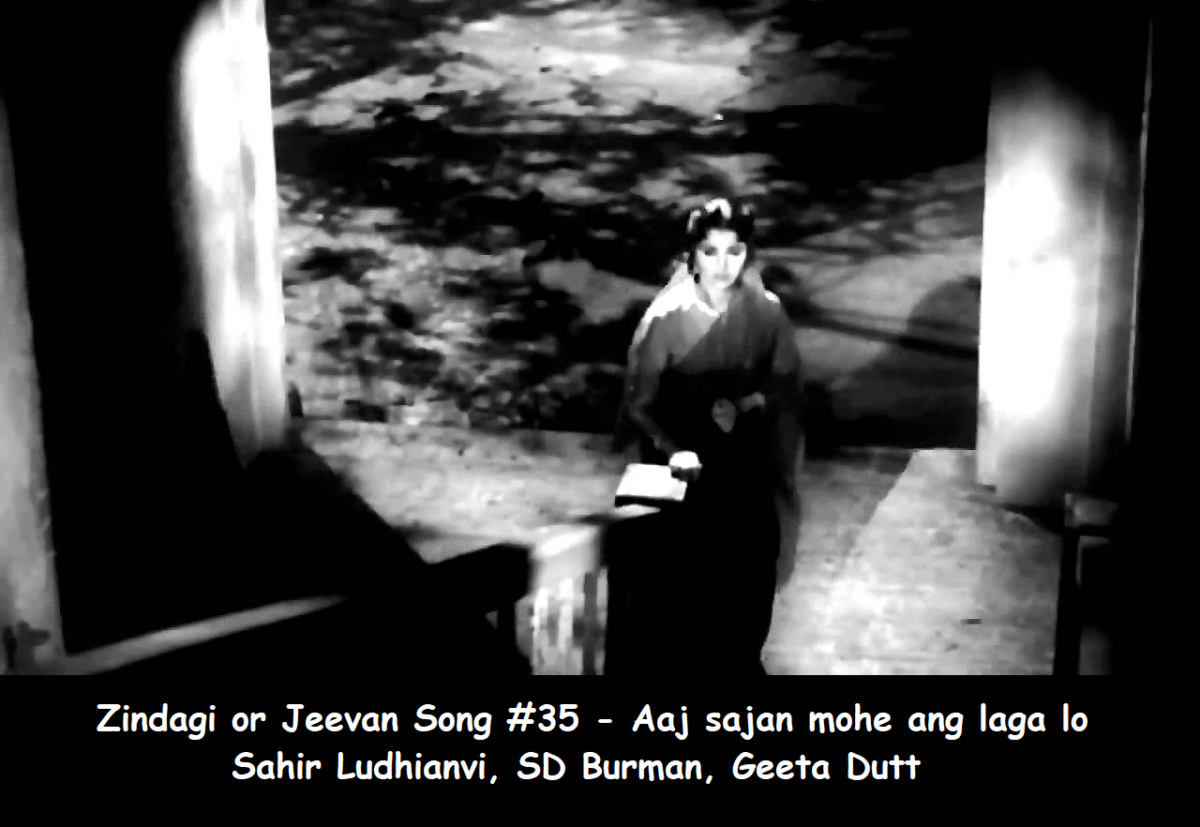
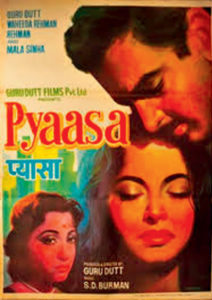 This is one of the most important songs of the movie Pyaasa, a 1957 movie produced and directed by Guru Dutt. The movie is all about Love. In 2005, Time magazine rated it among the 100 Top Movies of All Times. In 2011, the same Time magazine rated it among the Top 10 Romantic Movies of all time.
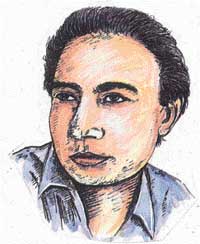 This is what Love can do to you. In its holistic sense, there is no difference between your Love and God (Saanwariya or Krishna). To understand this better, you ought to have a look at the lyrics by Sahir:
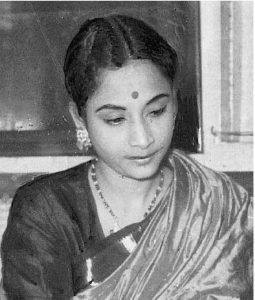 To add to the outstanding direction, Guru Dutt has facilitated Waheeda expressing her Love emotions through a minstrel (street singer) just as in Devdas. Of course Geeta Dutt who sang for Waheeda in many movies, sang for the street singer in this.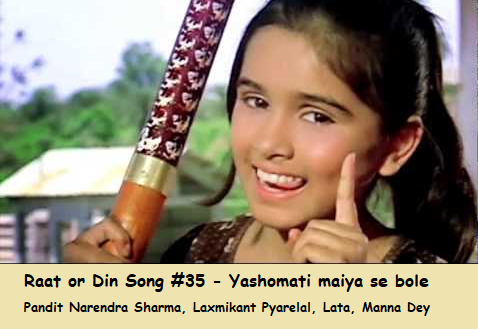
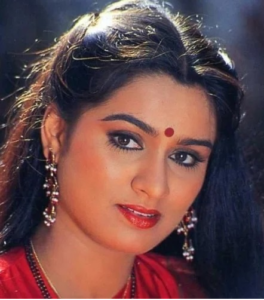 Padmini Kolhapure (13 years old when the movie was released), acted as the child Roopa.
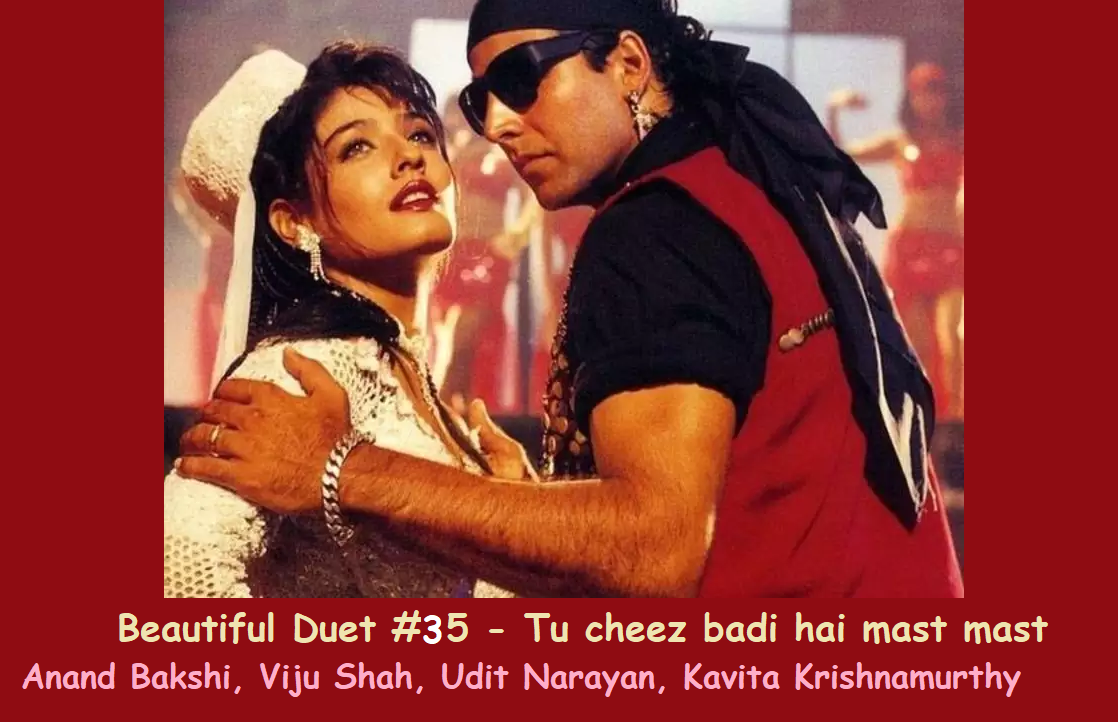
 Divya Bharti was to do this role in 1994 Rajiv Rai movie Mohra. But then she died after just five working days on the movie. In stepped Raveena Tandon and the popularity of this song made her “mast mast girl” virtually overnight. No matter what she did after this song, she is still known by this sobriquet.
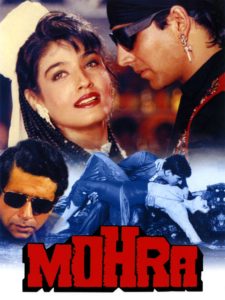 Whatever you say, Bada, Badi, Bade has fascination. Hence, in the 1994 Rajiv Rai movie Mohra (some spell it as Mohraa), when Anand Bakshi had to describe the beauty of the woman (in this case Raveena Tandon, the winner of National Films Award for Best Actress for her role in Kalpana Lajmi’s Daman), he didn’t go the Shakeel Badayuni or Sahir Ludhianvi way. He called her a Cheez that is Badi Mast Mast.
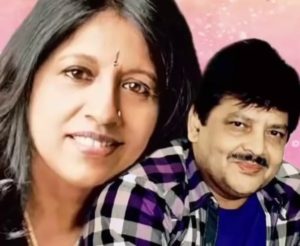 Now what did Udit Narayan and Kavita Krishnamurthy do to the song? They would have been two of the most unlikeliest people for singing Kirtan. However, they did it so well that you feel like singing with them (that’s the effect of Kirtan and how the lead voice or voices of the Raagis inspire you to sing along).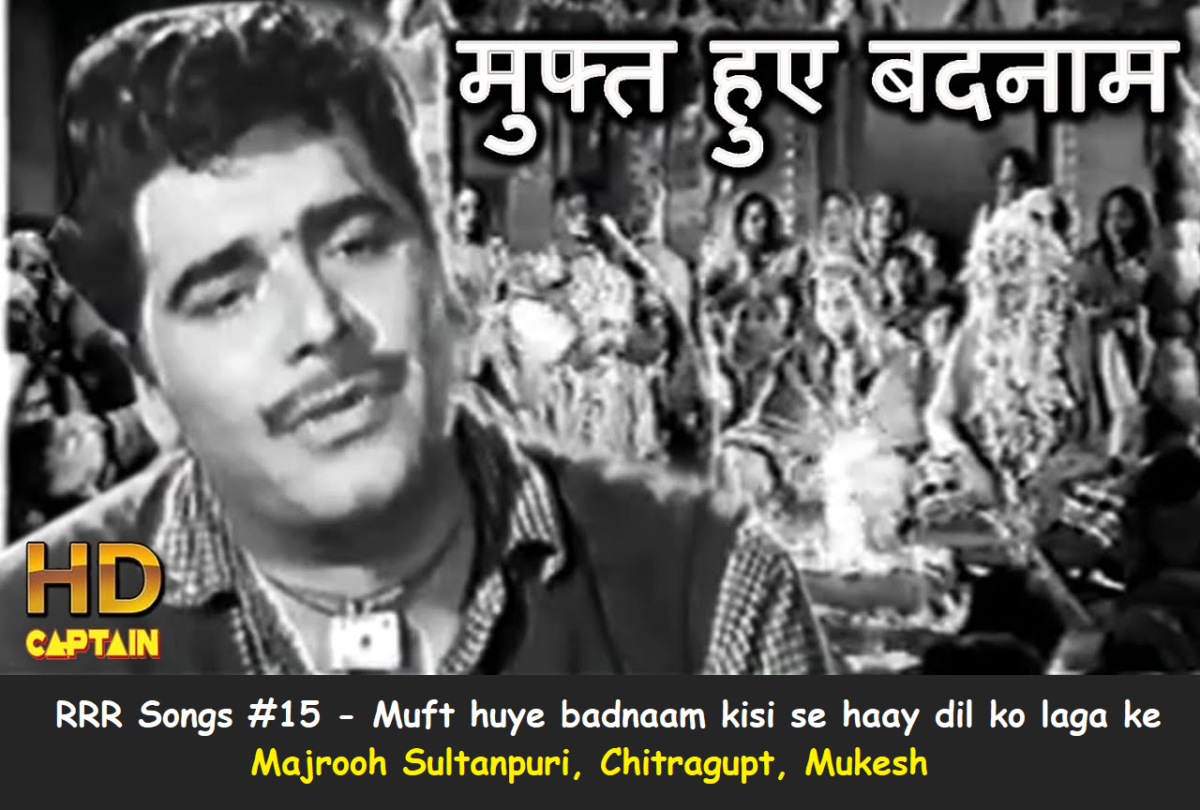
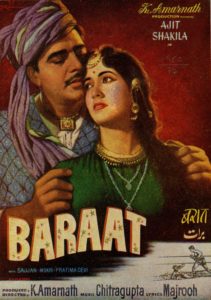 It was a movie directed by K Amarnath and starred Ajit and Shakila. Ajit had been a hero before he took up the villain’s role with such popular dialogues as “Ise liquid oxygen mein daal do; oxygen ise marne nahin dega aur liquid ise jeene nahin dega.” He had beautiful songs to his credit such as Dekho mausam kya bahar hai, Aaja ke intezaar mein, and this beautiful number.
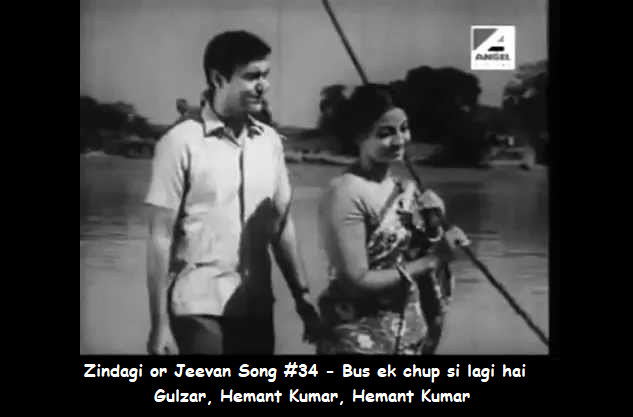
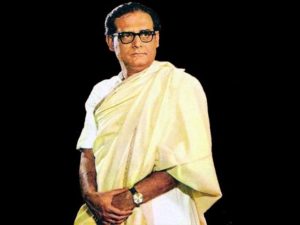 Having been an ardent follower of Rabinder Sangeet, there is never a jarring note in his singing or compositions. Both descend on you like gentle snow. Both touch you like whispers of breeze. There is never Band Baaja Baraat; but…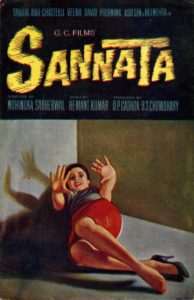
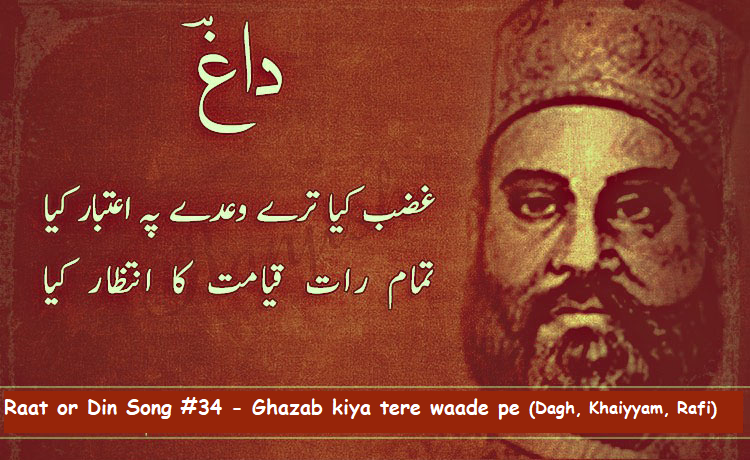
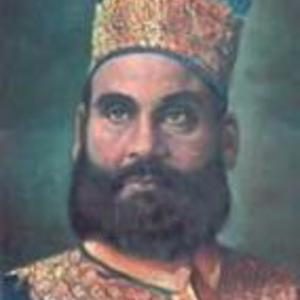 Nawab Mirza Khan lived between 25 May 1831 to 17 Mar 1905. He was born in Kucha Ustad Dagh in Chandini Chowk, Delhi. Poets like to keep a takhallus (pen-name) and Mirza kept his as Daagh. Since he was from Delhi he came to be known as Daagh Dehlvi.
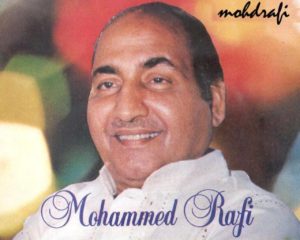 Today, both my songs have been sung by Mohammad Rafi. This ghazal has been sung by many including Mehdi Hassan. But, in each genre’ of singing, it comes out that the best has been rendered by Rafi; eg, he has the best raaga based song in movies, best duet, best children’s song and the best romantic and sad songs. Makes you marvel at what Manna Dey had to say about Rafi when Manna Dey was asked what he felt was Rafi’s ranking in singers: “I rank Rafi 1 to 10”. By this he meant that all other singers, including he himself, were at least ten places below him!
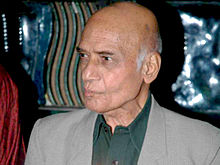 This one has been composed by Khaiyyam, the gentlest of composers.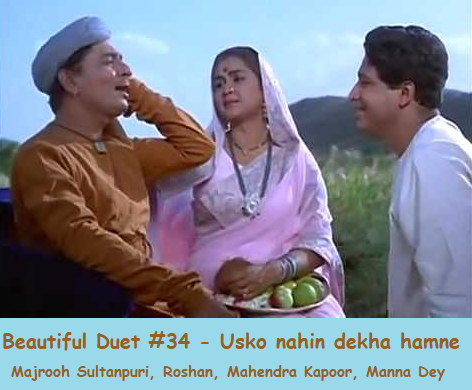
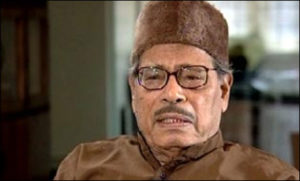 As I said, the Zindagi or Jeevan song today: Tu pyar ka sagar hai, we lost this great singer on this day in 2013. Of course, he was awarded all the best civilian awards in our country (other than Bharat Ratna): Padma Shri, Padma Bhushan and Padma Vibhushan and the highest in cinematic excellence the Dadasaheb Phalke Award and several other awards in other states and languages.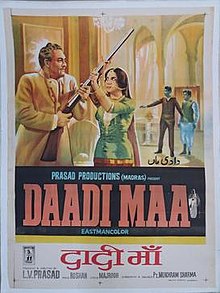
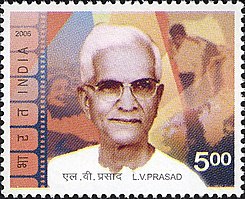 Who was LV Prasad. He lived between 17 Jan 1908 and 22 Jun 1994. He too was a recipient of Dadasaheb Phalke Award.
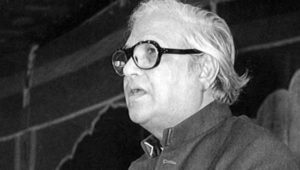 The song owes its creation to Majrooh Sultanpuri for its lyrics (my most favourite subject: Maa) and Roshan for its composition. The two sons in the song with Bina Rai are: Kashi Nath and Dileep Raj. Bina Rai is so overwhelmed with the praise that they are bestowing on her that she breaks down half way through. Any mother would:
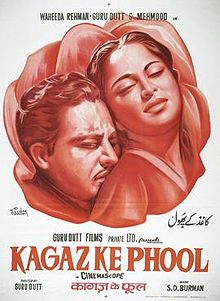 This was the last movie that Guru Dutt produced and directed. He commissioned Abrar Alvi to write the story that he had earlier asked to write Sahib Bibi Aur Gulam and Pyaasa. Another thing common in this movie was Waheeda Rehman, the actress of choice for Guru Dutt so much so that rumours were rife about their real life romance being reflected in their reel life. To complicate it further, Guru Dutt’s wife Geeta (nee’ Roy) used to be the singing voice for Waheeda Rehman.
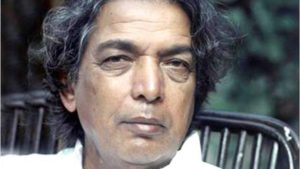 SD Burman of Pyaasa continued in Kaagaz Ke Phool. However Burman and Sahir had fallen apart and hence Kaifi wrote the lyrics. In this song, he may have penned his greatest: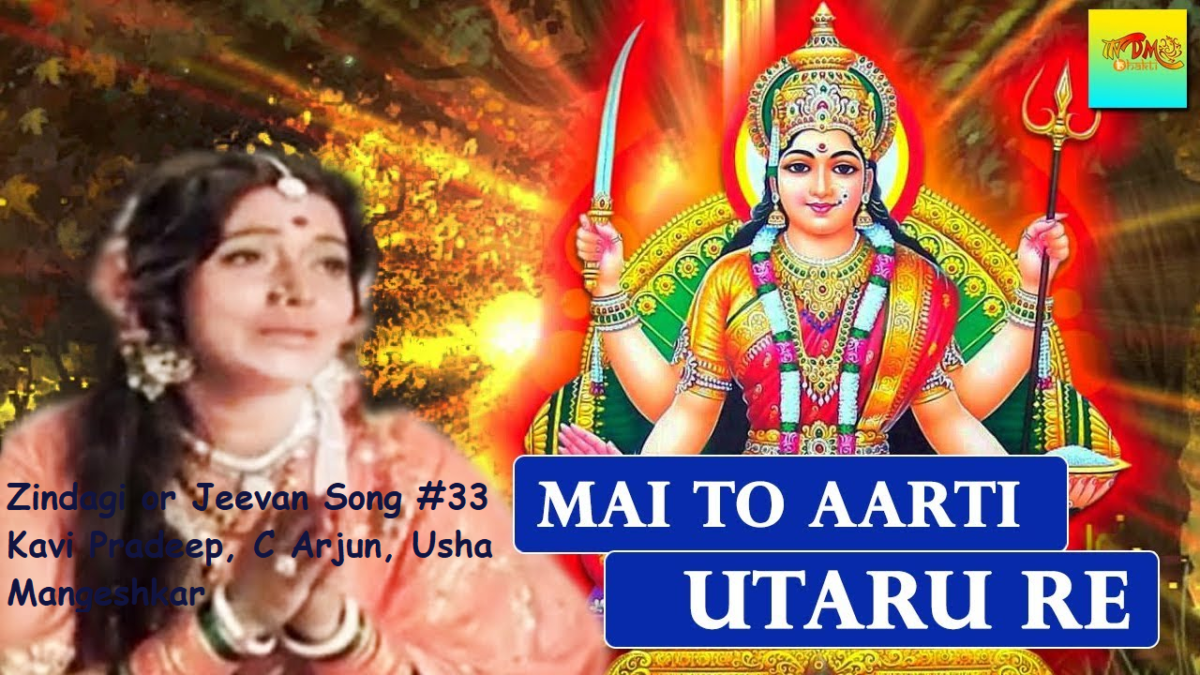
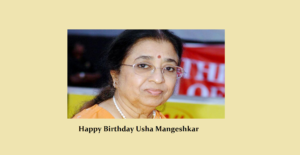 She was born on this day in 1935. She is 85 years old today. And yet she is the youngest of the sisters: Lata, Asha and Meena and elder only to Hridyanath Mangeshkar.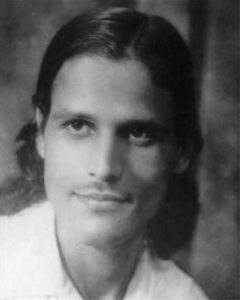
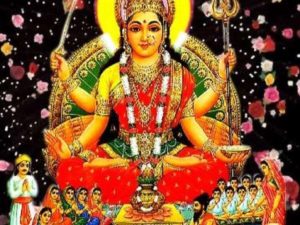 Literally, her name translates to Mother of Satisfaction. She emerged as a goddess in 1960s. Devotees of North India particularly hold her in the highest veneration and it is said that if women would keep Vrata (Fast) on 16 consecutive Fridays, it is sure to win favour of the Maa.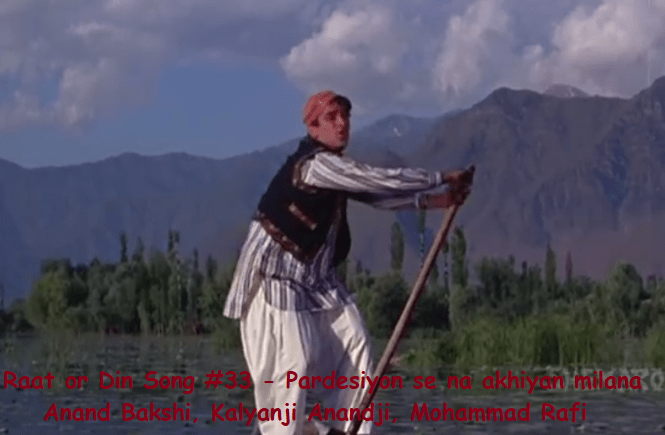
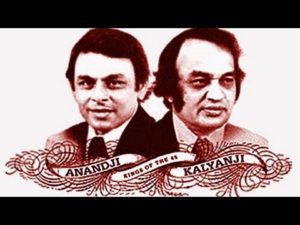 Kalyanji Anandji became musicians because someone owed money to their father and instead of paying back, offered to teach them music.
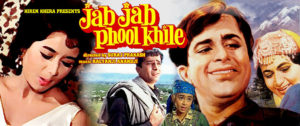 And secondly Jab Jab Phool Khile with Ek tha gul aur ek thi bulbul, Na na karte pyar tumhi se kar baithe, Pardesiyon se na akhiyan milana (three versions), Yahan main ajnabee hoon, and Ye samaa samaa hai ye pyar ka.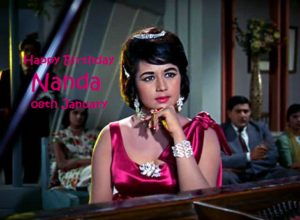
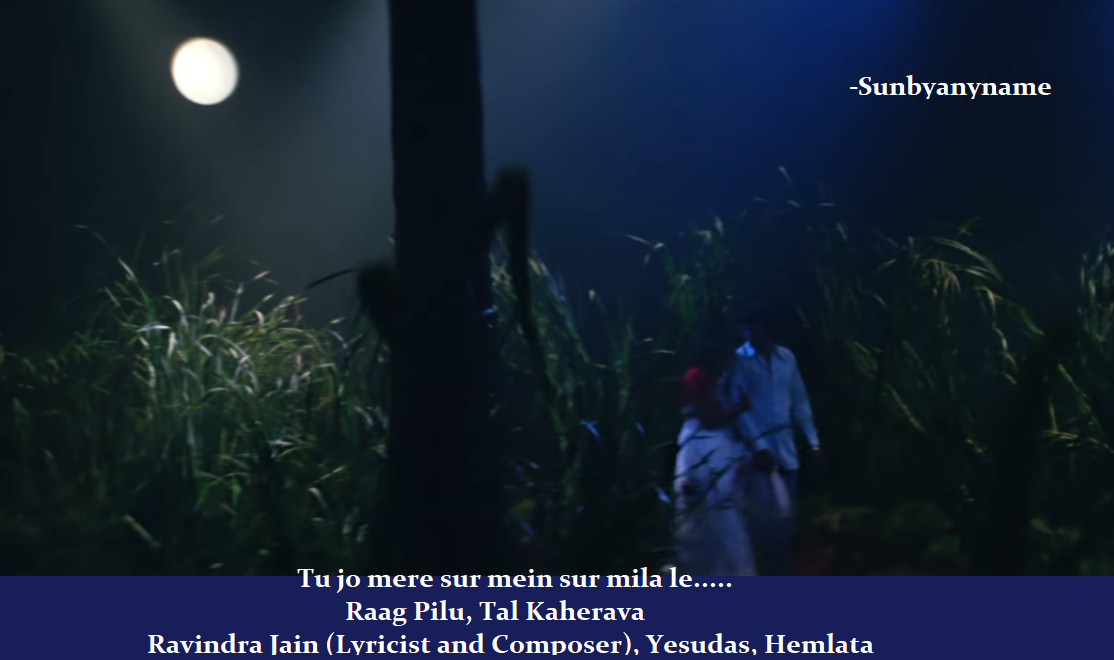
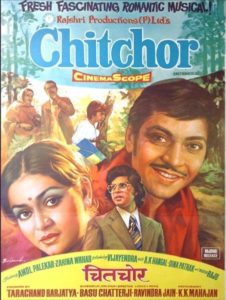 This song is from the 1976 Basu Chatterjee movie Chitchor starring Amol Palekar, Zarina Wahab and Vijayendra. The film is a Rajshri Productions film produced by Tarachand Barjatya. It is based on a Bengali story, Chittachakor by Subodh Ghosh.
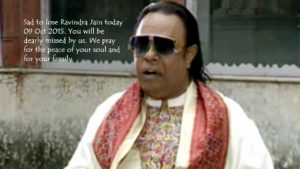 The lyricist of the song was Ravindra Jain and he composed the song too.